Whale Bay
- Saltwater
- Bay
- Coast
- Saltwater
- Bay
- Coast
- Boat Ramps
- 0
- Access Points
- 0
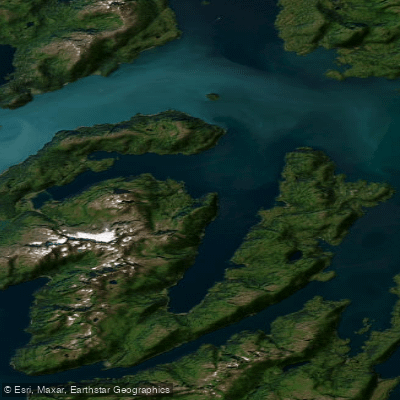
Whale Bay is a remote coastal bay within Prince William Sound, Alaska, accessible only by boat or water taxi from the gateway community of Whittier. The typical multi-day kayaking trip begins with a two-hour water taxi ride from Whittier, which places paddlers approximately 70 miles away into the Icy Bay and Nassau Fjord area, with Whale Bay as a subsequent exploration point. There are no direct road-accessible launches; paddlers must arrange for a drop-off and pick-up via charter service. The area is characterized by minimal boat traffic due to its distance from Whittier. The bay's namesake comes from its historical significance as a feeding ground for humpback whales, particularly from April through October, though whale sightings are not guaranteed. Orcas are also possible. The surrounding landscape features dramatic tidewater glaciers like the Chenega and Tiger Glaciers, which emanate from the Sargent Ice Field, though access to glacier faces can be blocked by dense ice calved from them.
Paddling conditions are generally favorable, with this region being one of the better weather areas in Prince William Sound, sometimes experiencing sunshine when other areas have rain. However, stiff afternoon breezes can funnel off the adjacent ice fields. While these winds may not always create heavy waves, they can create challenging headwinds for returning paddlers, as evidenced by trips where skiff support was needed for tired kayakers fighting the wind. Tidal influence is significant; paddling at high tide allows for exploration very close to the shoreline, where water can reach the lower branches of hanging trees. The coastline offers intricate exploration with shallow bays, rocky bottoms visible in clear water, waterfalls, snowy peaks, and smaller coves like Orca Cove and Humpback Cove. Wildlife sightings commonly include harbor seals, mergansers, harlequin ducks, bald eagles, and a large black-legged kittiwake rookery in nearby Gaamaak Cove. Land mammals such as black bears and deer may be seen along the shores. A critical safety note is to avoid paddling into the nearby Bainbridge Passage, which is known for extremely strong and dangerous currents. Camping is done on remote beaches, and all gear and food must be brought in, with no facilities available. Water quality in the bay was historically impacted by the 1989 Exxon Valdez oil spill, which affected herring populations.
Hazards
Hazards on Whale Bay
No hazards are marked on Whale Bay yet. That is not the same as none being there: if you find one, report it for the next paddler.
From the community
Whale Bay trip reports
Nobody has shared a trip on Whale Bay yet. Paddle it, then tell the next paddler how it went.
Tides, wind & water conditions (10 day forecast)
On open water, wind and tide matter as much as the weather. See the best times to paddle Whale Bay and check the marine forecast before you launch.
Loading tide predictions…
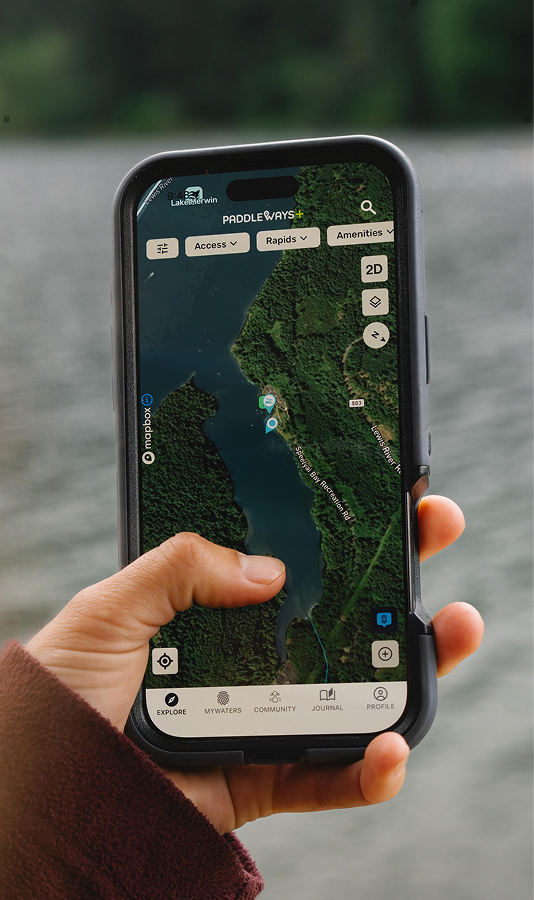
Paddle smarter with real-time insights
Live flows, marked hazards and fresh trip reports from paddlers who were just on the water, all in one place.

Find Places to Paddle
Over 400,000 Places to Paddle
Every user gets free access to launch points, boat ramps, and public property parcels.

Paddling near Whale Bay
Kenai Lake

Kenai River
Resurrection Bay
Skilak Lake
Big Johnstone Lake
Blying Sound
Canyon Creek
Upper Russian Lake
Aialik Bay
Upper Trail Lake
Explore Alaska waters
Explore near Whale Bay

Smarter Paddling Starts in the App.
PaddleWays gives you everything you need to plan smarter, paddle better, and own every trip from first launch to takeout.