Salt River
- River
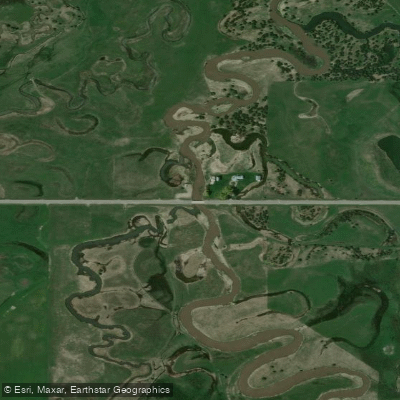
- River
- River length
- 84.2 mi
- Public shoreline
- 27%
- Boat Ramps
- 4
The Salt River is a diverse and captivating waterway that flows through Arizona, offering a wide range of paddling experiences from serene flatwater to challenging whitewater.
The river is best known for its two distinct sections: the Lower Salt River near Phoenix and the Upper Salt River in the rugged Salt River Canyon.
The Lower Salt River, located in the Tonto National Forest just outside Phoenix, is a popular recreational destination. This section offers gentle Class I-II rapids, making it ideal for beginners and families.
The 4-mile stretch from Phon D Sutton Recreation Area to Granite Reef Dam is particularly favored for kayaking, stand-up paddleboarding, and tubing. The river here is accessible year-round, though flow rates can vary depending on dam releases.
For optimal kayaking conditions, aim for flows between 500-1500 cfs. In contrast, the Upper Salt River presents a more challenging adventure.
This 52-mile wilderness run, often called "Arizona's other Grand Canyon," flows through the Salt River Canyon Wilderness. It features Class III-IV rapids, providing an exhilarating multi-day trip for experienced paddlers.
The Upper Salt is typically runnable from March 1st to May 15th, depending on snowmelt from the White Mountains. The Salt River's ecosystem is rich and varied.
The Lower Salt is home to wild horses, often seen drinking from the river's edge, while bald eagles and other wildlife inhabit the surrounding Sonoran Desert landscape.
The Upper Salt winds through dramatic canyon scenery, offering glimpses of desert flora and fauna adapted to the rugged environment. For those seeking a multi-day adventure, the Upper Salt River is the go-to option.
This trip requires careful planning and two separate permits: a lottery-entry permit from the U.S. Forest Service and a day-use permit from the White Mountain Apache Tribe.
Motorized equipment and boats are prohibited within the wilderness area, ensuring a true backcountry experience. Safety is paramount on the Salt River. The Lower Salt, while generally calm, can have strong currents and submerged obstacles.
The Upper Salt demands respect and proper whitewater skills. Always check current flow rates and weather conditions before embarking on any trip. Access to the Lower Salt River is convenient, with multiple recreation areas serving as put-ins and take-outs.
The Upper Salt is more remote, typically accessed via the Salt River Canyon Bridge on Highway 60. The Salt River holds significant cultural importance to indigenous peoples of the region and has played a crucial role in Arizona's development.
Today, it continues to be a vital resource for recreation, wildlife, and water supply to the Phoenix metropolitan area.
Whether you're seeking a leisurely float past saguaro-studded banks or an adrenaline-pumping wilderness expedition, the Salt River offers a quintessential Arizona paddling experience for all skill levels.
Hazards
Hazards on Salt River
No hazards are marked on Salt River yet. That is not the same as none being there: if you find one, report it for the next paddler.
From the community
Salt River trip reports
Nobody has shared a trip on Salt River yet. Paddle it, then tell the next paddler how it went.
Comments from paddlers1
Josh A. •
description on this one says Arizona. that’s wrong.
Water access & public shoreline
See exactly where the public can get on and off the river. Launch points and boat ramps are paired with PaddleWays' public land data so you know where you can legally land.
Public shoreline
27%of the river's shoreline is public
- Public
- 27%
- Private
- 73%
Largest public stretches
- Bridger National Forest
- Caribou National Forest
- Kemmerer Field Office
Most of the riverbank is private. Launch, land and camp only at public access points.
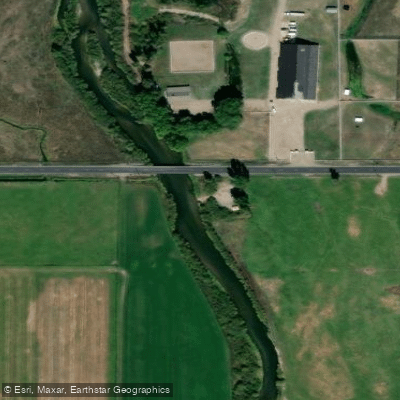
Freedom Boat Ramp
Boat Ramp
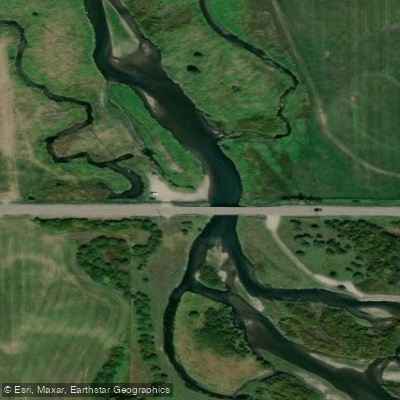
Creamery Boat Ramp
Boat Ramp
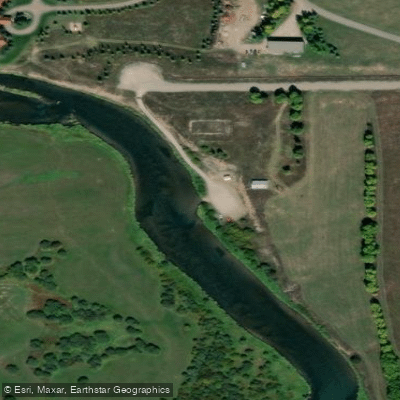
Swimming Pool Road Access
Boat Ramp
Auburn Bridge
Boat Ramp
Showing 4 of 6 boat ramps.
Flows & paddling conditions (10 day forecast)
Flows and weather, so you know what to expect on Salt River today.
SALT RIVER ABOVE RESERVOIR, NEAR ETNA, WY
Paddle smarter with real-time insights
Live flows, marked hazards and fresh trip reports from paddlers who were just on the water, all in one place.







Find Places to Paddle

Over 400,000 Places to Paddle
Every user gets free access to launch points, boat ramps, and public property parcels.


Idaho licenses and regulations
Idaho Boating Regulations
When using any type of watercraft to access a body of water, it is important to follow all federal, state, and local rules and regulations. These rules and regulations include boat permitting and licensing, invasive species inspections and stamps, life jacket and PFD rules, motor size and horsepower restrictions, noise limitations, restrictions on personal watercraft, and many more. Visit the web link below for the most current rules and regulations for this body of water.
Idaho Boating Regulations
When using any type of watercraft to access a body of water, it is important to follow all federal, state, and local rules and regulations. These rules and regulations include boat permitting and licensing, invasive species inspections and stamps, life jacket and PFD rules, motor size and horsepower restrictions, noise limitations, restrictions on personal watercraft, and many more. Visit the web link below for the most current rules and regulations for this body of water.
Idaho Fishing License
"To fish in Idaho any person 14 years of age or older must have a valid fishing license. Anglers younger than 14 do not need a license, but there is a small difference between resident and nonresident youth. -A resident child under 14 has their own separate fishing limit. -A nonresident child under 14 must be with someone who has a valid fishing license and their fish are in included in the license holders fishing limit. However, a nonresident child may purchase their own license and have their own limit. Special fishing permits are need for some activities for both residents and nonresidents: -Fishing for salmon and steelhead -Fishing with two poles."
Idaho Fishing Regulations
This river has a variety of species and regulations, including potential floating and/or watercraft restrictions. Because this river is specially managed for species, seasons, angling methods, and watercraft, it is strongly encouraged you check all federal, state, and local regulations before fishing. Visit any of the links below, inquire locally, or contact a local fly shop to learn current regulations and restrictions.
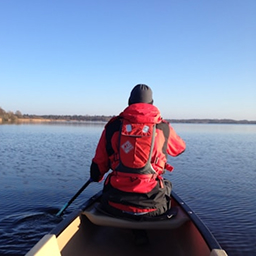
Idaho Stream Access Laws
Navigable streams are recognized as public transportation corridors, thus members of the public have the right to use the corridor, provided they enter and exit the corridor at a public right of way and remain within the corridor. Many navigable streams flow through private property, thus it is important that anglers know their rights and responsibilities when fishing in navigable waters that flow through private property.
Paddling near Salt River
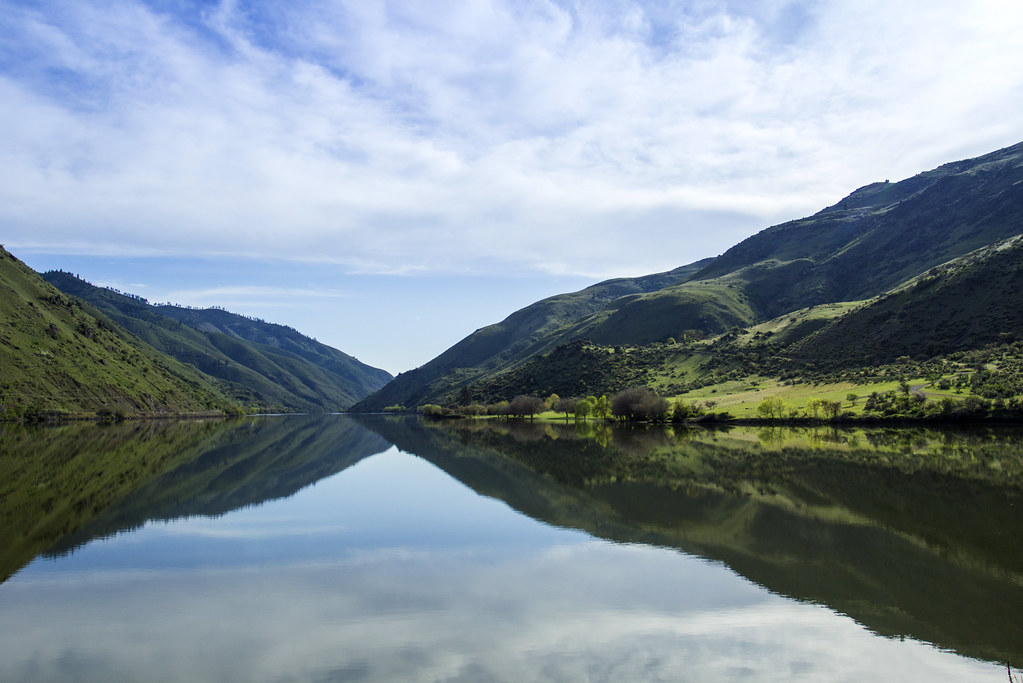
Snake River
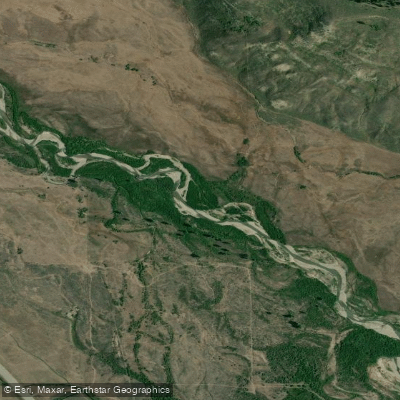
Hoback River
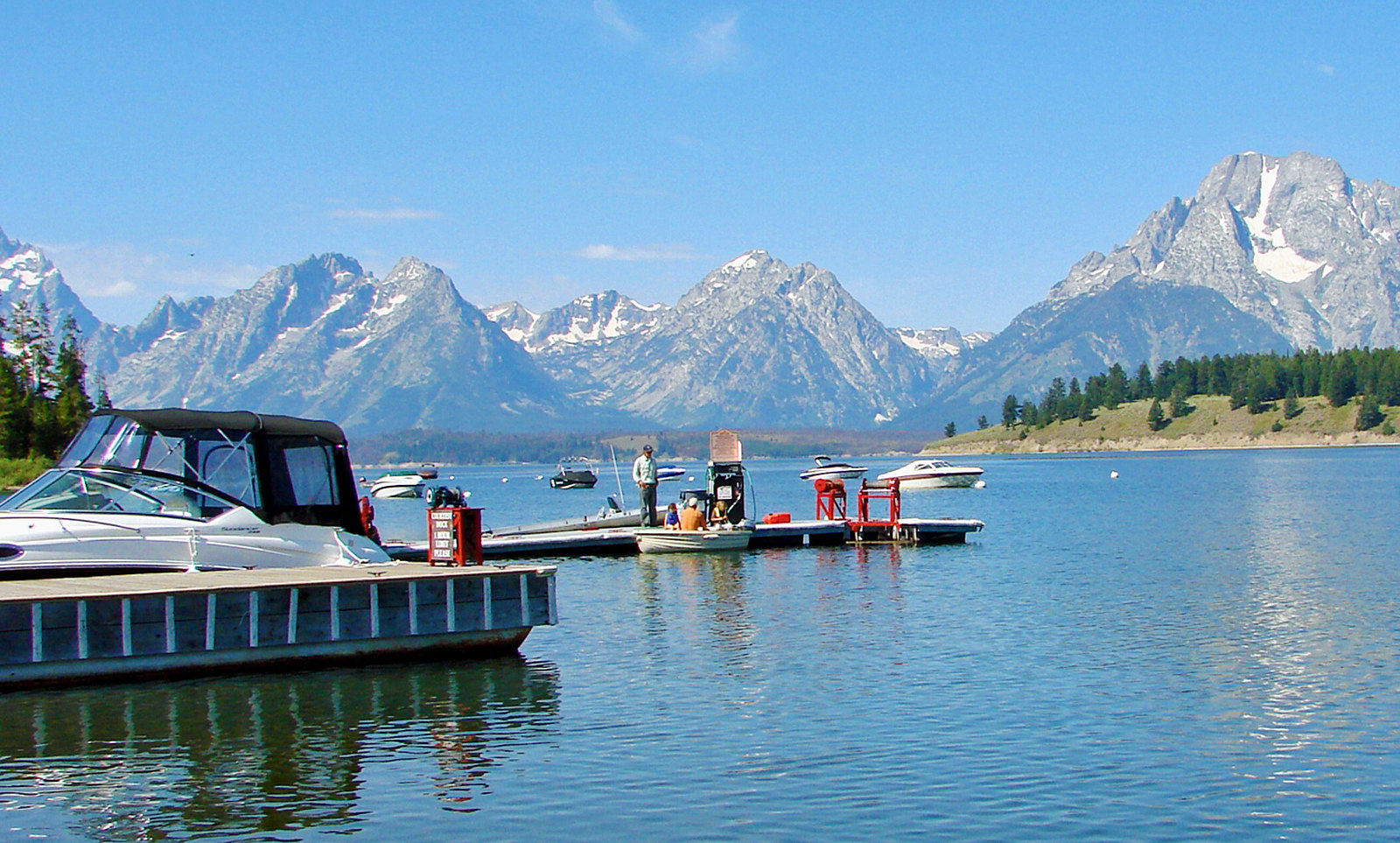
Jackson Lake
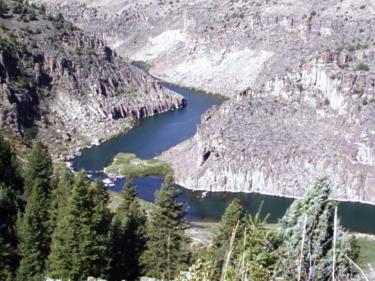
Teton River
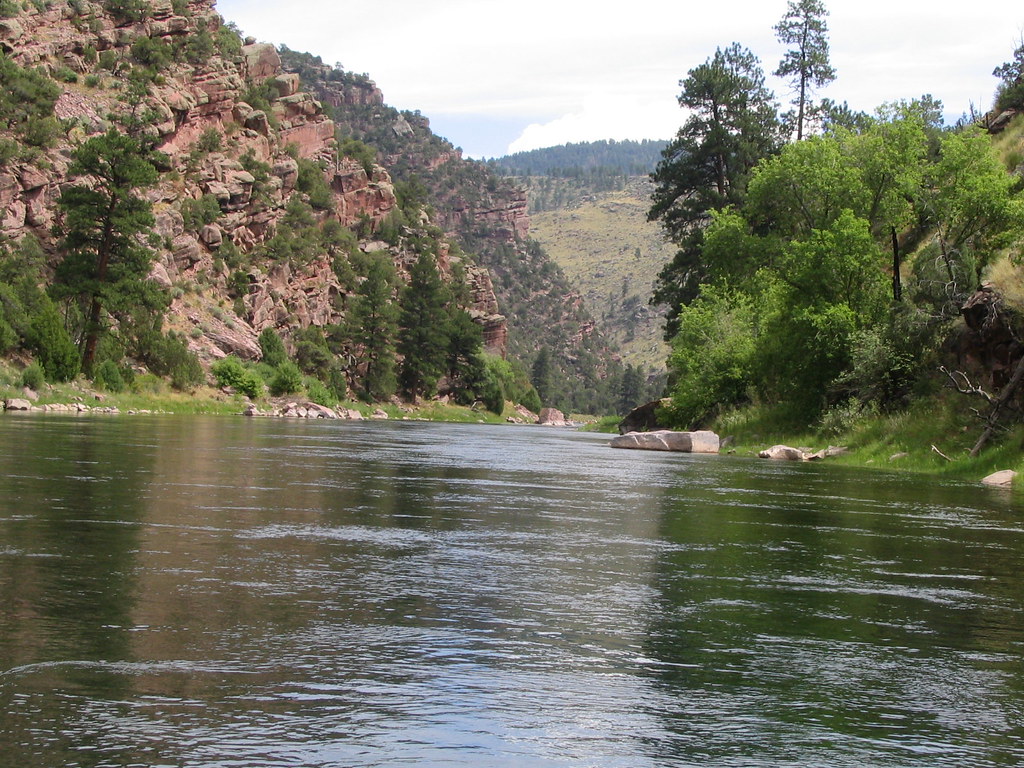
Green River
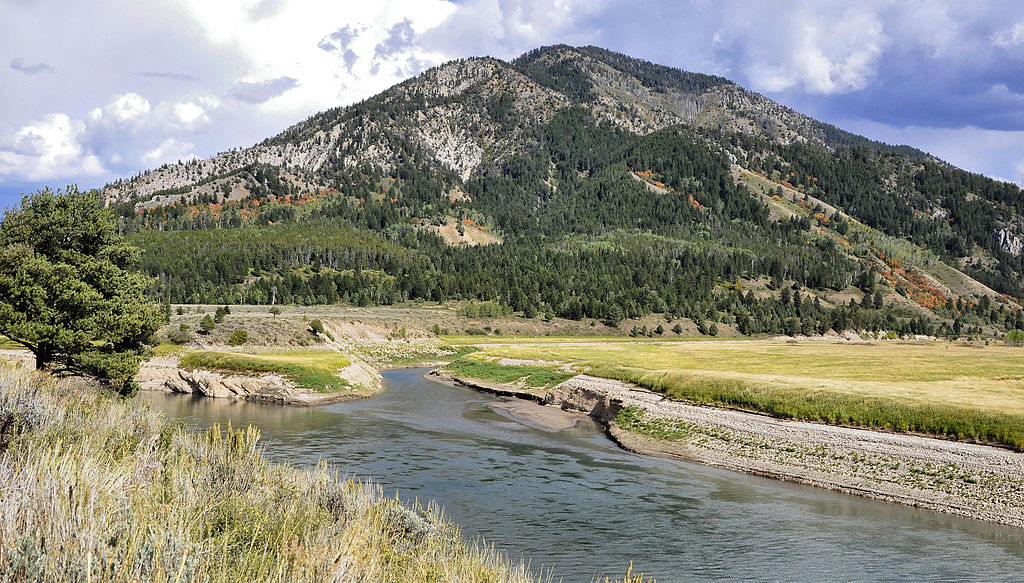
Greys River
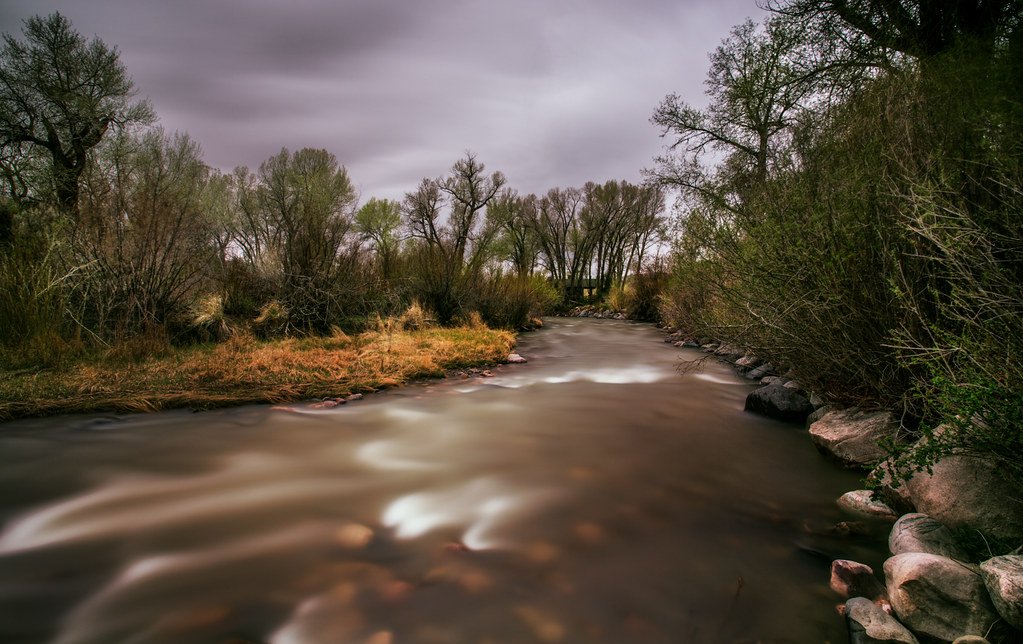
Wind River
Gros Ventre River
Flat Creek
Granite Creek
Explore near Salt River
Access points
Nearby waters
More in Idaho
Smarter Paddling Starts in the App.
PaddleWays gives you everything you need to plan smarter, paddle better, and own every trip from first launch to takeout.