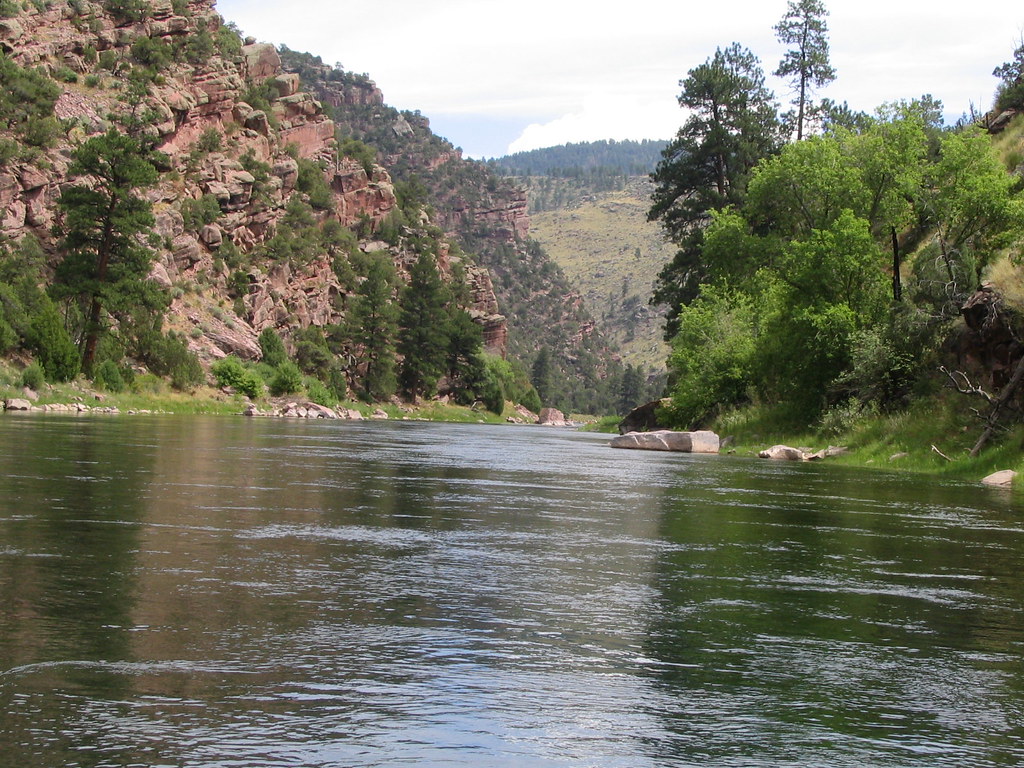
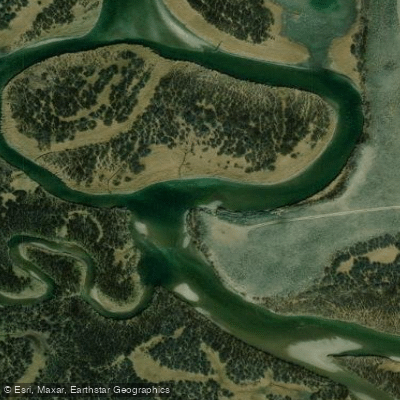
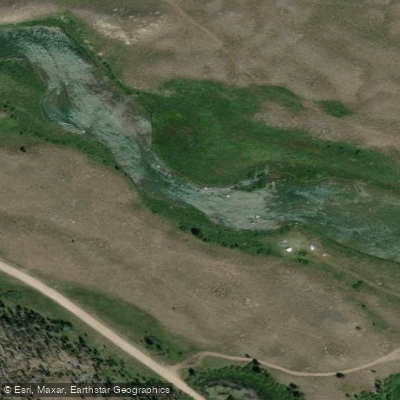
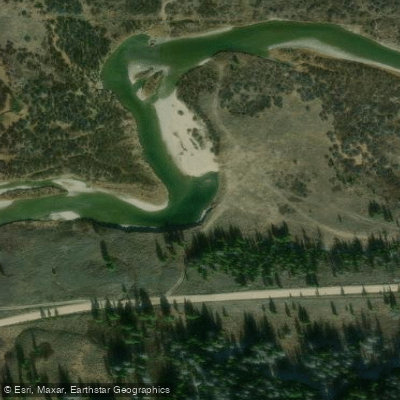
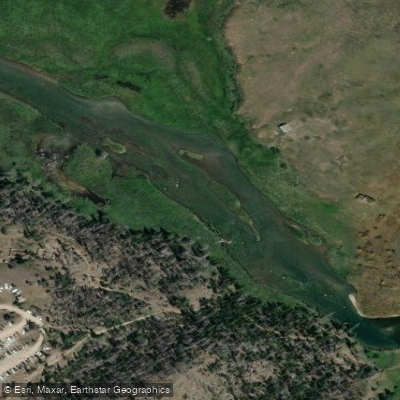
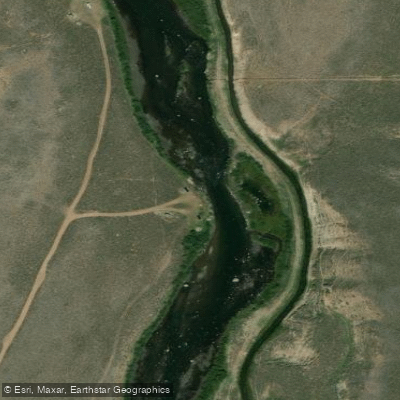
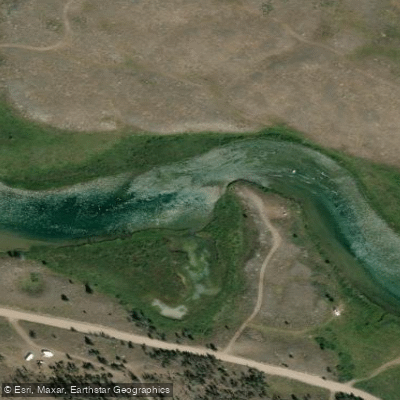
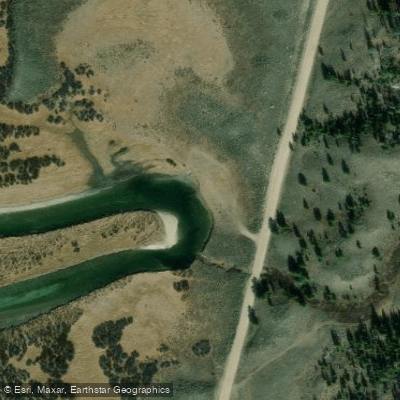
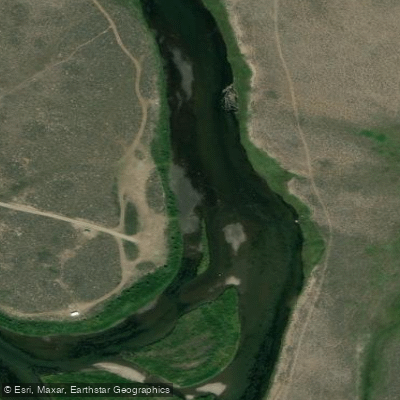
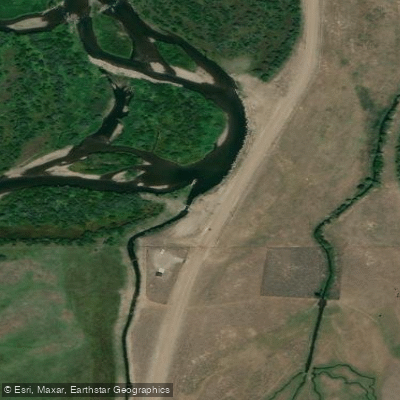
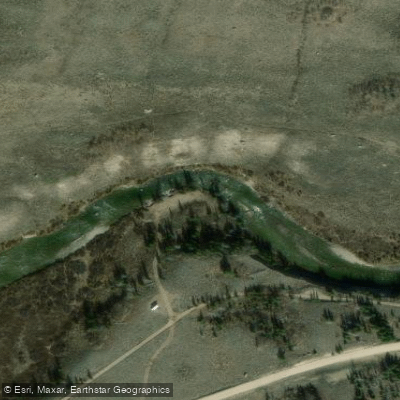
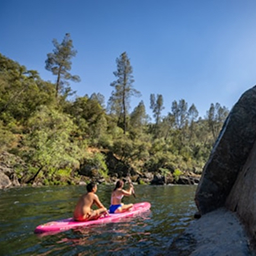
The Green River, a major tributary of the Colorado River, flows approximately 730 miles from its headwaters in the Wind River Range of Wyoming through spectacular canyons and remote wilderness before joining the Colorado River in Canyonlands National Park, Utah. This powerful waterway traverses Sublette, Sweetwater, and Lincoln counties in Wyoming, then enters Daggett, Uintah, Carbon, Emery, Grand, Wayne, and San Juan counties in Utah, with a brief passage through Moffat County in Colorado.
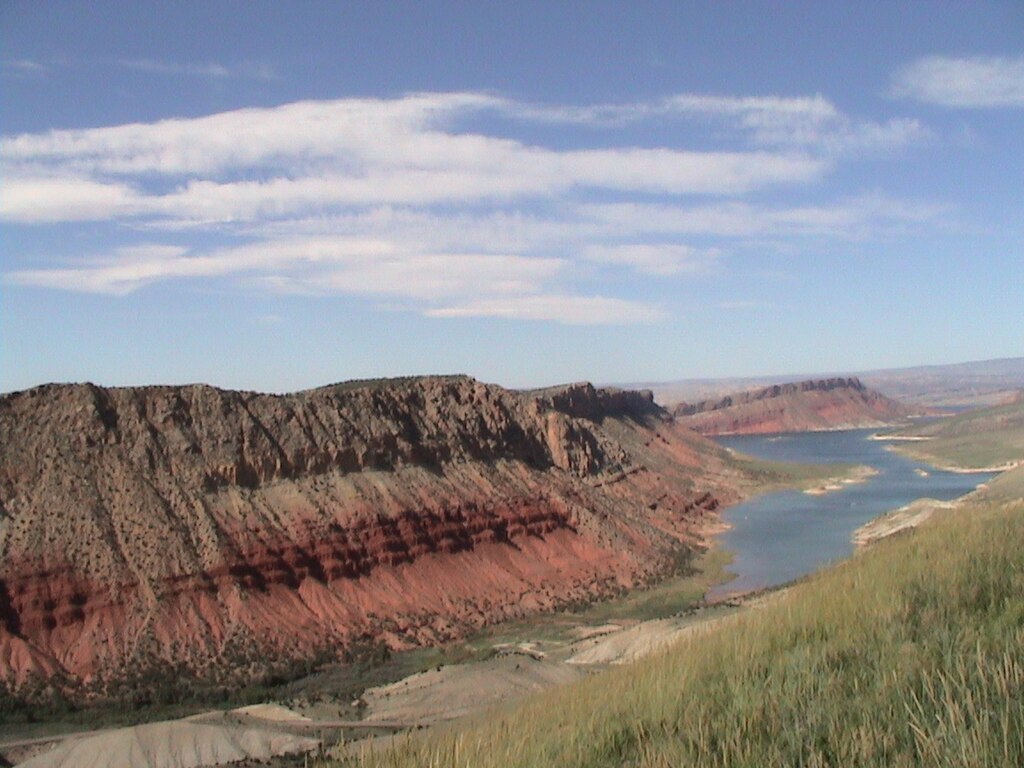
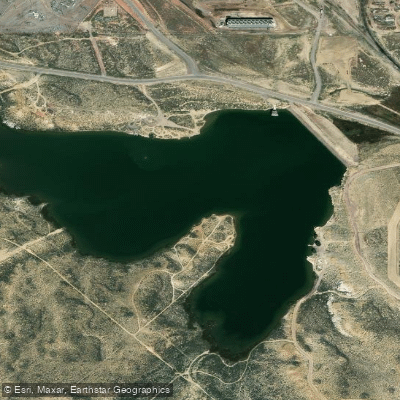
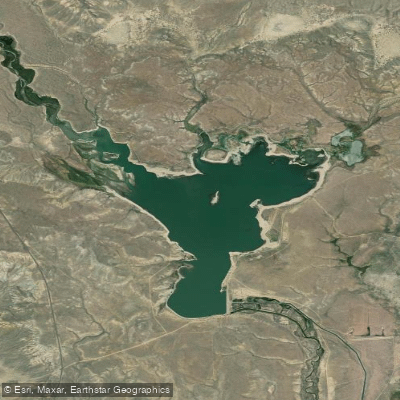
The river's character transforms dramatically along its course. Beginning as a mountain stream, it flows through Flaming Gorge Reservoir—created by Flaming Gorge Dam near Dutch John, Utah—before carving through Red Canyon's towering walls. Below the dam, the tailwater section from Flaming Gorge Dam to Little Hole offers exceptional trout fishing and Class II rapids ideal for beginners and families. The river then meanders through Browns Park, a historic valley straddling the Utah-Wyoming-Colorado border, where the pace slows to gentle Class I-II water.
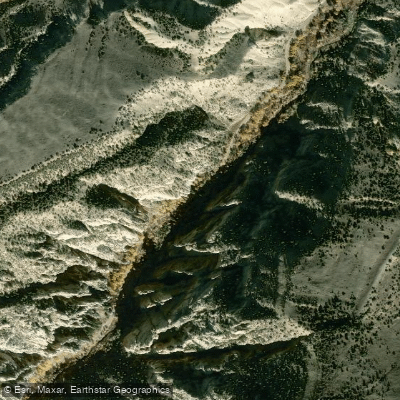
The Gates of Lodore marks a dramatic transition as the river plunges into Dinosaur National Monument, creating Class III-IV whitewater through rapids like Disaster Falls and Hell's Half Mile. This 44-mile wilderness run through Lodore and Split Mountain canyons requires advanced skills and permits. Below Split Mountain, the river calms for a flatwater stretch to Ouray, then enters the remote Desolation and Gray Canyons—an 84-mile journey from Sand Wash to Green River, Utah, featuring over 60 rapids up to Class III-IV difficulty. This section showcases relief exceeding 5,000 feet from rim to river, with abundant Fremont and Ute rock art adorning canyon walls. South of the town of Green River, the river flows through Labyrinth and Stillwater canyons, offering 120 miles of serene flatwater paddling through deep desert gorges before meeting the Colorado River at the Confluence in Canyonlands.
Spring runoff from May through June brings peak flows of 15,000-25,000 cfs, creating powerful hydraulics in whitewater sections. Summer and fall offer more moderate flows (2,000-8,000 cfs), extending the season through October. Winter ice can make certain sections impassable.
Wildlife includes bighorn sheep on canyon walls, river otters, bald eagles, and abundant trout populations below Flaming Gorge Dam. Riparian corridors support cottonwoods, willows, and tamarisk.
Major access points include Dutch John and Manila in Daggett County, Sand Wash in Uintah County, and the town of Green River in Emery County.
John Wesley Powell's 1869 expedition named Flaming Gorge and documented the river's geography, establishing its historical significance as a western exploration route.
Permits are required for Desolation/Gray Canyons and sections within Dinosaur National Monument. Multi-day trips ranging from 3-7 days are common, with designated campsites throughout wilderness sections.