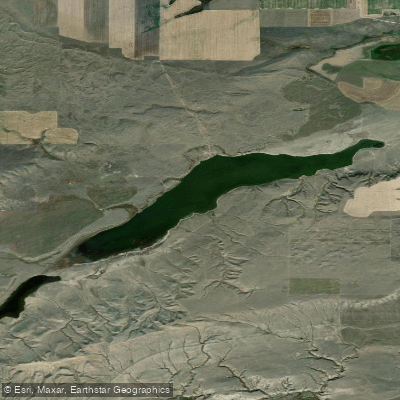
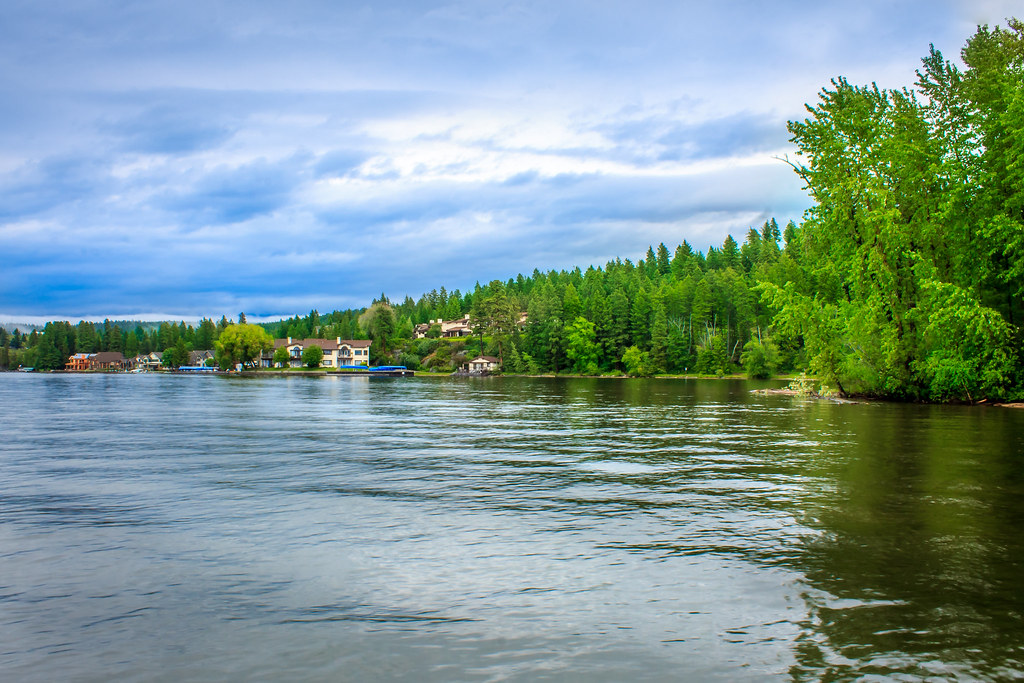
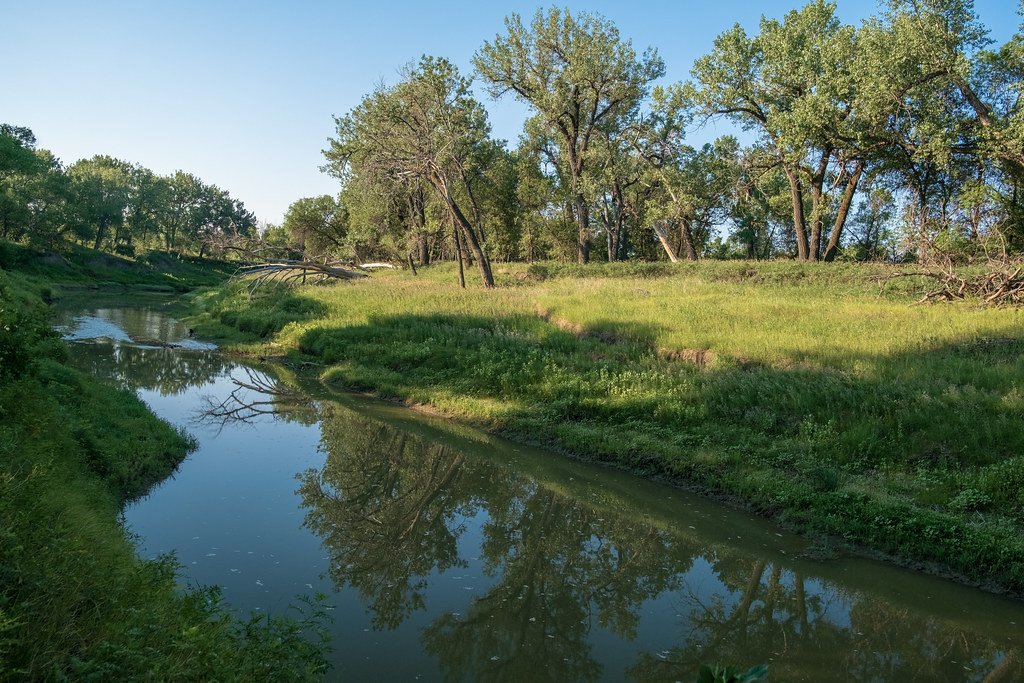
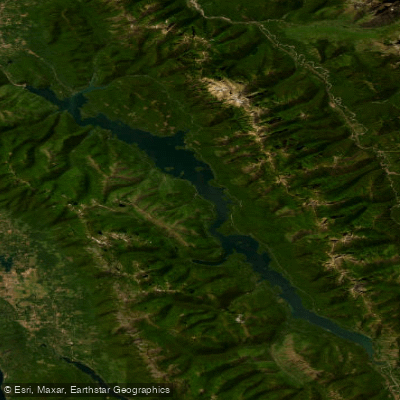
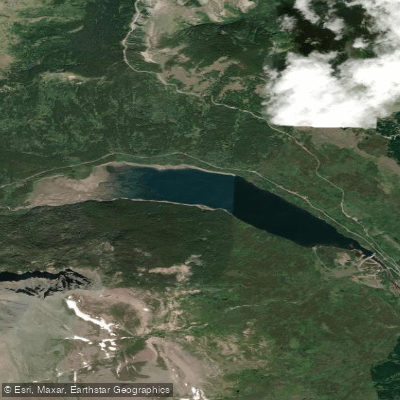
Mission Lake, located in Willamette Mission State Park just north of Keizer, Oregon, offers paddlers a quiet and accessible flat-water experience. The lake is an oxbow formation, created in 1861 when a massive flood altered the course of the Willamette River.
Access to Mission Lake is via a put-in near the Wheatland Ferry landing. Paddlers then navigate a channel to reach the main body of water. The lake is best explored during spring, particularly from late April to the end of June, when the water is fresh and less congested with aquatic vegetation.
Wildlife viewing is a highlight of paddling Mission Lake. Visitors can expect to see otters, western pond turtles, mink, blue herons, and osprey. The shoreline features blooming native plants such as red osier dogwood and yellow willow during the spring months.
A notable landmark is the mission ghost structure, a three-dimensional metal outline representing the original 1834 missionary building established by Reverend Jason Lee. This structure serves as a striking visual reminder of the area's historical significance.
The paddle route follows the shoreline through areas thick with lily pads, offering opportunities to observe birds and turtles. The lake concludes at a dock and main boat launch, located near the world's largest black cottonwood tree. This impressive specimen measures 9.23 feet in diameter and stands 155 feet tall, providing a unique natural attraction for paddlers to explore on foot.
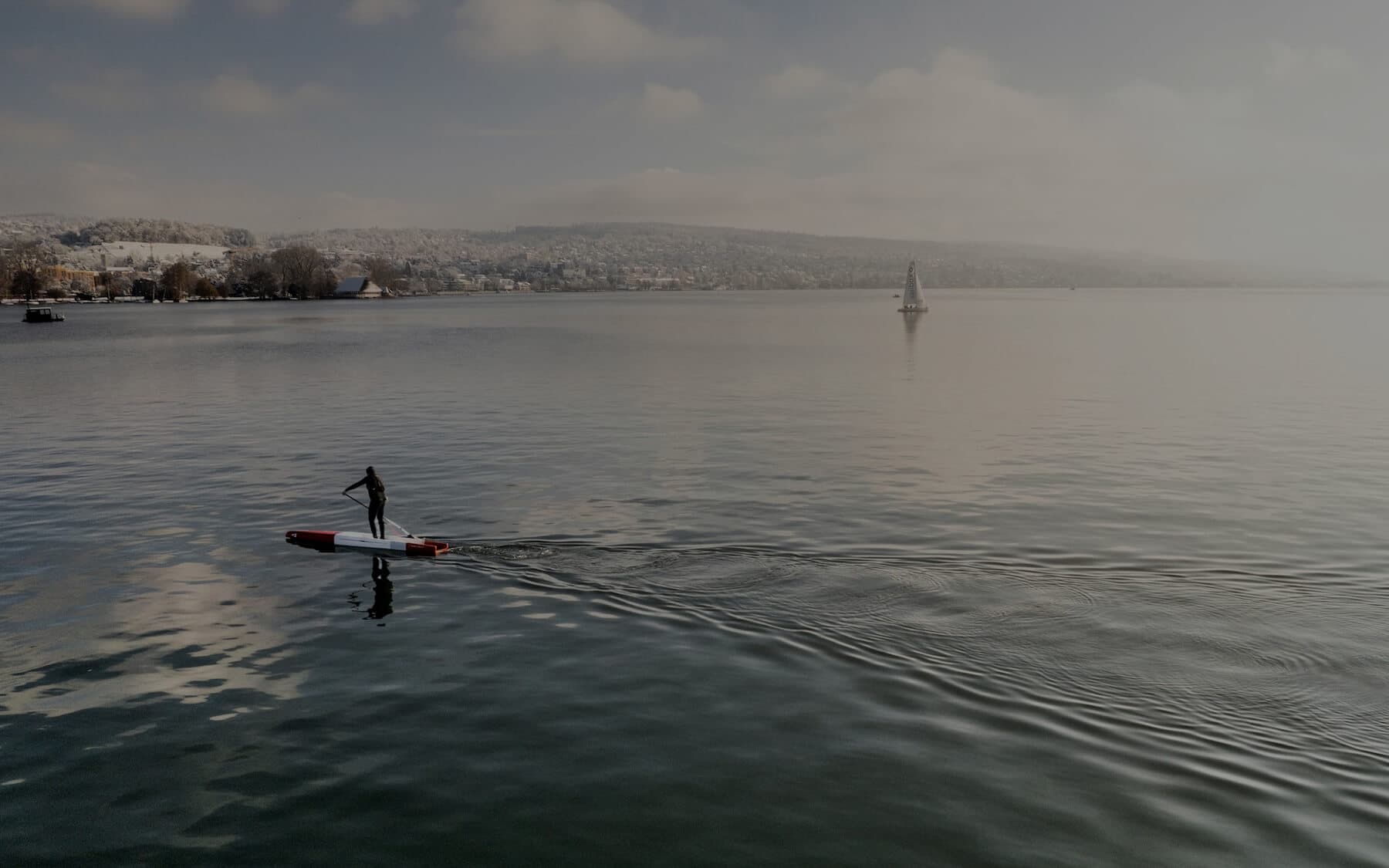
While Mission Lake may not be the most scenic destination in Oregon, it provides an easy and wildlife-rich paddling experience, particularly suitable for those seeking a short, relaxed outing. The lake's quiet nature and abundant wildlife make it an ideal spot for a peaceful afternoon on the water.