Curated by PaddleWays
RouteClass II–III
- Distance
- 15.7 mi
- Paddle time
- Multi-day
- Best for
- Intermediate paddlers
- Put-in → take-out
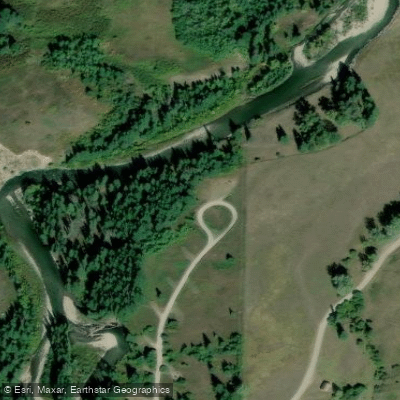
- West Boulder Campground Hand Launch → Boulder and West Boulder River Access
Boulder-strewn areas make wading difficult
The West Boulder River is a pristine mountain stream that originates in the Absaroka-Beartooth Wilderness of southern Montana. Flowing northward through the Custer Gallatin National Forest, it joins the main Boulder River near McLeod, eventually draining into the Yellowstone River. This scenic waterway cuts through rugged terrain, offering paddlers a remote wilderness experience.
The river presents a range of paddling opportunities across its approximately 30-mile course. The upper section, accessed via the West Boulder trailhead, features challenging Class IV-V rapids suitable only for expert kayakers. This remote stretch demands solid river-running and boat-scouting skills as it winds through a spectacular mountain setting.
Below the wilderness boundary, the river mellows slightly but maintains its wild character. A popular 14-mile section from the Gallatin National Forest boundary to the Boulder River confluence offers Class II-III whitewater, ideal for intermediate paddlers. This stretch blends moderate rapids with calmer pools, set against a backdrop of stunning mountain scenery.
The West Boulder's flow peaks in late spring and early summer with snowmelt, typically offering the best paddling conditions from May through July. However, its relatively stable base flow can provide opportunities into early fall for skilled paddlers.
The river corridor supports diverse Rocky Mountain ecosystems, home to elk, mule deer, black bears, and a variety of bird species. Anglers prize the West Boulder for its populations of wild trout, though wading can be challenging in boulder-strewn upper sections.
Key landmarks include the West Boulder Campground near the trailhead, providing a convenient base for multi-day adventures. The Natural Bridge Falls, while on the main Boulder River, is a nearby attraction worth visiting.
Primary access points are limited, reflecting the river's remote nature. The West Boulder trailhead serves as the main put-in for the upper section, while take-outs vary depending on the chosen route. The nearest towns are Big Timber and Livingston, each about an hour's drive away.
Safety is paramount on the West Boulder, given its isolation and challenging rapids. Paddlers should be self-sufficient and prepared for a wilderness experience. Multi-day trips are possible but require careful planning and backcountry expertise.
The West Boulder River offers a true Montana backcountry paddling experience, rewarding those who venture onto its waters with solitude, pristine natural beauty, and exhilarating whitewater in one of the state's most scenic river corridors.
Curated routes
Hand-picked by the PaddleWays team, with put-ins, take-outs, paddle times and the hazards along the way.
RouteClass II–III
Hazards
No hazards are marked on West Boulder River yet. That is not the same as none being there: if you find one, report it for the next paddler.
From the community
Nobody has shared a trip on West Boulder River yet. Paddle it, then tell the next paddler how it went.
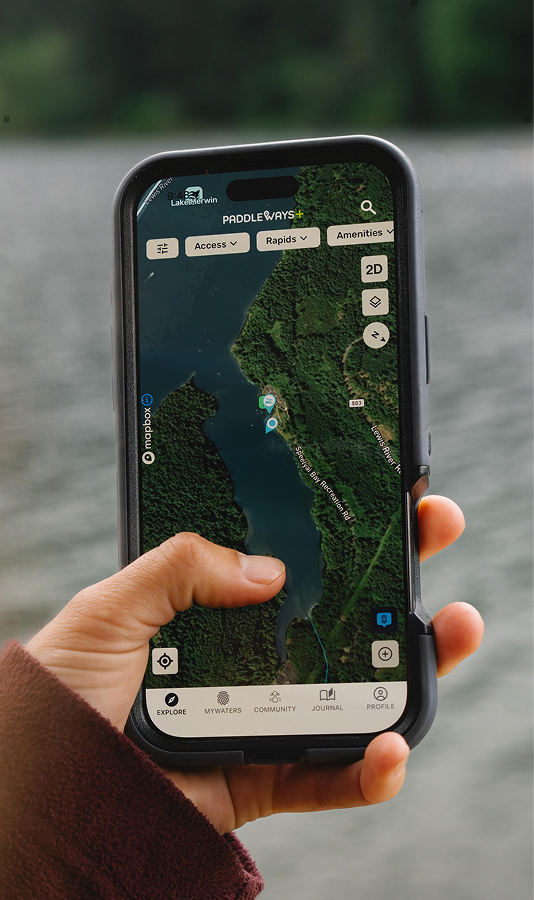
See exactly where the public can get on and off the river. Launch points and boat ramps are paired with PaddleWays' public land data so you know where you can legally land.
Public shoreline
51%of the river's shoreline is public
Flows, weather and a route-by-route verdict, so you know which stretch of the West Boulder River is worth paddling today.
No forecast data available.
Live flows, marked hazards and fresh trip reports from paddlers who were just on the water, all in one place.





Every user gets free access to launch points, boat ramps, and public property parcels.

Loading popular cities...
PaddleWays gives you everything you need to plan smarter, paddle better, and own every trip from first launch to takeout.