Paddling in New Jersey
- Lakes
- 943
- Rivers
- 1,441
- Access
- 1,282
- Boat Ramps
- 235
- Shops
- 8
New Jersey's paddling identity runs on a paradox: you can disappear into a remote, tea-stained cedar swamp where the loudest sound is a kingfisher, and you're still inside the orbit of twenty million people.
Two cultures define the state — the slow, intimate Pine Barrens in the south, and the Delaware River corridor in the northwest — with a third thread running the Jersey Shore estuaries. The Pine Barrens are the spiritual home of New Jersey canoeing.
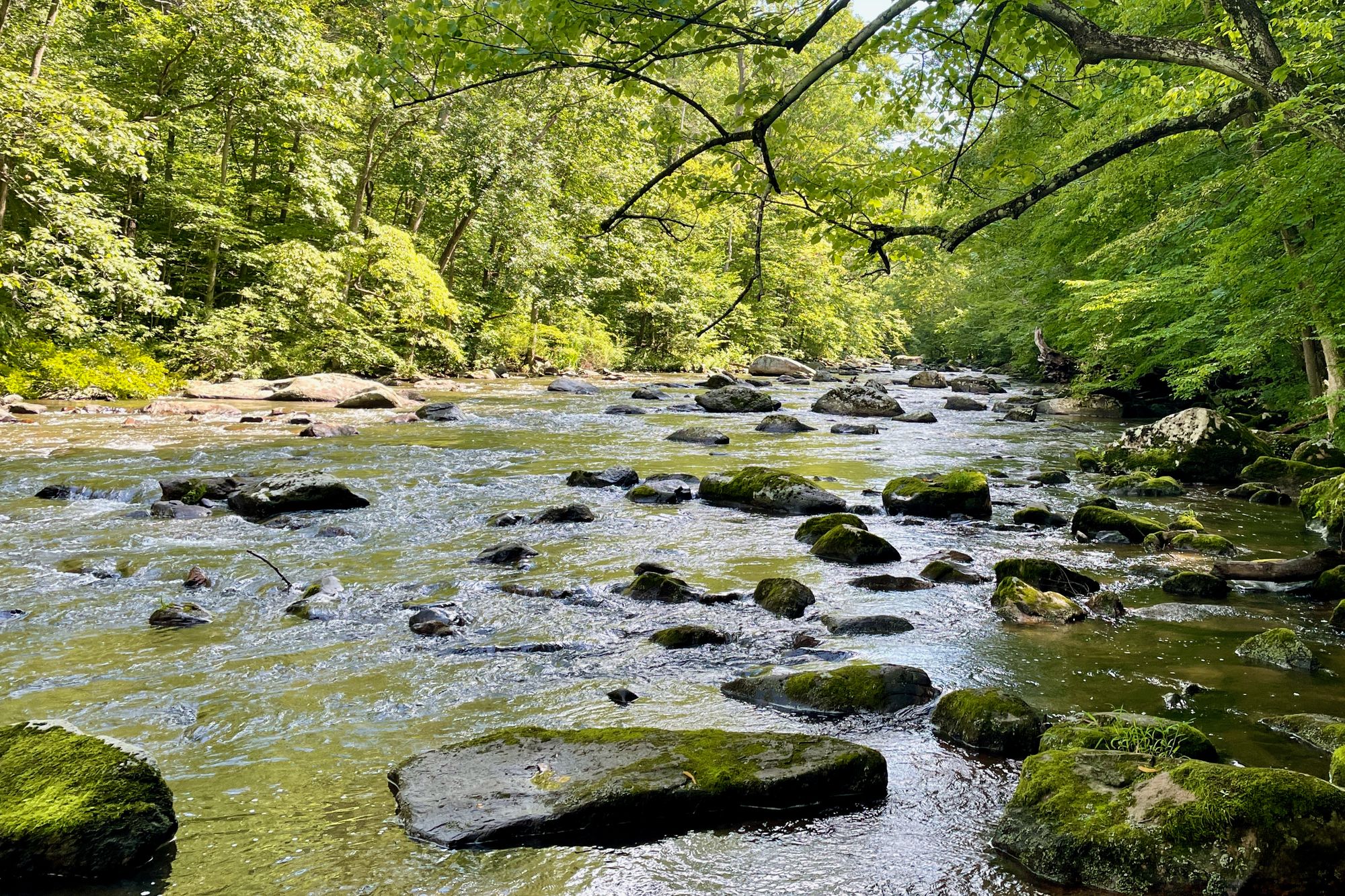
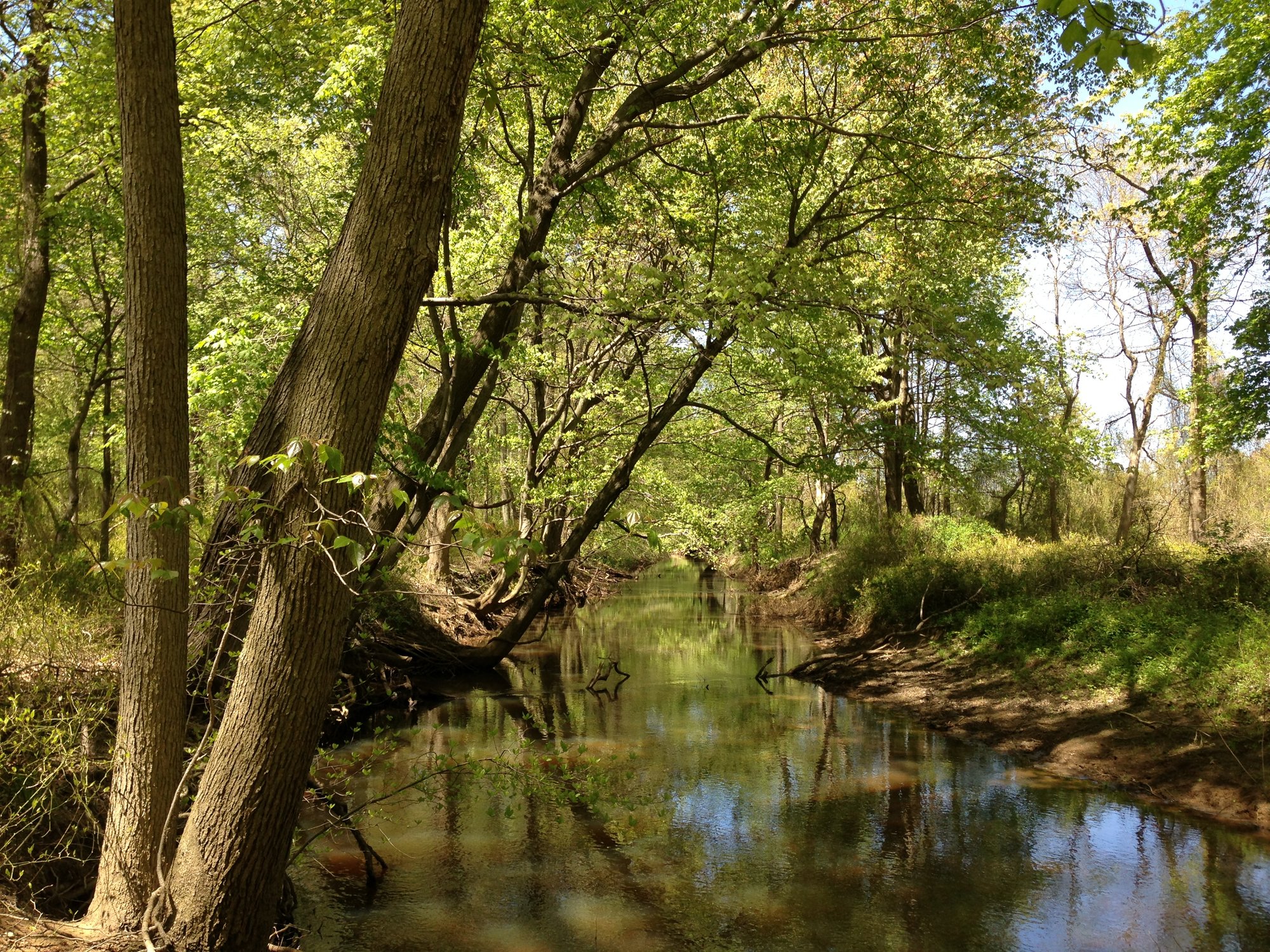
The Batsto, Mullica, Wading, and Oswego wind through Wharton State Forest in cedar-tannin water the color of strong tea, under closed canopies of pitch pine and Atlantic white cedar.
The Batsto from Quaker Bridge to Batsto Lake is the classic — narrow, shaded, tight-bend country that rewards a paddler who can read a cedar swamp.
Pinelands Adventures, run out of Shamong by the Pinelands Alliance, handles shuttles April through mid-October (last launch at 2 pm, and budget the $2. 12-per-person NJDEP livery fee).
Farther south, the Great Egg Harbor — 129 miles of Wild and Scenic designation — drains a wide arc of Pinelands wetlands toward Ocean City, with the Penny Pot to Weymouth stretch the relaxed middle.
The Maurice River carries the same character into Cumberland County, opening into Delaware Bay marshes that birders consider extraordinary. The Delaware is the other pole.
Forty miles of National Scenic and Recreational River run through the Water Gap, the largest undammed river on the Eastern Seaboard, and the rhythm of long pools and short riffles makes it the state's default first-timer water.
Watch the Montague gauge: under 4 feet you'll scrape, over 8 you need real skills, and the river closes at 15.
Reservoir releases hold a 1,750 cfs minimum at Milford-Montague through summer, which is why the Delaware floats when everything else in the state has gone dry. The free River Run Shuttle covers weekends and holidays from Memorial Day through Labor Day.
Two features earn respect — Walpack Bend, a dramatic double-reverse S near Flatbrookville, and Foul Rift below Belvidere, which is a portage call for anyone who isn't sure. Whitewater here is a February-to-April sport.
The Paulinskill, Pequest, and the South Branch of the Raritan at Lockwood Gorge run hard and cold in early spring, then go bony by June. Clove Brook is the local benchmark — a mile and a half of Class IV–V that's only there when the rain has been.
KCCNY and the AMC NY-North Jersey paddlers run these windows; outside the Delaware, club connections are how shuttles actually happen.
On the coast, JSSKA works the bays year-round and the open water when conditions allow — Sandy Hook, Barnegat, the Statue of Liberty paddle for those with a thirteen-foot boat, a skirt, and the experience to handle harbor traffic and tide.
The D&R Canal sits at the other end of the spectrum: essentially currentless, reliably paddleable, no shuttle needed. Both belong to the same state, and that's the whole point.
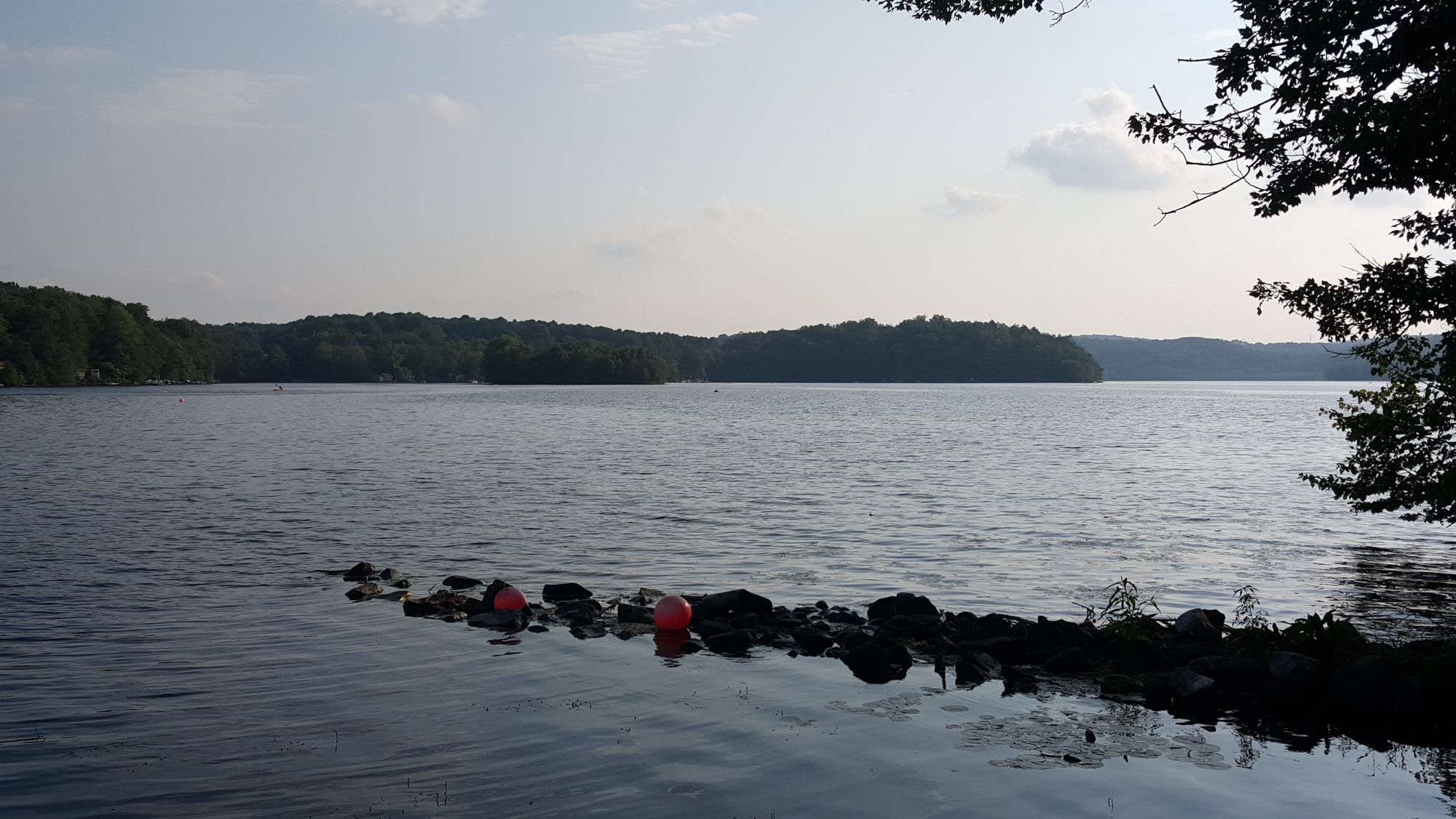
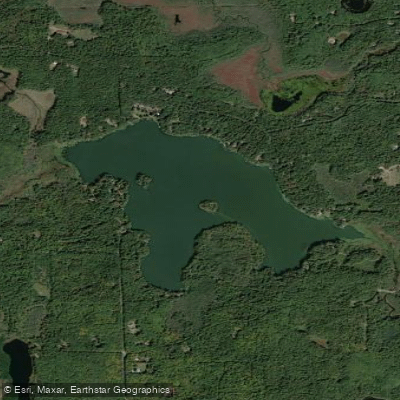
Top waters to paddle near New Jersey
Paddle smarter with real-time insights
Whether you're en route and conditions shift or you're looking for the best spot based on current flows, we enable you to make informed decisions on the fly.







New Jersey licenses and regulations
National parks in New Jersey
Explore New Jersey waters
Top paddling waters
Popular Cities
Loading popular cities...
Smarter Paddling Starts in the App.
Paddleways gives you everything you need to plan smarter, paddle better, and own every trip from first launch to takeout.