Paddling in Western Cape
- Lakes
- 434
- Rivers
- 583
- Access
- 21
- Boat Ramps
- 66
- Shops
- 0
Western Cape sits at the southwestern tip of South Africa, where the Atlantic coast curves east into the Indian Ocean and the mountains of the Cape Fold Belt push rivers down through fynbos and forest to the sea.
It's a province shaped by two very different paddling worlds: a long, varied coastline that draws sea kayakers, and a scatter of rivers and lagoons that run on winter rainfall — the opposite seasonal rhythm from most of South Africa.
That winter-rain pattern is the thing to understand first. The Western Cape gets the bulk of its precipitation between May and September, which is when rivers like the Palmiet and the Doring come alive for whitewater.
The Palmiet, running through the Kogelberg Nature Reserve near Kleinmond, is a serious piece of water — a 4-kilometre stretch with around ten rapids and very little flat water between them, operational roughly end of May through September depending on rainfall.
The Doring is one of the better-known whitewater rivers in the country. Further east along the Southern Cape, the Kaaimans grades from II up to V depending on conditions, and the Keur runs III–IV — rivers that reward paddlers who time their visit to the rains.
The coast is a different conversation. Around Cape Town, the Atlantic is cold but calm enough for sea kayaking most of the year.
Simon's Town is a regular launching point for paddlers wanting to work along the False Bay shoreline, with African penguins, Cape fur seals, and seasonal whale sightings making the marine environment as much of the draw as the paddling itself.
Langebaan Lagoon, up the West Coast, is sheltered and forgiving — the kind of place where someone new to sea kayaking can find their stroke without fighting conditions. East of Cape Town, the Garden Route coast opens up a different kind of paddling.
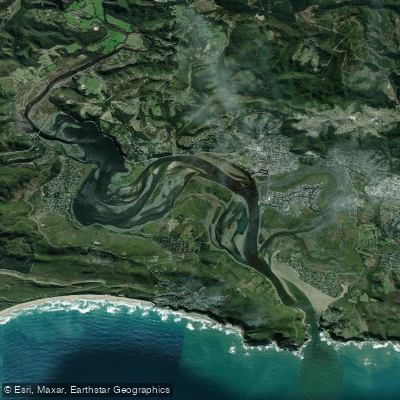
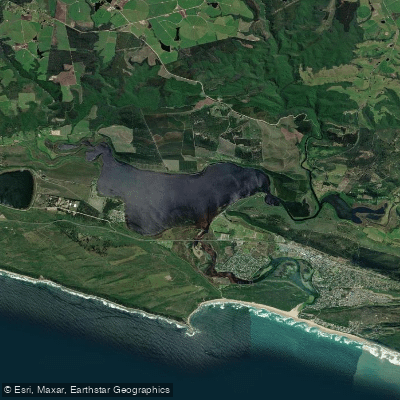
Knysna Lagoon is one of the most paddled stretches of water in the province — a large, sheltered estuary where the water is calm and the birdlife is constant.
The Keurbooms and Bietou rivers near Plettenberg Bay are popular flatwater routes, the kind of paddle where you're moving through riverine forest at a pace that lets you actually look around.
The Breede River also draws multi-day canoe trips with overnight camps on the bank. Access and conservation matter here.
The Kogelberg, where the Palmiet runs, is a UNESCO World Heritage Site and one of the most botanically significant fynbos reserves on earth — treat it accordingly.
River access in South Africa doesn't follow the same public-right-of-way logic as some other countries, so confirming put-in access before you go is worth the effort.
The Western Cape's rivers are not high-volume systems; they respond quickly to rainfall and drop just as fast, so checking conditions close to your trip date isn't optional — it's just how paddling works here.
The Atlantic stays cold year-round, the rivers peak in winter, and the lagoons and estuaries are patient enough to paddle in almost any season. That's the rhythm of the place.
Paddle smarter with real-time insights
Whether you're en route and conditions shift or you're looking for the best spot based on current flows, we enable you to make informed decisions on the fly.



Western Cape licenses and regulations
Smarter Paddling Starts in the App.
Paddleways gives you everything you need to plan smarter, paddle better, and own every trip from first launch to takeout.