Paddling in Chaco
- Lakes
- 68
- Rivers
- 50
- Access
- 0
- Boat Ramps
- 1
- Shops
- 0
Chaco is flatwater country. The province sits in the Gran Chaco lowlands of northeastern Argentina, where the land is flat, the forests are dense, and the rivers move slowly through a mosaic of wetlands, gallery forest, and seasonally flooded plains.
There are no mountains here, no rapids worth naming. What you get instead are wide, tannin-stained channels, oxbow lakes, and the kind of paddling where reading the current means watching how the trees lean.
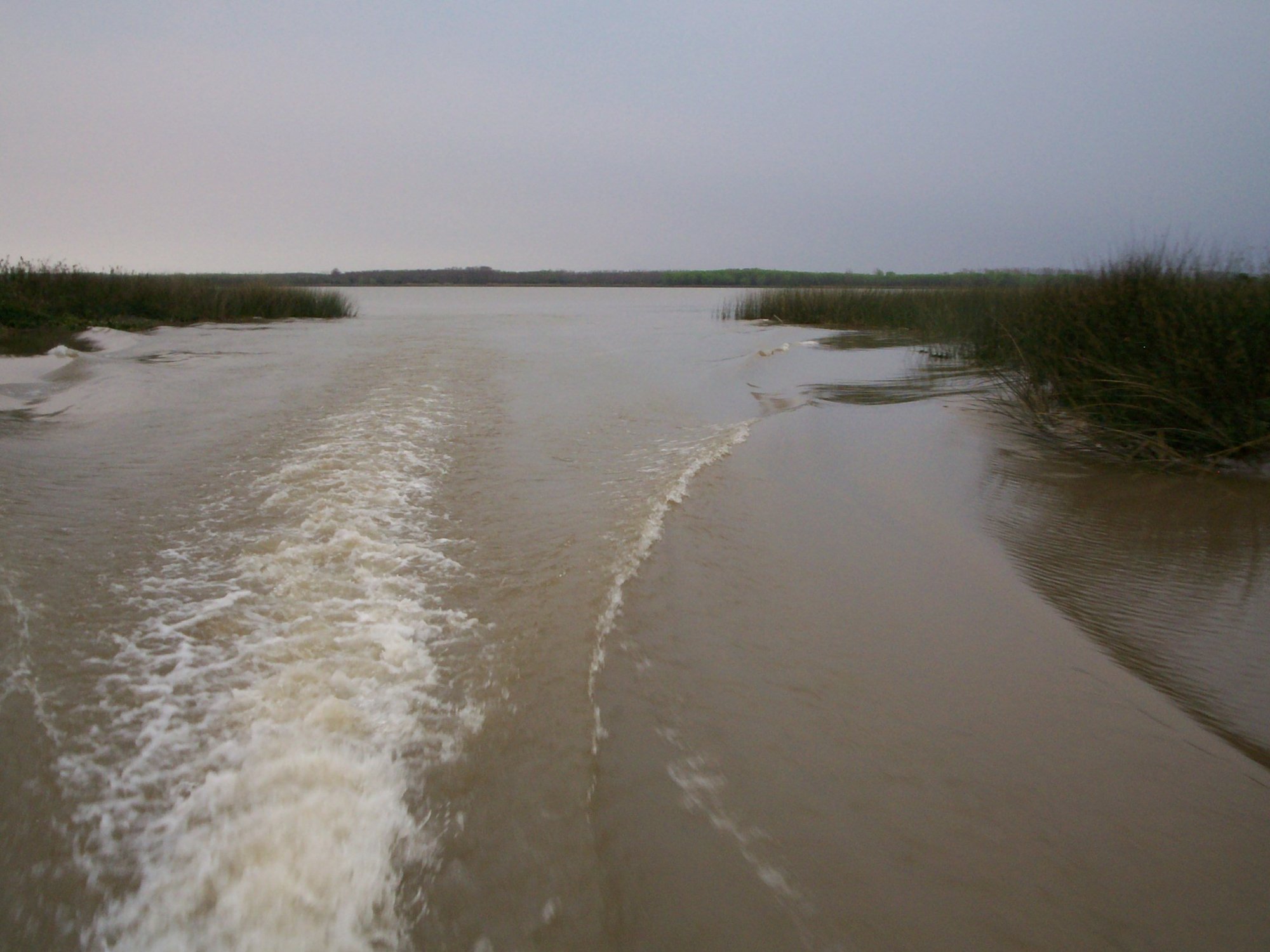
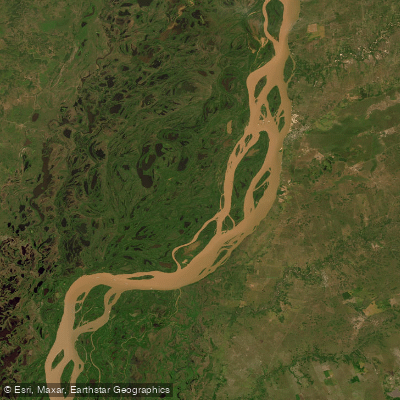
The Río Paraná forms the province's eastern boundary and is the dominant geographic fact of the region — a massive, braided river that runs high in summer (November through March) when Andean snowmelt and tropical rains push flows up dramatically.
Paddling its channels and backwaters during that season means navigating strong currents and floating debris, so local knowledge matters.
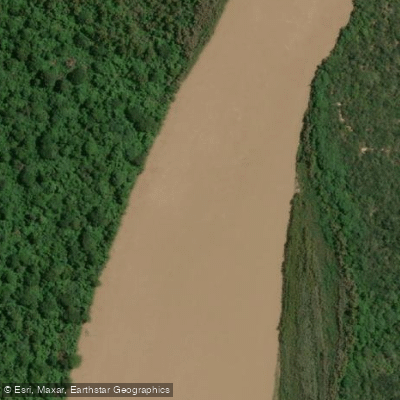
The Río Bermejo cuts across the province from west to east, a silty, powerful river that carries one of the highest sediment loads in South America.
The Wikiloc community has documented kayaking routes along the Bermejo, including a stretch from Camping La Fidelidad toward Manantiales — multi-day flatwater travel through remote Chaco scrubland. The interior rivers are quieter.
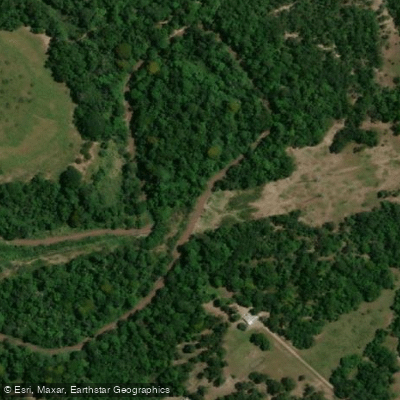
The Río Bermejito and its old channel, the Antiguo cauce del Río Bermejito, wind through the western Chaco in a landscape that sees few paddlers.
The Río Tragadero and Río Tapenagá are smaller, slower waterways typical of the Chaco's interior drainage — the kind of channels where you're more likely to spook a caiman off a mudbank than encounter another boat. The Arroyo Tucá is similarly intimate.
Parque Nacional El Chaco, in the north-central part of the province, anchors the most accessible paddling in the region.
The park protects a significant stretch of the Río Negro and surrounding wetlands, and it's the kind of place where a canoe or sit-on-top kayak fits the environment better than a whitewater boat.
Laguna Chajá adds a flatwater option for those who want calmer, more open water. The dry season — roughly May through September — generally makes for more manageable paddling on the interior rivers, with lower, clearer water and cooler temperatures.
Summer brings the water up and the heat with it; the Chaco is one of the hottest regions in Argentina, and midday paddling in January is a serious commitment.
Wildlife is the constant reward: the Chaco's rivers and wetlands support an extraordinary density of birds and reptiles, and that's as true from a kayak seat as from any trail. This is not a destination you come to for technical challenge.
You come because the Chaco's rivers are genuinely wild, the distances are long, and the silence between strokes is the whole point.
Paddle smarter with real-time insights
Whether you're en route and conditions shift or you're looking for the best spot based on current flows, we enable you to make informed decisions on the fly.







Chaco licenses and regulations
Explore Chaco waters
Top paddling waters
Popular Cities
Loading popular cities...

Smarter Paddling Starts in the App.
Paddleways gives you everything you need to plan smarter, paddle better, and own every trip from first launch to takeout.