Paddling in Santiago del Estero
- Lakes
- 32
- Rivers
- 15
- Access
- 0
- Boat Ramps
- 0
- Shops
- 0
Santiago del Estero sits in the dry Chaco lowlands of north-central Argentina, far from the Andean whitewater that draws most paddlers to the country.
This is slow-water territory — wide, warm, sediment-heavy rivers moving through scrub and salt flats, with a handful of reservoirs and shallow lakes rounding out the scene. It's not a destination you come to for gradient or technical challenge.
You come because the flatwater is genuinely vast, the birdlife is extraordinary, and the place operates on its own unhurried terms. The Río Dulce is the province's main artery and the water most paddlers will spend time on.
It drains south out of the Embalse Río Hondo — a large reservoir straddling the border with Tucumán — and that impoundment itself is worth knowing about.
The embalse is broad and sheltered enough for long touring days, and the surrounding wetlands attract serious wildlife. Water levels here are managed, which means conditions can shift depending on releases, so checking before you put in matters.
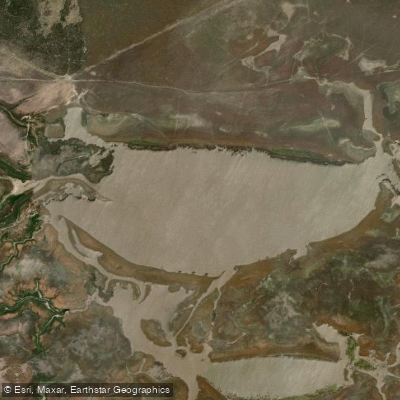
Downstream, the Río Dulce eventually loses itself in the vast shallow basin of Laguna Mar Chiquita, also called Mar de Ansenuza, which spills across into Córdoba province.
This is one of the largest salt lakes in South America, and paddling its margins puts you inside one of the continent's most significant waterbird habitats.
The scale is disorienting in the best way — more open water than you expect, with the horizon dissolving into flamingos and shorebirds. Wind is the variable that runs the day out here; the lake is shallow and exposed, and conditions can build quickly.
The Río Salado runs a different character — slower, more isolated, cutting through the western Chaco with little infrastructure along its banks.
It's the kind of river where self-sufficiency matters and the reward is solitude rather than scenery in any conventional sense.
Summer in Santiago del Estero (December through February) brings intense heat and occasional flooding that can make rivers unpredictable.
The shoulder seasons — particularly late autumn and early spring — offer more manageable temperatures and more stable water. The province is dry enough that rainfall years make a real difference to what's navigable.
This is a place for paddlers who are comfortable reading flatwater on its own terms, who carry enough water and know how to manage heat, and who find something worthwhile in a landscape that doesn't perform for visitors. The rivers here are old and patient.
They reward the same.
Top waters to paddle near Santiago Del Estero
Paddle smarter with real-time insights
Whether you're en route and conditions shift or you're looking for the best spot based on current flows, we enable you to make informed decisions on the fly.



Santiago del Estero licenses and regulations
Explore Santiago del Estero waters
Top paddling waters
Popular Cities
Loading popular cities...
Smarter Paddling Starts in the App.
Paddleways gives you everything you need to plan smarter, paddle better, and own every trip from first launch to takeout.