Paddling in Alberta
- Lakes
- 2,024
- Rivers
- 2,092
- Access
- 0
- Boat Ramps
- 158
- Shops
- 0
Alberta sits in the middle of Canada, straddling the Rockies and the Great Plains — and that geography shapes everything about paddling here.
The western edge of the province is fed by glacial snowmelt, producing cold, fast rivers that run through mountain corridors and national park backcountry. Move east and the gradient flattens, the water warms, and the pace slows into long prairie floats.
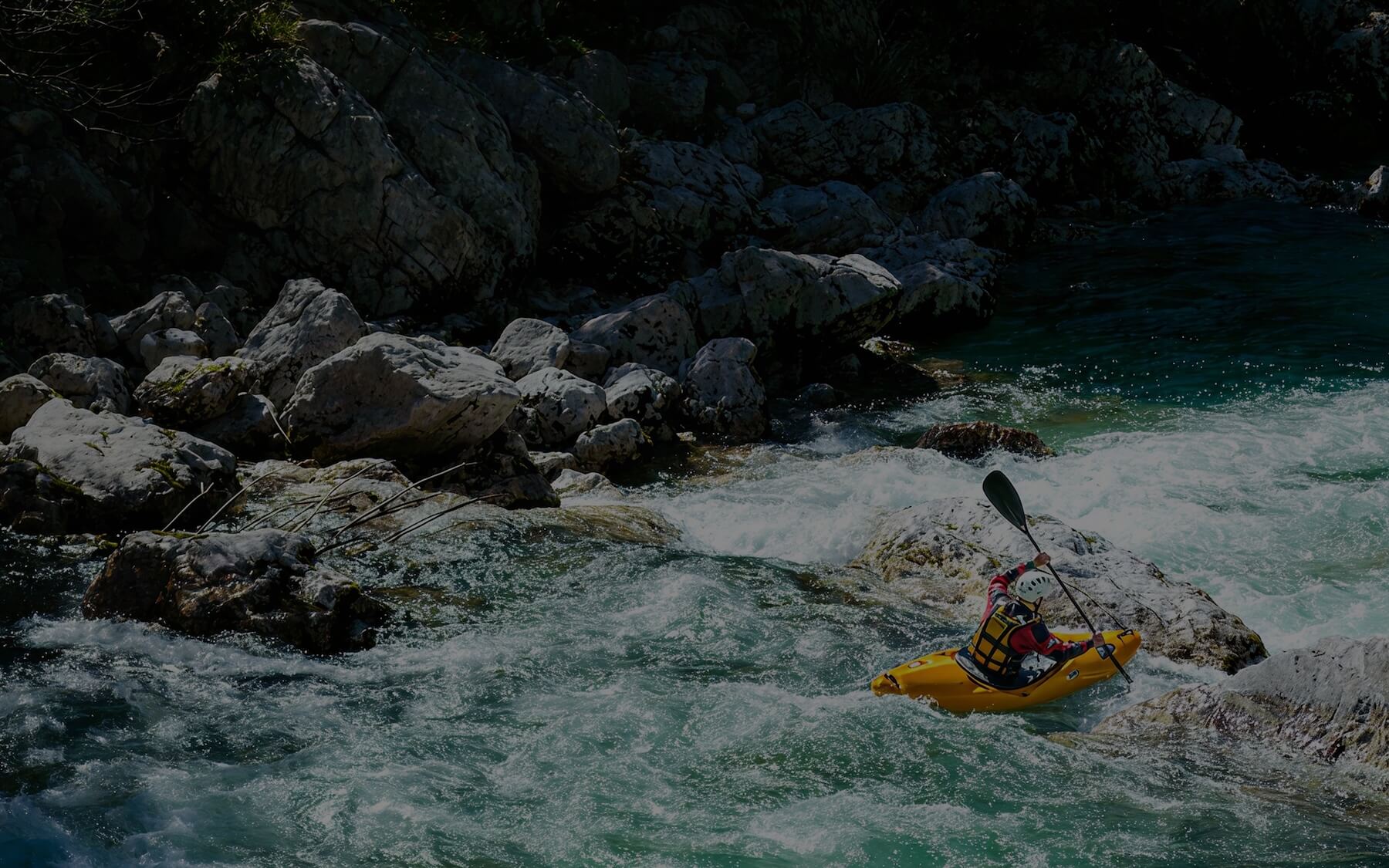
It's a province where you can run technical whitewater on a Saturday and drift a flatwater canyon the following weekend. The Kananaskis River is the axis of Alberta's whitewater scene.
It draws intermediate and advanced paddlers consistently, and the Alberta Whitewater Association — which has hosted national-level slalom events there — is based around this corridor.
The Bow River threads through Calgary and is genuinely accessible: city paddlers float it on summer afternoons, and outfitters run guided trips from within the urban stretch.
Harvie Passage, a man-made rapid on the Bow, is worth knowing before you commit to a line — stay right if you want the easier route. In Banff National Park, the rules tighten up.
Parks Canada requires an AIS Prevention Self-certification Permit for all non-motorized watercraft, and the clean-drain-dry protocol is mandatory when switching waterbodies.
Water temperature in the mountain rivers rarely climbs above 10°C, and glacial silt, sweepers, and shifting gravel bars mean conditions change faster than any guidebook can track.
The Spray River and the reaches around Banff reward canoeists willing to move carefully.
The Peace River in the north is a different animal entirely — Class I, no portages on the sections most people run, and over 1,000 kilometres of river cutting across the province. Flow rates fluctuate with releases from the W. C.
Bennett Dam upstream in British Columbia, so camping high and pulling your canoe up each night is standard practice.
It's a multi-day wilderness float that most paddlers outside northern Alberta haven't heard of, which is part of what makes it worth knowing about.
For flatwater closer to Edmonton, Astotin Lake in Elk Island National Park — a UNESCO Biosphere Reserve about 35 minutes east of the city — is a calm, family-friendly option with rentals on site.
The Athabasca River anchors longer wilderness trips in the Jasper region, where the scale of the landscape makes even a mellow float feel serious. June through September is the practical window.
Snowmelt peaks in late spring, which pushes flows up on the mountain rivers — good for whitewater, less forgiving for open canoes. By August the rivers settle and the lakes are as warm as they'll get.
Alberta's paddling scene is active and organized, with clubs running slalom programs and instruction across skill levels. The rivers here have been traveled for a long time; paddling them now carries that weight.
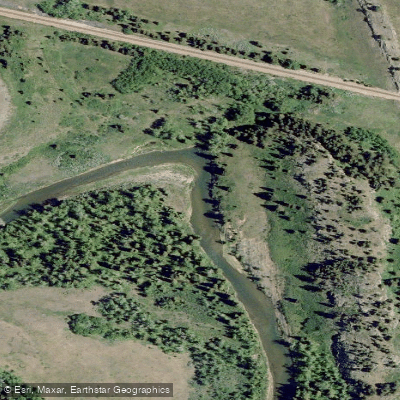
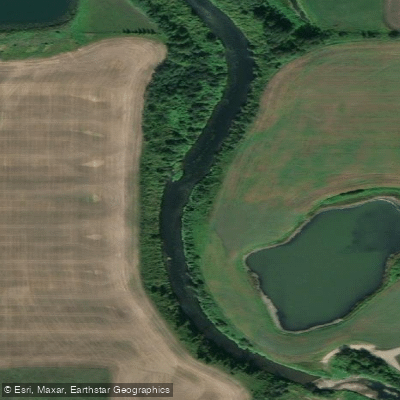
Paddle smarter with real-time insights
Whether you're en route and conditions shift or you're looking for the best spot based on current flows, we enable you to make informed decisions on the fly.
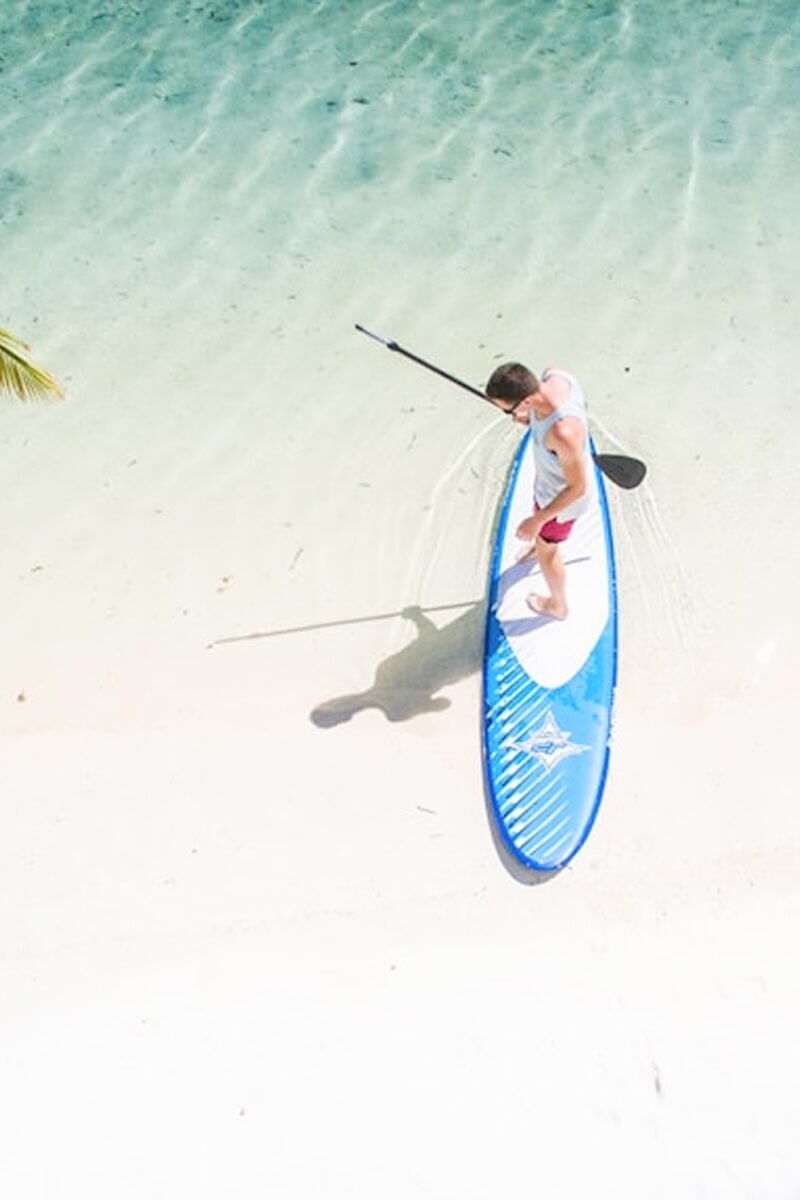
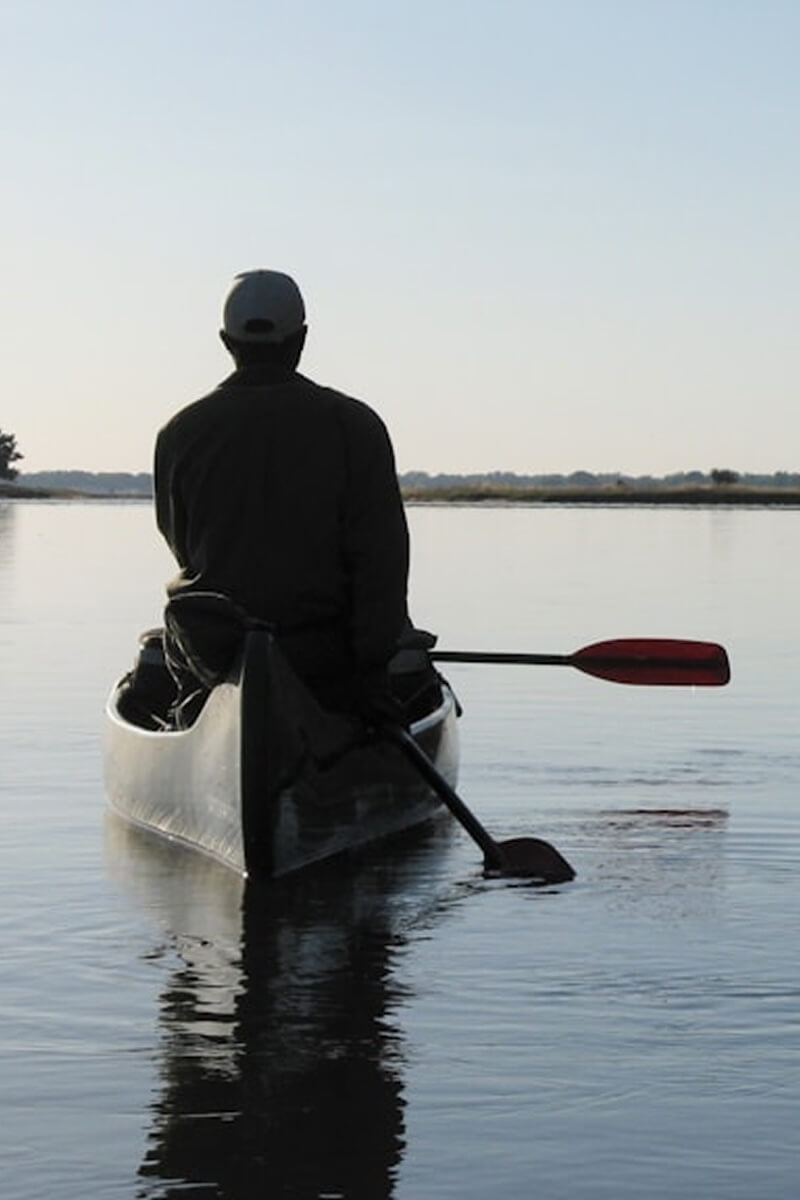

Alberta licenses and regulations
Explore Alberta waters
Top paddling waters
Popular Cities
Loading popular cities...
Smarter Paddling Starts in the App.
Paddleways gives you everything you need to plan smarter, paddle better, and own every trip from first launch to takeout.