Back River
- Lake
- Lake
- Boat Ramps
- 0
- Access Points
- 0
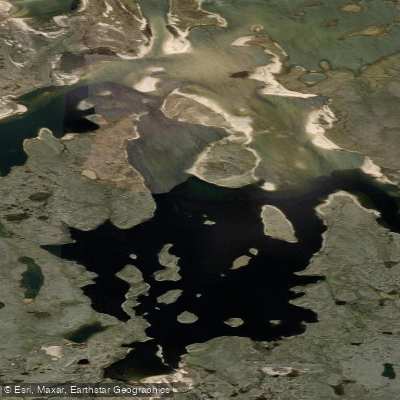
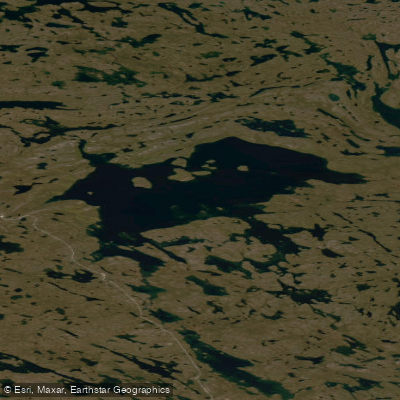
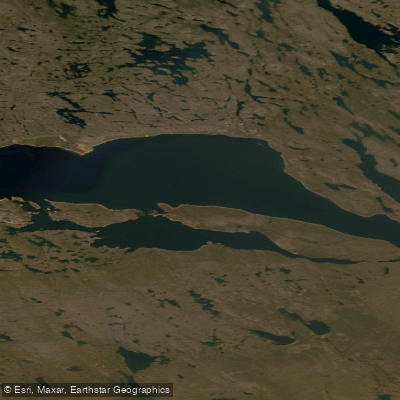
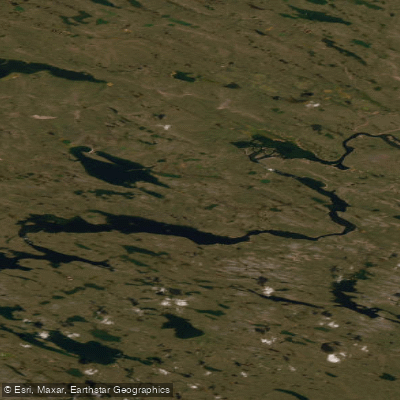
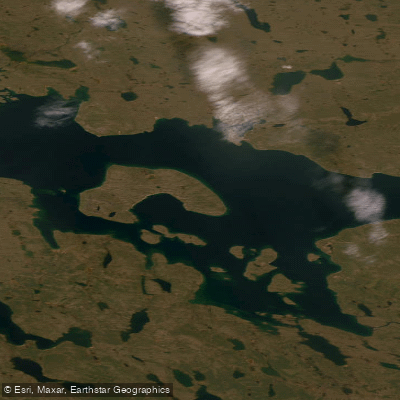
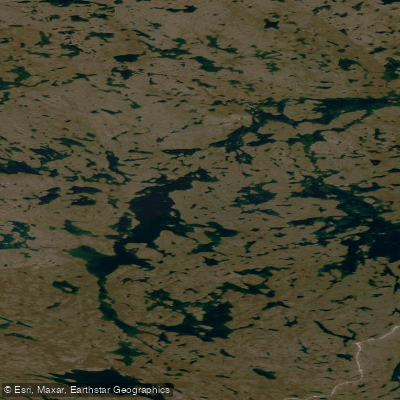
The Back River is believed to be the longest river located entirely above tree line in the Canadian Arctic, and is considered the longest river in Nunavut. It flows largely eastward before turning north to reach the Arctic Ocean at Chantrey Inlet. The full length of the river spans over 1,100 km, passing through lakes, wide river sections, fast currents, and significant whitewater. Common put-in points include Sussex Lake near the headwaters, Jim Magrum Lake, and the confluence of the Meadowbank River with the Back, approximately 200 km upstream from Chantrey Inlet. The hamlet of Gjoa Haven, accessible by fishing boat across the Northwest Passage, serves as a typical endpoint from which paddlers can fly out.
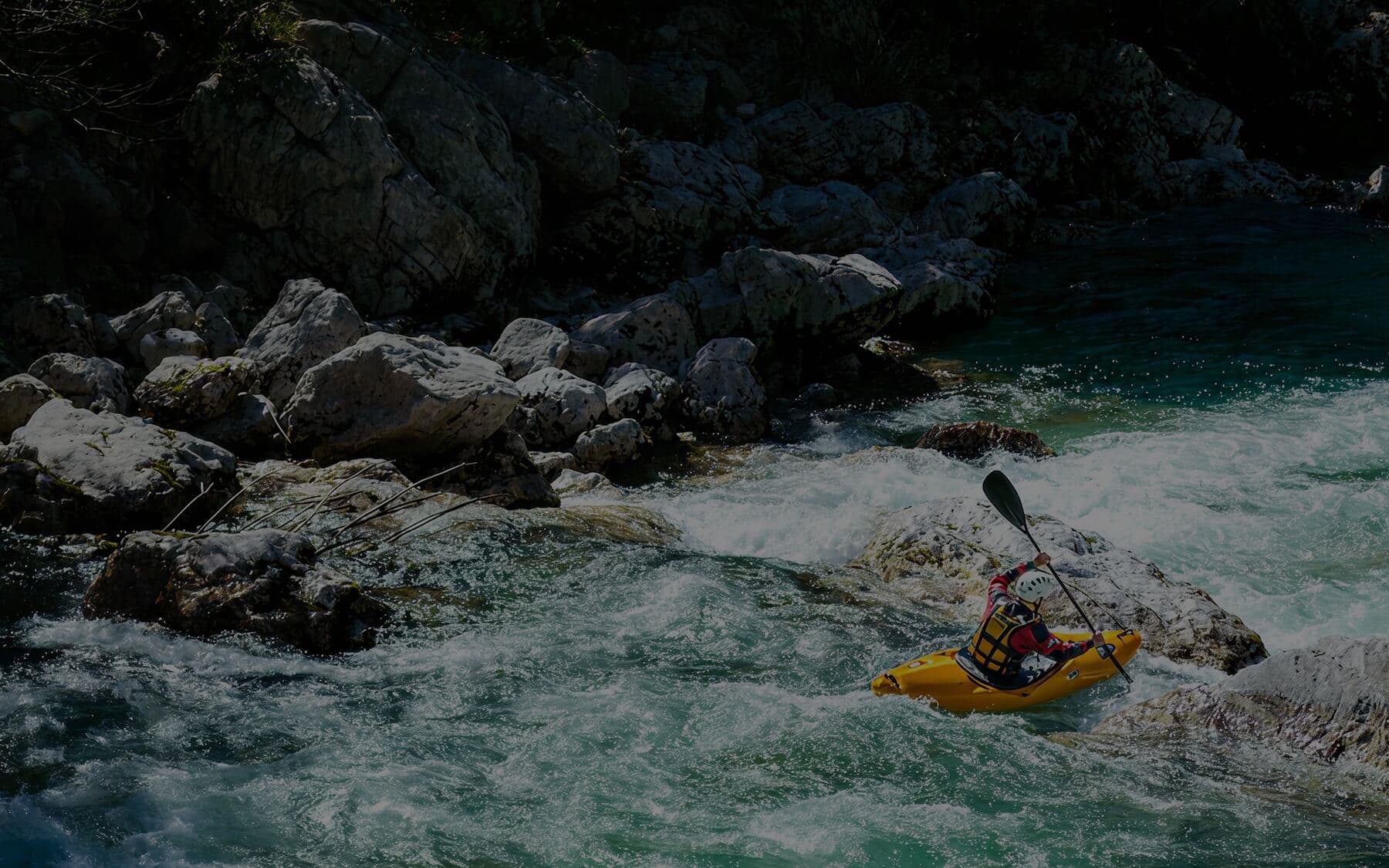
The river demands serious respect and thorough planning. There are over 80 sets of rapids along the full length, many of them two to three kilometres long. Two sections require particular attention: the Cascades at the lower end of Beechey Lake, and the end of Escape Rapids, where the river narrows dramatically and wave and hydraulic action become extremely powerful. Water levels can vary significantly between years, affecting the character of rapids and the necessity of scouting. Spray skirts are considered mandatory, and above-average whitewater skills are strongly recommended. Portaging is an option but can become very onerous given the frequency and length of the rapids. The river also passes through a wide sandy section roughly 90 km above the large lakes, where finding a navigable channel through sandbars becomes challenging.
The landscape is entirely above tree line, open tundra throughout. Paddlers commonly encounter headwinds, particularly out of the east, which can render travel on the large lakes difficult or impossible. Temperatures can be cold even in summer, with wind-driven mist and near-freezing conditions possible. Bugs, particularly mosquitoes, are a significant factor during summer travel.
Wildlife sightings are a notable feature of the river. Caribou and wolves are among the animals observed, and animal sightings have been described as exceptional compared to other Arctic rivers. The region was historically inhabited by the Caribou and Netsilik Inuit, and evidence of past occupation — including stone tent rings and Inuksuks — is visible along the shores of lakes such as Pelly Lake. Human presence along the route today is extremely sparse; one group went 34 days without encountering other people. A full descent of the river typically takes around six weeks.
Hazards
Hazards on Back River
No hazards are marked on Back River yet. That is not the same as none being there: if you find one, report it for the next paddler.
From the community
Back River trip reports
Nobody has shared a trip on Back River yet. Paddle it, then tell the next paddler how it went.
Paddling conditions (10 day forecast)
Weather and wind, so you know what to expect on Back River today.
No forecast data available.
Paddle smarter with real-time insights
Live flows, marked hazards and fresh trip reports from paddlers who were just on the water, all in one place.







Find Places to Paddle

Over 400,000 Places to Paddle
Every user gets free access to launch points, boat ramps, and public property parcels.


Explore Canada waters
Top paddling waters
No waters available right now.
Explore near Back River
Smarter Paddling Starts in the App.
PaddleWays gives you everything you need to plan smarter, paddle better, and own every trip from first launch to takeout.