Back River
- Lake
- Lake
- Boat Ramps
- 0
- Access Points
- 0
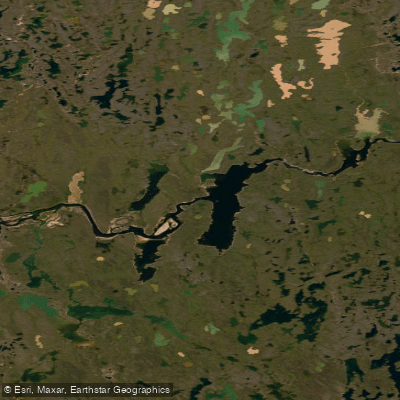
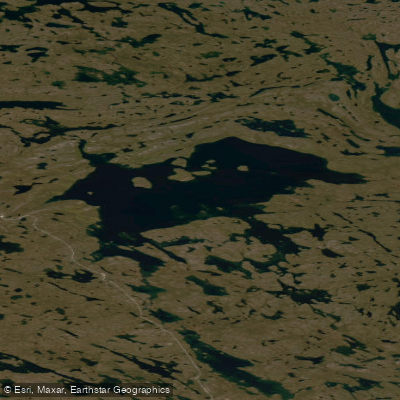
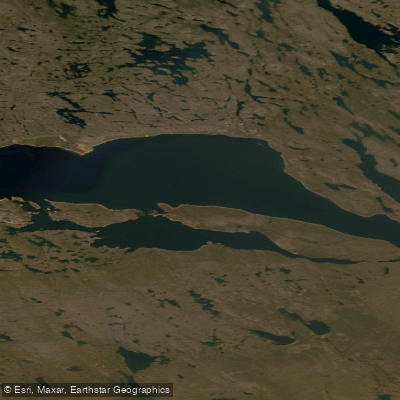
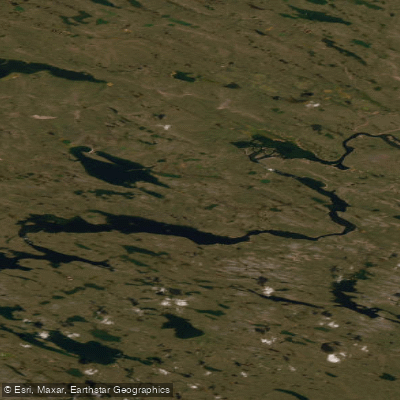
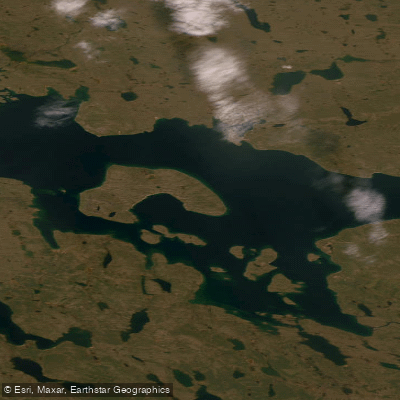
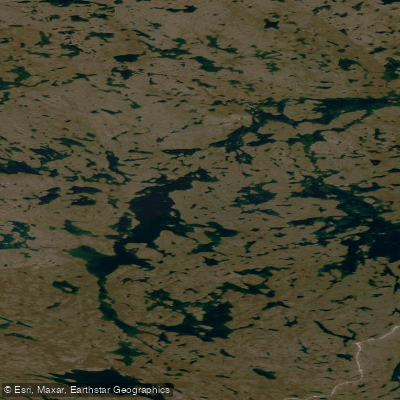
The Back River is widely regarded as the most demanding canoe route in the Canadian Arctic, running approximately 1,077 to 1,100 km from its headwaters to Chantrey Inlet on the Arctic Ocean. It is the longest river in Canada situated entirely above tree line, passing through some of the most isolated terrain on the continent. The river drops through more than 80 named sets of rapids, many of them two to three kilometres in length, interspersed with large lake crossings that present their own navigational challenges due to numerous islands, extensive bays, and the potential for severe wind and wave conditions.
Most parties fly into Sandhill Bay on Aylmer Lake by chartered floatplane from Yellowknife, a roughly two-hour flight northeast over the barrenlands. Air Tindi and other Yellowknife-based charter operators service this area during the summer season. An alternate put-in at Sussex Lake, closer to the true headwaters, is possible but involves shallow, rocky paddling and wading through the uppermost reaches before reaching navigable water. The takeout is at Chantrey Inlet, where fishing boats have been used to cross to the hamlet of Gjoa Haven, from which commercial flights return to Yellowknife. Between put-in and takeout there are no roads, no settlements, no cabins, and typically no other paddlers.
Trips launch in early to mid-July, once lake ice clears. A critical timing benchmark is to have passed Garry Lake by August 8, after which weather deteriorates rapidly with freezing temperatures, sustained headwinds, shortening days, and early snow squalls. Late-season parties on the lower river have encountered ice forming at Chantrey Inlet. For most of the route, paddlers face prevailing headwinds from the east.
Two sections demand particular attention: the Cascades at the lower end of Beechey Lake, and the end of Escape Rapids, where the river narrows significantly and wave and hydraulic action become extremely powerful. Spray skirts are considered mandatory, and above-average whitewater skills are essential, as portaging around the longer and more technical rapids can be extremely onerous. Prior experience on other barrenlands rivers — at minimum the Kazan or Dubawnt — is strongly recommended before attempting the Back.
Wildlife sightings, including caribou herds, are frequently reported as exceptional compared to other Arctic rivers. The tundra landscape turns to autumn colors by early August, and caribou begin moving south around the same time.
Hazards
Hazards on Back River
No hazards are marked on Back River yet. That is not the same as none being there: if you find one, report it for the next paddler.
From the community
Back River trip reports
Nobody has shared a trip on Back River yet. Paddle it, then tell the next paddler how it went.
Paddling conditions (10 day forecast)
Weather and wind, so you know what to expect on Back River today.
No forecast data available.
Paddle smarter with real-time insights
Live flows, marked hazards and fresh trip reports from paddlers who were just on the water, all in one place.

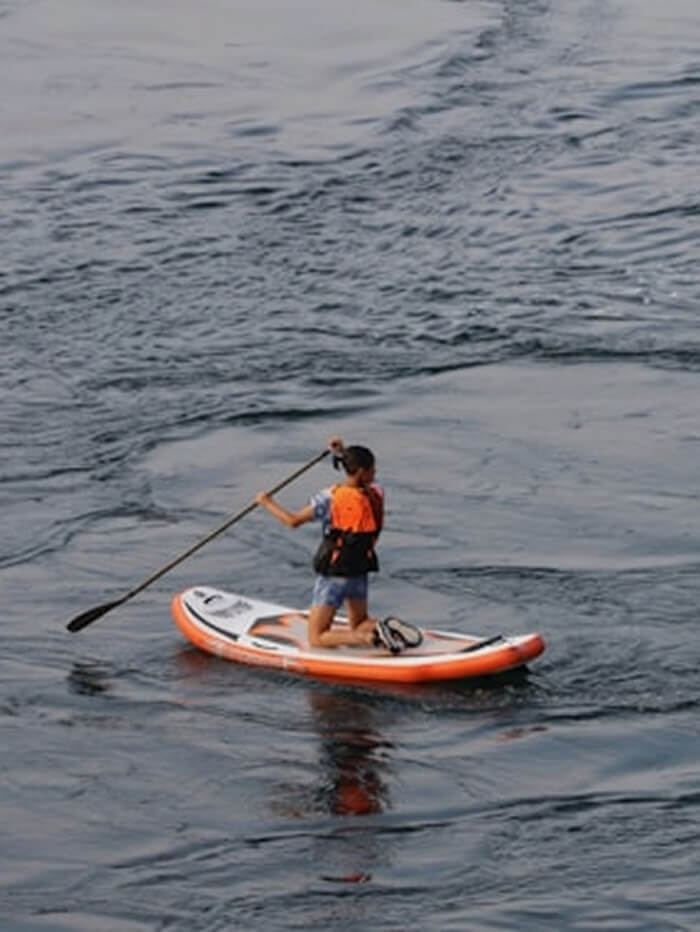
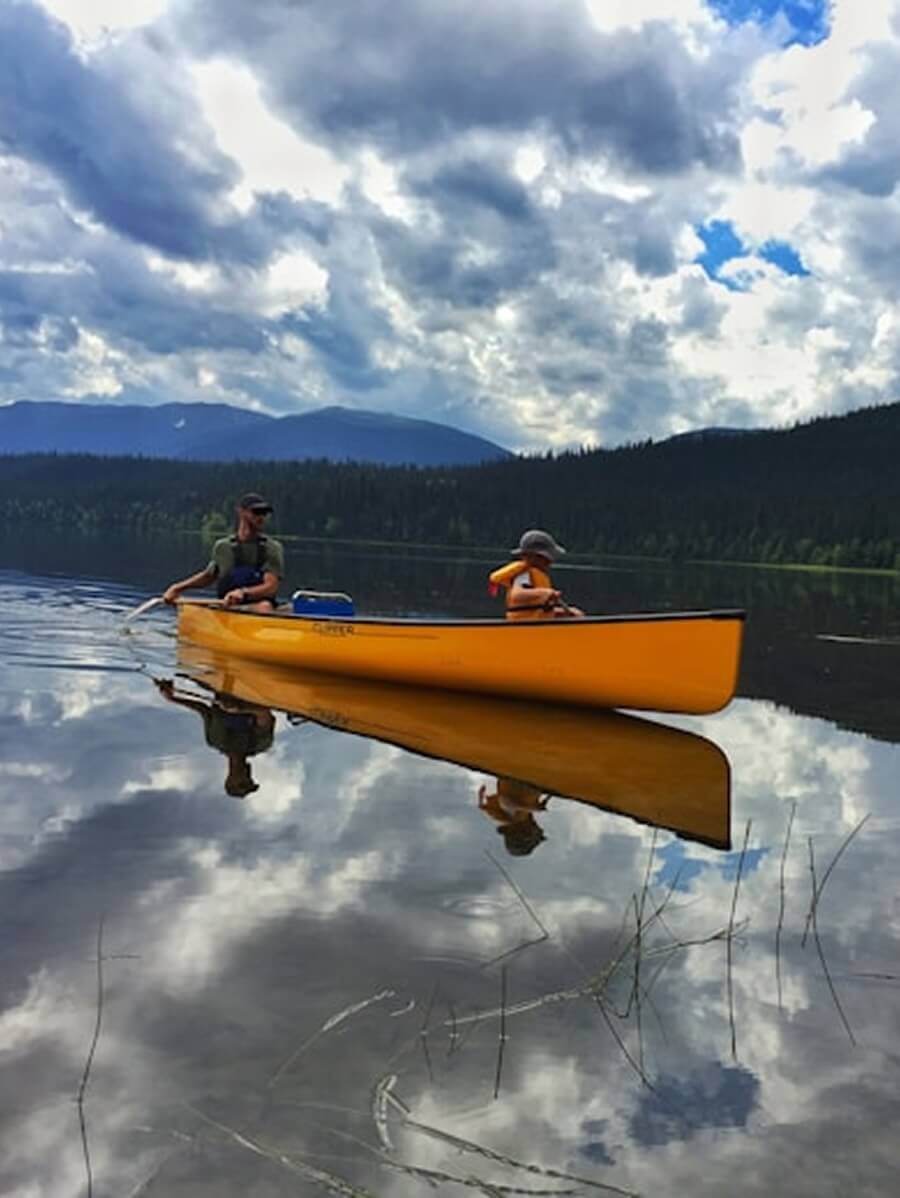
Find Places to Paddle
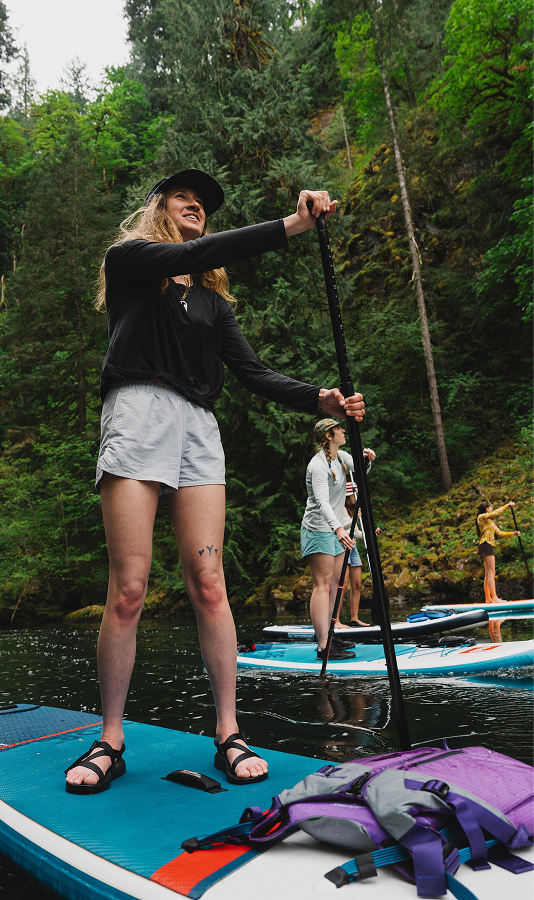
Over 400,000 Places to Paddle
Every user gets free access to launch points, boat ramps, and public property parcels.
Explore Canada waters
Top paddling waters
No waters available right now.
Explore near Back River
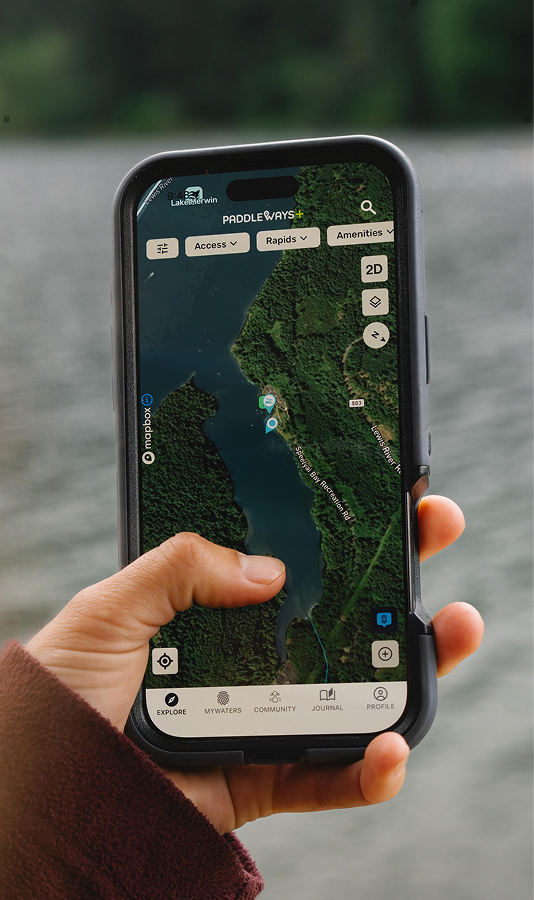
Smarter Paddling Starts in the App.
PaddleWays gives you everything you need to plan smarter, paddle better, and own every trip from first launch to takeout.