Kazan River
- Lake
- Lake
- Boat Ramps
- 0
- Access Points
- 0
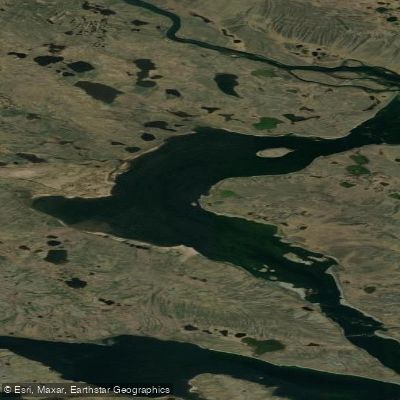
The Kazan River is a major barrenlands canoe expedition running approximately 920 to 1,000 kilometres from Kasba Lake on the 60th parallel to Baker Lake (Qamani'tuaq), Nunavut's only inland community. The river was designated a Canadian Heritage River in 1990, with a 615-kilometre protected section between the outlet of Ennadai Lake and Baker Lake, recognized for its natural landscape and its role as a migration corridor for the Qamanirjuaq caribou herd. The river has been central to the ancestral homeland of the Caribou Inuit for over 5,000 years.
The standard put-in is Kasba Lake Lodge on the northwest shore of Kasba Lake, accessible by charter flight from Winnipeg. The lodge rents canoes with spray covers and sells stove fuel. Baker Lake, at the downstream terminus, has scheduled air service to Rankin Inlet and Winnipeg. The route typically takes 29 to 41 days depending on starting point and conditions.
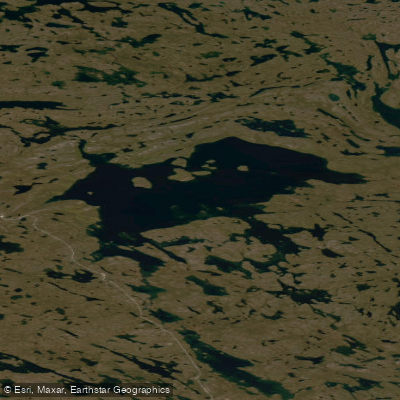
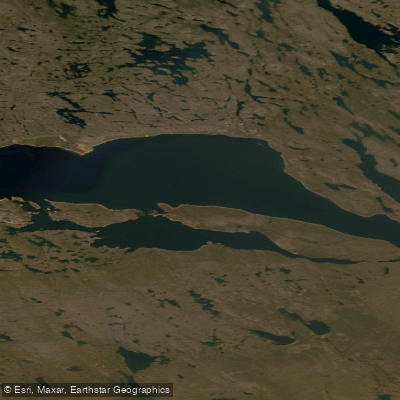
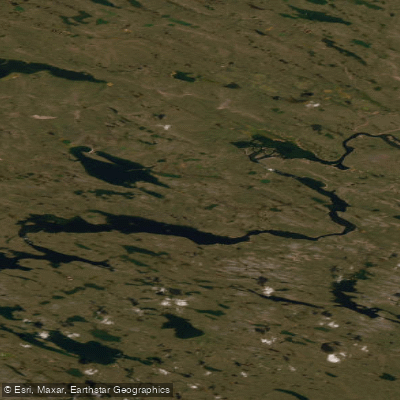
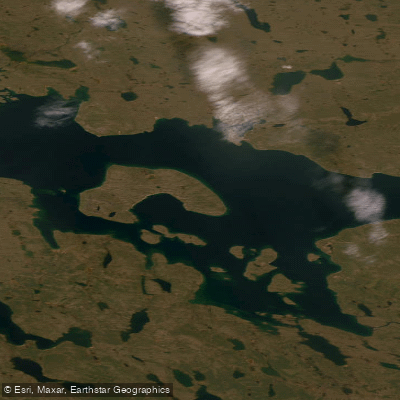
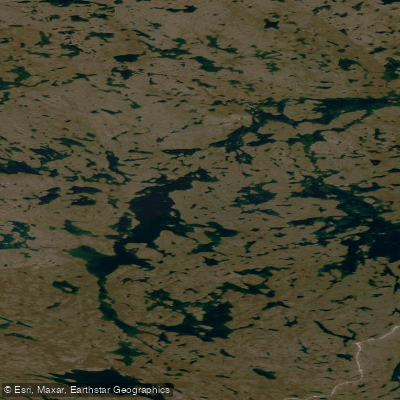
The character of the river alternates between fast-water sections and a chain of large lakes — Ennadai, Dimma, Angikuni, Yathkyed, Forde, and Thirty-Mile — linked by rapids and swift current. Persistent headwinds on the big lakes are a defining challenge. Yathkyed Lake, whose Inuktitut name Hikuligjuaq means "the great ice-filled one," can remain blocked by ice as late as July 31. The two major obstacles are the Three Cascades and Kazan Falls, which drops roughly 25 metres and then roars for two kilometres through a red sandstone canyon. The portage around Kazan Falls runs approximately one kilometre along the canyon rim on river right; a cairn with a bronze Heritage River plaque marks the midpoint, and paddlers have maintained a register there since the 1970s. A government water-resources cabin with bunk beds and a logbook sits on the riverbank above the approach to the falls.
Season is critical: launching in the first week of July is recommended, as earlier starts risk ice on Kasba and Ennadai lakes. Paddlers should plan to be off the river by mid-August. A practical navigation rule throughout: avoid paddling on the side where exposed Canadian Shield bedrock is visible, as it signals ledges and impassable drops. The opposite bank with sand, gravel, or loose stones typically offers a more gradual gradient.
Wildlife encountered along the route includes caribou, muskoxen, wolves, grizzly bears, arctic foxes, wolverines, and grayling. Historic Inuit tent rings and campsites are present throughout. Only a handful of trips are run on the Kazan each year.
Hazards
Hazards on Kazan River
No hazards are marked on Kazan River yet. That is not the same as none being there: if you find one, report it for the next paddler.
From the community
Kazan River trip reports
Nobody has shared a trip on Kazan River yet. Paddle it, then tell the next paddler how it went.
Paddling conditions (10 day forecast)
Weather and wind, so you know what to expect on Kazan River today.
No forecast data available.
Paddle smarter with real-time insights
Live flows, marked hazards and fresh trip reports from paddlers who were just on the water, all in one place.







Find Places to Paddle

Over 400,000 Places to Paddle
Every user gets free access to launch points, boat ramps, and public property parcels.


Explore Canada waters
Top paddling waters
No waters available right now.
Explore near Kazan River
Smarter Paddling Starts in the App.
PaddleWays gives you everything you need to plan smarter, paddle better, and own every trip from first launch to takeout.