Paddling in Biobío
- Lakes
- 151
- Rivers
- 119
- Access
- 96
- Boat Ramps
- 3
- Shops
- 0
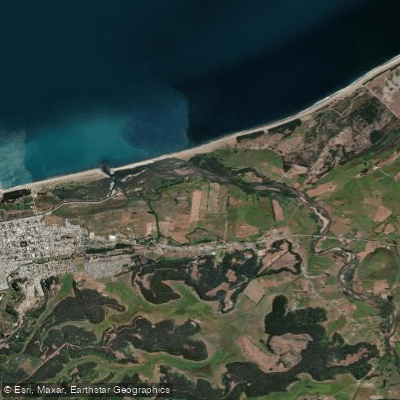
Biobío sits in central Chile, where the Andes begin their long descent toward the Pacific and the rivers run hard and cold out of volcanic highlands.
This is whitewater country at its core — a region built around one of the most storied rivers in the southern hemisphere, fed by tributaries that drain snowmelt and rainfall through deep Andean canyons before broadening into the agricultural lowlands near the coast.
The Río Biobío is the river that defines the region, and its history is inseparable from its paddling.
From its first descent in 1978, it earned a reputation as one of the premier whitewater rivers anywhere — not for sheer volume or length alone, but for the combination of big, technical rapids, remote canyon scenery, and the kind of sustained commitment that multiday wilderness runs demand.
That reputation came with a cost. The Ralco and Pangue dams, completed in 1994 and 2004, drowned the heart of the upper river and displaced Mapuche-Pehuenche communities who had lived along its banks for generations. A third dam followed.
The fight over those projects sparked Chile's first major socio-ecological movement, led by the Mapuche-Pehuenche people whose relationship with the river runs far deeper than recreation. Two more dams remain proposed.
Paddlers arriving here should know this history — it shapes everything from water levels to community relationships on the river. What the dams didn't erase is the Alto Biobío's tributaries.
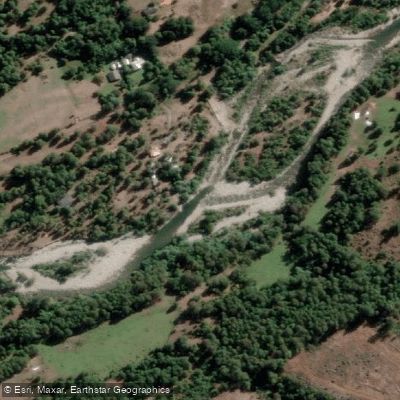
The Río Laja, the Río Queuco, and the Río Duqueco all drain the same volcanic highlands and carry serious whitewater character. The Río Lolco feeds into this system from the upper basin.
These rivers run through landscapes that were once described as the most biologically diverse in Chile, and remnants of that wildness persist in the riparian corridors and Andean forest that line the upper drainages.
Dam operations on the Biobío itself create a real hazard that goes beyond normal flood risk. Release schedules change without warning, and the consequences have been fatal for people on or near the water.
If you're paddling anywhere in the lower Biobío system, treat any sudden rise in flow as an emergency and know your exit options before you put in. This isn't a theoretical risk.
On the ground today, organizations like Bestias del Sur Salvaje and the Kayakimün program — rooted in the Mapuche-Pehuenche community at Alto Biobío — are building local paddling culture and river stewardship from within the communities most affected by the dams.
Kayakimün trains Indigenous women and youth in whitewater safety and river rescue, framing the river not as an amenity but as ancestral territory worth defending. For visiting paddlers, engaging with that context respectfully matters.
The Río Biobío still runs, and it still pulls people. But come here understanding that the river carries weight beyond the gradient.
Paddle smarter with real-time insights
Whether you're en route and conditions shift or you're looking for the best spot based on current flows, we enable you to make informed decisions on the fly.



Biobío licenses and regulations
Explore Biobío waters
Top paddling waters
Popular Cities
Loading popular cities...

Smarter Paddling Starts in the App.
Paddleways gives you everything you need to plan smarter, paddle better, and own every trip from first launch to takeout.