Paddling in England
- Lakes
- 3,363
- Rivers
- 13,274
- Access
- 1,167
- Boat Ramps
- 255
- Shops
- 0
England sits in the southern half of Great Britain, and its paddling scene is shaped by that geography: relatively modest elevation, dense river networks draining toward the North Sea and the English Channel, a long and varied coastline, and a canal system that still carries more boats than most people expect.
It's not Scotland — the rivers are shorter, the drops less dramatic — but that undersells what's actually here. Whitewater, flatwater touring, sea kayaking, and canal paddling all have genuine homes in England, and the community around them is serious.
Access is the thing you need to understand before anything else. On the sea, tidal water, and estuaries, you paddle freely. On canals and statutory navigations — roughly 4,500 kilometres of them — a Paddle UK membership covers your licence.
But on most rivers in England, the picture is contested. Around 96% of waterways sit in legal grey territory, with ongoing disagreement between paddlers and landowners over navigation rights.
Paddle UK is the body to consult before you put in on an unfamiliar river; they track where access agreements exist and where they don't. For whitewater, Dartmoor is the place most coaches point to first.
The concentration of rivers draining off the moor — the Teign among them — packs a lot of variety into a small area, from introductory gradient to technical runs.
Northern England has its own following: the rivers coming off the Pennines and the Lake District fells, including the Lune and the Derwent, run best in autumn and winter when rainfall is reliable.
These are lake-fed or rain-dependent systems, so timing matters — a dry spell can leave you scraping. The Canal and River Trust network is a different kind of paddling entirely.
The canals are slow, accessible, and genuinely pleasant for touring, especially in spring and early summer before holiday boat traffic peaks.
Rivers like the Great Ouse and the Waveney in East Anglia suit open canoes and relaxed kayak touring — wide, calm, and rich with birdlife, though the flatness of the landscape means you're reading the water for current rather than gradient.
Sea kayaking along the English coast rewards people who've done their homework on tides and weather.
The English Channel coast and the waters around the southwest peninsula are the most paddled, with sea cave exploration and headland crossings available to those with the navigation skills to manage them.
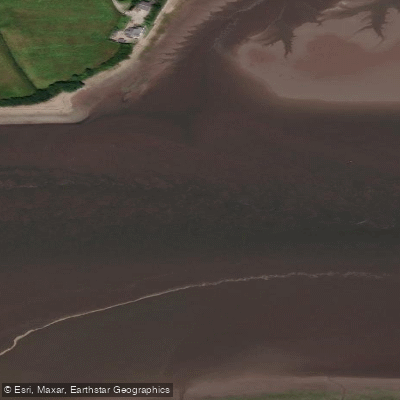
Morecambe Bay, on the northwest coast, is a reminder of how quickly conditions can change — tidal range and wind exposure demand respect.
England won't give you the raw wilderness of the Scottish Highlands, but it has more going on than its reputation suggests. The rivers are there. The coast is there.
The access fight is real, and worth following — how it resolves will shape where English paddling goes next.

Paddle smarter with real-time insights
Whether you're en route and conditions shift or you're looking for the best spot based on current flows, we enable you to make informed decisions on the fly.







England licenses and regulations
Explore England waters
Top paddling waters
Popular Cities
Loading popular cities...
Smarter Paddling Starts in the App.
Paddleways gives you everything you need to plan smarter, paddle better, and own every trip from first launch to takeout.