Paddling in Cairngorms National Park
- National Park
- Lakes
- 119
- Rivers
- 887
- Access
- 11
- Boat Ramps
- 0
- Shops
- 0
The Cairngorms is Scotland's largest national park, and while its reputation runs to mountains and moorland, the park holds a substantial network of rivers and lochs that draw paddlers across a wide range of disciplines.
The water here drains off high plateau and through ancient Caledonian forest, and it moves with purpose. The River Spey is the axis of paddling in the park.
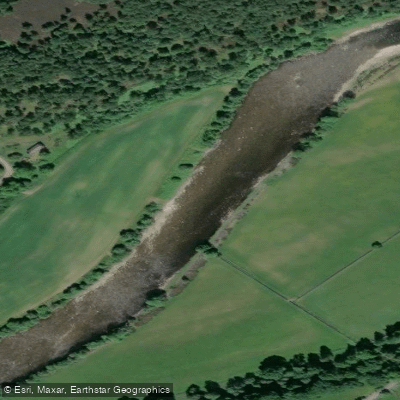
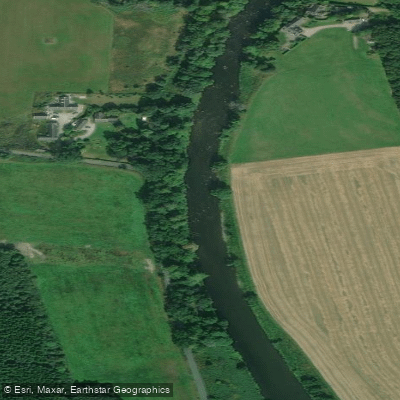
Scotland's fastest-flowing river, it runs 108 miles from its source to the North Sea, and the sections through the Cairngorms — typically picked up around Nethy Bridge — give consistent grade 2+ water that runs year-round, fed by a large catchment that keeps levels up even in dry spells.
Named rapids like the Washing Machine and Knockando are landmarks on guided raft trips; the same water suits canoes and kayaks on multi-day expeditions. Three to four days is a reasonable commitment for paddling the Spey through the park to the coast.
The River Garry and River Findhorn sit at the harder end of the spectrum. The Garry draws adult groups looking for something more demanding than the Spey.
The Findhorn, though it runs outside the park boundary, is regularly paired with Cairngorms-based operators and carries grade 3–4 rapids, occasionally grade 5, on entirely natural flow. Loch Insh and Loch Morlich anchor the flatwater and skills side of things.
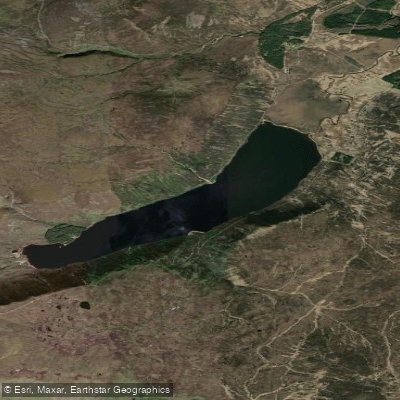
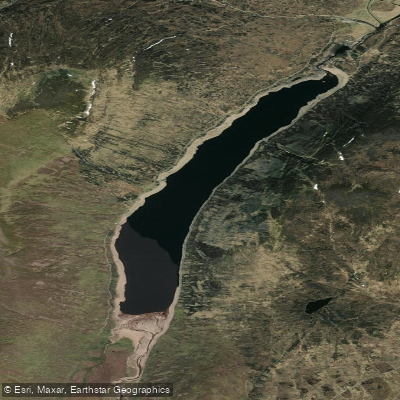
Both have dedicated watersports centres with kit hire, coaching, and café facilities — Loch Insh runs guided Beaver Trail river trips as well as kayak instruction. These are the practical starting points for anyone new to the area or new to the sport.
The park's rivers are shared water. Anglers have a long-standing presence on the Spey and Dee in particular, and the park asks paddlers to communicate clearly when passing — get the angler's attention and follow their direction on which side to pass.
Some lochs carry zoned conservation areas or seasonal restrictions to protect nesting wildlife; follow on-site signage. Motorised watercraft, including e-foil boards and electric paddleboard motors, are excluded from access rights without landowner permission.
Scotland's Land Reform Act gives paddlers the right of responsible access to most inland water in the park, but that access carries the weight of the Scottish Outdoor Access Code: respect other users, protect the environment, take responsibility for your own decisions.
Cold water and rapidly changing mountain weather are not abstractions here — they are the conditions you plan around.
Top waters to paddle near Cairngorms National Park
Water and weather conditions (10 day forecast)
See the best times to paddle Cairngorms National Park and check the forecast before you go.
No forecast data available.
Paddle smarter with real-time insights
Whether you're en route and conditions shift or you're looking for the best spot based on current flows, we enable you to make informed decisions on the fly.







Paddling near Cairngorms National Park
Loading...
Gateway towns
Where to base yourself for paddling in Cairngorms National Park.
- AviemoreHighland
The park's main hub, with the widest range of lodging, gear shops, guides, and direct access to the Cairngorm mountains.
- BallaterAberdeenshire
Primary base for the eastern Royal Deeside side of the park, with hotels, B&Bs, and access to Balmoral and the Dee valley.
- BraemarAberdeenshire
Small village deep in the park on upper Deeside, serving as the closest base for the high Cairngorm plateau from the east.
- Grantown-on-SpeyHighland
Victorian town on the northern edge of the park offering accommodation and a quieter base for Strathspey and the whisky trail.
- KingussieHighland
Badenoch town on the A9 and rail line, used as a quieter alternative base to Aviemore for the central and southern park.
Explore Cairngorms National Park
Top paddling waters
Popular Cities
Loading popular cities...
Smarter Paddling Starts in the App.
Paddleways gives you everything you need to plan smarter, paddle better, and own every trip from first launch to takeout.