Paddling in Drenthe
- Lakes
- 109
- Rivers
- 184
- Access
- 37
- Boat Ramps
- 0
- Shops
- 2
Drenthe is flatwater country, plain and simple.
This northeastern Dutch province sits on a low plateau of heath, peat bog, and farmland, and its paddling reflects that landscape entirely — quiet streams, restored natural waterways, and a handful of lakes where the wind is often the biggest variable you'll face.
There's no gradient to speak of, no whitewater, no tidal influence. What you get instead is some of the most ecologically intact moving water in the Netherlands, and a pace that rewards patience.
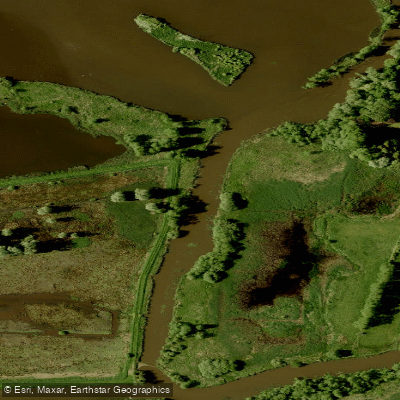
The Drentsche Aa is the water that defines the province's paddling identity.
It's widely regarded as one of the most natural river systems in the Netherlands — a slow, winding stream through heathland and wet meadows that has largely escaped the heavy channelization that reshaped most Dutch waterways.
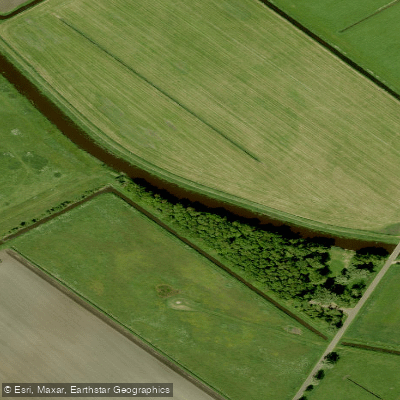
The Hunze runs a similar character, a restored lowland stream that meanders through the eastern part of the province. These are intimate paddles, measured in hours rather than days, where overhanging alder and the occasional heron are the landmarks.
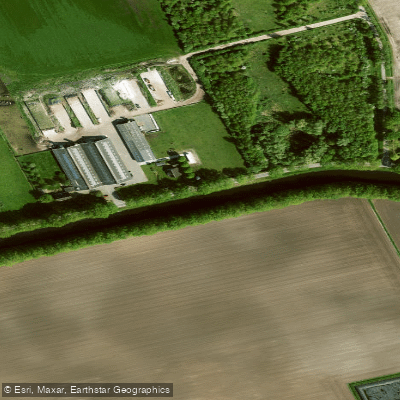
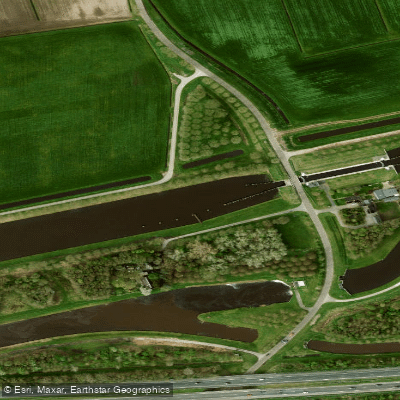
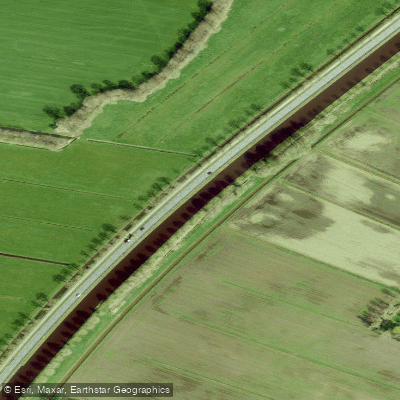
The canal network tells a different story. The Drentsche Hoofdvaart, the Hoogeveensche Vaart, and the Verlengde Hoogeveensche Vaart are old peat-transport canals — straight, open, and exposed to the wind — that cross the southern part of the province.
They're less scenic than the natural streams but connect well for longer touring routes. The Kanaal Coevorden-Zwinderen fits the same mold.
These waterways were built to move peat, not paddlers, but they're navigable and useful if you're linking sections together.
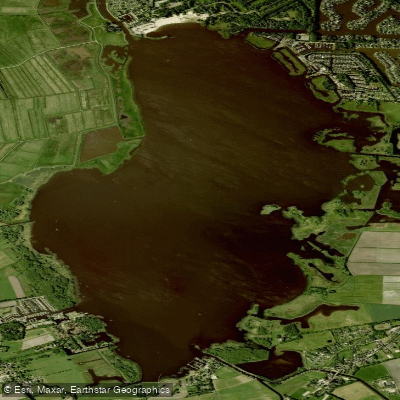
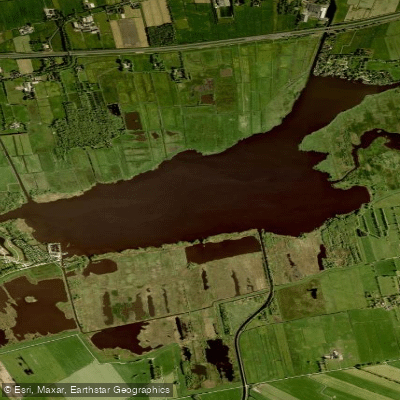
For lake paddling, the Leekstermeer sits on the provincial border and is well set up for beginners and families, with canoe rental and a jetty at the campsite put-in. The Zuidlaardermeer, also on the edge of the province, is larger and more open.
Both reward an early start when the wind is still. Smaller waters like the Beilerstroom — around 5 kilometres of gentle stream — and the Voorste Diepje offer short, low-key paddles that suit an afternoon rather than a full day.
The Grolloërdiep and Nijeveense Grift are in the same category: minor waterways that show up on detailed maps and reward explorers willing to go slow.
Spring and early summer tend to bring the best water levels on the natural streams, and the landscape is at its most alive then. Summer is busier on the lakes.
The canal routes paddle year-round in reasonable weather, though wind across open peat country can make them work. Drenthe won't challenge you technically.
But if you want to paddle water that still feels like it belongs to the land around it, the Drentsche Aa and Hunze make a strong case for slowing down and paying attention.
Top waters to paddle near Drenthe
Paddle smarter with real-time insights
Whether you're en route and conditions shift or you're looking for the best spot based on current flows, we enable you to make informed decisions on the fly.



Drenthe licenses and regulations
Explore Drenthe waters
Top paddling waters
Popular Cities
Loading popular cities...
Smarter Paddling Starts in the App.
Paddleways gives you everything you need to plan smarter, paddle better, and own every trip from first launch to takeout.