Cook Inlet
- Saltwater
- Inlet
Cook Inlet
- Saltwater
- Inlet
- Sq. miles
- 2,772
- Boat Ramps
- 0
- Access Points
- 0
- Campsites
- 3
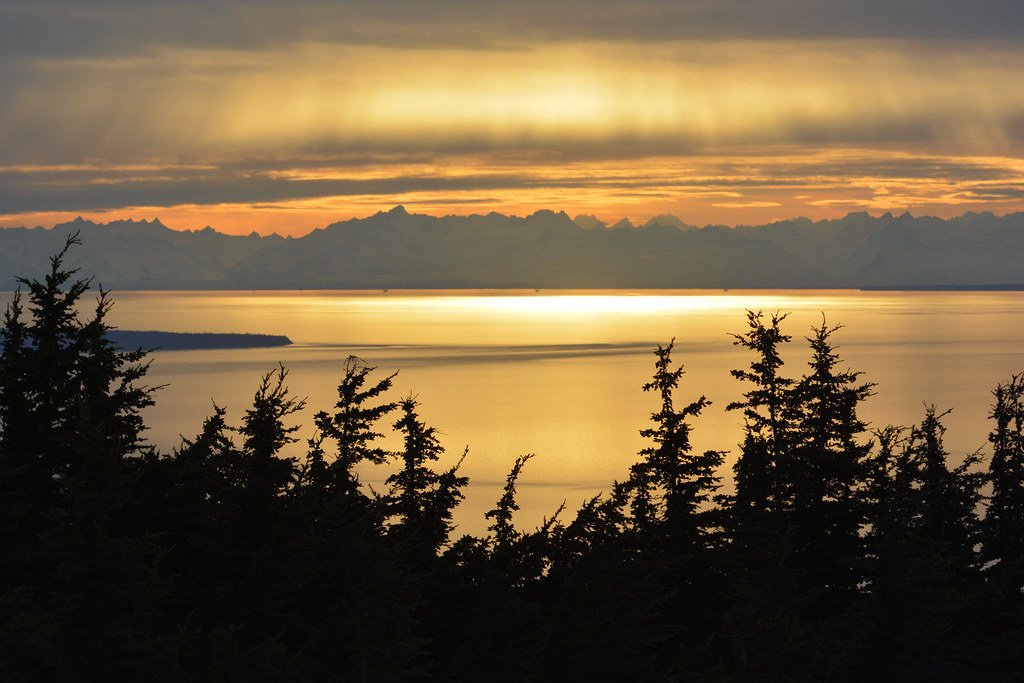
Cook Inlet is a large, dynamic saltwater inlet in southcentral Alaska, bordered by the Chugach Mountains and the Kenai Peninsula. It is a historically significant paddling area, with Alaska Native people having used sea kayaks along its coast. The inlet's overall character is one of a powerful, exposed marine environment with strong tidal influences, contrasting sharply with the protected waters found in nearby Prince William Sound or local lakes. Paddling here requires significant preparation and respect for its conditions. The inlet experiences extreme tidal exchanges, which generate powerful currents, particularly in constricted areas. These currents are a major hazard, and crossing the inlet should only be attempted by experienced paddlers, ideally timed for slack tide to minimize their strength. The water is cold year-round, and the area is also prone to high winds, which can create challenging wave conditions, especially given the inlet's long fetch. Launching from beaches directly onto the inlet, such as at Anchor Point or Whiskey Gulch, can involve navigating a surf zone, with conditions varying based on tide and weather. Boat traffic is a consideration, as the inlet serves as a navigation channel; paddlers must stay well clear of vessels.
Access points for paddlers are spread along the shores. Public boat ramps like Kalisof Harbor near Kasilof and Deep Creek Launch provide concrete access to the water. Kalisof Harbor is noted for offering generally calm, sheltered water suitable for beginners, with amenities including a parking lot. Other launch points include beach launches at Whiskey Gulch and Anchor Point, though these are more technical due to wave action. The mouth of the Kenai River also serves as a take-out point for paddlers descending that river, which is tidal for many miles upstream. For a more remote experience, services like Silver Salmon Creek Lodge offer fly-in kayak trips to secluded bays and sloughs within the inlet, where high tides provide access to serene, wildlife-rich waterways. The best time for paddling Cook Inlet is during the summer months, from June through August. Wildlife sightings can include beluga whales, bears, bald eagles, and sea birds. The scenery is dramatic, featuring views of the Anchorage skyline, the volcanic Augustine Island, and the glaciated peaks of the Chugach Mountains.
Water access, boat ramps & amenities
Learn how to get on Cook Inlet. Uncover great paddling access points, boat ramps, and all the facilities you need for an unforgettable day on the water. Some locations shown may border or include private property. Always check property boundaries and applicable regulations before visiting. PaddleWays's Public & Private Land layer can help you plan your access with confidence.

Paddle smarter with real-time insights
Whether you're en route and conditions shift or you're looking for the best spot based on current flows, we enable you to make informed decisions on the fly.







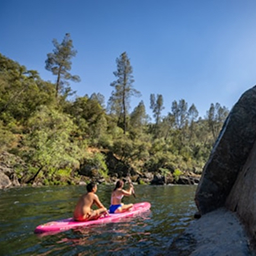
Find Places to Paddle

Over 400,000 Places to Paddle
Every user gets free access to launch points, boat ramps, and public property parcels.
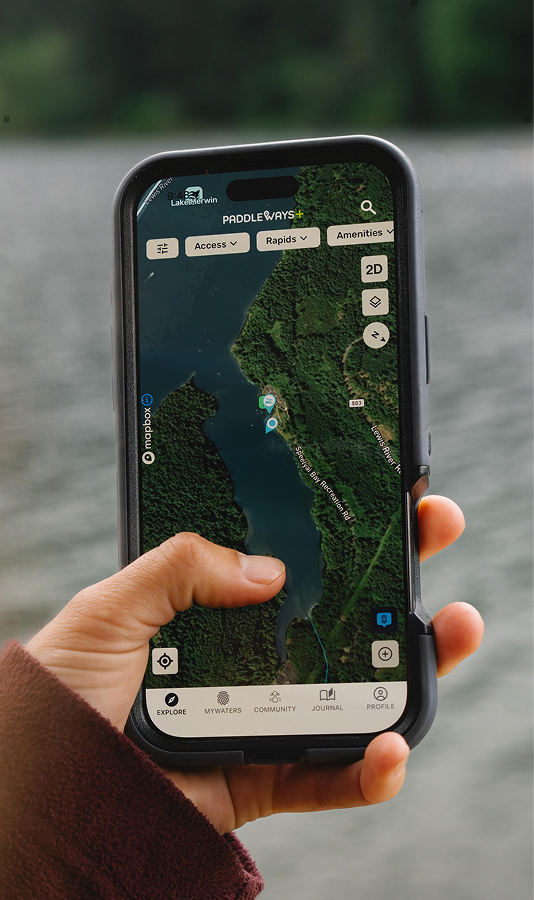

Tides, wind & water conditions (10 day forecast)
On open water, wind and tide matter as much as the weather. See the best times to paddle Cook Inlet and check the marine forecast before you launch.
Loading tide predictions…
Paddling near Cook Inlet
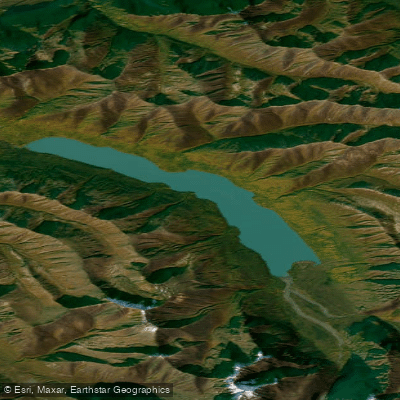
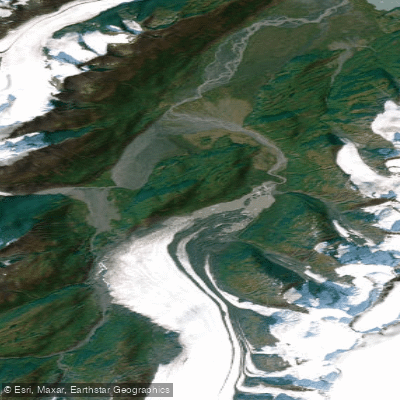
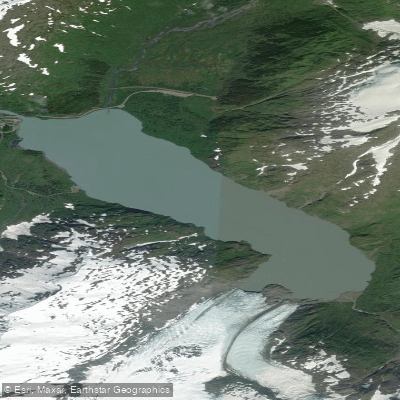
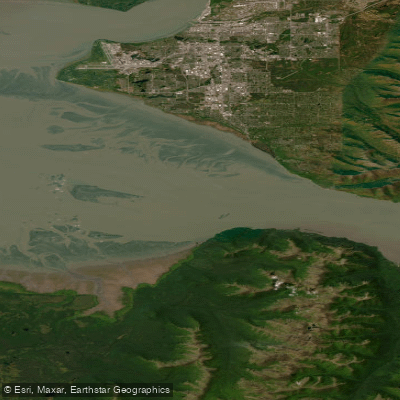
Explore Alaska waters
Top paddling waters
Popular Cities
Loading popular cities...
Explore near Cook Inlet
Access points
Nearby waters
More in Alaska

Smarter Paddling Starts in the App.
Paddleways gives you everything you need to plan smarter, paddle better, and own every trip from first launch to takeout.