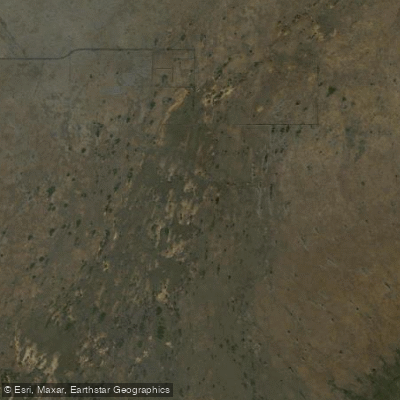
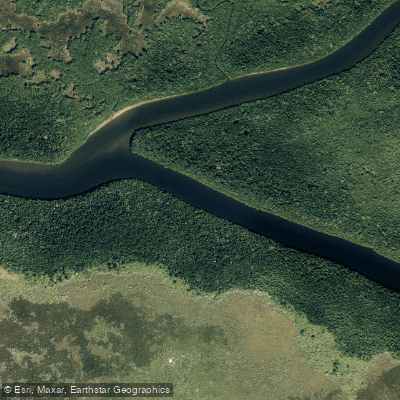
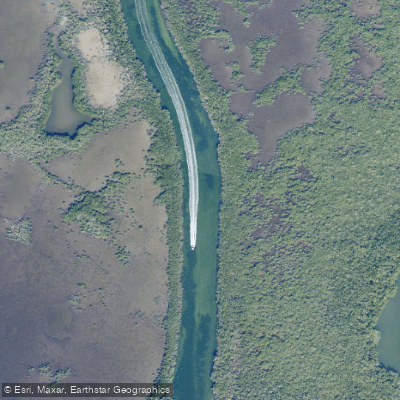
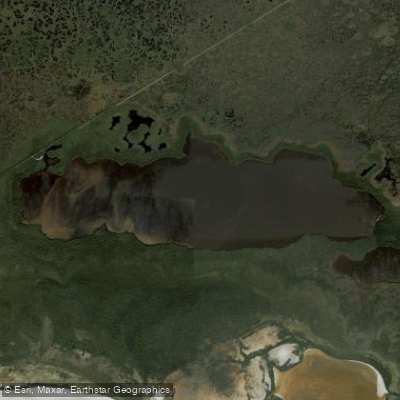
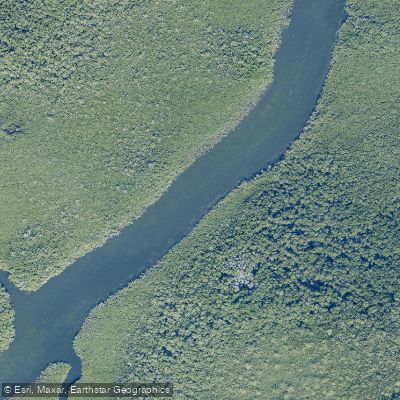
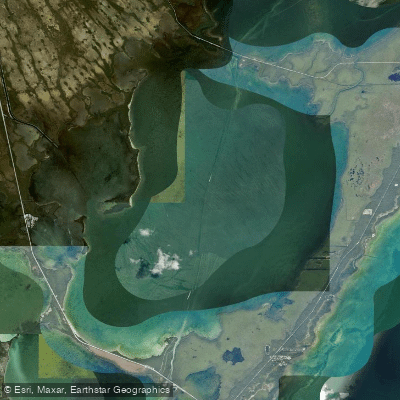
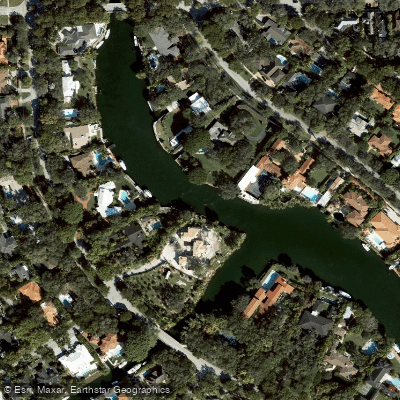
Taylor Slough is a 247 square kilometer wetland system located in the southeastern corner of the Florida Everglades. It stretches from the east Everglades to the northern portion of Florida Bay, serving as a primary source of freshwater flow into the northeastern part of Florida Bay. A major portion of Taylor Slough lies within Everglades National Park.
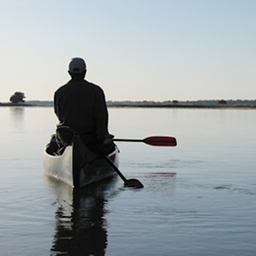
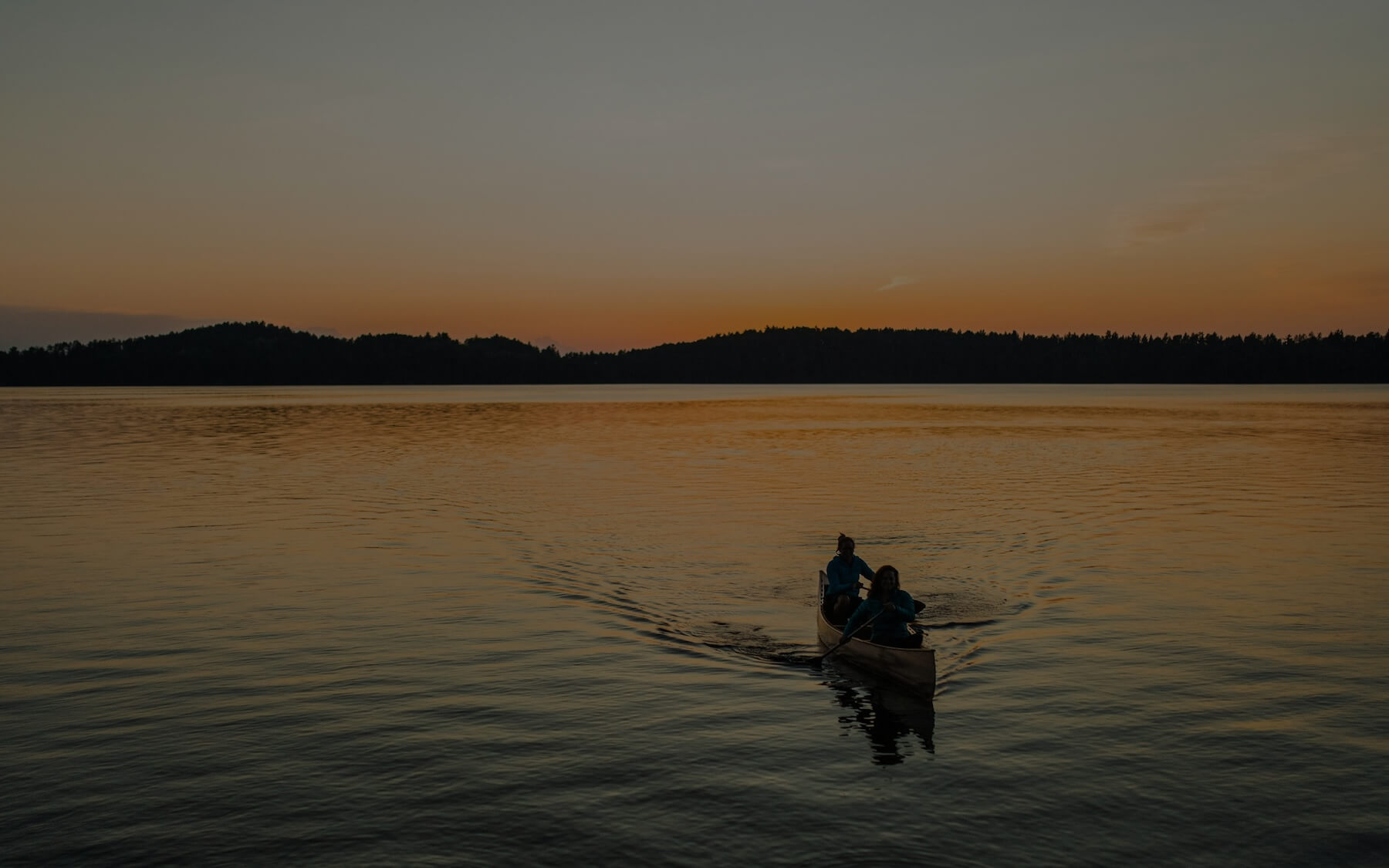
Paddling in Taylor Slough offers a unique wilderness experience, but access is limited and requires careful planning. The slough is characterized by slightly deeper water than surrounding marshes, with a slow but measurable current. Water levels fluctuate seasonally, with the dry period typically occurring from November to May. During this time, the slough becomes an important refuge for aquatic wildlife.
The landscape transforms as you paddle south, beginning with cypress trees and mixed vegetation in the upper part, then transitioning to a more open, prairie-like environment. Paddlers may encounter fields of water lilies and other aquatic plants. Wildlife sightings can include herons, egrets, ibis, alligators, and turtles.
One notable access point is an NPS airboat ramp on the old Ingraham Highway, though this is not open to the general public and requires special permission. The famous Anhinga Trail in the eastern section of Everglades National Park leads to a portion of Taylor Slough that was deepened during the construction of the old Ingraham Highway.
Paddling in Taylor Slough can be challenging due to varying water levels and potential obstacles. During low water periods, paddlers may need to walk their boats over shallow areas. The use of GPS and high-power flashlights is recommended, especially for navigation after dark.
Fishing is prohibited in Taylor Slough along the first 3 miles of the Main Park Road. Paddlers should be prepared for exposure to sun and mosquitoes, particularly in the densely canopied sections. Proper hydration is crucial, as the combination of sun exposure and exertion can lead to heat-related issues.
The slough holds historical significance, with Spanish artifacts and Indian mounds located in the area. In 1989, Taylor Slough was designated an Outstanding Florida Water due to its natural attributes and ecological importance.