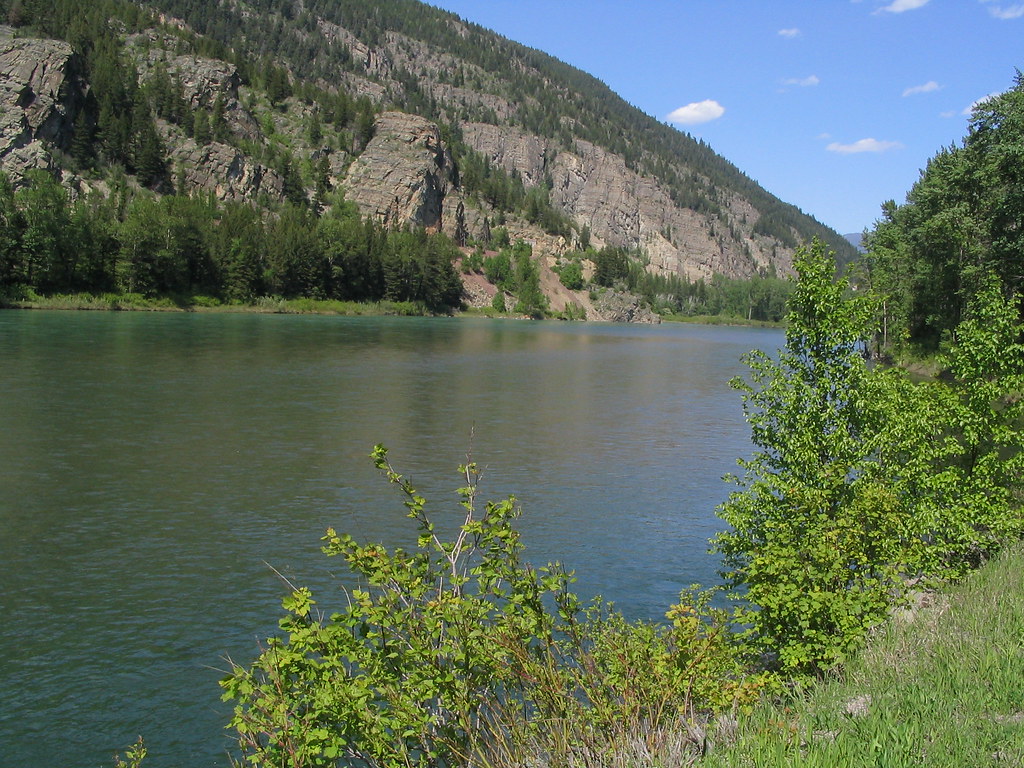
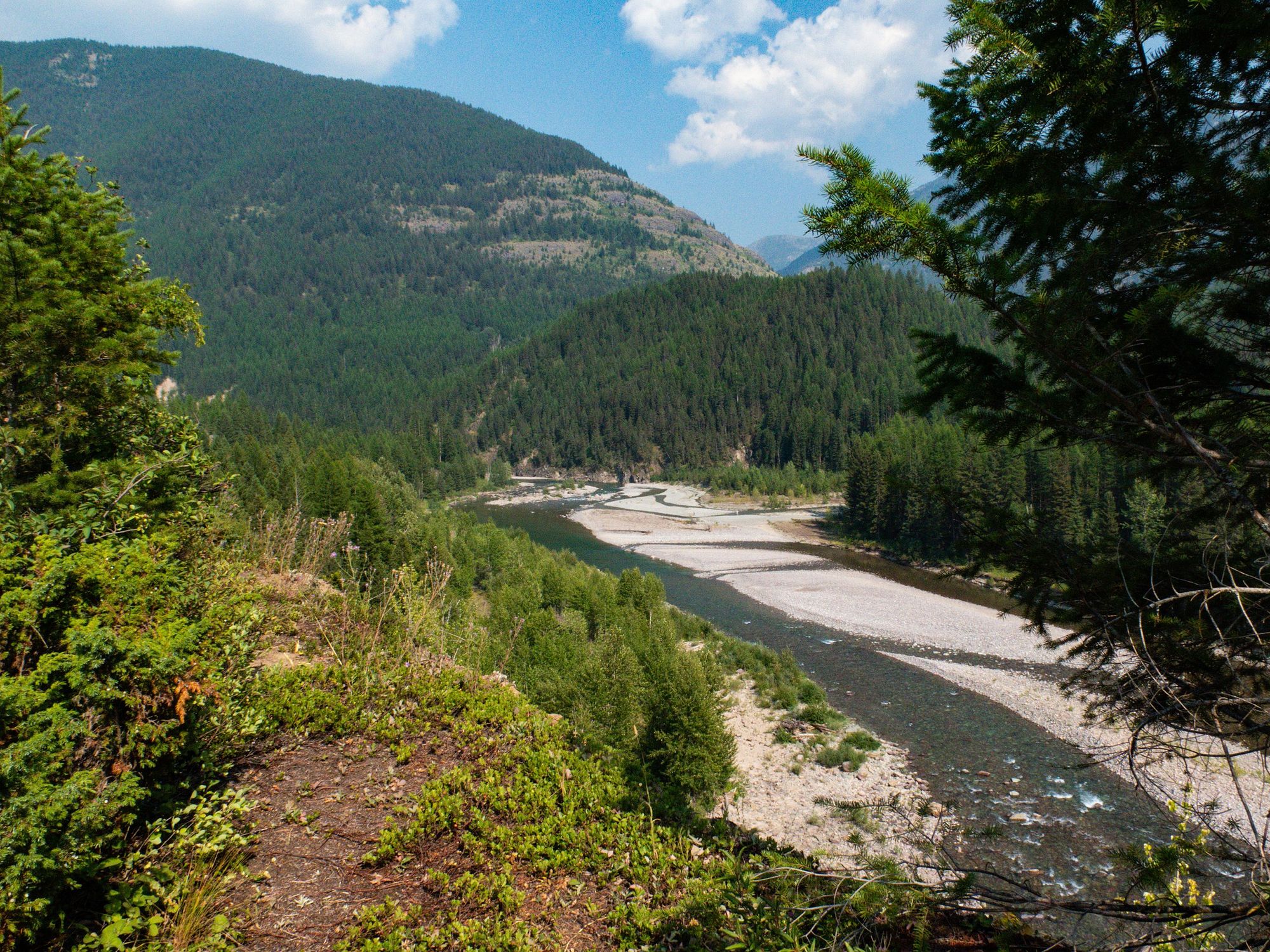
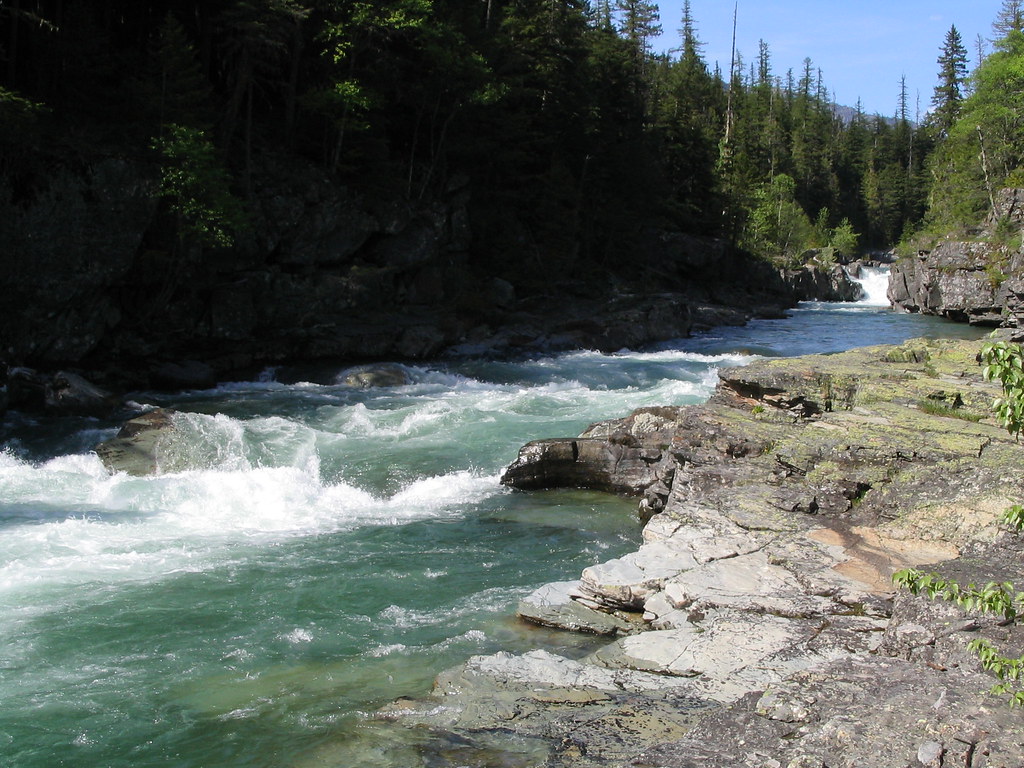
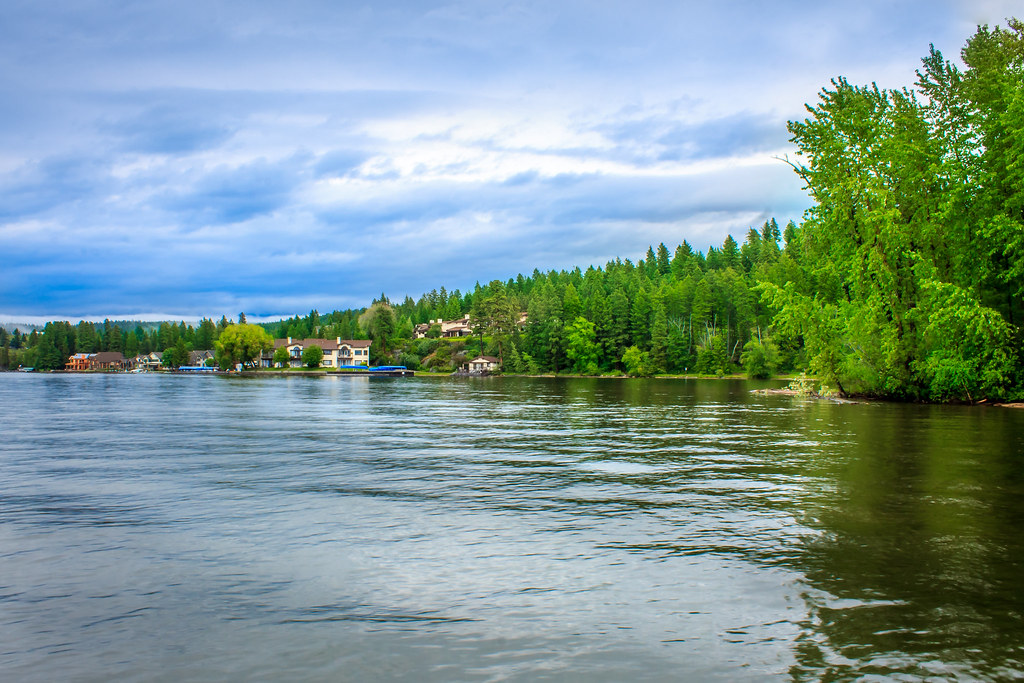
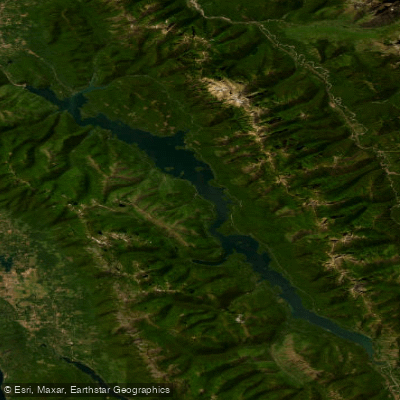
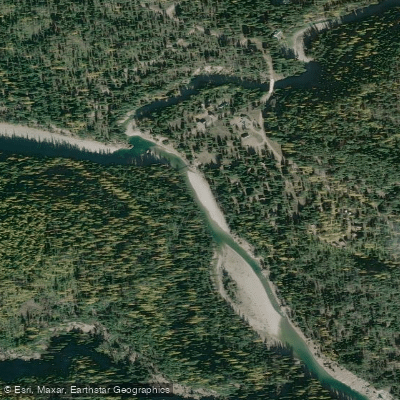
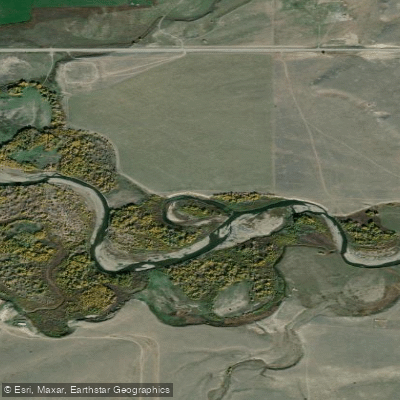
The North Fork Flathead River originates in the Canadian Rockies of British Columbia and flows south for approximately 150 miles to its confluence with the Middle Fork Flathead River in northwestern Montana. It forms the western border of Glacier National Park for much of its length. The river is renowned for its pristine water quality, stunning mountain scenery, and abundant wildlife. Paddling opportunities range from calm scenic floats to moderately challenging whitewater, with an overall difficulty of Class II-III. The 58-mile stretch from the Canadian border to the Middle Fork confluence is a popular multi-day trip, offering a mix of flatwater and rapids.
Notable whitewater sections include the Class II-III Kintla Rapids, which can be portaged if necessary. The river is best paddled from late spring through early fall. High water typically occurs in late spring to early summer, creating more challenging conditions with potential hazards like logs and strong eddies. Late summer to early fall provides lower water levels and easier paddling.
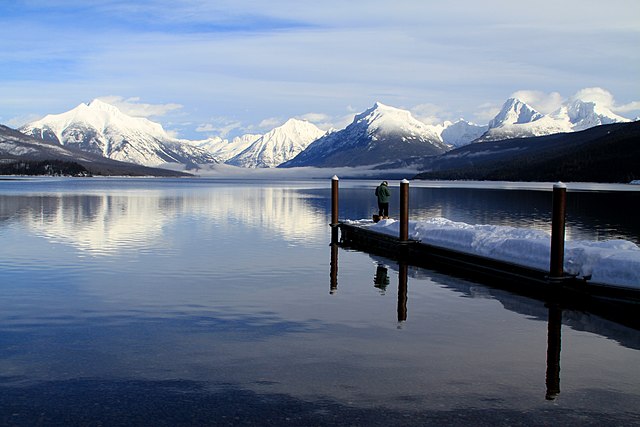
The North Fork's ecosystem supports diverse wildlife, including grizzly bears, moose, and wolves. Its clear, cold waters are home to native westslope cutthroat trout and threatened bull trout. The surrounding forests feature lodgepole pine, western larch, and Douglas fir. Key landmarks include Kintla Peak, one of only six 10,000+ foot peaks in Glacier National Park, visible from the river. The historic community of Polebridge serves as a popular access point and resupply location.
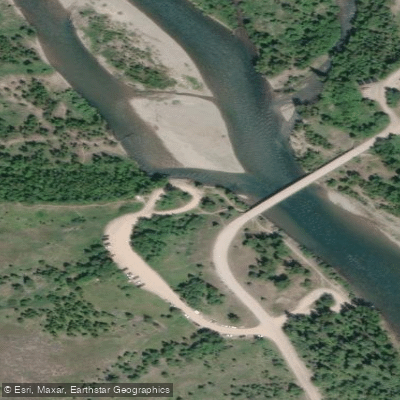
Primary access points include the Canadian Border, Polebridge, and Big Creek, with the towns of Columbia Falls and West Glacier nearby. The river's confluence with the Middle Fork is at Blankenship Bridge. Historically, the North Fork Valley has been at the center of conservation efforts, with proposals for dams and mining operations successfully thwarted to preserve its wild character. In 1976, the river was designated as a Wild and Scenic River.
Safety considerations include proper food storage in bear country, awareness of rapidly changing weather conditions, and caution during high water periods. Permits are required for overnight trips, with camping restricted to designated sites or dispersed camping on the west bank (outside Glacier National Park). Multi-day trips are popular, ranging from 2-5 days depending on the section paddled. These journeys offer an immersive wilderness experience in one of America's most pristine river ecosystems.