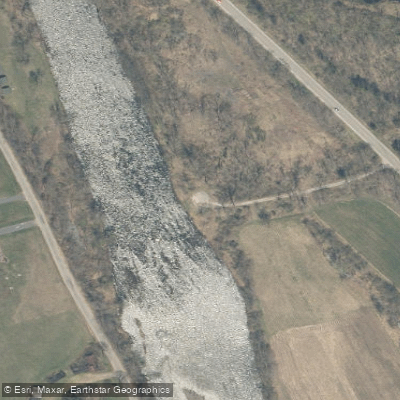
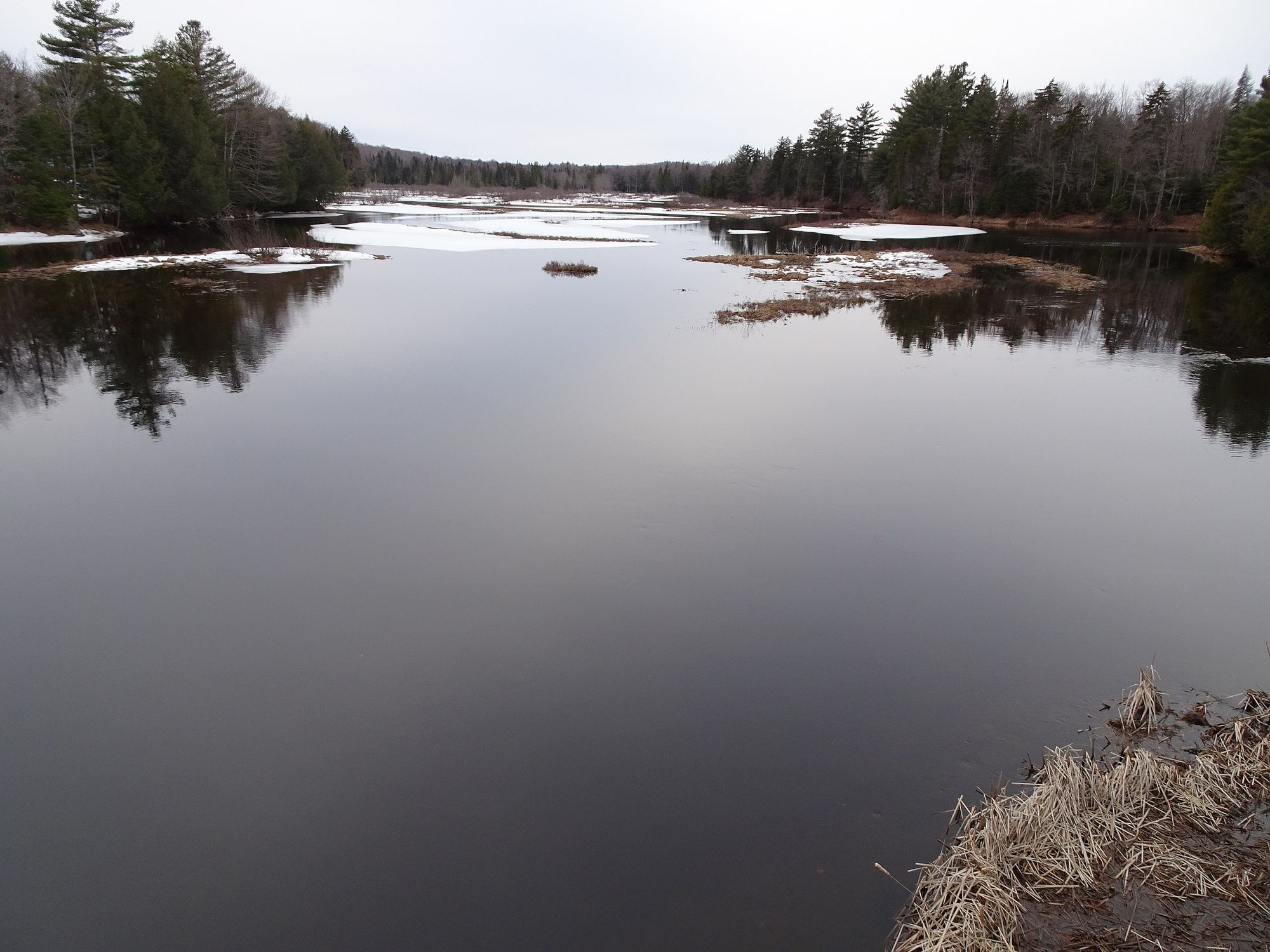
The West Canada Creek is a significant waterway in central New York, originating in the Adirondack Mountains and flowing generally southward before joining the Mohawk River near Herkimer. This 76-mile long river is a major tributary of the Mohawk and part of the larger Hudson River watershed. The creek offers a diverse range of paddling opportunities, from calm flatwater sections to challenging whitewater runs.
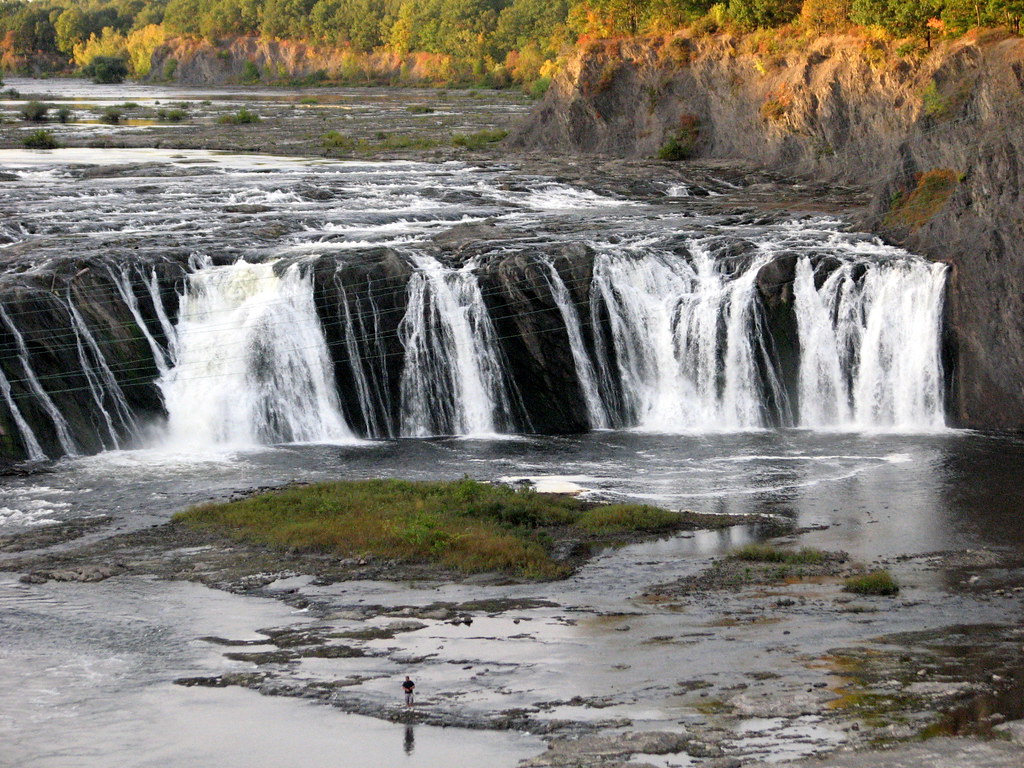
The upper reaches, including the South Branch, provide scenic Class II-III+ rapids suitable for intermediate paddlers. The Prospect Falls section near Prospect Dam features a dramatic 25-30 foot waterfall and Class IV+ rapids, attracting skilled kayakers. Further downstream, the Ohio Gorge offers a short but intense Class III run through a stunning vertical-walled canyon. For less experienced paddlers, the lower sections of West Canada Creek provide gentler waters. A popular 28-mile stretch from Trenton Falls to Herkimer offers mostly Class II rapids, ideal for novice whitewater enthusiasts. Additionally, a well-loved tubing route near Poland, NY allows for leisurely floats lasting from one to six hours.
The creek's flow is regulated by several dams, which can affect paddling conditions. Spring typically offers the most reliable water levels, though summer releases can provide good paddling opportunities as well. Paddlers should always check current flow rates and dam release schedules before planning their trips.
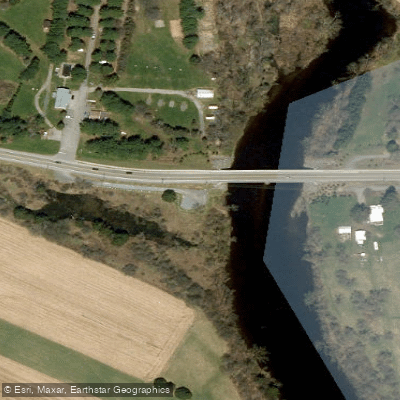
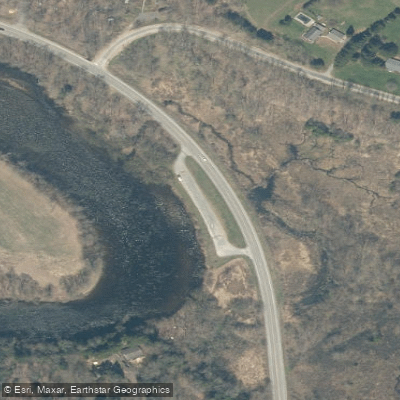
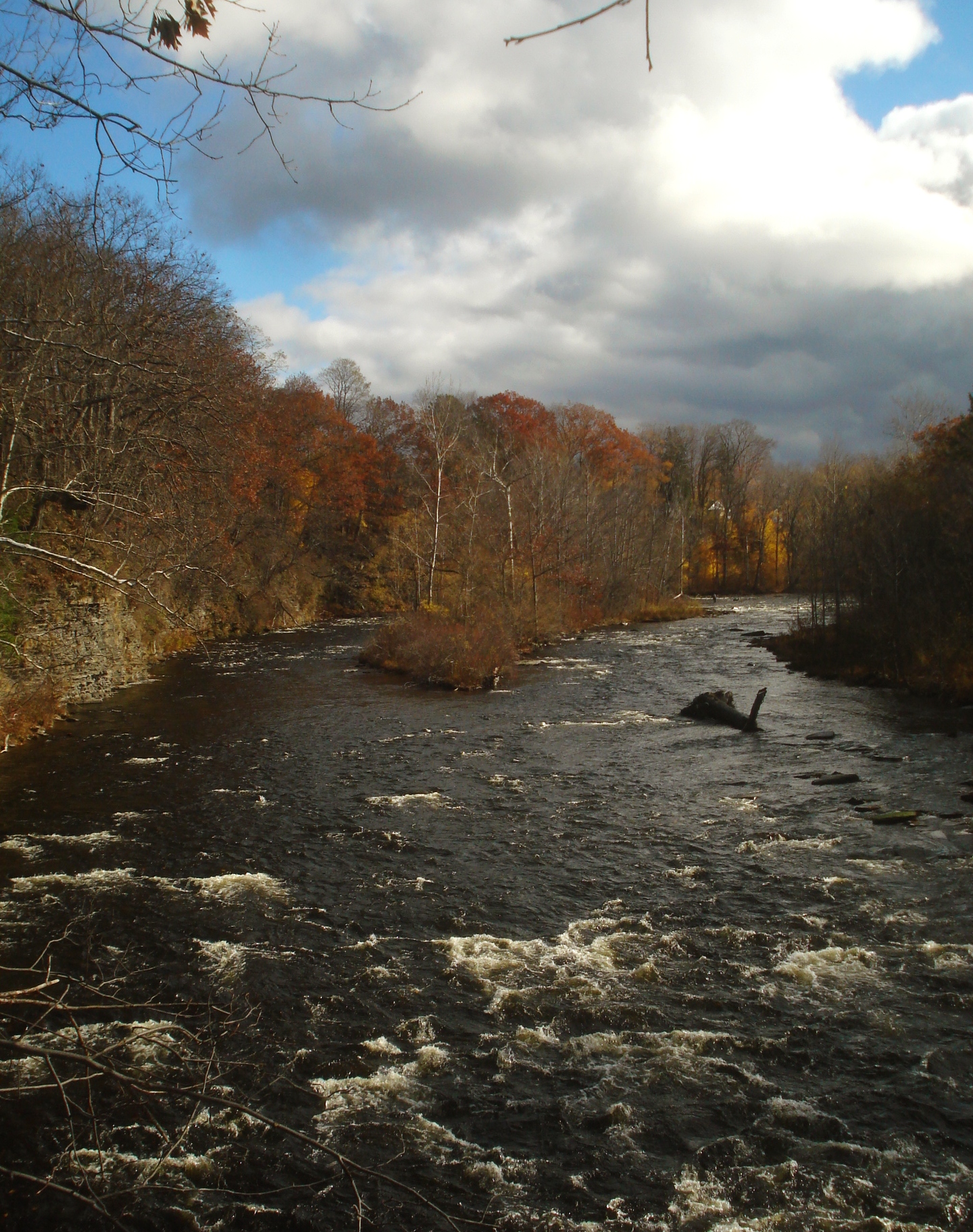
The West Canada Creek valley is known for its scenic beauty, with the river cutting through forested hills and occasional gorges. The area supports a diverse ecosystem, including populations of brown and brook trout that make the creek a popular fly-fishing destination. Key access points include Prospect Dam, Big Brook, Route 8, and various locations near Middleville and Herkimer. The towns of Poland, Newport, and Herkimer serve as convenient bases for river expeditions.
Historically, the West Canada Creek played a role in early American industry, powering mills and later hydroelectric plants. Today, it serves as an important recreational resource for central New York, balancing power generation with outdoor activities.
Safety considerations include being aware of rapidly changing water levels due to dam releases, scouting unfamiliar rapids, and respecting private property along the shorelines. Some sections may require permits or have specific regulations, so paddlers should research their intended routes thoroughly. While most trips on the West Canada Creek are day excursions, the longer stretches in the lower sections could potentially support overnight adventures for those properly equipped and permitted.