Paddling in Death Valley National Park
- National Park
- Open 24 hours
- Lakes
- 1
- Rivers
- 30
- Access
- 0
- Boat Ramps
- 0
- Shops
- 0
Death Valley is not paddling country — until, very rarely, it is. The park occupies a vast desert basin straddling California and Nevada, and its floor sits 282 feet below sea level, making it the lowest point in North America.
Virtually no permanent surface water exists here. The park averages around two inches of rain per year, and what little water does flow in evaporates faster than it accumulates. Under normal conditions, there is nowhere to launch a boat.
The exception is Lake Manly, the ancient lake bed that occupies Badwater Basin at the valley floor. During the Ice Age it ran hundreds of feet deep; it dried up roughly 1,000 years ago and has been a salt flat ever since.
Its nominal tributary, the Amargosa River, originates in Nevada but typically evaporates or sinks into aquifers before reaching the basin.
When extraordinary rainfall does arrive — the kind that comes from a hurricane remnant or a multi-day atmospheric river — water drains down from the surrounding Panamint Range and Black Mountains and briefly refills that ancient bed.
That happened in early 2024. Remnants of Hurricane Hilary dropped 2. 2 inches on the valley floor in August 2023, and an atmospheric river added another 1. 5 inches in February 2024 — together nearly tripling the park's annual average in six months.
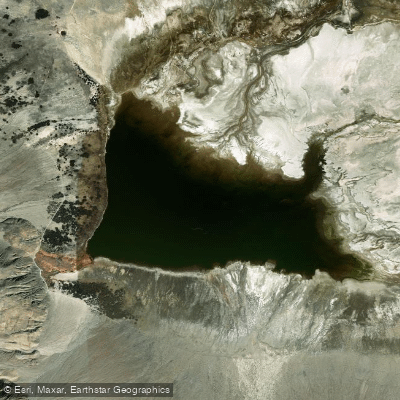
At its peak in mid-February 2024, Lake Manly stretched roughly six miles long, three miles wide, and about a foot deep. The National Park Service opened it to kayaks and stand-up paddleboards.
The window closed fast: winds of around 40 mph between February 29 and March 2 pushed the water two miles north, spread and shallowed it further, and left behind mud that the NPS determined would hold boat drag marks and footprints as lasting scars on the flat.
Kayaking was closed, and the park's standing rule reasserted itself — no flotation devices, including kayaks, paddleboards, or similar equipment, are permitted anywhere in the park. That rule is the baseline.
Lake Manly's 2024 window was an explicit, temporary exception granted by the park. Anyone who hears that Death Valley has water again should check current conditions directly with the park before loading a boat.
The paddling here, when it exists at all, is shallow-water flatwater across a salt basin in the middle of the desert — logistically demanding, historically improbable, and gone before most people can get there.
That's the honest shape of paddling in Death Valley.
Top waters to paddle near Death Valley National Park
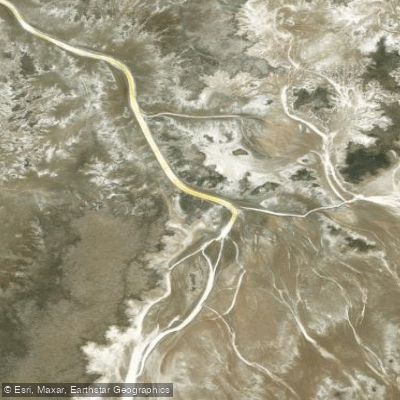
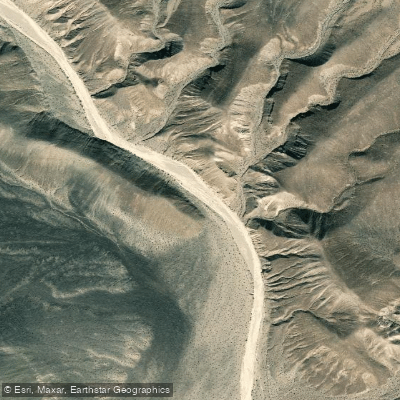
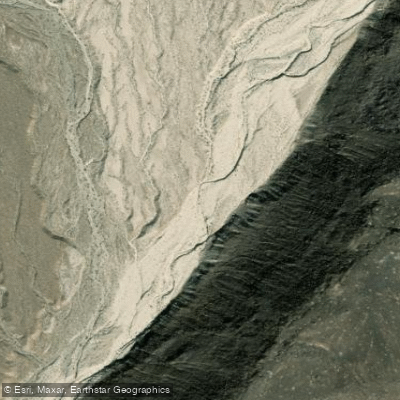
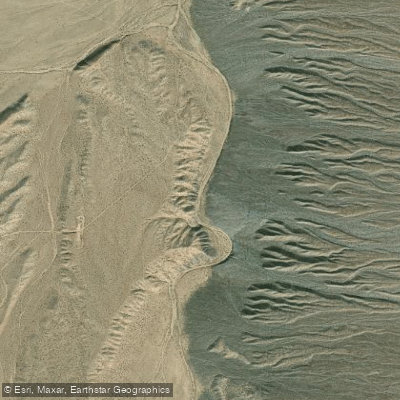
Water and weather conditions (10 day forecast)
See the best times to paddle Death Valley National Park and check the forecast before you go.
No forecast data available.
Park alerts & road status
Closures and conditions Death Valley National Park has posted, from the National Park Service.
Checking the park's alerts…
Hours & fees
When Death Valley National Park is open and what it costs to get in, from the National Park Service.
Hours
Open 24 hoursThe park is open daily all year.
Entrance fees
- Entrance - Private Vehicle$30
- All visitors, including Non-US residents, may purchase and utilize this entrance fee. Purchasing this entrance fee allows all persons traveling in one single private, non-commercial vehicle (car/truck/van/RV/aircraft) to leave and re-enter the park as many times as they wish during the 7-day period from the date of purchase.
- Entrance - Motorcycle$25
- All visitors, including Non-US residents, may purchase and utilize this entrance fee. Purchasing this entrance fee allows all persons traveling on 2 private, non-commercial motorcycles to leave and re-enter the park as many times as they wish during the 7-day period from the date of purchase.
- Entrance - Per Person$15
- All visitors, including Non-US residents, may purchase and utilize this entrance fee. Purchasing this entrance fee allows a single individual traveling on foot or individuals traveling on one bicycle to leave and re-enter the park as many times as they wish during the 7-day period from the date of purchase.
- Commercial Entrance - Per Person$15
- 1 - 15 Passenger Vehicle: $15 per person. In addition to the entrance fees listed below, additional permits are required for commercial groups, special park uses (weddings, memorialization, group events, etc.), commercial film and photography, research, and more.
- Commercial Entrance - Mini-bus$100
- 16 - 25 Passenger Vehicle: $100 In addition to the entrance fees listed below, additional permits are required for commercial groups, special park uses (weddings, memorialization, group events, etc.), commercial film and photography, research, and more.
Paddle smarter with real-time insights
Whether you're en route and conditions shift or you're looking for the best spot based on current flows, we enable you to make informed decisions on the fly.







Paddling near Death Valley National Park
Loading...
Gateway towns
Where to base yourself for paddling in Death Valley National Park.
The park's main hub, with the visitor center, lodging, dining, and gas inside Death Valley.
- BeattyNV
Nevada gateway town just outside the eastern entrance, with lodging, food, and access to Titus Canyon and the park's north.
In-park village on the western side with a hotel, restaurant, gas, and ranger station for the central valley area.
- PahrumpNV
Nearest Nevada town with full services—hotels, grocery, and fuel—for visitors approaching from Las Vegas.
Western gateway on the far side of the Sierras with lodging and outfitters for visitors entering via the Owens Valley.
Explore Death Valley National Park
Top paddling waters
Popular Cities
Loading popular cities...

Smarter Paddling Starts in the App.
Paddleways gives you everything you need to plan smarter, paddle better, and own every trip from first launch to takeout.