Paddling in Sleeping Bear Dunes National Lakeshore
- National Lakeshore
- Open 24 hours

- Lakes
- 24
- Rivers
- 6
- Access
- 2
- Boat Ramps
- 0
- Shops
- 0
Sleeping Bear Dunes National Lakeshore sits along 35 miles of Lake Michigan's eastern shoreline in Michigan's Leelanau Peninsula, and the water here is genuinely varied: open Great Lakes coast, quiet inland lakes, and two distinct rivers that flow through the park to the big lake.
That range shapes everything about paddling here — the skills required, the hazards to plan around, and the seasons that make sense. Lake Michigan is the defining presence, and it demands respect.
Wind and waves can build fast on open water, and the lake's size means conditions that look manageable from shore can turn serious quickly.
The NPS recommends leaving a float plan with someone before heading out on the lake — not because the park tracks them, but because the lake warrants it. When conditions shut down the coast, the park's inland lakes and rivers absorb the day without much loss.
Those smaller waters are also where loons, ducks, and swans tend to concentrate, so a weather pivot isn't a consolation prize. The Crystal River runs through the park near Glen Arbor and is the most accessible river paddle in the lakeshore.
The current is gentle, there's no whitewater, and the 2–3 hour float on clear water through forested corridor suits paddlers of all experience levels.
Crystal River Outfitters has been running shuttled trips on this water for over 25 years, putting in at the Crystal River Trailhead and floating back to their shop on West River Road. The Platte River, accessed near Honor, is the other anchor.
The Lower Platte runs shallow — averaging 2–3 feet — with a gentle current that eventually reaches a Lake Michigan beach. Riverside Canoes runs canoe, kayak, tube, SUP, and raft trips on this stretch, with the longest raft trips running at least 4 hours.
The Platte is a warm-water, family-friendly float, and both rivers are well suited to people who aren't ready for open-lake paddling. Paddling season runs spring through fall.
April starts cool — temperatures in the mid-40s to low 60s — and the lake stays cold well into summer, making immersion a real risk even when air temps feel comfortable.
Summer and fall draw the most visitors; spring suits paddlers who want the water to themselves and don't mind layering up. Fishing in the lakeshore requires a Michigan DNR license — check with the park or the DNR for current requirements before you go.
And after every trip, especially on the inland lakes, clean, drain, and dry your boat. Aquatic invasive species are a genuine threat to these waters, and the park takes it seriously.
Paddling the coast beneath 400-foot dune faces and glacial bluffs is the experience that draws people here — the kind of perspective on the landscape that you simply can't get from a trail.
The rivers are the easier entry point, but the lake is the reason the park exists.
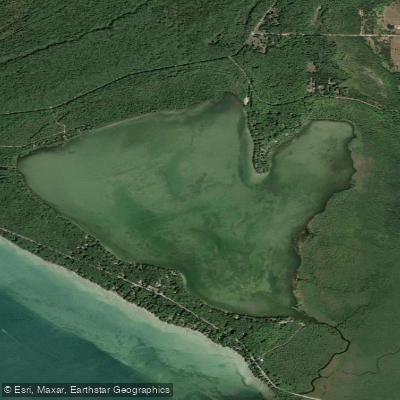
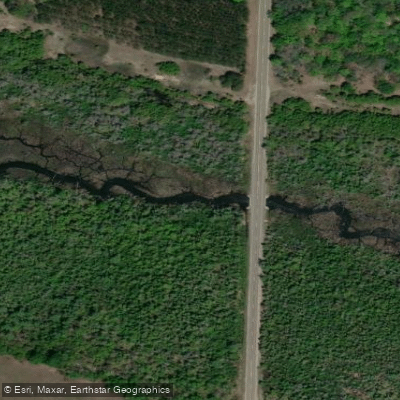
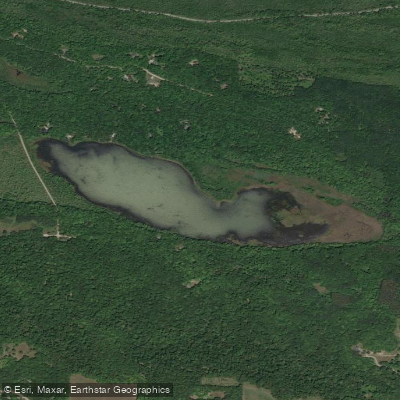
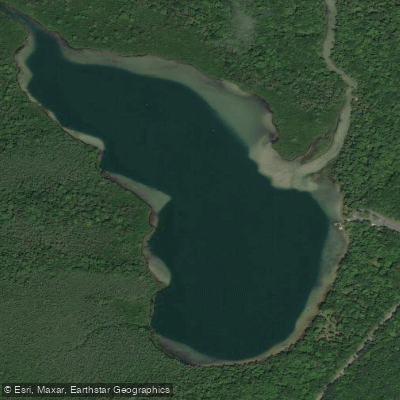
Top waters to paddle near Sleeping Bear Dunes National Lakeshore

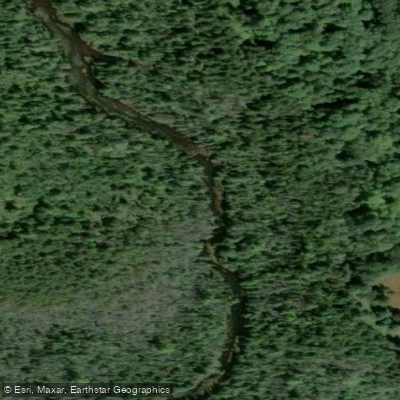
Water and weather conditions (10 day forecast)
See the best times to paddle Sleeping Bear Dunes National Lakeshore and check the forecast before you go.
No forecast data available.
Park alerts & road status
Closures and conditions Sleeping Bear Dunes National Lakeshore has posted, from the National Park Service.
Checking the park's alerts…
Hours & fees
When Sleeping Bear Dunes National Lakeshore is open and what it costs to get in, from the National Park Service.
Hours
Open 24 hoursThe Lakeshore is open 24 hours a day. Campgrounds, visitor centers, and facilities have separate hours, however, please see descriptions of those facilities elsewhere.
Entrance fees
- Commercial Entrance - Sedan$25
- Sedan 1-6 Person Capacity $25.00 + $10.00 Per Person 16 years or older (up to a maximum of $40.00)
- Commercial Entrance - Van$40
- Van 7-15 Person Capacity $40.00
- Commercial Entrance - Mini-bus$40
- Mini Bus 16-25 Person Capacity $40.00
- Commercial Entrance - Motor Coach$100
- Motorcoach 26+ Person Capacity $100.00
- Entrance - Private Vehicle$25
- Entrance pass - vehicle 1-7 day.
Paddle smarter with real-time insights
Whether you're en route and conditions shift or you're looking for the best spot based on current flows, we enable you to make informed decisions on the fly.







Paddling near Sleeping Bear Dunes National Lakeshore
Loading...
Other parks in Michigan
Gateway towns
Where to base yourself for paddling in Sleeping Bear Dunes National Lakeshore.
- EmpireMI
Park headquarters and main visitor center are here; the primary base for accessing the Dune Climb and Pierce Stocking Scenic Drive.
Sits inside the park boundary with lodging, outfitters like Crystal River Outfitters, and direct access to northern lakeshore trails.
- LelandMI
Northern gateway town on the Leelanau Peninsula near the park's upper reaches and ferry access to the Manitou Islands.
Southern gateway at the Benzie County end of the lakeshore, with lodging and access to the Platte River area of the park.
Nearest larger town with the regional airport, serving as the main travel hub and overflow lodging base for park visitors.
Sleeping Bear Dunes National Lakeshore paddling rules
The park's own rules, on top of Michigan licenses and regulations. Limits, fees and closures change, so check the park's page before you go.
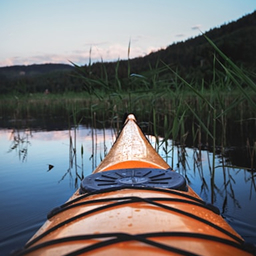
Clean Your Boat Every Time
Clean, drain, and dry your boat after leaving any body of water to stop the spread of aquatic invasive species. This is especially critical before entering the park's inland lakes.
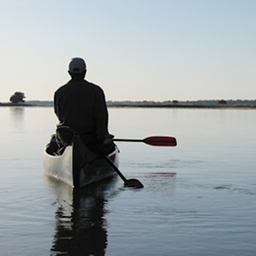
PFD and Sound Device Required
Every vessel must carry a wearable PFD for each person on board and a sound-producing device audible for half a mile. The park strongly recommends wearing your PFD at all times on Lake Michigan.
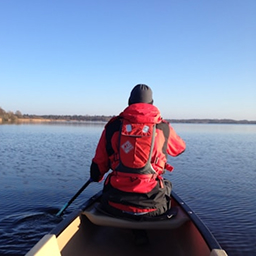
Motor Limits on Inland Lakes
Motor rules vary by lake. Narada Lake bans power-driven vessels during part of the year and caps motors at two horsepower the rest of the time. Check the individual lake listing for current restrictions before you launch.

Leave a Float Plan
Before heading out, leave a float plan with someone on shore that includes your route, group members, safety gear, and expected return. Tell them who to contact if you are overdue.
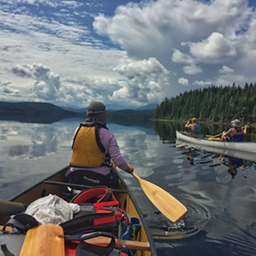
State Fishing License Required
Fishing is allowed in the lakeshore, but you must have a valid license from the Michigan Department of Natural Resources. Check with the MDNR for current licensing requirements.
Explore Sleeping Bear Dunes National Lakeshore
Top paddling waters
Popular Cities
Loading popular cities...
Smarter Paddling Starts in the App.
Paddleways gives you everything you need to plan smarter, paddle better, and own every trip from first launch to takeout.