Paddling in Yellowstone National Park
- National Park
- Open 24 hours
- Lakes
- 103
- Rivers
- 226
- Access
- 145
- Boat Ramps
- 2
- Shops
- 0
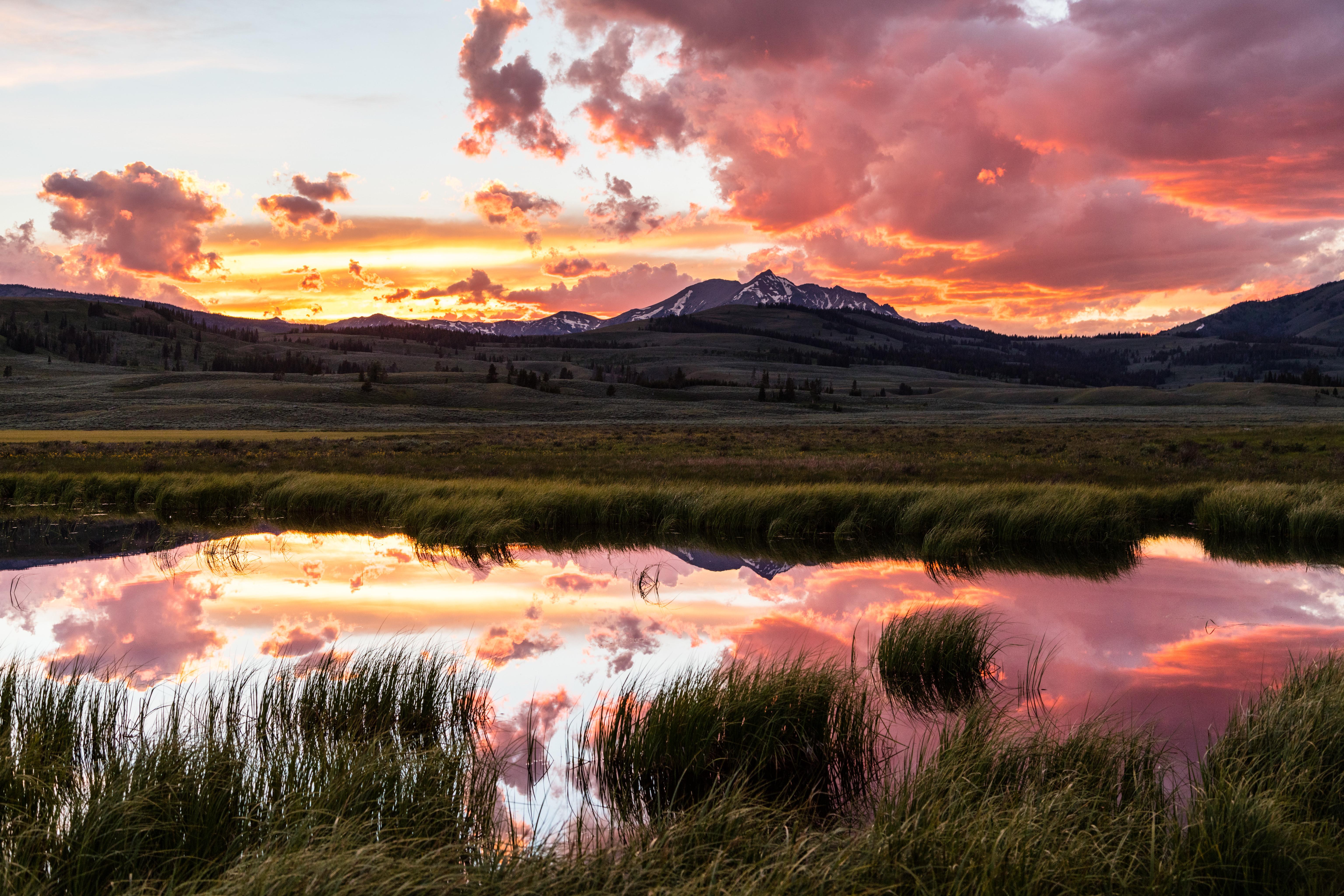
Yellowstone sits on a high volcanic plateau in the northern Rockies, and its waters reflect that setting: cold, remote, and governed by rules that exist nowhere else in American paddling.
The park holds lakes, rivers, and streams across roughly 3,500 square miles, but the access picture is sharply defined — most of it is closed to paddlers by regulation, and what's open rewards those who come prepared.
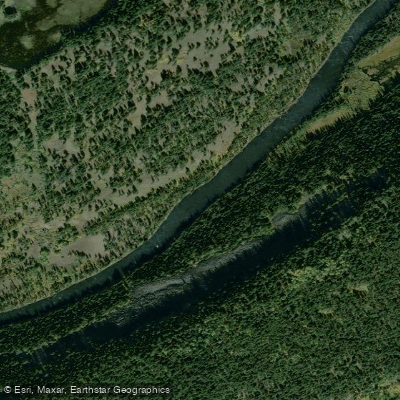
Nearly all park rivers and streams are closed to boating. The one exception is the stretch of the Lewis River connecting Lewis Lake to Shoshone Lake, open to non-motorized watercraft only.
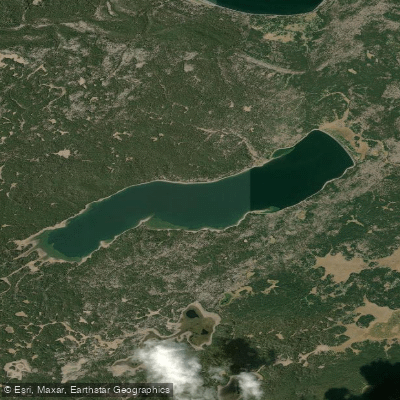
On the lake side, most park lakes are open during boating season — Memorial Day weekend through October 31 — but Sylvan Lake, Eleanor Lake, Twin Lakes, and Beach Springs are off-limits to all watercraft.
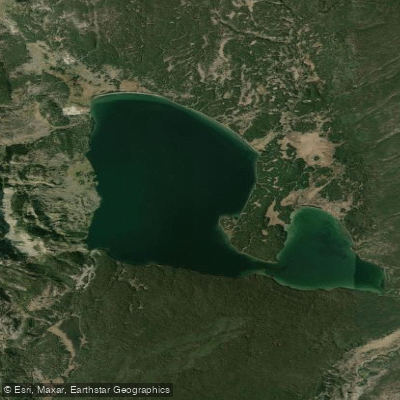
That leaves Yellowstone Lake and Lewis Lake as the primary destinations, and both are serious water. Yellowstone Lake is the centerpiece. At elevation, water temperatures sit in the 40s Fahrenheit through June and may only climb into the 60s by late summer.
Sudden winds can push waves to three to five feet, making open crossings genuinely hazardous.
Kayaks and canoes are well-suited here — non-motorized boats are exempt from the park's 30-horsepower motor limit that applies to other craft, and the scale of the lake rewards paddlers willing to read the weather and move accordingly.
Lewis Lake is a quieter option, with the added draw of that navigable river corridor to Shoshone Lake for those looking to push deeper into the backcountry.
Before any of this happens, every watercraft — kayak, canoe, paddleboard, inflatable, float tube — must pass a Yellowstone Aquatic Invasive Species inspection and receive a park permit. No exceptions, no self-certification.
Watercraft arriving after inspection hours cannot launch until inspected. Any boat that leaves the park must be reinspected before re-entering. The park takes AIS seriously, and so should anyone coming in from other western waters.
Paddling Yellowstone means accepting its terms: a short season, cold water, limited access, and a permitting layer that exists to protect the ecosystem rather than manage crowds.
The reward is water that feels genuinely wild — geothermal features visible from the lake surface, shorelines without roads, and the particular quiet of a place where the rules have kept the pressure low.
Top waters to paddle near Yellowstone National Park
Water and weather conditions (10 day forecast)
See the best times to paddle Yellowstone National Park and check the forecast before you go.
No forecast data available.
Park alerts & road status
Closures and conditions Yellowstone National Park has posted, from the National Park Service.
Checking the park's alerts…
Hours & fees
When Yellowstone National Park is open and what it costs to get in, from the National Park Service.
Hours
Open 24 hoursYellowstone is open daily, year-round, although activities and services are limited at night and certain times of year. The park has five entrance stations, but not all entrance stations are open year-round. Make sure to carefully read about access at each station at different times of year. And remember, all dates are weather-dependent. Please note that camping is possible only in designated campgrounds.
Entrance fees
- Entrance - Private Vehicle$35
- Unlimited entry for one vehicle and all passengers for seven consecutive days, beginning on the day of purchase. Vehicles must be private, non-commercial, and with a seating capacity of 15 or less.
- Entrance - Non-commercial Groups$20
- Non-commercial group (e.g. church groups, scouts) traveling in a vehicle with a capacity of 16 or more people. Cost is per person. Unlimited entry for one vehicle and all passengers for seven consecutive days, beginning on the day of purchase.
- Entrance - Motorcycle$30
- Valid for 7 days. Admits up to 2 private, non-commercial motorcycles with up to 4 total passengers.
- Entrance - Snowmobile$30
- Valid for 7 days. Admits up to 2 snowmobiles with up to 4 total passengers.
- Entrance - Per Person$20
- Entry for visitors on foot, bicycle, ski, etc., when 16 years of age or older.
Parking & getting around
Where to leave the car in Yellowstone National Park. Lots fill early on busy days, so plan where you will park before you head for the water.
Canyon Village
This parking lot is located in front of the Canyon Visitor Education Center.
Fairy Falls Parking Lot
This parking lot is located approximately six miles (9.6 km) north of Old Faithful near the Firehole River.
Grand Canyon of the Yellowstone: Artist Point Parking Lot
This parking lot is located on the South Rim Drive south of Canyon Village.
Grand Canyon of the Yellowstone: North Rim Parking Lot
This parking lot is located south of Canyon Village on the North Rim Road near Brink of the Lower Falls Trailhead.
Grand Canyon of the Yellowstone: Upper Falls Parking Lot
This parking lot is located south of Canyon Village off of the Grand Loop Road near the Brink of the Upper Falls.
Grand Canyon of the Yellowstone: Upper Falls Viewpoints Parking Lot
This parking lot is located south of Canyon Village off of the South Rim Drive.
Grand Canyon of the Yellowstone: Wapati Lake Parking Lot
This parking lot is located south of Canyon Village on the South Rim Drive.
Midway Geyser Basin Parking Lot
ClosedThis parking lot is across the Firehole River near Grand Prismatic & Excelsior geysers.
Old Faithful Central Parking Lot
This parking lot is located south of the Old Faithful Visitor Education Center.
Old Faithful East Parking Lot
This parking lot is sandwiched between the Old Faithful Inn and the Old Faithful Lodge.
Getting around
Yellowstone National Park covers nearly 3,500 square miles in the northwest corner of Wyoming (3% of the park is in Montana and 1% is in Idaho). Yellowstone has five entrance stations, and several are closed to regular vehicles during winter. It takes many hours to drive between these entrances, so be sure to check the status of roads at the entrance you intend to use while planning your trip and before you arrive.
Directions on nps.govPaddle smarter with real-time insights
Whether you're en route and conditions shift or you're looking for the best spot based on current flows, we enable you to make informed decisions on the fly.







Paddling near Yellowstone National Park
Loading...
Other parks in Wyoming
Gateway towns
Where to base yourself for paddling in Yellowstone National Park.
Largest gateway town, sits at the West Entrance with outfitters, guides, lodging, and a seasonal airport.
- GardinerMT
Sits at the North Entrance, the only entrance open year-round, with lodging, outfitters, and hot springs nearby.
- JacksonWY
Main base for the South Entrance, with an airport, guided tours, and full visitor services; also serves Grand Teton.
- CodyWY
Gateway to the East Entrance with lodging, outfitters, and guided tours into the park's eastern reaches.
Small town at the Northeast Entrance offering lodging and outfitter services for the Lamar Valley corridor.
Yellowstone National Park paddling rules
The park's own rules, on top of Wyoming licenses and regulations. Limits, fees and closures change, so check the park's page before you go.
AIS Inspection Required Before Launch
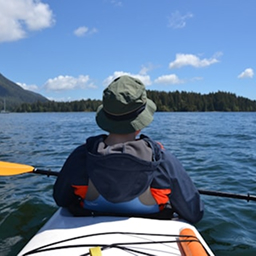
Every watercraft, motorized or not, must pass a Yellowstone Aquatic Invasive Species inspection and receive a permit before launching. This includes canoes, kayaks, paddleboards, inflatable boats, and float tubes. Any watercraft that leaves the park must be reinspected before re-entering.
Clean, Drain, and Dry Your Gear
Remove all plants, mud, and debris from your boat and equipment, drain all water from every compartment, and dry everything before arriving. Watercraft with sealed internal ballast tanks are banned from all park waters.
Most Rivers Are Closed to Boating
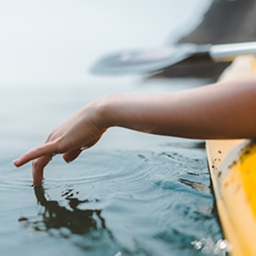
All park rivers are closed to boating except the section of the Lewis River between Lewis Lake and Shoshone Lake, which is open to non-motorized watercraft only.
PFDs Required for Everyone Onboard
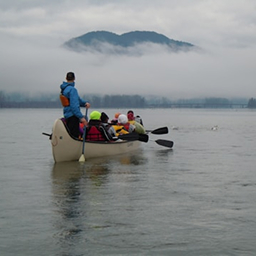
Every person on board must have a US Coast Guard approved wearable life jacket, Type I, II, III, or V. Cold water temperatures and sudden strong winds make this a serious safety requirement on Yellowstone's lakes.
Explore Yellowstone National Park
Top paddling waters
Popular Cities
Loading popular cities...
Smarter Paddling Starts in the App.
Paddleways gives you everything you need to plan smarter, paddle better, and own every trip from first launch to takeout.