Paddling in Wyoming
- Lakes
- 2,532
- Rivers
- 5,763
- Access
- 477
- Boat Ramps
- 231
- Shops
- 13
Wyoming is a big-water, big-country paddling state — a place where two of the most iconic national parks in the country sit on top of some of its best paddling, and where the whitewater scene splits cleanly between the Jackson Hole corridor in the west and the Cody corridor in the north.
There aren't many paddlers per square mile here. There is a lot of water, a lot of wilderness, and a permit system that takes the whole thing seriously.
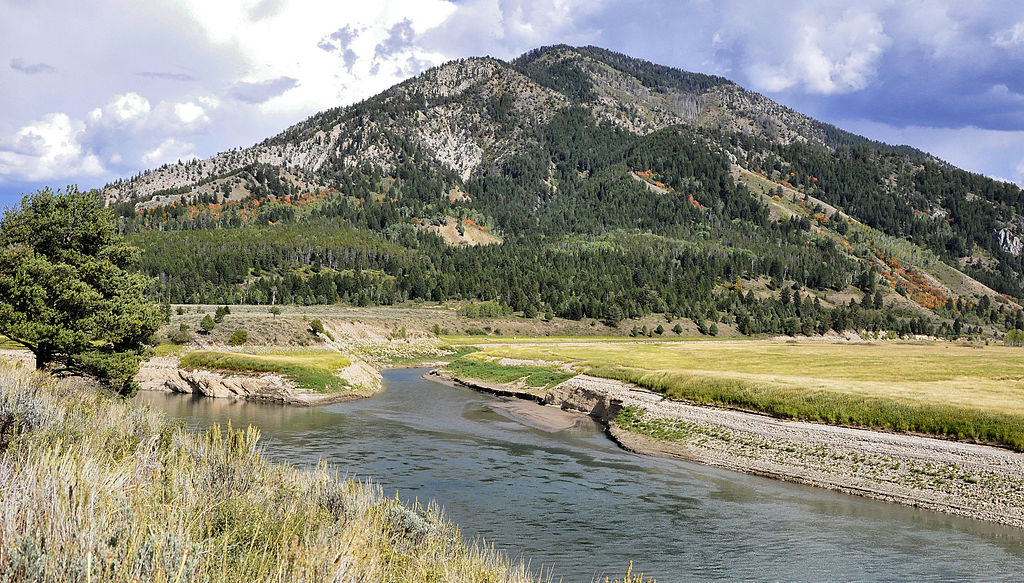
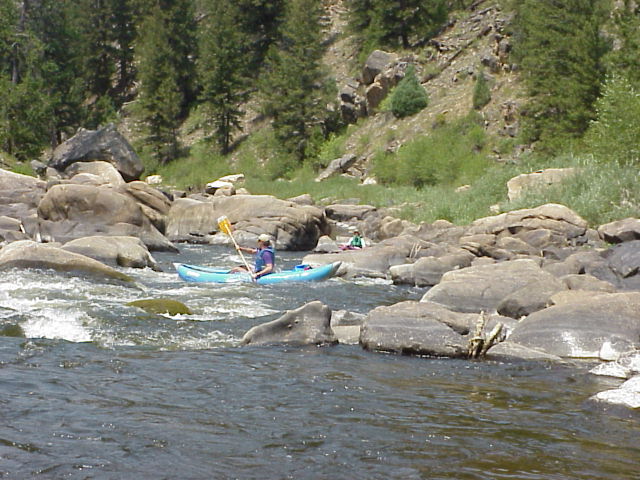
The Snake River Canyon south of Jackson is the flagship — eight miles of Class II–III through steep walls, with named waves like Lunch Counter and Big Kahuna that define the local culture.
Spring runoff in early June pushes it into Class IV territory; by late summer it mellows toward Class II+. The water rarely climbs above 60°F at any point in the season, which is the single most important fact for anyone showing up without a guide.
North of the canyon, in Grand Teton, the same river slows into the braided cottonwood corridor below Jackson Lake Dam — Oxbow Bend, moose, eagles, and an easy five miles down to Pacific Creek. The contrast is the point.
You can run Big Kahuna in the morning and float past a bull moose in the afternoon. Cody runs quieter and more local.
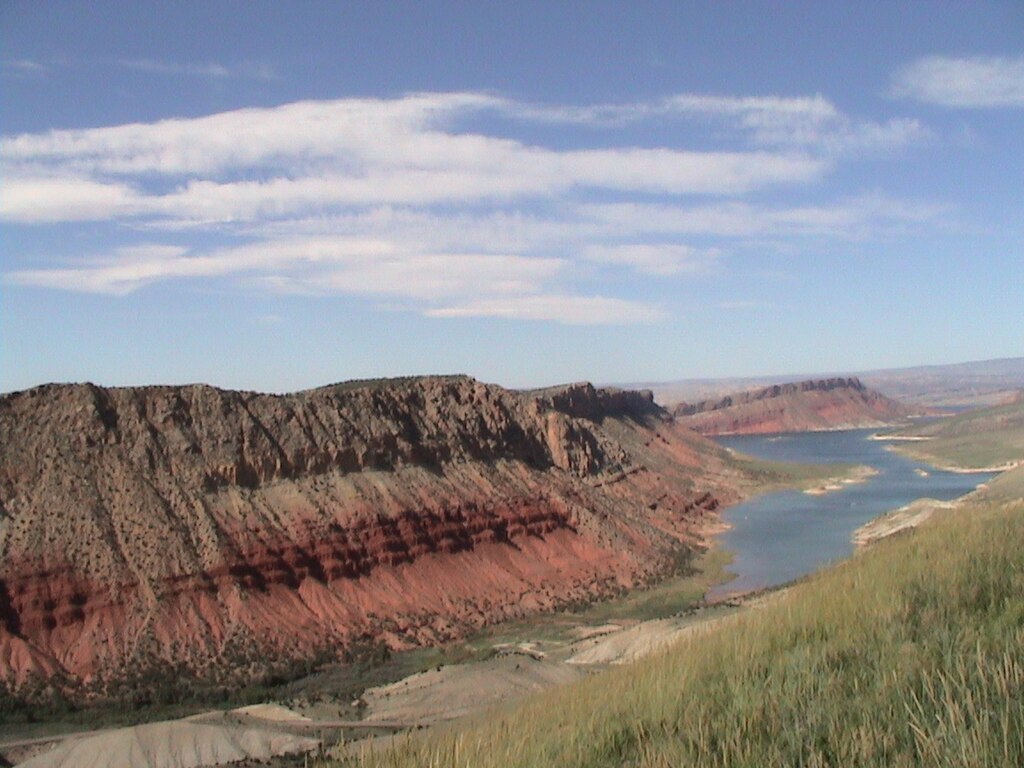
The Shoshone has two faces: the Red Canyon's scenic Class II–III, where commercial guiding in Wyoming began in 1978, and the North Fork outside Yellowstone's East Gate — Class III+ in grizzly country with no real cell service.
Because the Shoshone is dam-regulated below Buffalo Bill Reservoir, it stays paddleable through August when free-flowing rivers in the region are scraping bottom.
That late-season window is what anchors Wild West Riverfest each August — slalom, boater-cross, sprint races including SUP, organized by the Wild West Paddle Club out of Cody. The Wind River Canyon is its own situation.
Private boats aren't allowed on the reservation section; the only legal access is through Wind River Canyon Whitewater & Fly Fishing, the exclusive outfitter permitted by the Eastern Shoshone and Northern Arapaho Tribes. It's worth the trip.
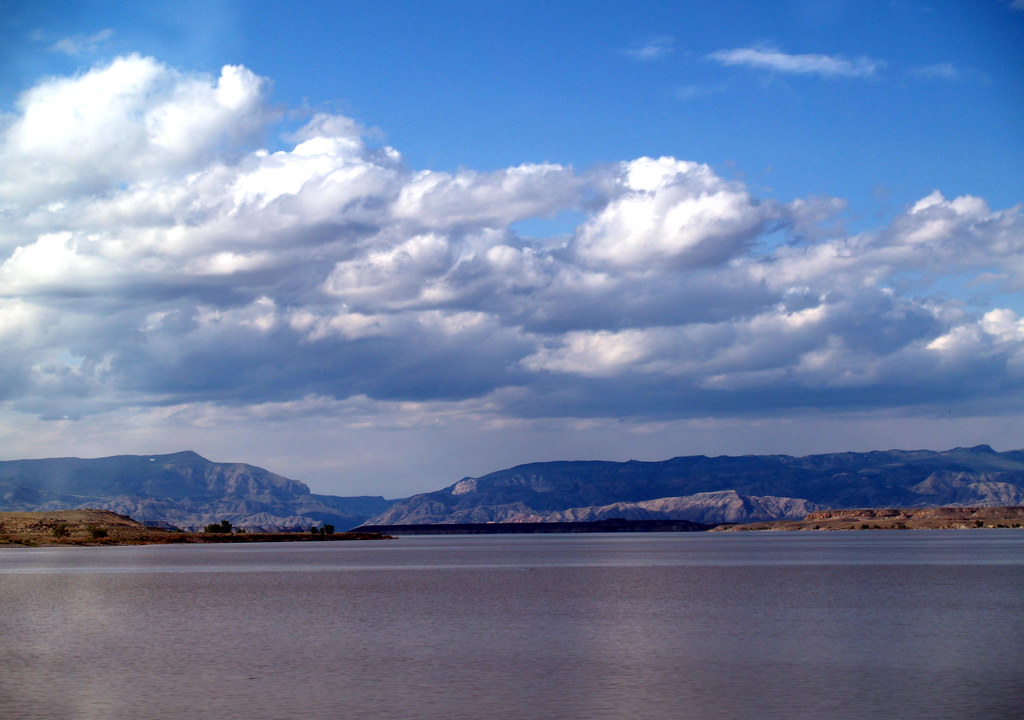
So is the lake paddling — Yellowstone Lake at over 135 square miles, Jackson Lake at 25,540 acres, both prone to sudden storms that demand sea-kayak judgment. Start early. Hug the shore when wind comes up. A few logistics shape everything.
Every hull entering Wyoming water from out of state needs an AIS inspection from March through November. Grand Teton and Yellowstone run separate permit systems that don't honor each other — paddle both, pay both.
For the experienced and self-sufficient there's Bitch Creek's 13 committing miles near the Idaho border, and the Wind River Range itself, where packrafts on a multi-day traverse remain the most honest way to see the country.
Paddle smarter with real-time insights
Whether you're en route and conditions shift or you're looking for the best spot based on current flows, we enable you to make informed decisions on the fly.



Wyoming licenses and regulations
National parks in Wyoming
Explore Wyoming waters
Top paddling waters
Popular Cities
Loading popular cities...
Smarter Paddling Starts in the App.
Paddleways gives you everything you need to plan smarter, paddle better, and own every trip from first launch to takeout.