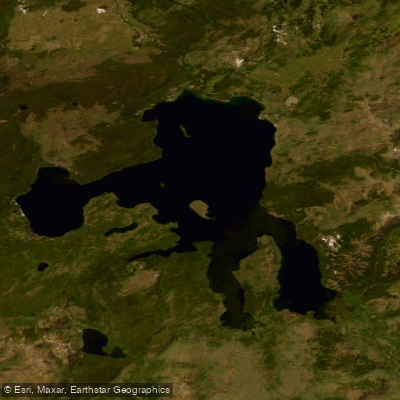
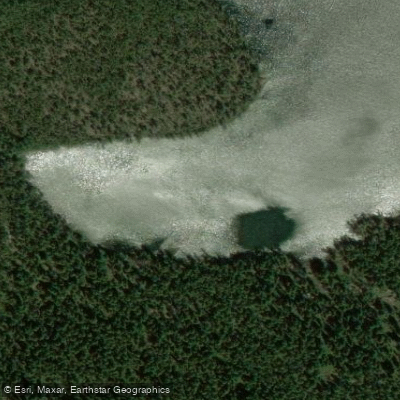
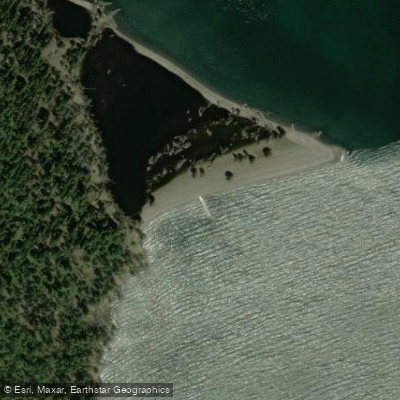
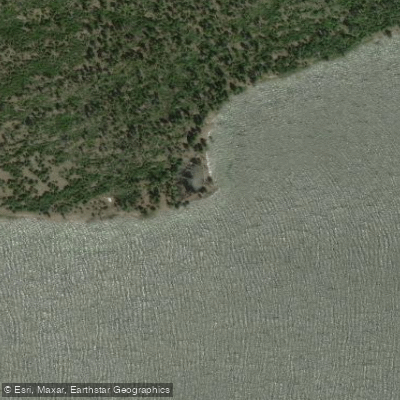
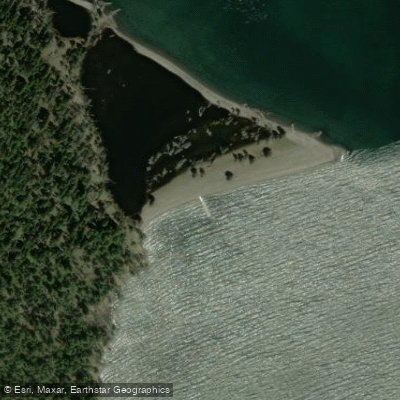
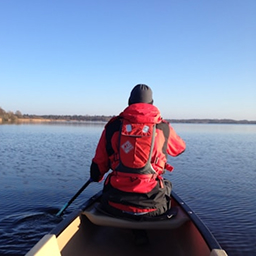
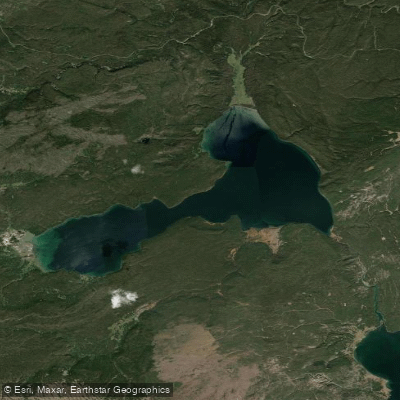
Yellowstone Lake, the largest high-alpine lake in North America at nearly 8,000 feet elevation, offers a unique paddling experience in Yellowstone National Park. The lake's unusual shape features multiple arms and bays, providing diverse paddling opportunities. Two main boat launches accommodate both motorized and non-motorized craft, with additional small shoreline launches along Grand Loop Road.
Paddlers can explore the West Thumb Geyser Basin, observing hydrothermal features like Lakeshore Geyser up close. The lake's expansive shoreline offers numerous spots for rest stops and picnics. Wildlife sightings may include elk, moose, deer, eagles, and occasionally bears.
Safety is paramount when paddling Yellowstone Lake. The water is very cold year-round, and weather conditions can change rapidly. Strong winds frequently develop, especially in the afternoons, creating choppy conditions. Paddlers should stay close to shore, start early to avoid wind, and be prepared for sudden storms.
The best times for paddling are June and September, avoiding peak tourist season in July and August. Mornings and evenings typically offer calmer conditions. A park entrance fee and boat permit are required. Guided tours are available and recommended, particularly for less experienced paddlers.
Popular paddling routes include exploring the Bridge Bay area, with options to paddle to Gull Point or north to the Lake Village area. The West Thumb area is another focal point for kayak tours, offering close-up views of geothermal features.
Yellowstone Lake's pristine waters and surrounding wilderness provide a paddling experience that combines scenic beauty, wildlife viewing opportunities, and the unique chance to observe geothermal activity from the water. Paddlers should be well-prepared for cold water, changeable weather, and the challenges of high-altitude paddling.