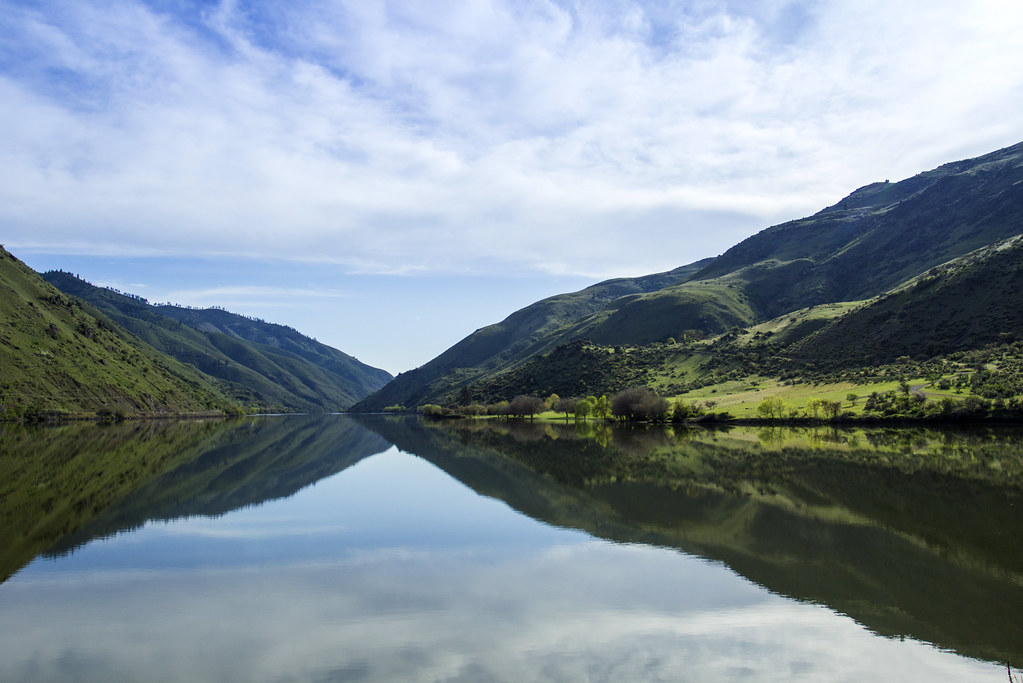
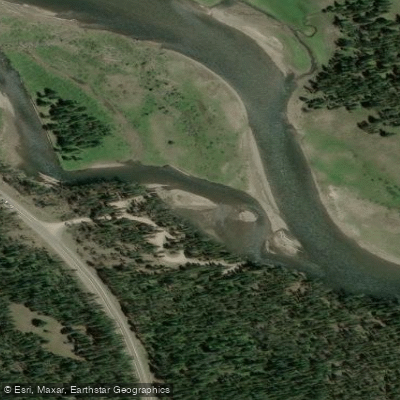
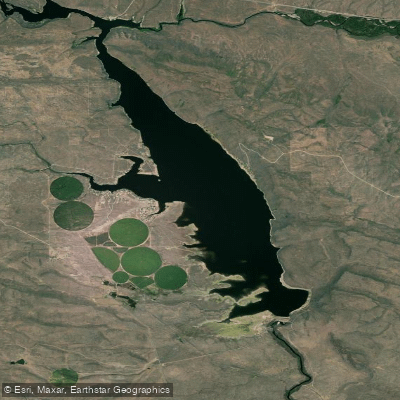
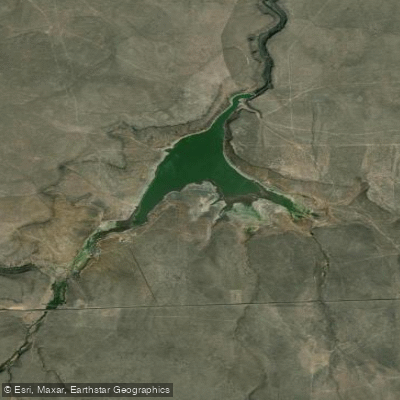
The Snake River is a major waterway that winds through Wyoming, Idaho, and Oregon, offering a diverse range of paddling experiences from serene flatwater to challenging whitewater. Beginning in Wyoming's Grand Teton National Park, the river flows westward through southern Idaho before turning north to form the border between Idaho and Oregon, eventually joining the Columbia River in Washington.
Paddlers can enjoy a variety of sections suited to different skill levels. In Grand Teton National Park, beginners can float the scenic 5-mile stretch from Jackson Lake Dam to Pacific Creek, taking in stunning views of the Teton Range. As the river progresses, it offers increasingly challenging runs, with the 8-mile Alpine Canyon section near Jackson, Wyoming providing exciting Class III-IV rapids popular among intermediate to advanced paddlers.
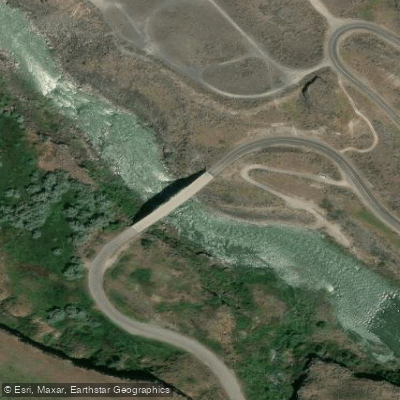
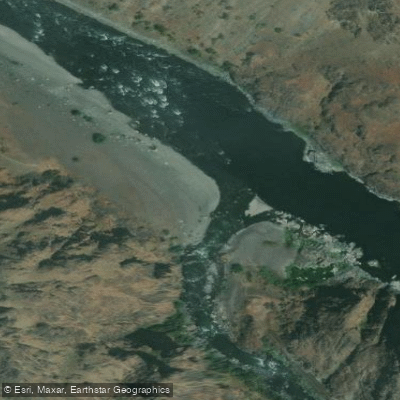
The river's difficulty ranges from flatwater to Class V+, with some of the most challenging sections found in Idaho. The infamous Milner Mile, a 1.3-mile stretch of continuous Class V+ rapids, is considered one of the most intense whitewater runs in the lower 48 states when it's flowing. Further downstream, Hells Canyon offers a premier multi-day wilderness trip with Class III-IV rapids cutting through North America's deepest river gorge.
The best time to paddle the Snake River varies by section. In Wyoming and upper Idaho, late spring through early fall offers ideal conditions. The Hells Canyon section is typically run from May through September. Some sections, like the Milner Mile, are only runnable during specific release periods, usually in spring when snowmelt increases water levels.
Wildlife is abundant along the Snake River. Paddlers may spot bald eagles, ospreys, moose, and even bears in some areas. The river corridor supports diverse ecosystems, from alpine forests in the upper reaches to arid canyon lands further downstream. Notable landmarks include the Grand Tetons, Shoshone Falls (higher than Niagara Falls), and the impressive basalt cliffs of Hells Canyon.
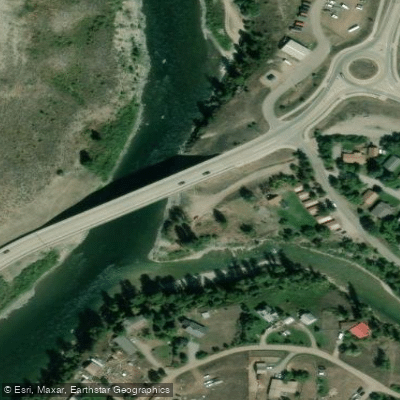
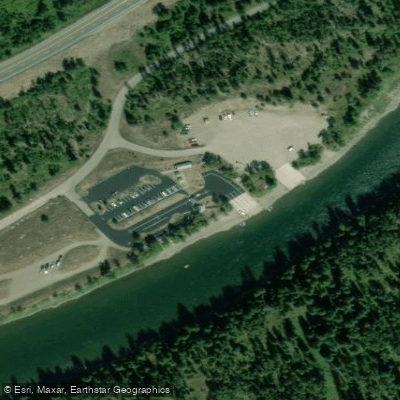
The river passes near several towns that serve as access points, including Jackson, Wyoming; Twin Falls, Idaho; and Lewiston, Idaho. The Snake River holds significant historical and cultural importance. It was a major transportation route for Native American tribes and later played a crucial role in the Lewis and Clark expedition. Today, it remains vital for irrigation, hydroelectric power, and recreation.
Safety considerations vary by section, but all paddlers should be aware of rapidly changing water levels, especially below dams. Personal flotation devices are required, and permits are necessary for certain sections, particularly in Hells Canyon and Grand Teton National Park. For those seeking multi-day adventures, the 79-mile Hells Canyon trip from Hells Canyon Dam to Heller Bar is a classic, typically taking 5-6 days. In Wyoming, paddlers can link several sections for extended trips through Grand Teton National Park and beyond.
Whether you're seeking a peaceful float with mountain views or an adrenaline-pumping whitewater experience, the Snake River offers a paddling adventure to suit almost any preference and skill level.