Lackawanna River
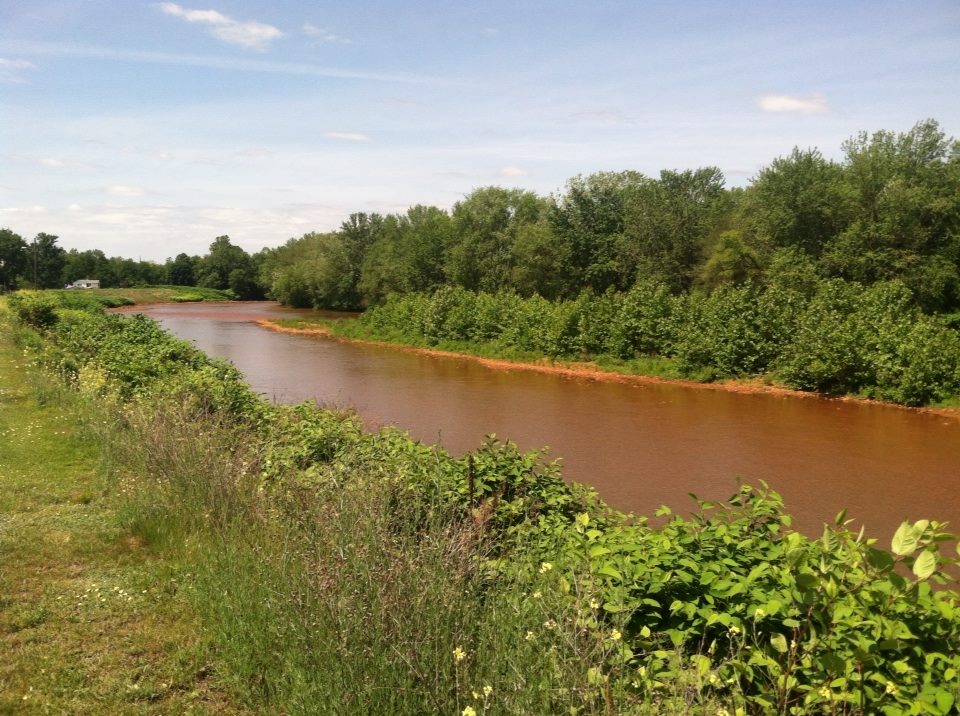
Lackawanna River
- Boat Ramps
- 0
- Access Points
- 19
- Campsites
- 2
The Lackawanna River is a 42-mile long tributary of the Susquehanna River in northeastern Pennsylvania. It originates in the southeastern corner of Susquehanna County, where its east and west branches flow into Stillwater Reservoir. From there, it flows generally southwest through Wayne, Lackawanna, and Luzerne counties before joining the Susquehanna River in Pittston.
Paddlers can enjoy several distinct sections of the Lackawanna, ranging from calm flatwater to challenging whitewater. The upper section from Stillwater Lake to Carbondale offers a scenic 9.8-mile journey with Class I-III rapids, suitable for intermediate paddlers. The lower 27-mile stretch from Carbondale to Duryea presents a more challenging Class I-IV run through urban and industrial landscapes. The river's difficulty varies seasonally, with higher water levels typically occurring from late fall through spring. Summer paddling can be limited by low water, though some deeper pools remain navigable year-round. The Lackawanna is best paddled during periods of moderate flow, offering a balance of excitement and safety.
The river valley supports diverse ecosystems, including Appalachian heath barrens on the surrounding Moosic Mountains. Paddlers may spot various bird species, deer, and occasionally black bears along the more remote upper sections. Key landmarks include the historic Steamtown National Historic Site in Scranton, where the river flows past former rail yards that played a crucial role in the region's industrial past. The Lackawanna River Heritage Trail parallels much of the river, offering additional recreational opportunities.
Popular access points include Stillwater Lake, Carbondale, Archbald, Scranton, and Duryea. These towns provide convenient put-in and take-out locations for day trips of varying lengths. The Lackawanna River played a vital role in the area's coal mining and railroad history, and its recovery from industrial pollution is a testament to ongoing conservation efforts. Today, it serves as an important recreational resource for the region.
Paddlers should be aware of several dams along the river, including Stillwater Dam and Aylesworth Dam, which require portages. Always check current water levels and weather conditions before embarking on a trip. Pennsylvania boating regulations apply, including the requirement for proper life jackets and boat registration or launch permits. While most paddlers enjoy day trips, the river's length and multiple access points allow for potential overnight adventures for more experienced kayakers and canoeists. However, careful planning is essential due to the urban nature of some sections.
Water access, boat ramps & amenities
Learn how to get on Lackawanna River. Uncover great paddling access points, boat ramps, and all the facilities you need for an unforgettable day on the water. Some locations shown may border or include private property. Always check property boundaries and applicable regulations before visiting. PaddleWays's Public & Private Land layer can help you plan your access with confidence.
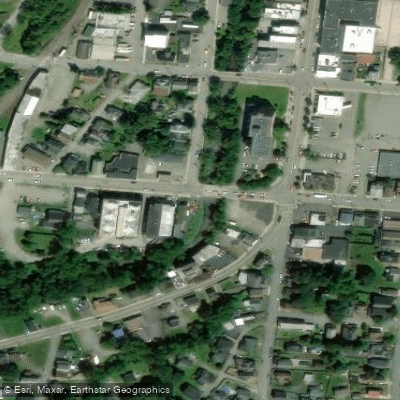
Carbondale Access
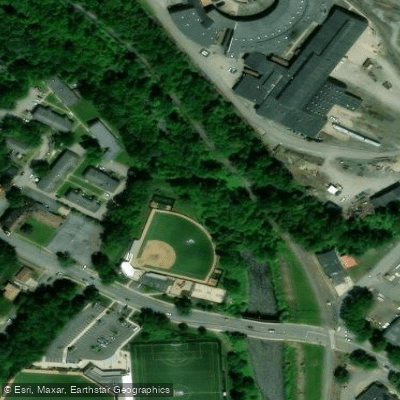
Broadway Street Access
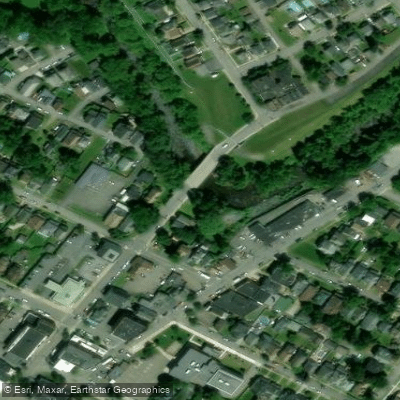
Sanderson Ave Access
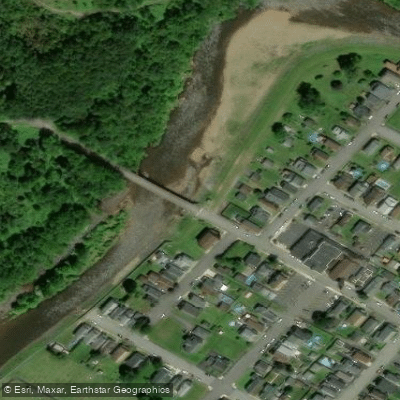
Duryea Access
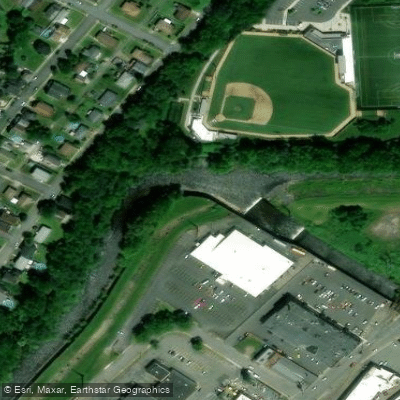
Roaring Brook Access
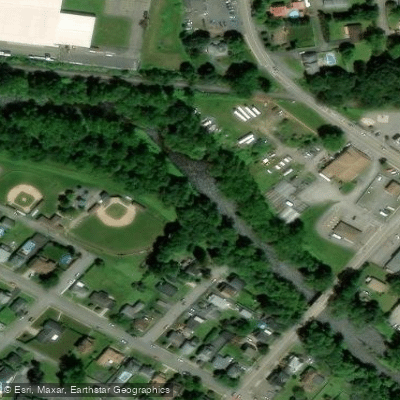
Felter Field Access
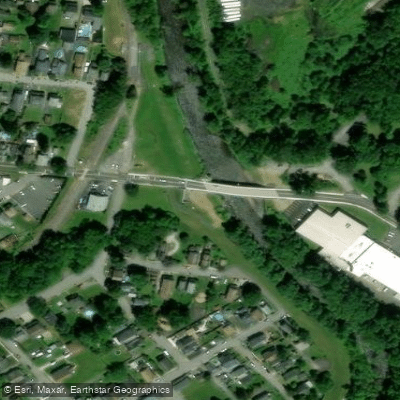
East Parker Street Access
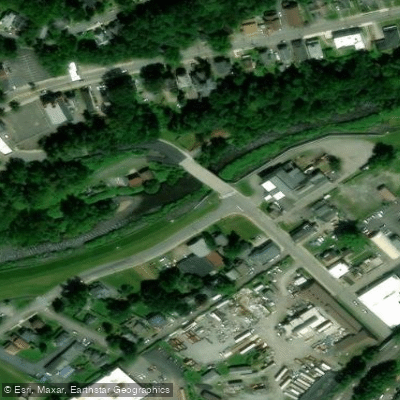
East Market Street Access
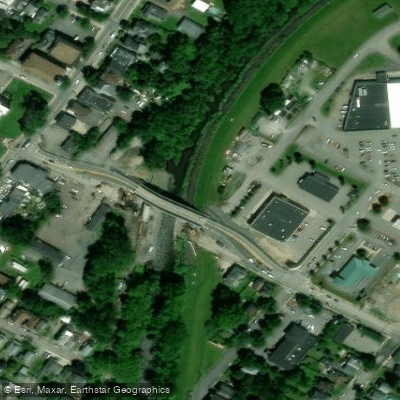
Green Ridge Street Access
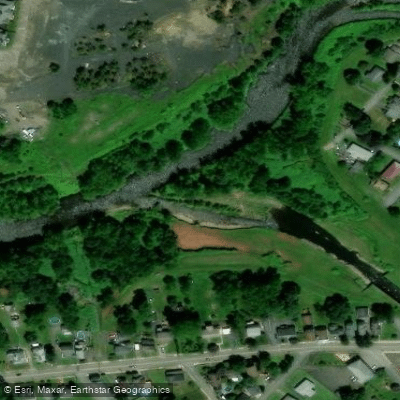
Spring Brook Access
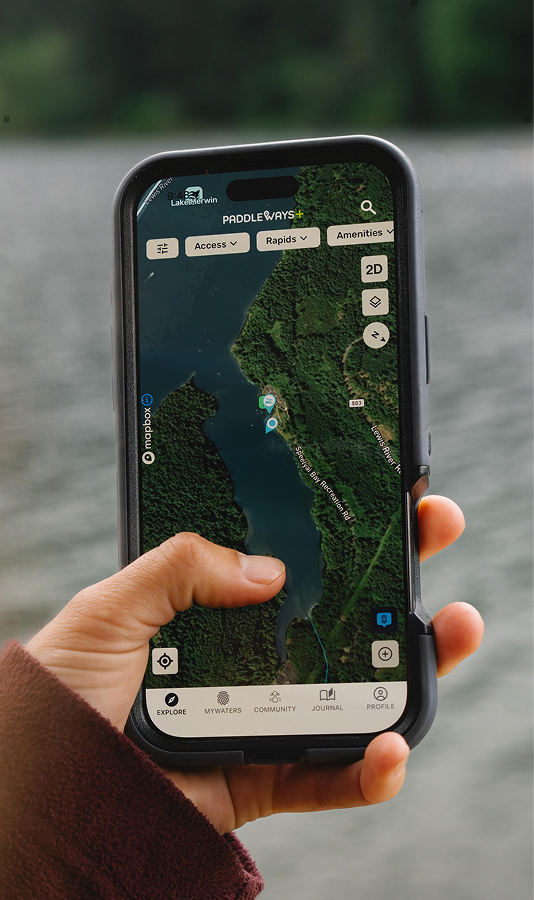
Paddle smarter with real-time insights
Whether you're en route and conditions shift or you're looking for the best spot based on current flows, we enable you to make informed decisions on the fly.







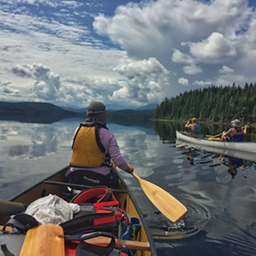
Find Places to Paddle

Over 400,000 Places to Paddle
Every user gets free access to launch points, boat ramps, and public property parcels.

Water and weather conditions (10 day forecast)
See the best times to paddle Lackawanna River and check the forecast before you go.
Lackawanna River at Archbald, PA
All Flow Stations
Paddling near Lackawanna River
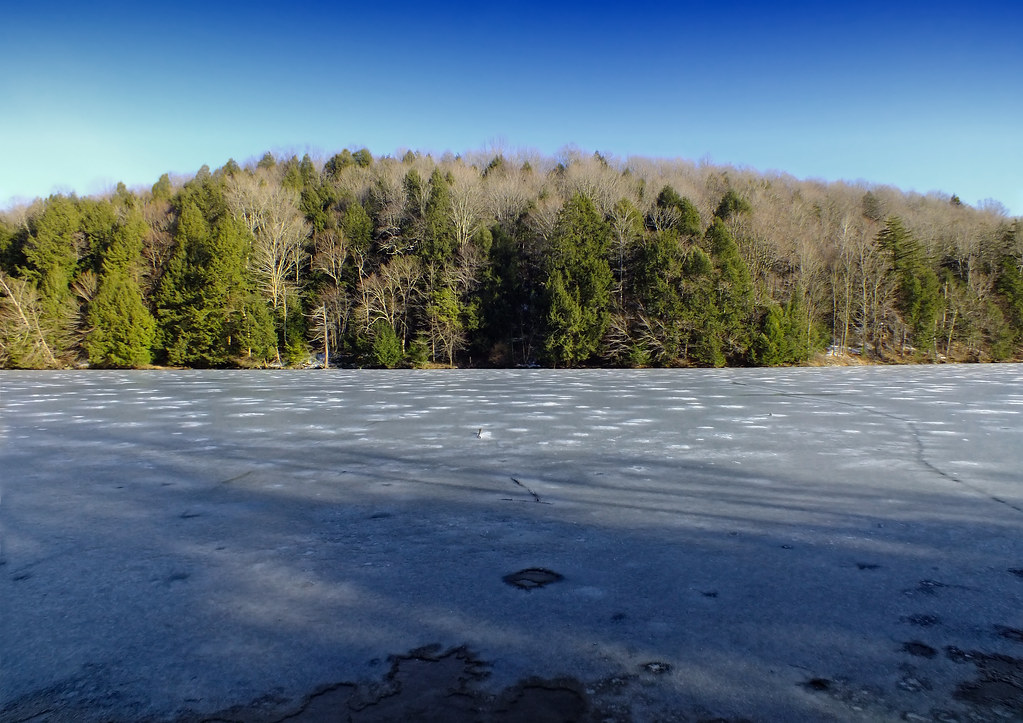
Lackawanna Lake
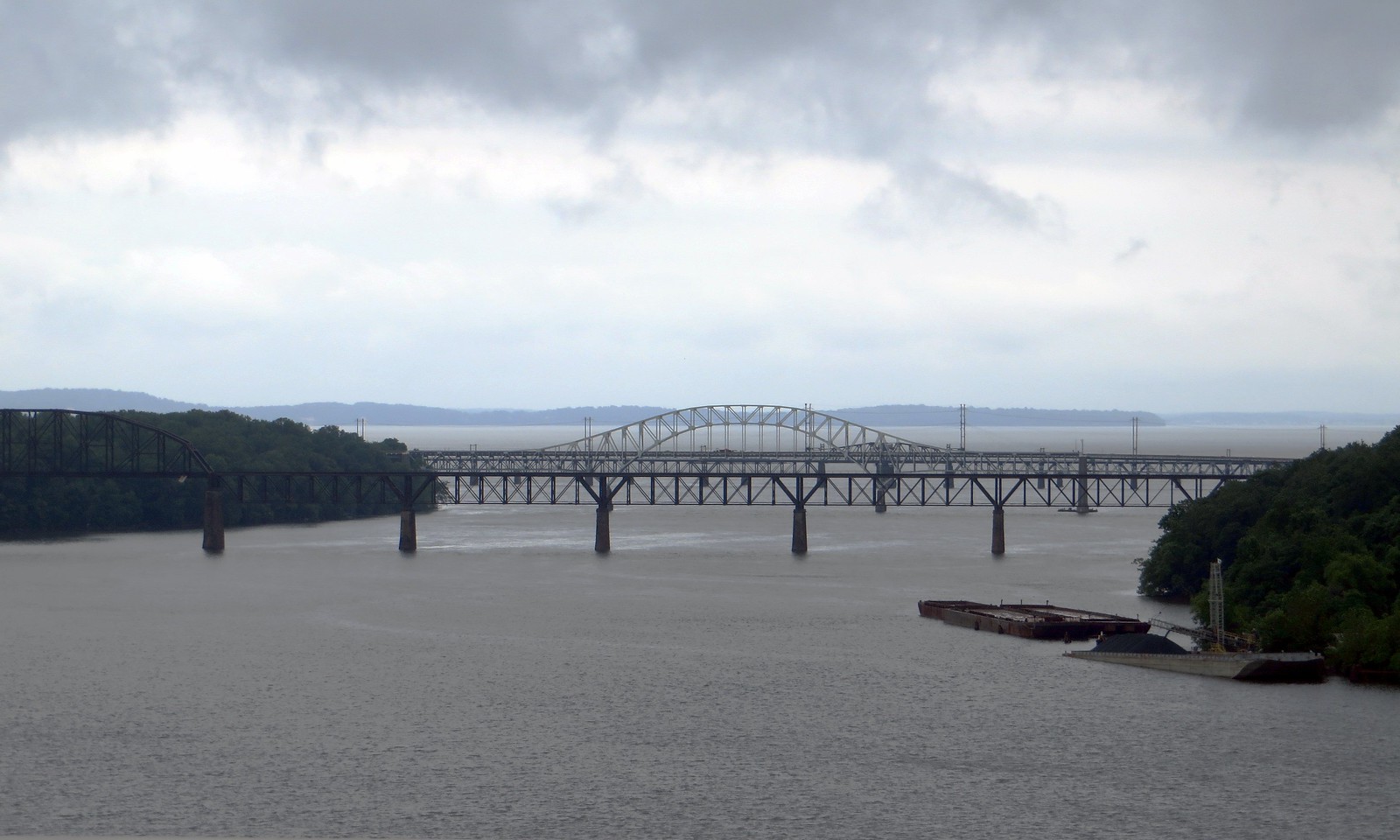
Susquehanna River
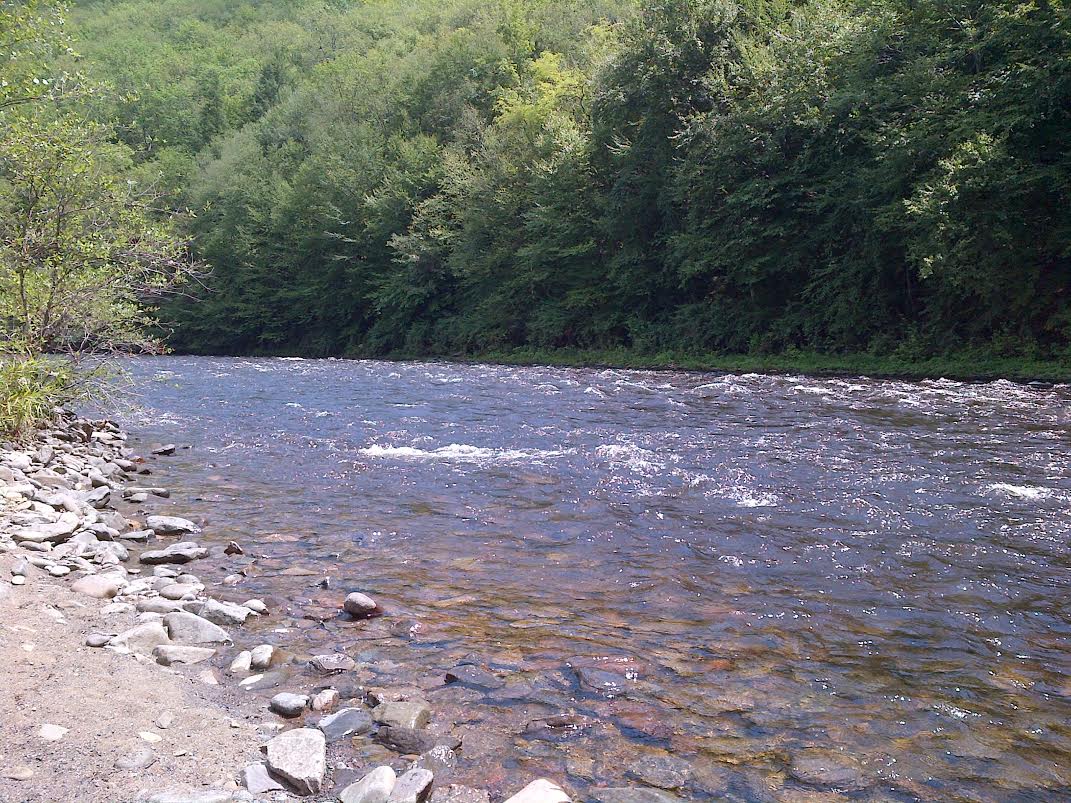
Lehigh River
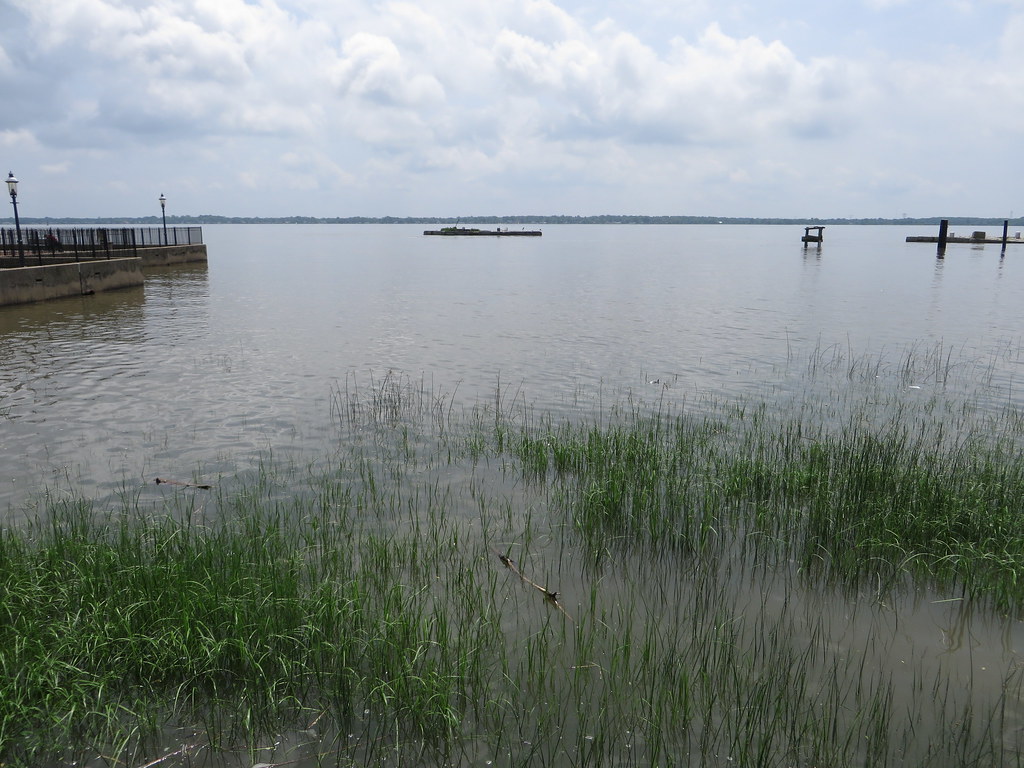
Delaware River
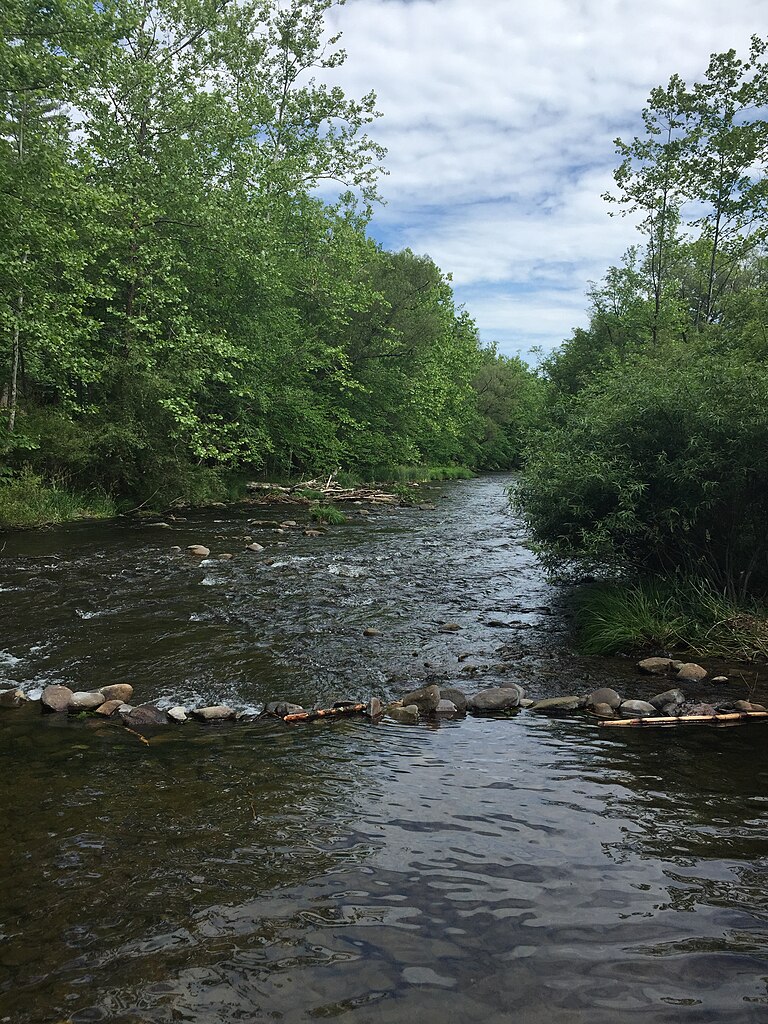
Brodhead Creek
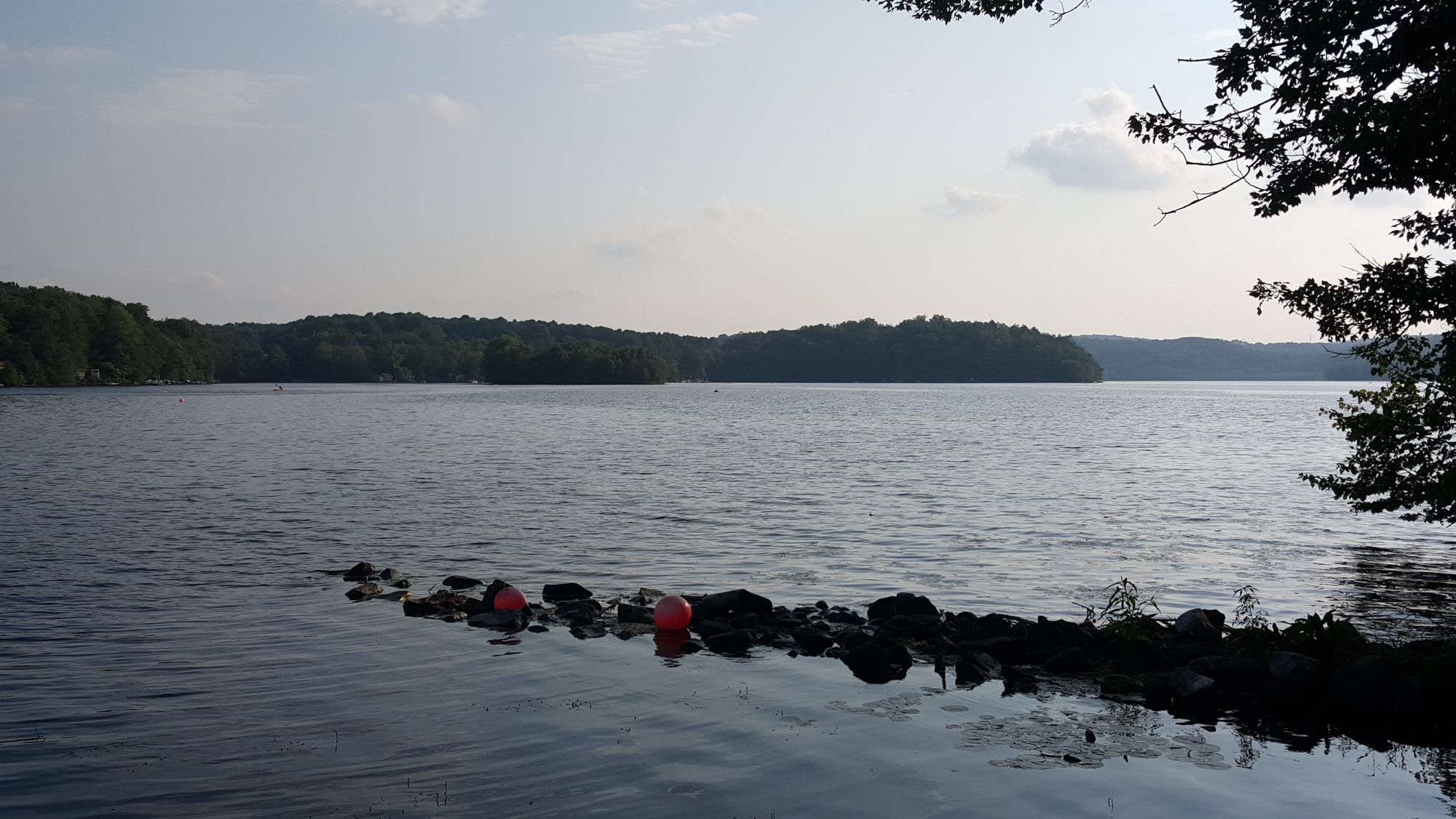
Swartswood Lake
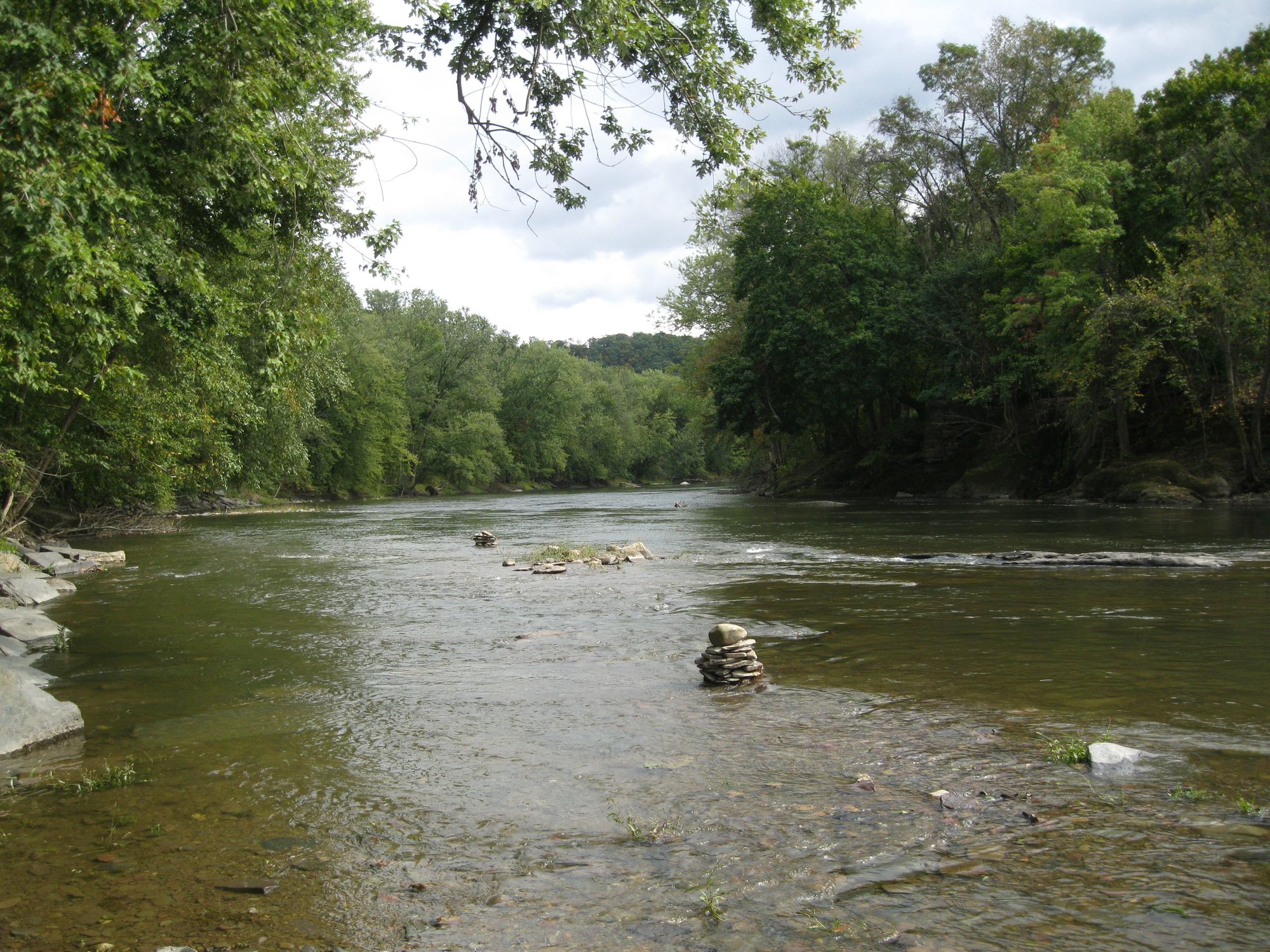
Fishing Creek
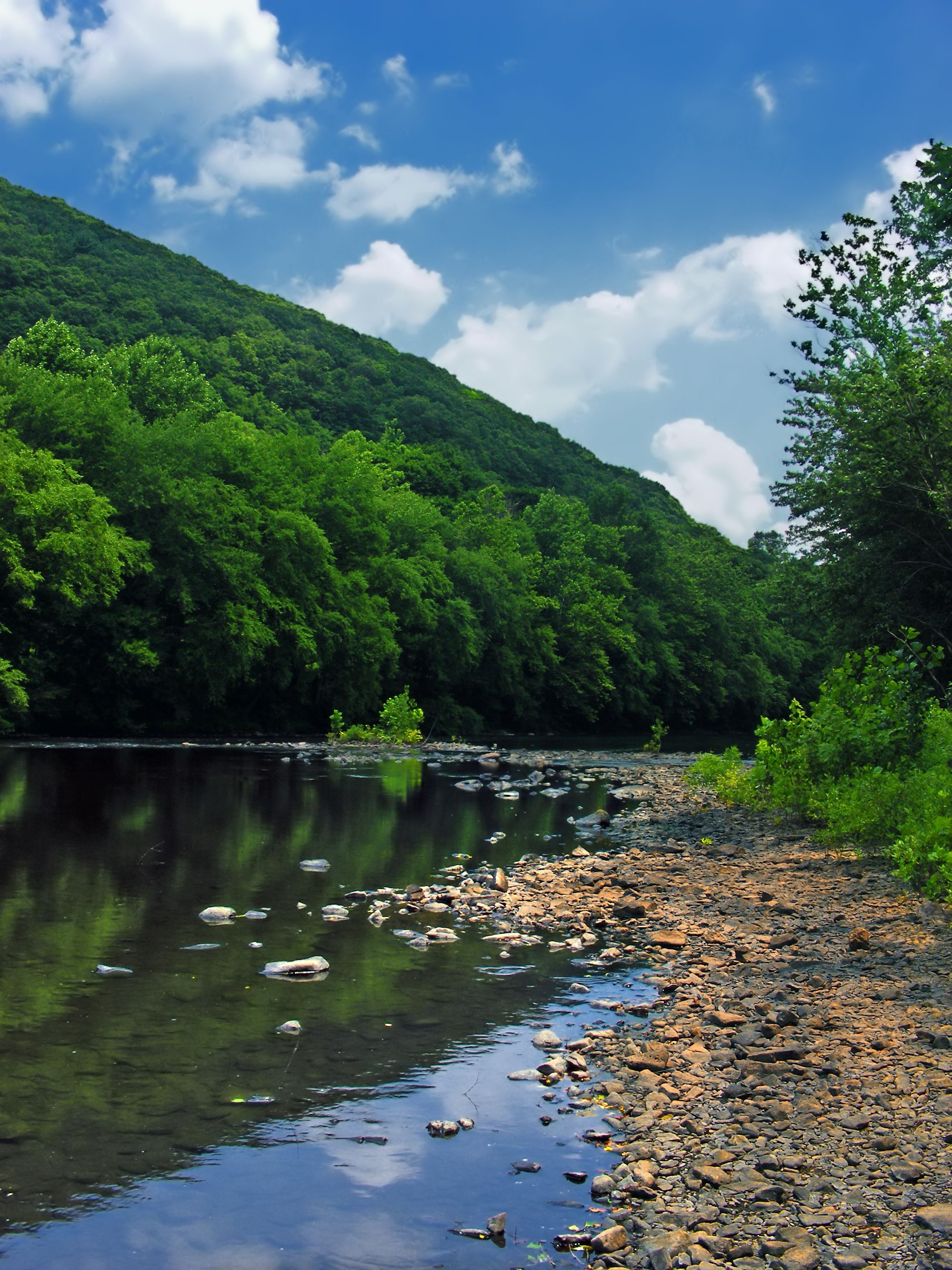
Schuylkill River
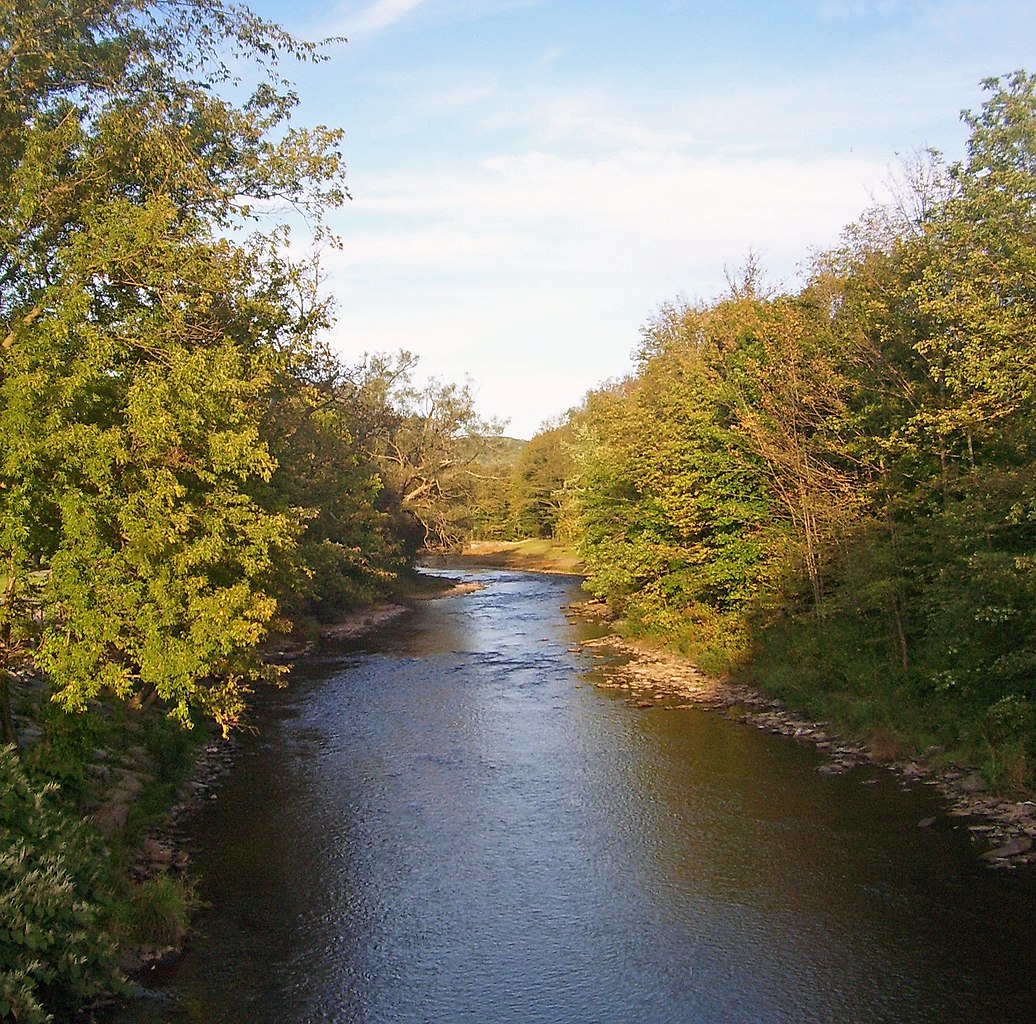
East Branch Delaware River
Explore Pennsylvania waters
Top paddling waters
Popular Cities
Loading popular cities...
Explore near Lackawanna River
Access points
Nearby waters
More in Pennsylvania
Smarter Paddling Starts in the App.
Paddleways gives you everything you need to plan smarter, paddle better, and own every trip from first launch to takeout.