Paddling in Formosa
- Lakes
- 74
- Rivers
- 56
- Access
- 0
- Boat Ramps
- 2
- Shops
- 0
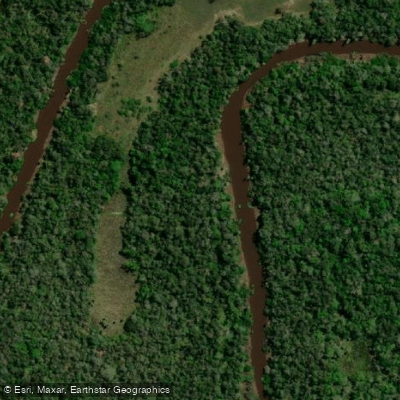
Formosa sits in the far north of Argentina, pressed against Paraguay along two of the Gran Chaco's great rivers. The paddling here is flatwater through and through — slow, wide, tannin-stained channels moving through subtropical forest and wetland.
There's no whitewater to speak of. What draws paddlers is something else entirely: the density of wildlife, the labyrinthine riachos, and the sense of moving through a landscape that hasn't been simplified.
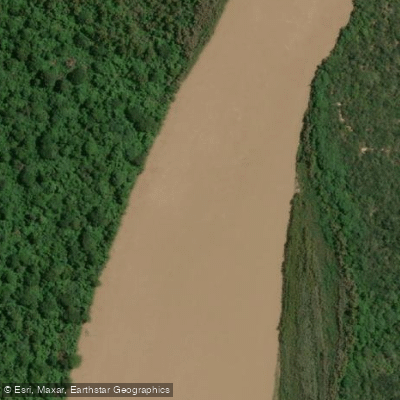
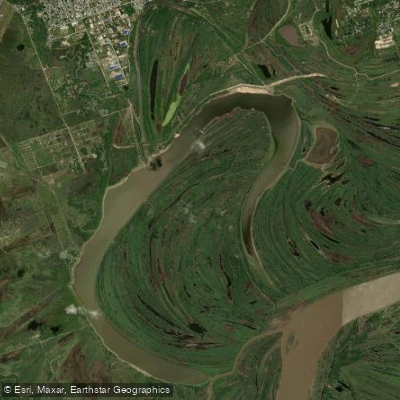
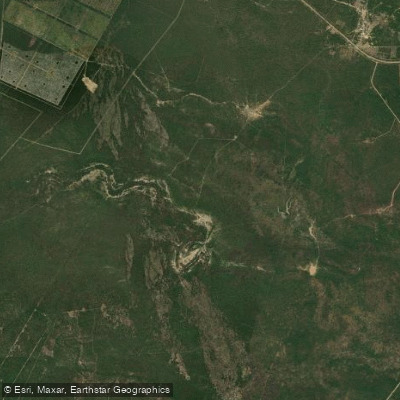
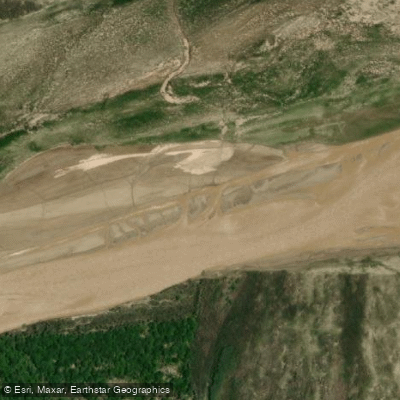
The Río Pilcomayo is the province's defining waterway, forming the border with Paraguay as it winds east across the Chaco. Its braided channels and seasonal flooding shape the whole northern half of the province.
The Río Bermejo marks the southern edge, another broad, sediment-heavy river that drains the Andean foothills by the time it reaches this far east.
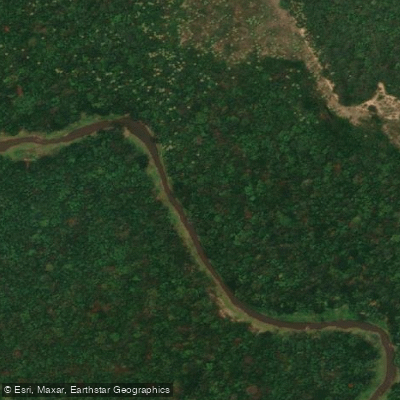
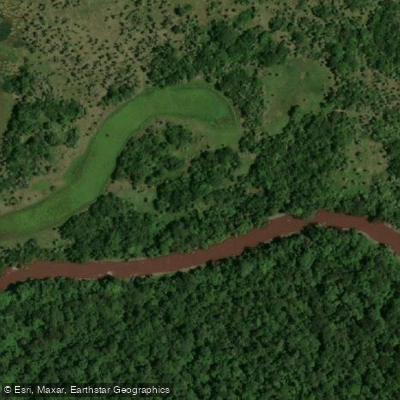
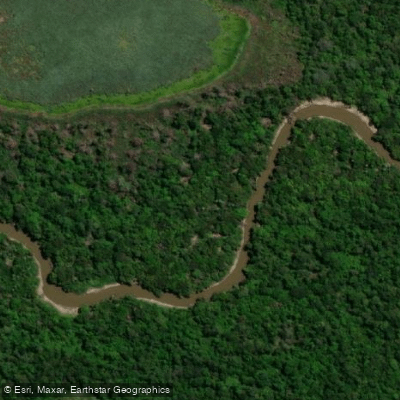
Between them, a network of riachos — Riacho Pilagá, Riacho Monte Lindo, Riacho Porteño — threads through the interior, connecting lagoons and gallery forest in ways that reward exploratory paddling more than point-to-point runs.
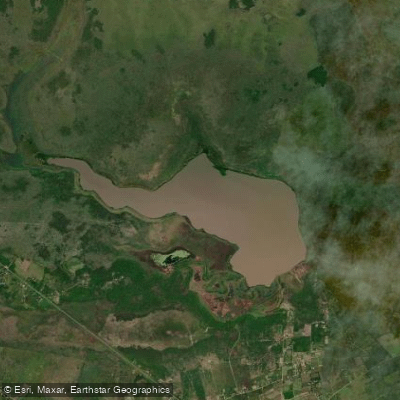
Laguna Oca, on the outskirts of the provincial capital, is where most visitors get their first paddle in.
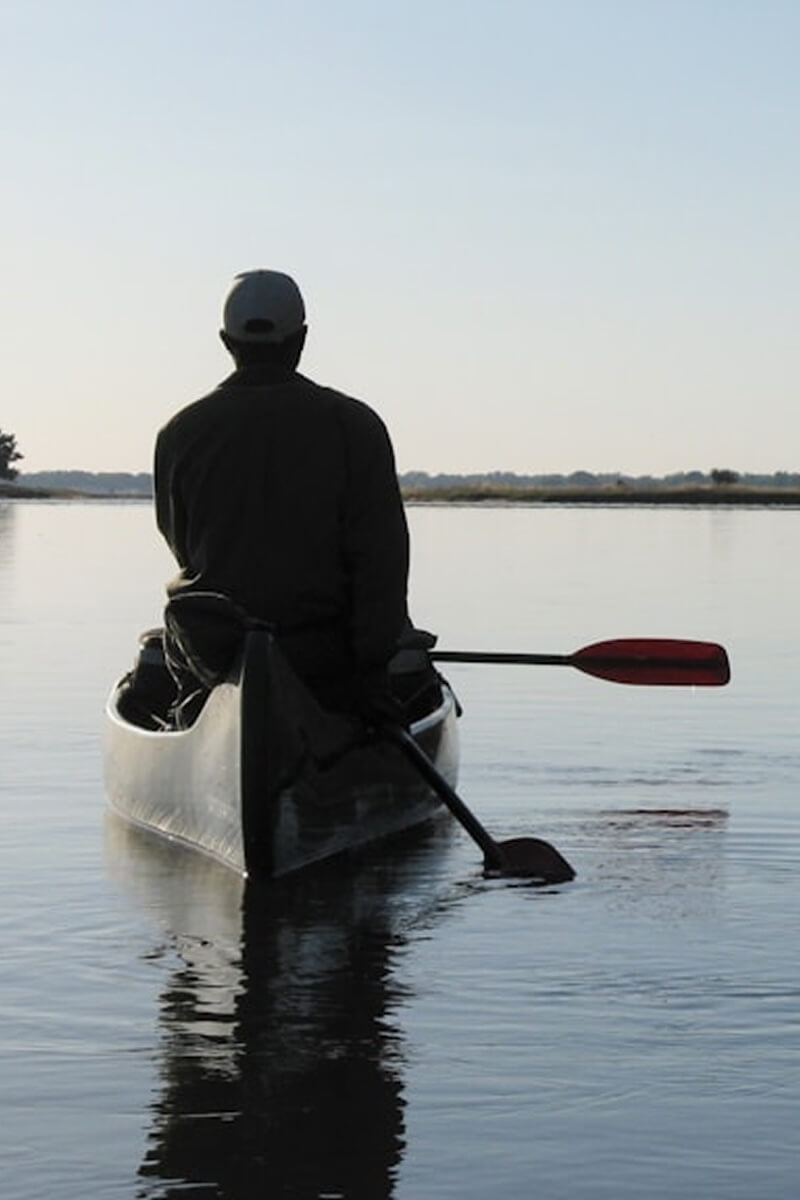
It's a Biosphere Reserve, and guided canoe trips there are well-established — the operator provides equipment, a guide, and a safety briefing before you push off into the lagoon's calm water.
Capybaras, caimans, and a serious list of waterbirds are the draw, and the pace is slow enough to actually watch them. Laguna Blanca, further into the province, sits within its own protected area and offers a similarly quiet, wildlife-focused experience.
The season matters here. Formosa's wet season runs roughly from November through March, when heat is intense and water levels rise dramatically across the riachos and floodplain lagoons. Some areas become inaccessible by road but open up by water.
The dry austral winter — June through August — brings lower water, cooler temperatures, and easier logistics for most paddlers. Spring and early autumn are the sweet spot: water still present, temperatures manageable, and the birdlife at its most active.
Access to the interior riachos can be rough, and local knowledge matters. This isn't a province with a developed paddling infrastructure outside of Laguna Oca.
If you're planning anything beyond the guided lagoon trips, connecting with local operators or the provincial tourism office before you go is worth the effort.
The Chaco ecosystem is under real pressure from agricultural expansion, and the protected areas around the Pilcomayo and the lagoons represent some of the last intact wetland habitat in the region.
Paddling quietly through it, you feel that weight — and why it's worth protecting.
Paddle smarter with real-time insights
Whether you're en route and conditions shift or you're looking for the best spot based on current flows, we enable you to make informed decisions on the fly.



Formosa licenses and regulations
Explore Formosa waters
Top paddling waters
Popular Cities
Loading popular cities...

Smarter Paddling Starts in the App.
Paddleways gives you everything you need to plan smarter, paddle better, and own every trip from first launch to takeout.