Paddling in São Paulo
- Lakes
- 512
- Rivers
- 1,996
- Access
- 177
- Boat Ramps
- 9
- Shops
- 0
São Paulo state sits in the southeast of Brazil, where the Serra do Mar mountains drop toward the Atlantic and a dense network of rivers drains inland toward the Paraná basin.
It's a state of contrasts for paddlers: big reservoir flatwater within reach of the megalopolis, coastal sea kayaking along one of the most scenic stretches of the Brazilian coast, and enough moving water in the interior to keep whitewater paddlers busy on weekends.
The Costa Verde coastline, running between São Paulo and Rio de Janeiro, is where the sea kayaking scene concentrates.
Atlantic rainforest comes down hard to the water here, and the paddling reflects that — coves, channels, and the kind of shoreline that rewards slow travel.
Ilhabela, the island biosphere reserve off the state's coast, draws paddlers specifically: calmer water on the sheltered side suits those still finding their stroke, while the wilder eastern shore and the submerged wrecks to the south give more experienced paddlers something to work toward.
Inland, Brotas has built a reputation around adventure tourism, with the rivers nearby providing accessible moving water.
The whitewater around Juquitiba, southwest of the city, has been a weekend staple for São Paulo paddlers for years — the operator CANOAR runs trips there, with a stretch that runs through a handful of Class I–II rapids over roughly 6 kilometres before finishing at a reservoir.
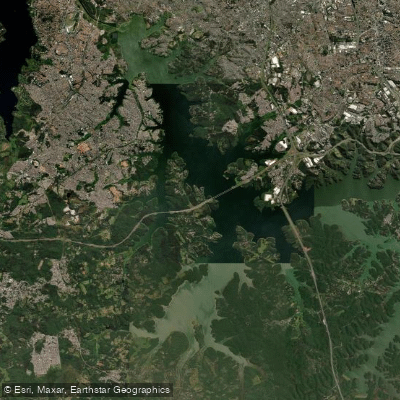
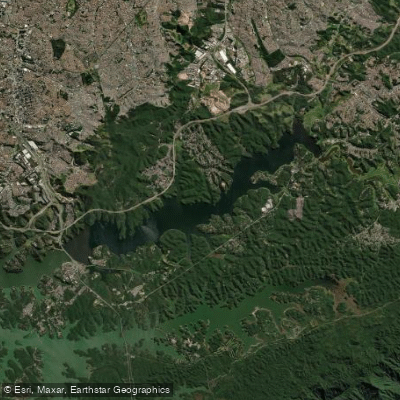
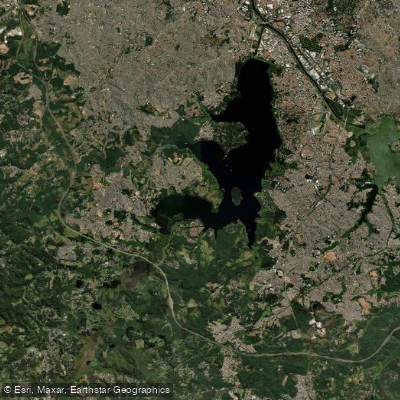
It's not expedition paddling, but it's a legitimate introduction to moving water and draws a consistent crowd from the city. The reservoirs — Billings, Guarapiranga, Jurumirim — are the flatwater backbone of the state.
They're large, accessible, and heavily used, which means they're good for training and touring but not for solitude.
The Rio Ribeira, Rio Paraíba do Sul, and Rio Jaguari are among the rivers that anchor the interior paddling scene, though water levels shift significantly between the wet summer months (roughly November through March) and the drier winter.
That seasonal swing matters here. Summer brings rain and higher flows — good for whitewater, harder on planning. Winter is drier and more predictable, better for flatwater and coastal trips.
Fishing from a paddlecraft requires a license from IBAMA, Brazil's environmental agency; check current requirements directly with them before you go.
The state carries the weight of being home to one of the world's largest cities, and the rivers close to São Paulo show it — pollution and development pressure are real.
The cleaner water is generally further out, and the paddlers who know the state well tend to travel for it.
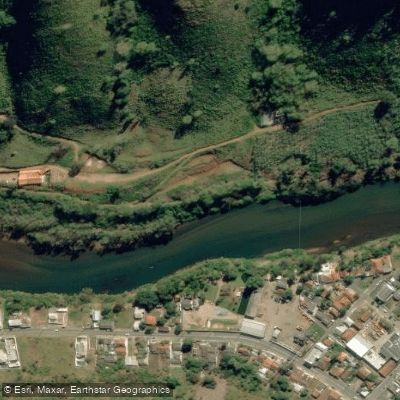
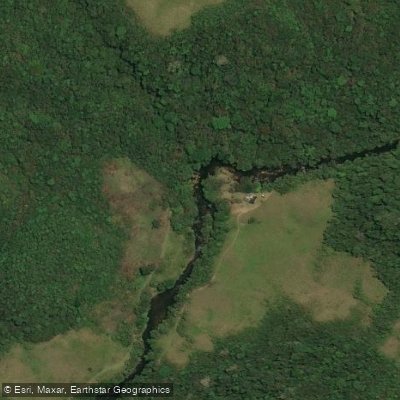
Top waters to paddle near Sao Paulo
Paddle smarter with real-time insights
Whether you're en route and conditions shift or you're looking for the best spot based on current flows, we enable you to make informed decisions on the fly.



São Paulo licenses and regulations
Explore São Paulo waters
Top paddling waters
Popular Cities
Loading popular cities...
Smarter Paddling Starts in the App.
Paddleways gives you everything you need to plan smarter, paddle better, and own every trip from first launch to takeout.