Paddling in Ireland
- Lakes
- 4,529
- Rivers
- 23,222
- Access
- 172
- Boat Ramps
- 97
- Shops
- 33
Ireland doesn't announce itself as a paddling destination, but the water is everywhere — lacing through bogland, pooling into island-studded loughs, cutting steep valleys before spilling into the Atlantic.
The country is small enough to drive across in a few hours, yet the variety of water is genuinely surprising: coastal sea kayaking, flatwater lake touring, and rain-fed whitewater rivers that come alive in autumn and winter.
The inland network is the backbone of it all.
Waterways Ireland manages over 1,000 kilometres of navigable water, and the Lough Erne system in Fermanagh is the kind of place you can lose days in — a maze of bays, narrow channels, and islands where the paddling is unhurried and the route-finding is half the fun.
Further south, the River Shannon's upper reach around Lough Allen draws paddlers who want moving water without committing to whitewater, and the Barrow River through Kilkenny and Carlow mixes flatwater stretches with weirs and short rapids, all framed by a 250-year-old lock system.
For whitewater, Ireland runs on rain, which means the season peaks from autumn through early spring. The Bundorragha in County Mayo is a short, punchy Grade 2-3 run set against the landscape of Delphi.
GalwayFest, now in its 13th year and one of the larger kayaking festivals on the international calendar, signals that the western rivers have a real community behind them.
Summer whitewater is limited — paddlers joke about what little there is — so if moving water is the goal, timing matters. Sea kayaking opens up a different Ireland entirely.
Connemara's coastline, Dalkey Island outside Dublin with its seal colony and Napoleonic-era tower, and the sea caves along the west coast all reward paddlers willing to read conditions carefully. The Atlantic exposure means weather windows can close fast.
Biosecurity is taken seriously here. Ireland holds some of the last populations of white-clawed crayfish, and crayfish plague has already reached the Barrow and Suir.
Canoeing Ireland asks paddlers to clean, disinfect, and dry all gear — a 48-hour drying period after disinfection — and to avoid carrying gear between those affected rivers and clean systems. It's a real ask, and worth taking seriously.
Access on non-tidal rivers isn't always straightforward; the legal picture resembles England's more than Scotland's, so checking with Canoeing Ireland or Irish Whitewater (iww. ie) before showing up at a put-in is worth the five minutes. The water is good.
Treat it accordingly.
Top waters to paddle near Ireland
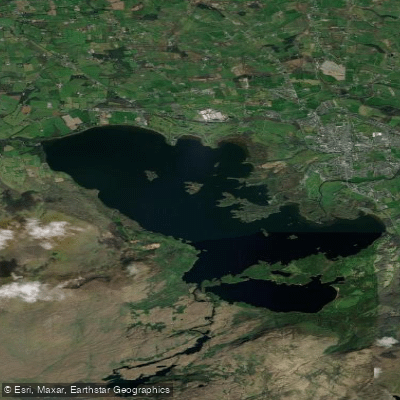
Lough Leane
Lee [Cork]
Inny [Shannon]
Avonbeg
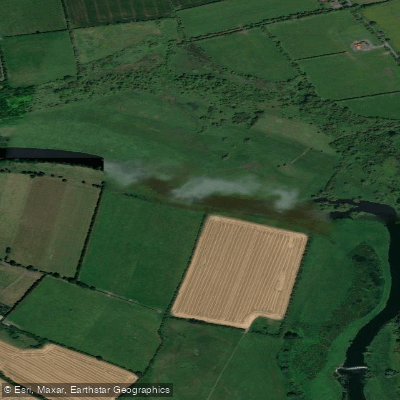
Boyne
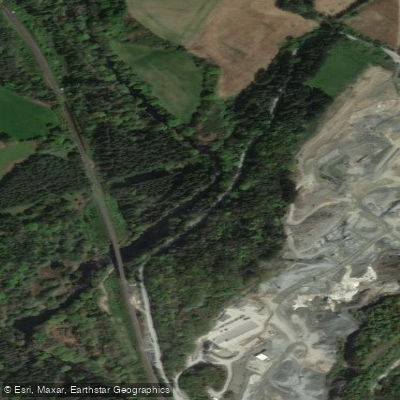
Avonmore
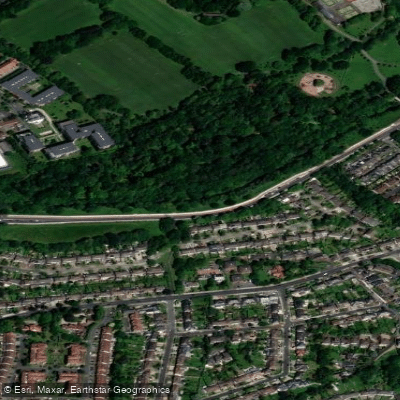
Dodder
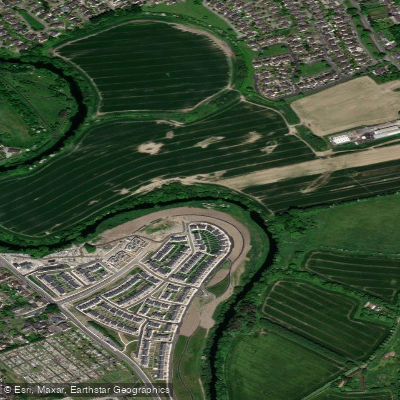
Liffey
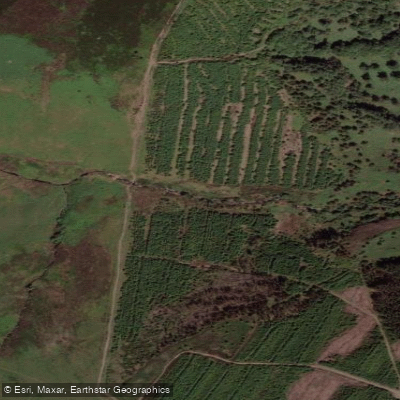
Dargle
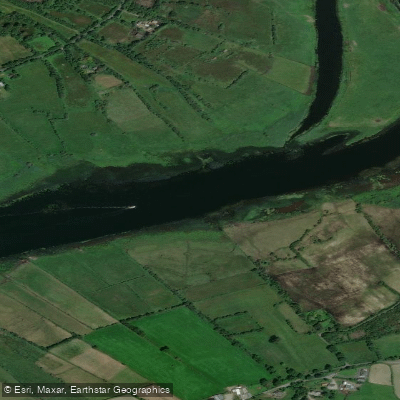
Shannon [Upper]
Paddle smarter with real-time insights
Whether you're en route and conditions shift or you're looking for the best spot based on current flows, we enable you to make informed decisions on the fly.







Cities in Ireland
- Abbeyfeale, Co. Limerick
- Abbeyleix, Co. Laois
- Ardee, Co. Louth
- Ardnacrusha, Co. Clare
- Arklow, Co. Wicklow
- Ashbourne, Co. Meath
- Athenry, Co. Galway
- Athlone, Co. Westmeath
- Athy, Co. Kildare
- Bagenalstown, Co. Carlow
- Bailieborough, Co. Cavan
- Balbriggan, Co. Dublin
- Ballaghaderreen, Co. Roscommon
- Ballina, Co. Mayo
- Ballina, Co. Tipperary
- Ballinasloe, Co. Galway
- Ballinrobe, Co. Mayo
- Ballybay, Co. Monaghan
- Ballybofey, Co. Donegal
- Ballybunnion, Co. Kerry
- Ballyconnell, Co. Cavan
- Ballyhaunis, Co. Mayo
- Ballyjamesduff, Co. Cavan
- Ballylinan, Co. Laois
- Ballymahon, Co. Longford
- Ballymote, Co. Sligo
- Ballyragget, Co. Kilkenny
- Ballysadare, Co. Sligo
- Ballyshannon, Co. Donegal
- Baltinglass, Co. Wicklow
- Banagher, Co. Offaly
- Bandon, Co. Cork
- Barna, Co. Galway
- Belturbet, Co. Cavan
- Birr, Co. Offaly
- Blackrock, Co. Louth
- Blanchardstown, Co. Dublin
- Blessington, Co. Wicklow
- Boyle, Co. Roscommon
- Bray, Co. Wicklow
- Bunclody, Co. Wexford
- Buncrana, Co. Donegal
- Bundoran, Co. Donegal
- Caherconlish, Co. Limerick
- Cahersiveen, Co. Kerry
- Cahir, Co. Tipperary
- Callan, Co. Kilkenny
- Carlingford, Co. Louth
- Carlow, Co. Carlow
- Carndonagh, Co. Donegal
- Carrick-on-Shannon, Co. Leitrim
- Carrick-on-Suir, Co. Tipperary
- Carrickmacross, Co. Monaghan
- Carrigaline, Co. Cork
- Cashel, Co. Tipperary
- Castlebar, Co. Mayo
- Castleblayney, Co. Monaghan
- Castlebridge, Co. Wexford
- Castlecomer, Co. Kilkenny
- Castleconnell, Co. Limerick
- Castleisland, Co. Kerry
- Castlepollard, Co. Westmeath
- Castlerea, Co. Roscommon
- Castletown, Co. Wexford
- Cavan, Co. Cavan
- Celbridge, Co. Kildare
- Cherryville, Co. Kildare
- Clane, Co. Kildare
- Clara, Co. Offaly
- Claremorris, Co. Mayo
- Clifden, Co. Galway
- Clogherhead, Co. Louth
- Clones, Co. Monaghan
- Clonmel, Co. Tipperary
- Cobh, Co. Cork
- Collooney, Co. Sligo
- Cootehill, Co. Cavan
- Cork, Co. Cork
- Courtown, Co. Wexford
- Crossmolina, Co. Mayo
- Daingean, Co. Offaly
- Dingle, Co. Kerry
- Donegal, Co. Donegal
- Drogheda, Co. Louth
- Dromiskin, Co. Louth
- Dublin, Co. Dublin
- Duleek, Co. Meath
- Dún Laoghaire, Co. Dublin
- Dunboyne, Co. Meath
- Dundalk, Co. Louth
- Dungarvan, Co. Waterford
- Dunleer, Co. Louth
- Dunlewy, Co. Donegal
- Dunmore East, Co. Waterford
- Dunshaughlin, Co. Meath
- Edenderry, Co. Offaly
- Edgeworthstown, Co. Longford
- Ennis, Co. Clare
- Enniscorthy, Co. Wexford
- Ennistimon, Co. Clare
- Ferbane, Co. Offaly
- Ferns, Co. Wexford
- Foxford, Co. Mayo
- Galway, Co. Galway
- Gorey, Co. Wexford
- Gort, Co. Galway
- Graiguenamanagh, Co. Kilkenny
- Greystones, Co. Wicklow
- Gweedore, Co. Donegal
- Inishcrone, Co. Sligo
- Kells, Co. Meath
- Kenmare, Co. Kerry
- Kilbeggan, Co. Westmeath
- Kilcock, Co. Kildare
- Kilcoole, Co. Wicklow
- Kildare, Co. Kildare
- Kilkee, Co. Clare
- Kilkenny, Co. Kilkenny
- Killaloe, Co. Clare
- Killarney, Co. Kerry
- Killorglin, Co. Kerry
- Killucan, Co. Westmeath
- Kilmallock, Co. Limerick
- Kilquade, Co. Wicklow
- Kilrush, Co. Clare
- Kiltamagh, Co. Mayo
- Kingscourt, Co. Cavan
- Kinlough, Co. Leitrim
- Kinnegad, Co. Westmeath
- Lanesborough, Co. Longford
- Laytown, Co. Meath
- Leixlip, Co. Kildare
- Letterkenny, Co. Donegal
- Lifford, Co. Donegal
- Limerick, Co. Limerick
- Lismore, Co. Waterford
- Listowel, Co. Kerry
- Longford, Co. Longford
- Loughrea, Co. Galway
- Malahide, Co. Dublin
- Mallow, Co. Cork
- Manorhamilton, Co. Leitrim
- Maynooth, Co. Kildare
- Midleton, Co. Cork
- Moate, Co. Westmeath
- Monaghan, Co. Monaghan
- Mooncoin, Co. Kilkenny
- Mountmellick, Co. Laois
- Mountrath, Co. Laois
- Moycullen, Co. Galway
- Mullagh, Co. Cavan
- Mullingar, Co. Westmeath
- Naas, Co. Kildare
- Navan, Co. Meath
- Nenagh, Co. Tipperary
- New Ross, Co. Wexford
- Newbridge, Co. Kildare
- Newcastle West, Co. Limerick
- Newmarket on Fergus, Co. Clare
- Newtownmountkennedy, Co. Wicklow
- Oranmore, Co. Galway
- Piltown, Co. Kilkenny
- Portarlington, Co. Laois
- Portlaoise, Co. Laois
- Portlaw, Co. Waterford
- Rathdowney, Co. Laois
- Rathfarnham, Co. Dublin
- Rathkeale, Co. Limerick
- Rathnew, Co. Wicklow
- Rathwire, Co. Westmeath
- Ratoath, Co. Meath
- Rochfortbridge, Co. Westmeath
- Roscommon, Co. Roscommon
- Roscrea, Co. Tipperary
- Rosslare, Co. Wexford
- Sandyford, Co. Dublin
- Shannon, Co. Clare
- Sixmilebridge, Co. Clare
- Sligo, Co. Sligo
- Stamullin, Co. Meath
- Stradbally, Co. Laois
- Strandhill, Co. Sligo
- Swinford, Co. Mayo
- Swords, Co. Dublin
- Tallaght, Co. Dublin
- Termonfeckin, Co. Louth
- Thomastown, Co. Kilkenny
- Thurles, Co. Tipperary
- Tipperary, Co. Tipperary
- Tobercurry, Co. Sligo
- Tralee, Co. Kerry
- Tramore, Co. Waterford
- Trim, Co. Meath
- Tuam, Co. Galway
- Tullamore, Co. Offaly
- Tullow, Co. Carlow
- Tullyallen, Co. Louth
- Urlingford, Co. Kilkenny
- Virginia, Co. Cavan
- Waterford, Co. Waterford
- Westport, Co. Mayo
- Wexford, Co. Wexford
- Wicklow, Co. Wicklow
- Youghal, Co. Cork
National parks in Ireland
Explore Ireland waters
Top paddling waters
Popular Cities
Loading popular cities...
Smarter Paddling Starts in the App.
Paddleways gives you everything you need to plan smarter, paddle better, and own every trip from first launch to takeout.