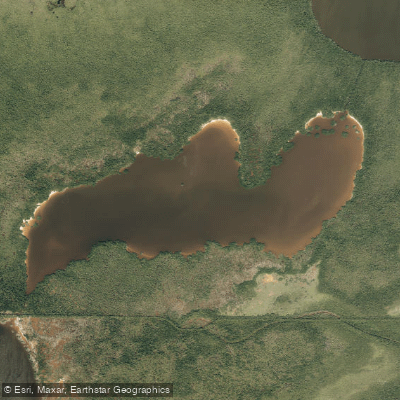
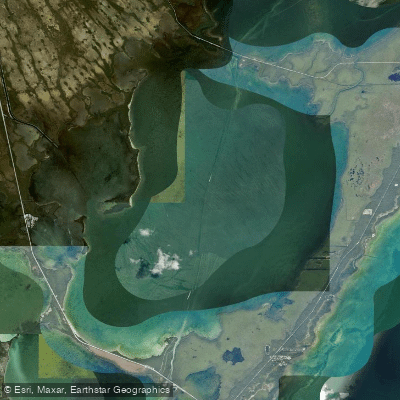
Mud Lake offers a remote paddling experience deep within the mangrove wilderness of Everglades National Park in Monroe County, Florida. This inland freshwater lake is accessed via the Mud Lake Canoe Trail, a challenging but rewarding 7-mile round-trip route from Coot Bay Pond that connects through a series of mangrove tunnels and open bays.
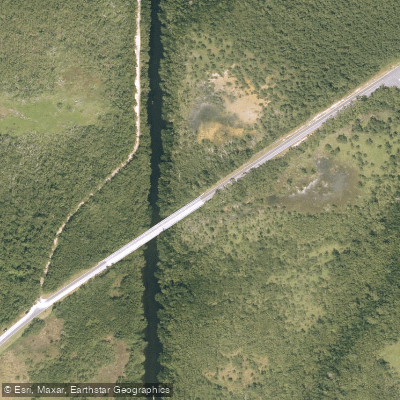
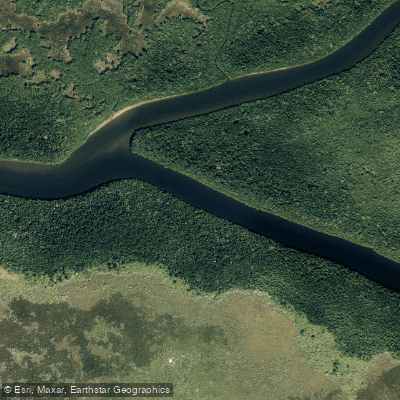
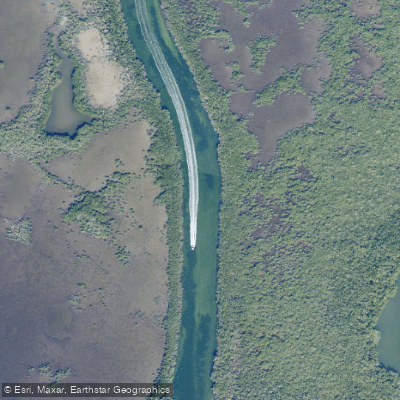
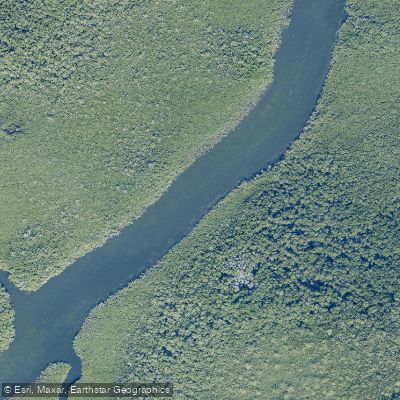
The journey begins at Coot Bay Pond along the main park road near Flamingo. Paddlers navigate a narrow, sometimes obstructed channel through dense mangroves to reach expansive Coot Bay, then work westward along the shoreline to find the entrance to Mud Lake. The channel connecting Coot Bay to Mud Lake is particularly narrow—barely wide enough for two canoes—and requires careful navigation to locate among the mangrove shoreline.
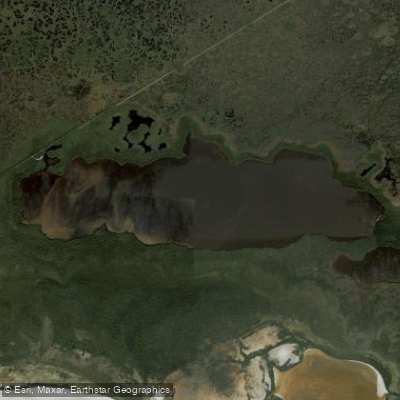
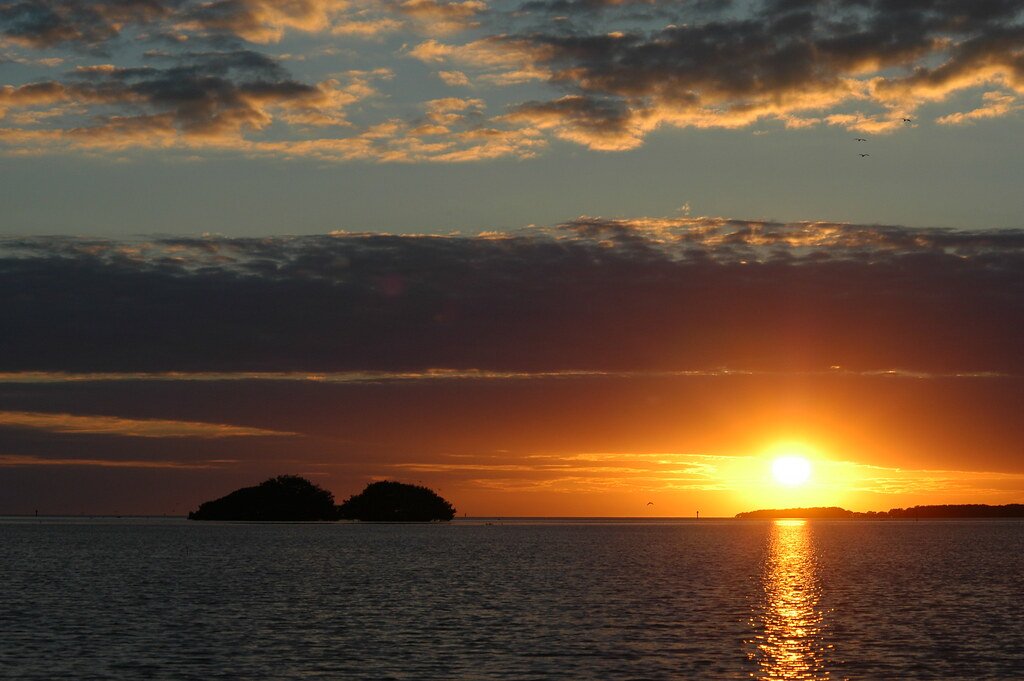
Mud Lake itself is characterized by numerous small mangrove islands that dot the open water like green polka dots. True to its name, the shoreline consists of soft, shoe-sucking mud that makes landing difficult or impossible.
The lake is known for good birding opportunities, with tricolor herons, coots, and various wading birds commonly observed. The remote nature means paddlers often have the area entirely to themselves.
Hazards include challenging navigation through unmarked mangrove tunnels where channel markers can be difficult to spot, fallen trees that may block passages, and aggressive mosquitoes, particularly at the launch area. Wind can create challenging conditions on the open water of Coot Bay and Mud Lake.
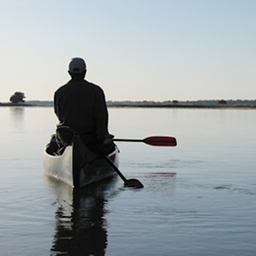
Combustion motors are prohibited; only paddling is allowed.
The trail continues from Mud Lake through another channel to Bear Lake and the Homestead Canal, creating loop options for experienced paddlers. Most visitors paddle in-and-back from Coot Bay Pond, with the round trip taking approximately 4 hours. Navigation skills, GPS, and waterproof maps are essential for this wilderness paddling adventure into one of Florida's most pristine backcountry areas.