Horse Creek
- River
- River
- River length
- 26.3 mi
- Public shoreline
- 98%
- Boat Ramps
- 0
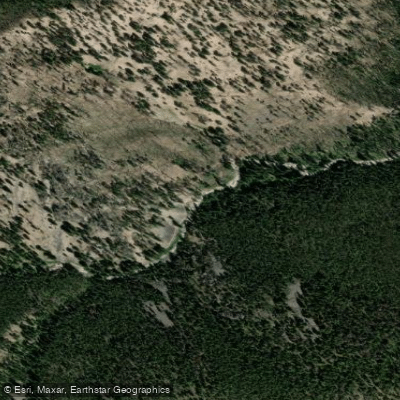
Horse Creek flows through the rugged terrain of Idaho and Lemhi counties in central Idaho, originating in the mountainous backcountry approximately five miles upstream from Highway 21. This tributary of the Salmon River descends through steep, forested canyons characteristic of the Salmon River Mountains, ultimately joining the main Salmon River at an elevation of approximately 2,480 feet—one of the lowest points in the Salmon National Forest.
The creek drains a watershed carved from ancient geological formations, including Belt Series sedimentary rocks and remnants of the Idaho batholith. The surrounding landscape bears evidence of the Challis volcanic eruptions that occurred over 30 million years ago, which once buried the region under extensive layers of volcanic material. Horse Creek's canyon cuts through these varied rock layers, creating a dramatic corridor between towering ridges.
Access to Horse Creek is limited, with Highway 21 providing the primary approach point near the confluence with the Salmon River. The remote nature of the drainage has preserved much of its primitive character, though the area has witnessed human activity for millennia. Shoshone Indians, particularly the Mountain Shoshoni or Sheepeaters, utilized this region extensively for hunting and gathering. Archaeological evidence throughout the broader Salmon River area indicates continuous Native American occupation spanning over 8,000 years.
The Lewis and Clark Expedition passed through the general vicinity in 1805, and later fur trappers traversed these mountains during the 1820s-1840s. The discovery of gold at nearby Leesburg in 1866 brought the first significant wave of Euro-American settlement to the region. Pack trains supplying the mining camps would have crossed or followed drainages like Horse Creek, and the area saw intermittent prospecting activity during subsequent decades.
Horse Creek's watershed lies within what became the Salmon National Forest, established in the early 20th century to manage the region's timber, water, and grazing resources. The creek flows through habitat supporting elk, mule deer, black bear, and mountain lion, with its cold waters providing spawning grounds for native fish species. The surrounding forests consist primarily of Douglas fir, lodgepole pine, and Engelmann spruce at higher elevations, transitioning to ponderosa pine and grasslands near the Salmon River confluence.
The creek's steep gradient and remote location have preserved it as a backcountry stream with minimal development. Seasonal snowmelt drives peak flows in late spring and early summer, while late summer and fall see significantly reduced water levels. The challenging terrain and limited access have kept Horse Creek largely unchanged from its historical condition, maintaining its role as a minor but integral tributary within the greater Salmon River watershed.
Hazards
Hazards on Horse Creek
No hazards are marked on Horse Creek yet. That is not the same as none being there: if you find one, report it for the next paddler.
From the community
Horse Creek trip reports
Nobody has shared a trip on Horse Creek yet. Paddle it, then tell the next paddler how it went.
Water access & public shoreline
See exactly where the public can get on and off the river. Launch points and boat ramps are paired with PaddleWays' public land data so you know where you can legally land.
Public shoreline
98%of the river's shoreline is public
- Public
- 98%
- Private
- 2%
Largest public stretches
- Salmon National Forest
Flows & paddling conditions (10 day forecast)
Flows and weather, so you know what to expect on Horse Creek today.
No forecast data available.
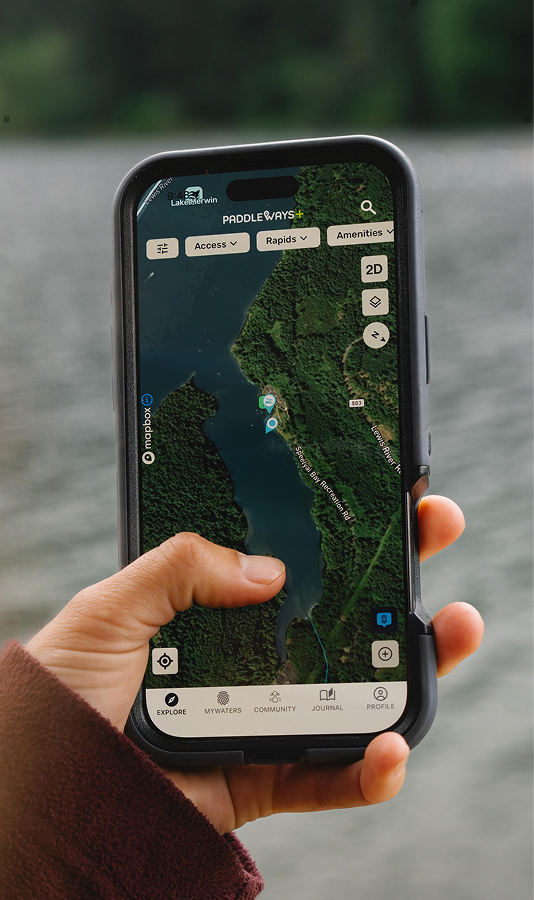
Paddle smarter with real-time insights
Live flows, marked hazards and fresh trip reports from paddlers who were just on the water, all in one place.

Find Places to Paddle
Over 400,000 Places to Paddle
Every user gets free access to launch points, boat ramps, and public property parcels.
Idaho licenses and regulations
Idaho Boating Regulations
When using any type of watercraft to access a body of water, it is important to follow all federal, state, and local rules and regulations. These rules and regulations include boat permitting and licensing, invasive species inspections and stamps, life jacket and PFD rules, motor size and horsepower restrictions, noise limitations, restrictions on personal watercraft, and many more. Visit the web link below for the most current rules and regulations for this body of water.
Idaho Boating Regulations
When using any type of watercraft to access a body of water, it is important to follow all federal, state, and local rules and regulations. These rules and regulations include boat permitting and licensing, invasive species inspections and stamps, life jacket and PFD rules, motor size and horsepower restrictions, noise limitations, restrictions on personal watercraft, and many more. Visit the web link below for the most current rules and regulations for this body of water.
Idaho Fishing License
"To fish in Idaho any person 14 years of age or older must have a valid fishing license. Anglers younger than 14 do not need a license, but there is a small difference between resident and nonresident youth. -A resident child under 14 has their own separate fishing limit. -A nonresident child under 14 must be with someone who has a valid fishing license and their fish are in included in the license holders fishing limit. However, a nonresident child may purchase their own license and have their own limit. Special fishing permits are need for some activities for both residents and nonresidents: -Fishing for salmon and steelhead -Fishing with two poles."
Idaho Fishing Regulations
This river has a variety of species and regulations, including potential floating and/or watercraft restrictions. Because this river is specially managed for species, seasons, angling methods, and watercraft, it is strongly encouraged you check all federal, state, and local regulations before fishing. Visit any of the links below, inquire locally, or contact a local fly shop to learn current regulations and restrictions.
Idaho Stream Access Laws
Navigable streams are recognized as public transportation corridors, thus members of the public have the right to use the corridor, provided they enter and exit the corridor at a public right of way and remain within the corridor. Many navigable streams flow through private property, thus it is important that anglers know their rights and responsibilities when fishing in navigable waters that flow through private property.
Paddling near Horse Creek
Big Hole River
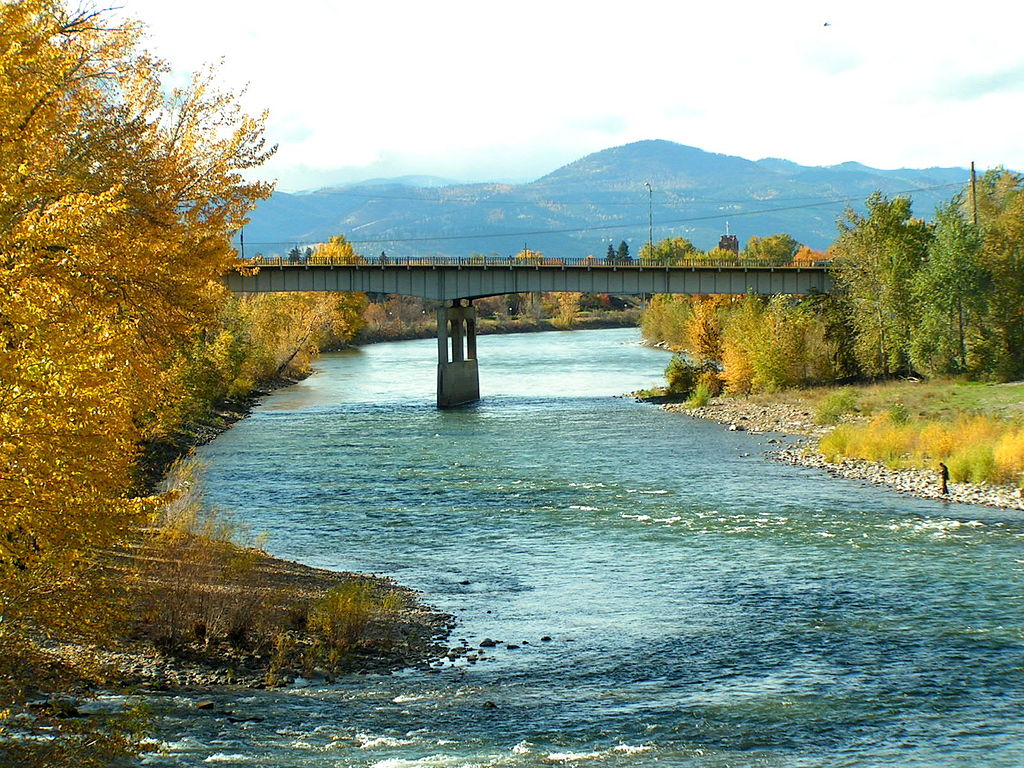
Clark Fork
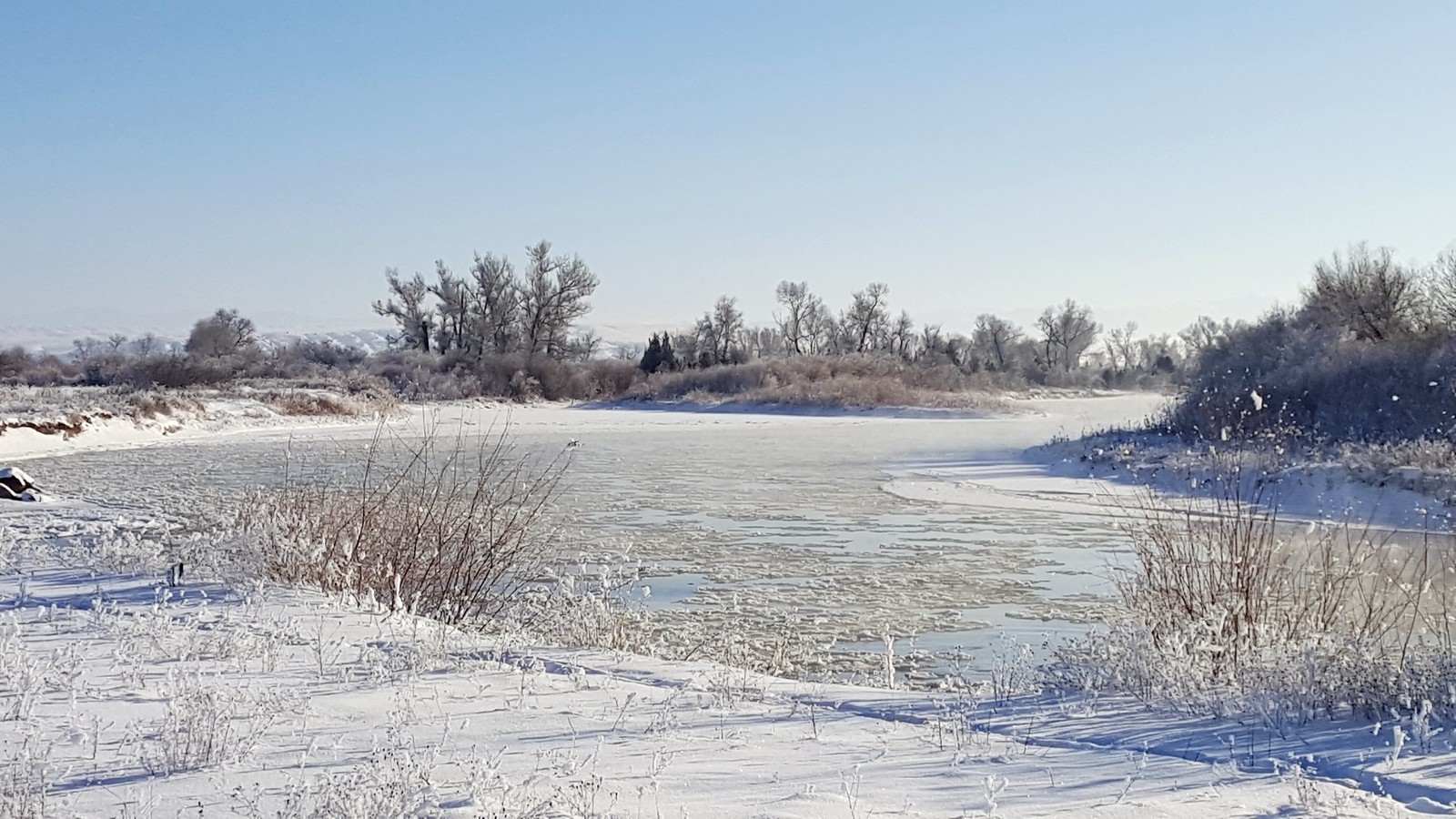
Jefferson River
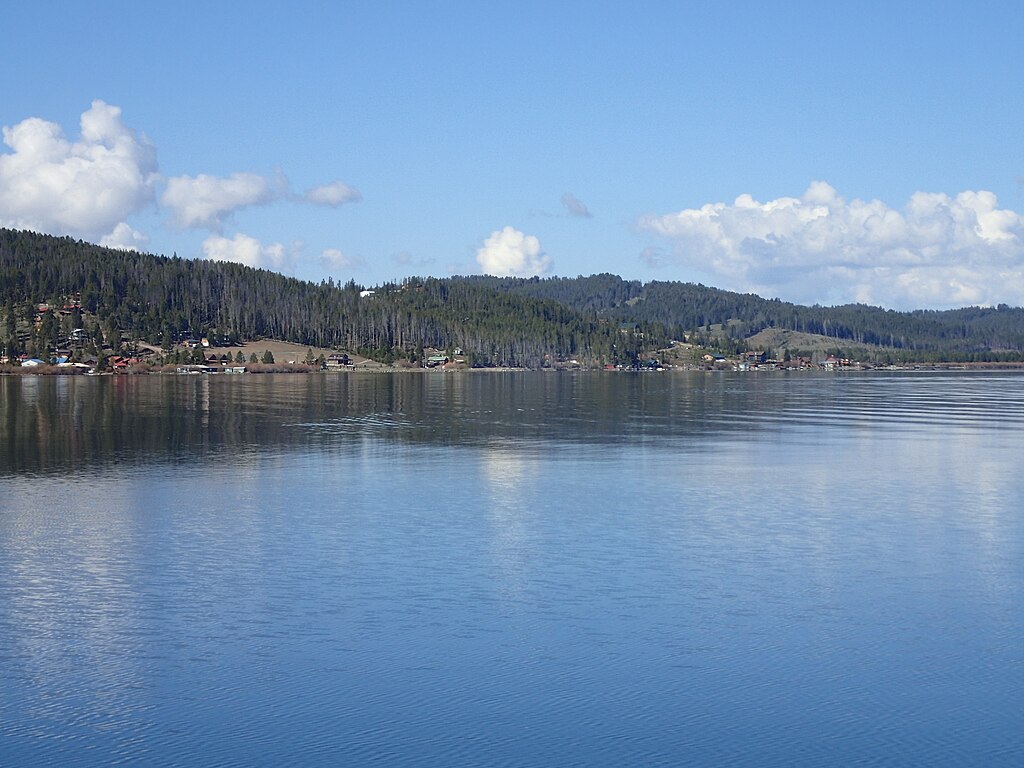
Georgetown Lake
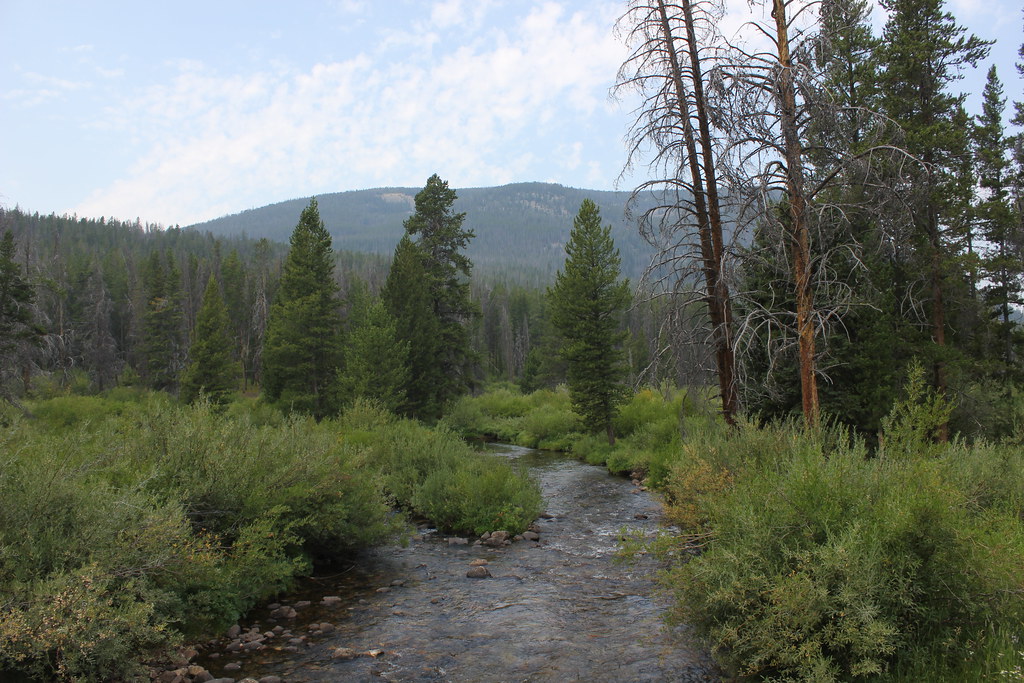
Wise River
Boulder River
Beaverhead River
Whitetail Reservoir
Bison Creek
Ruby River
Explore near Horse Creek
Access points
Nearby waters
More in Idaho
Smarter Paddling Starts in the App.
PaddleWays gives you everything you need to plan smarter, paddle better, and own every trip from first launch to takeout.