Lemhi River
- River
- River
- River length
- 61.5 mi
- Public shoreline
- 3%
- Boat Ramps
- 0
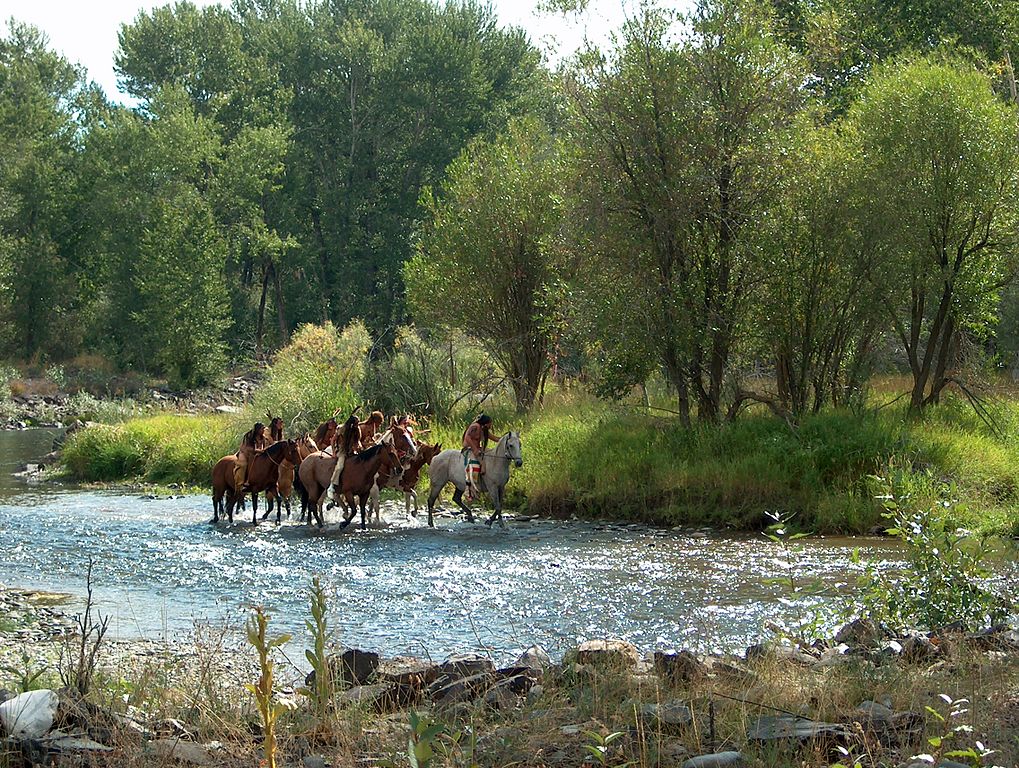
The Lemhi River is a significant tributary of the Salmon River in east-central Idaho. Originating in the Lemhi Range, it flows northward for approximately 60 miles through the scenic Lemhi Valley before joining the Salmon River near the town of Salmon. The river drains a watershed of about 1,290 square miles, characterized by high desert terrain and surrounded by the Bitterroot and Lemhi mountain ranges.
For paddlers, the Lemhi offers a mix of gentle floats and more challenging whitewater sections. The upper reaches provide Class II rapids suitable for intermediate paddlers, while the lower sections near the confluence with the Salmon River feature Class III rapids that require more advanced skills. The river is best run in late spring to early summer when snowmelt increases water levels.
The Lemhi River valley is rich in wildlife, supporting populations of elk, deer, and various bird species. The river itself is home to important populations of Chinook salmon and steelhead, making it a crucial habitat for these threatened species. Anglers prize the Lemhi for its trout fishing opportunities.
Key landmarks along the river include the historic Lemhi Pass, where Lewis and Clark first crossed the Continental Divide, and the Sacajawea Interpretive Center near Salmon. The river passes through a landscape dotted with working ranches, offering glimpses into Idaho's agricultural heritage.
Primary access points for paddlers include put-ins near Leadore and take-outs at the confluence with the Salmon River. The town of Salmon serves as the main gateway for river trips, offering amenities and shuttle services.
The Lemhi River holds significant cultural importance, having been home to the Lemhi Shoshone people, including Sacagawea, for centuries. The river valley played a crucial role in the Lewis and Clark expedition and later saw the development of mining and ranching industries.
Safety considerations include fluctuating water levels, cold water temperatures even in summer, and the presence of irrigation diversions. Paddlers should be aware of private property along much of the river and respect landowner rights.
While most trips on the Lemhi are day excursions, multi-day adventures can be planned by combining the Lemhi with sections of the Salmon River. A popular option is to start on the Lemhi and continue down the Salmon River to experience the broader River of No Return wilderness area.
The Lemhi River offers a unique blend of scenic beauty, historical significance, and diverse paddling opportunities, making it a hidden gem among Idaho's waterways. Its role in supporting endangered fish populations also highlights the importance of conservation efforts in the region.
Hazards
Hazards on Lemhi River
No hazards are marked on Lemhi River yet. That is not the same as none being there: if you find one, report it for the next paddler.
From the community
Lemhi River trip reports
Nobody has shared a trip on Lemhi River yet. Paddle it, then tell the next paddler how it went.
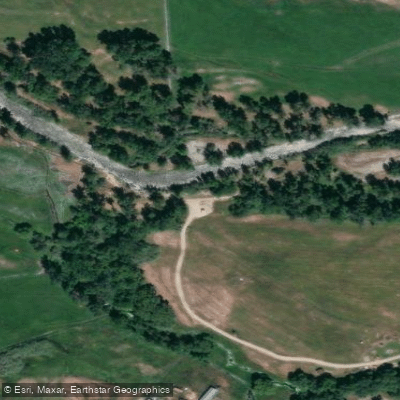
Water access & public shoreline
See exactly where the public can get on and off the river. Launch points and boat ramps are paired with PaddleWays' public land data so you know where you can legally land.
Public shoreline
3%of the river's shoreline is public
- Public
- 3%
- Private
- 97%
Largest public stretches
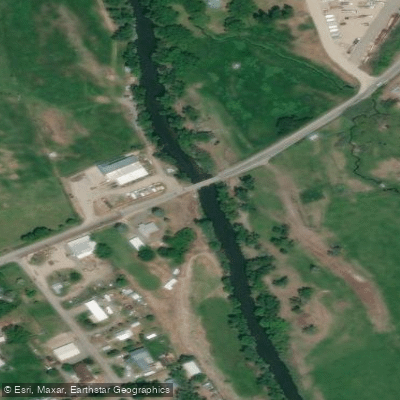
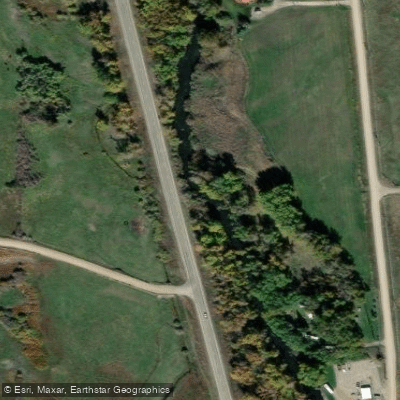
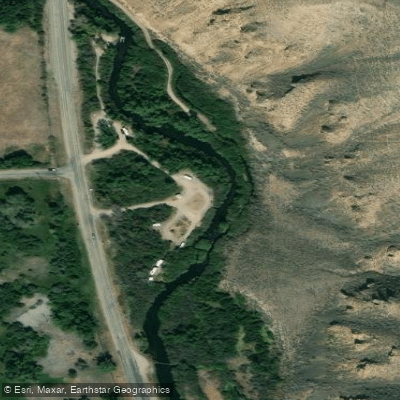
- Salmon Field Office
- McFarland Access Site
- Lemhi Power Site Access Site
Most of the riverbank is private. Launch, land and camp only at public access points.
Flows & paddling conditions (10 day forecast)
Flows and weather, so you know what to expect on Lemhi River today.
Big Timber Creek Abv Mouth at Leadore ID
All Flow Stations
Paddle smarter with real-time insights
Live flows, marked hazards and fresh trip reports from paddlers who were just on the water, all in one place.







Find Places to Paddle

Over 400,000 Places to Paddle
Every user gets free access to launch points, boat ramps, and public property parcels.


Idaho licenses and regulations
Idaho Boating Regulations
When using any type of watercraft to access a body of water, it is important to follow all federal, state, and local rules and regulations. These rules and regulations include boat permitting and licensing, invasive species inspections and stamps, life jacket and PFD rules, motor size and horsepower restrictions, noise limitations, restrictions on personal watercraft, and many more. Visit the web link below for the most current rules and regulations for this body of water.
Idaho Boating Regulations
When using any type of watercraft to access a body of water, it is important to follow all federal, state, and local rules and regulations. These rules and regulations include boat permitting and licensing, invasive species inspections and stamps, life jacket and PFD rules, motor size and horsepower restrictions, noise limitations, restrictions on personal watercraft, and many more. Visit the web link below for the most current rules and regulations for this body of water.
Idaho Fishing License
"To fish in Idaho any person 14 years of age or older must have a valid fishing license. Anglers younger than 14 do not need a license, but there is a small difference between resident and nonresident youth. -A resident child under 14 has their own separate fishing limit. -A nonresident child under 14 must be with someone who has a valid fishing license and their fish are in included in the license holders fishing limit. However, a nonresident child may purchase their own license and have their own limit. Special fishing permits are need for some activities for both residents and nonresidents: -Fishing for salmon and steelhead -Fishing with two poles."
Idaho Fishing Regulations
This river has a variety of species and regulations, including potential floating and/or watercraft restrictions. Because this river is specially managed for species, seasons, angling methods, and watercraft, it is strongly encouraged you check all federal, state, and local regulations before fishing. Visit any of the links below, inquire locally, or contact a local fly shop to learn current regulations and restrictions.
Idaho Stream Access Laws
Navigable streams are recognized as public transportation corridors, thus members of the public have the right to use the corridor, provided they enter and exit the corridor at a public right of way and remain within the corridor. Many navigable streams flow through private property, thus it is important that anglers know their rights and responsibilities when fishing in navigable waters that flow through private property.
Paddling near Lemhi River
Big Hole River
Clark Fork
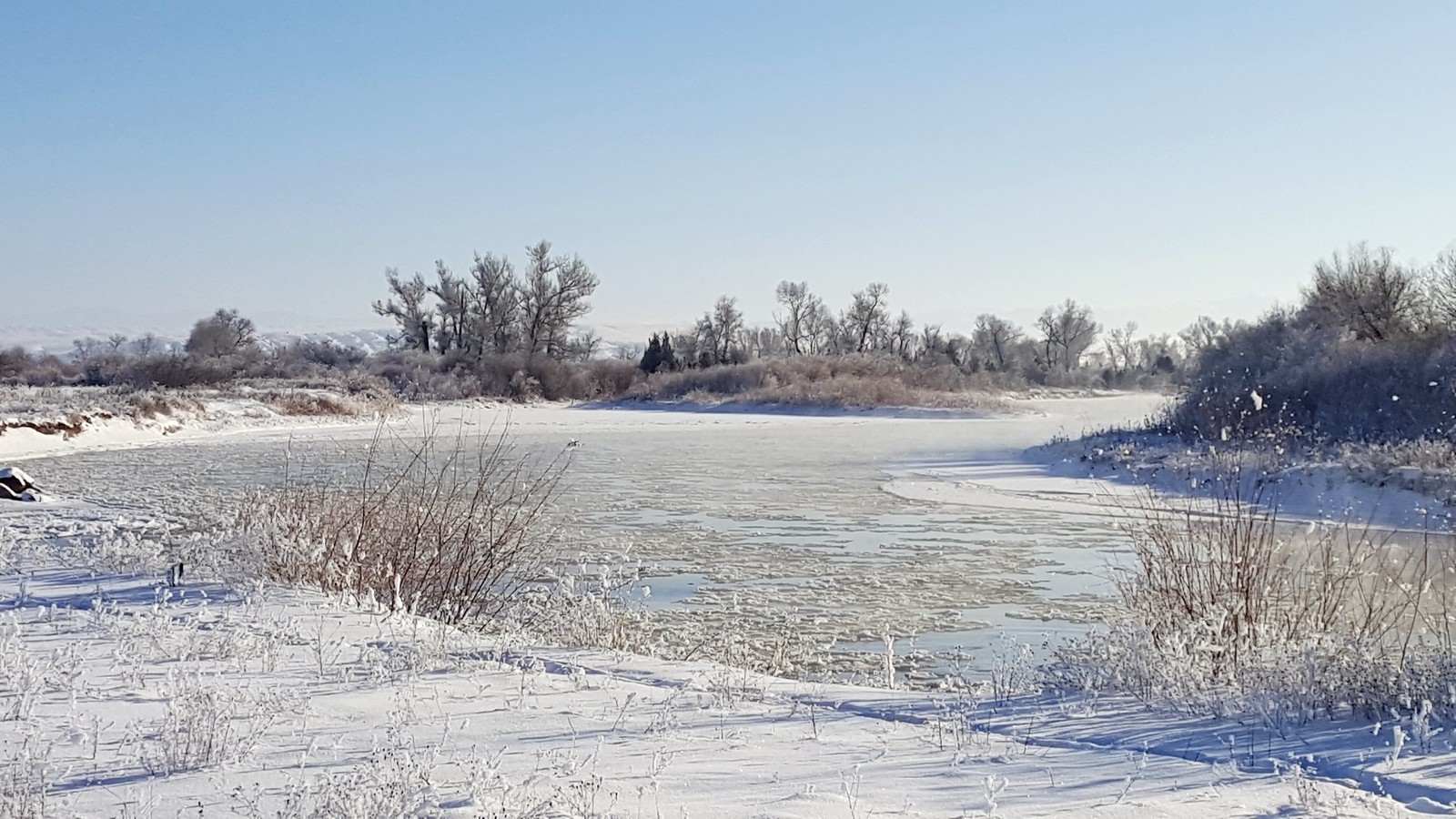
Jefferson River
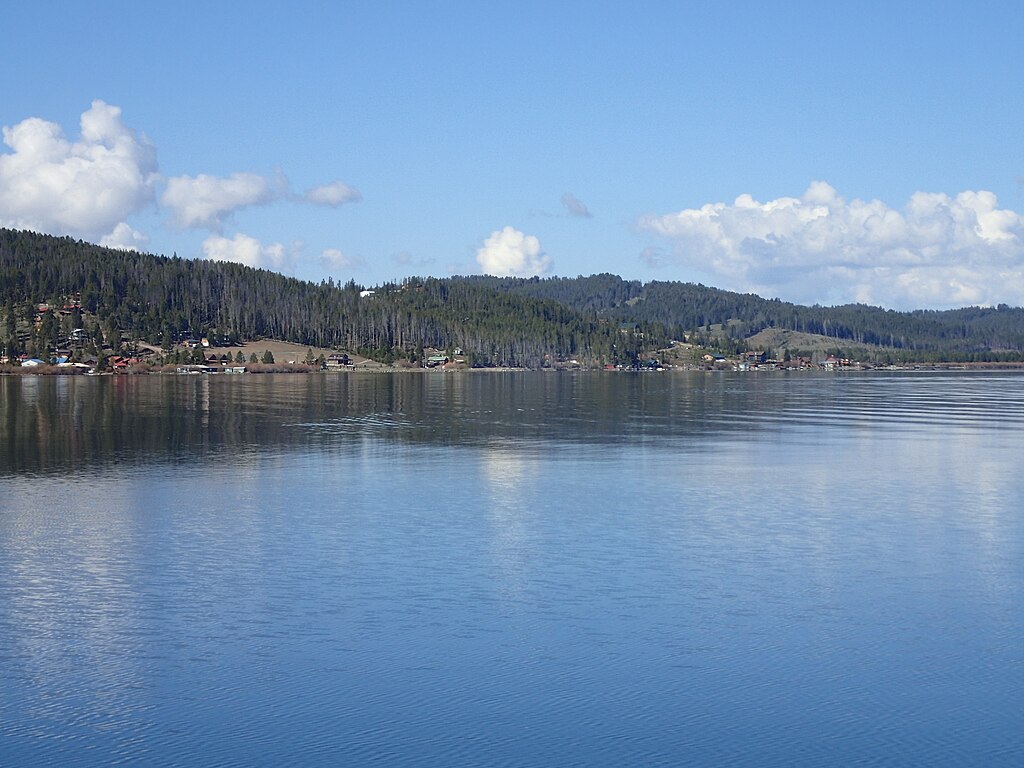
Georgetown Lake
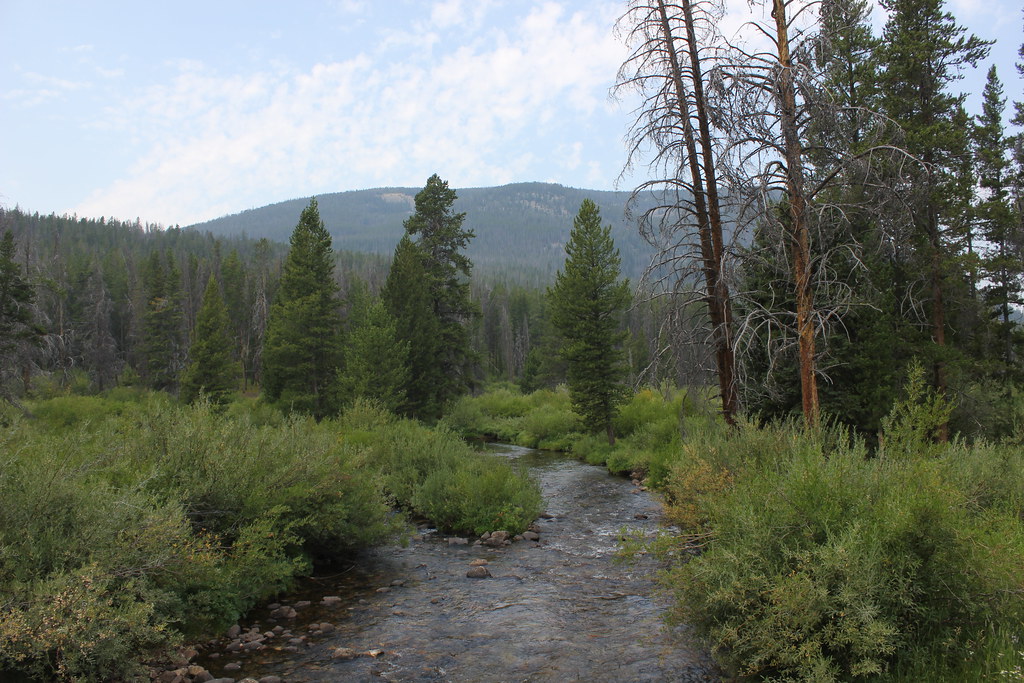
Wise River
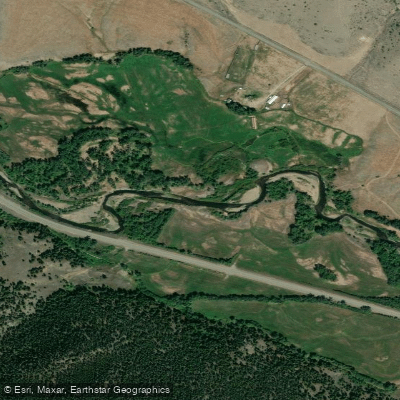
Boulder River
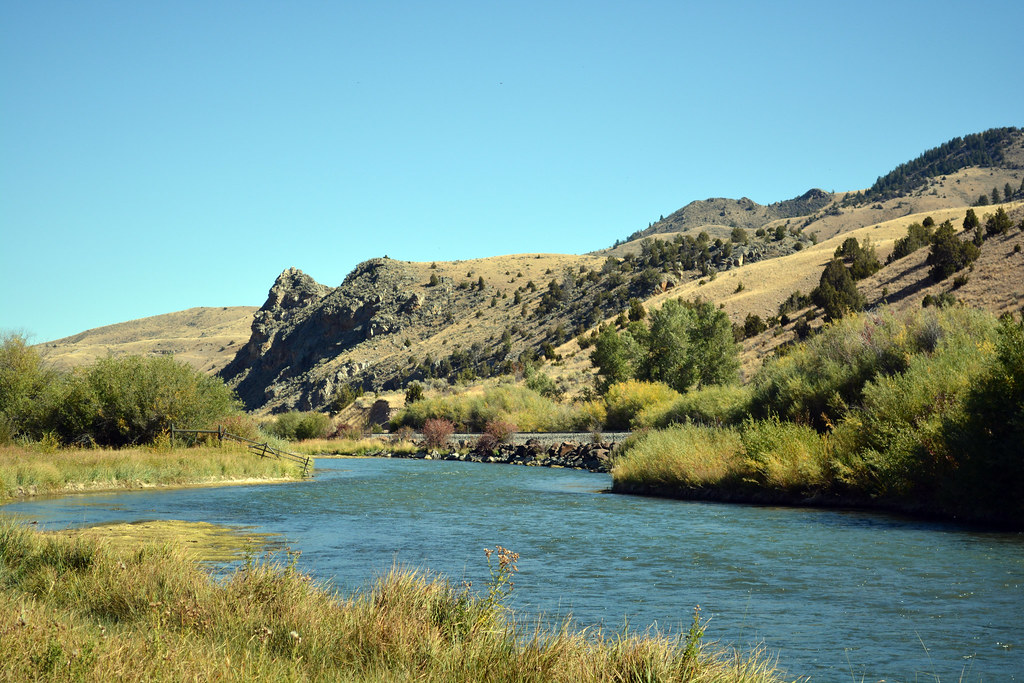
Beaverhead River
Whitetail Reservoir
Bison Creek
Ruby River
Explore near Lemhi River
Access points
Nearby waters
More in Idaho
Smarter Paddling Starts in the App.
PaddleWays gives you everything you need to plan smarter, paddle better, and own every trip from first launch to takeout.