Elk River
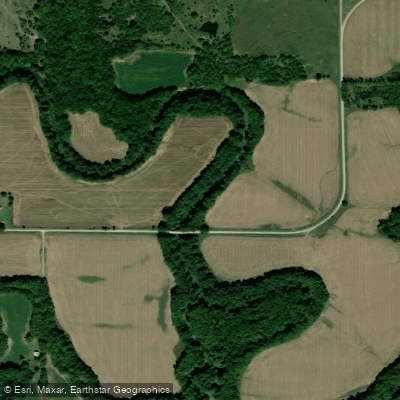
Elk River
- Boat Ramps
- 2
- Access Points
- 2
- Campsites
- 0
The Elk River flows through southeastern Kansas, originating in Elk County and winding its way northeast through Greenwood, Montgomery, and Butler counties before joining the Verdigris River. This tributary system drains a predominantly agricultural and prairie landscape, with the river cutting through the Flint Hills region's eastern edge and the Osage Cuestas physiographic province.
The river's character reflects the geology and land use of southeastern Kansas. Its waters flow through a mix of pastureland, cropfields, and scattered woodlands, with riparian corridors providing important wildlife habitat in an otherwise open landscape. The streambed consists primarily of sand, gravel, and occasional limestone outcroppings typical of the region's sedimentary geology.
Paddling opportunities on the Elk River are highly dependent on seasonal rainfall and water levels. The river is generally floatable during spring months when snowmelt and precipitation provide adequate flow, typically from March through May. Summer and fall often see water levels drop significantly, making passage difficult or impossible in many sections. Local paddlers familiar with the river time their trips carefully, often checking conditions after substantial rain events.
The difficulty level varies with water conditions, but the Elk River generally presents Class I conditions suitable for novice paddlers during periods of adequate flow. Obstacles include occasional logjams, low-water bridges, and fence crossings that require portaging or careful navigation. The current is typically gentle to moderate.
Wildlife along the Elk River includes white-tailed deer, wild turkey, and various waterfowl species. The riparian zones support cottonwood, sycamore, and willow trees, while the surrounding uplands feature tallgrass prairie remnants. Birdwatchers may encounter red-tailed hawks, great blue herons, and numerous songbird species.
Access points are limited and often require permission from private landowners, as much of the riverbank passes through private property. Small communities such as Elk Falls in Elk County and Longton in Elk County provide the nearest services to potential put-in locations. Paddlers should respect property rights and seek permission before accessing the river through private land.
The river holds historical significance as part of the watershed that supported early Native American populations and later Euro-American settlement. The surrounding counties retain rural character, with small towns reflecting the agricultural heritage of southeastern Kansas.
Safety considerations include checking water levels before trips, being prepared for changing weather conditions common to Kansas, and carrying appropriate gear for potential portages around obstacles.
Water access, boat ramps & amenities
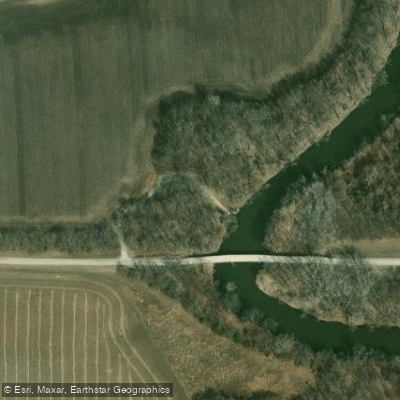
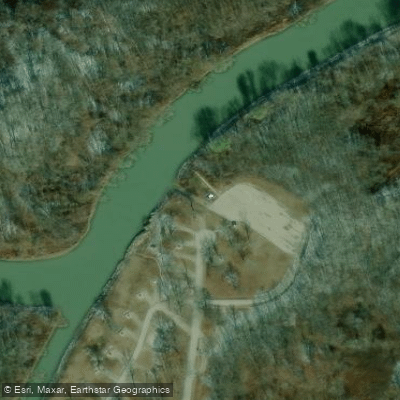
Learn how to get on Elk River. Uncover great paddling access points, boat ramps, and all the facilities you need for an unforgettable day on the water. Some locations shown may border or include private property. Always check property boundaries and applicable regulations before visiting. PaddleWays's Public & Private Land layer can help you plan your access with confidence.
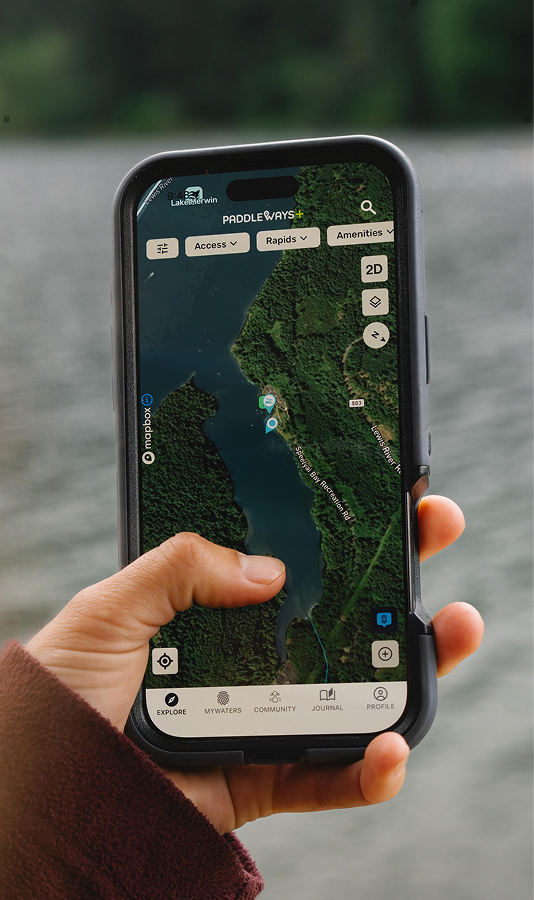
Paddle smarter with real-time insights
Whether you're en route and conditions shift or you're looking for the best spot based on current flows, we enable you to make informed decisions on the fly.







Find Places to Paddle

Over 400,000 Places to Paddle
Every user gets free access to launch points, boat ramps, and public property parcels.

Water and weather conditions (10 day forecast)
See the best times to paddle Elk River and check the forecast before you go.
ELK R AT ELK FALLS, KS
Paddling near Elk River
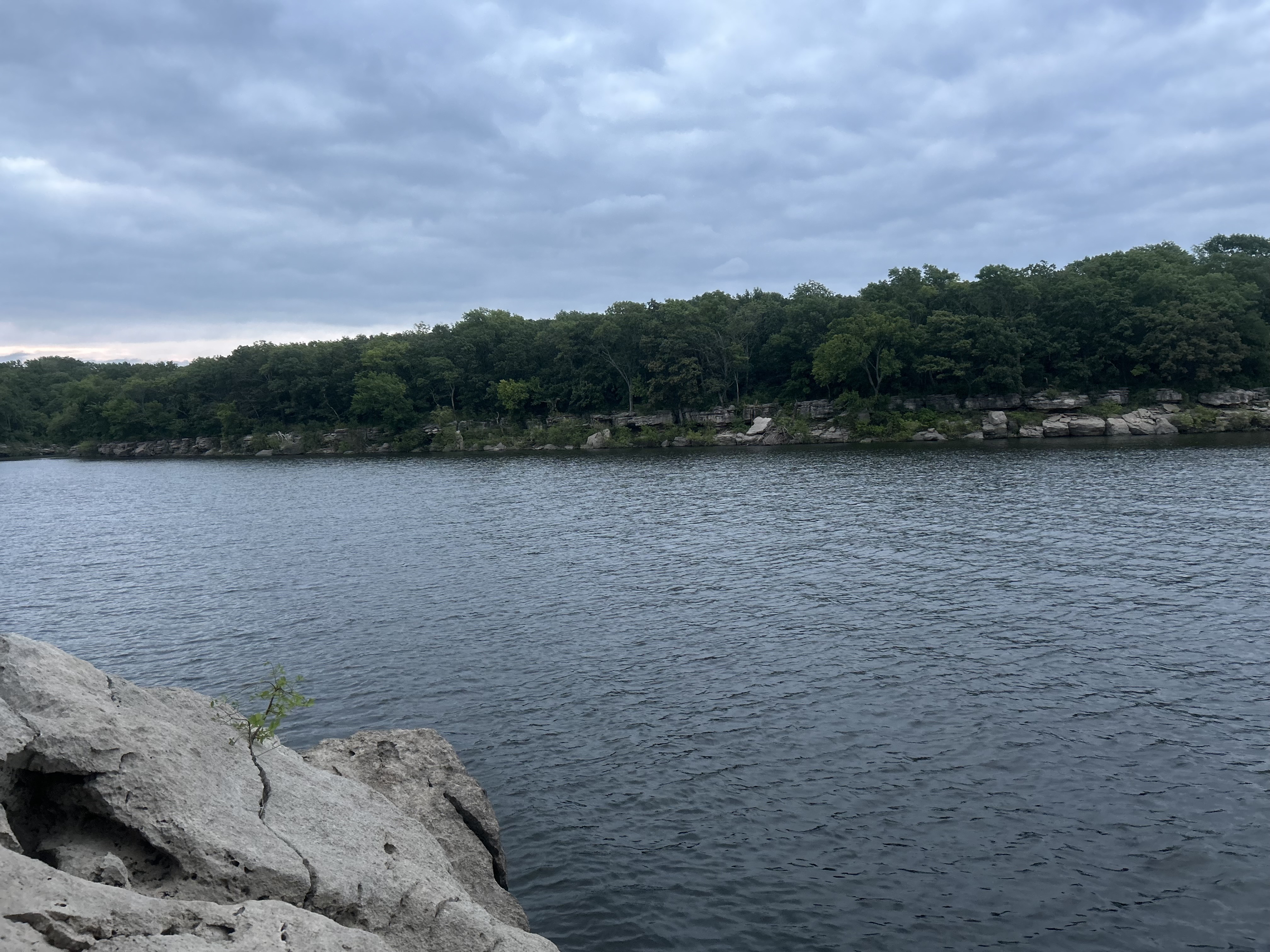
Oologah Lake
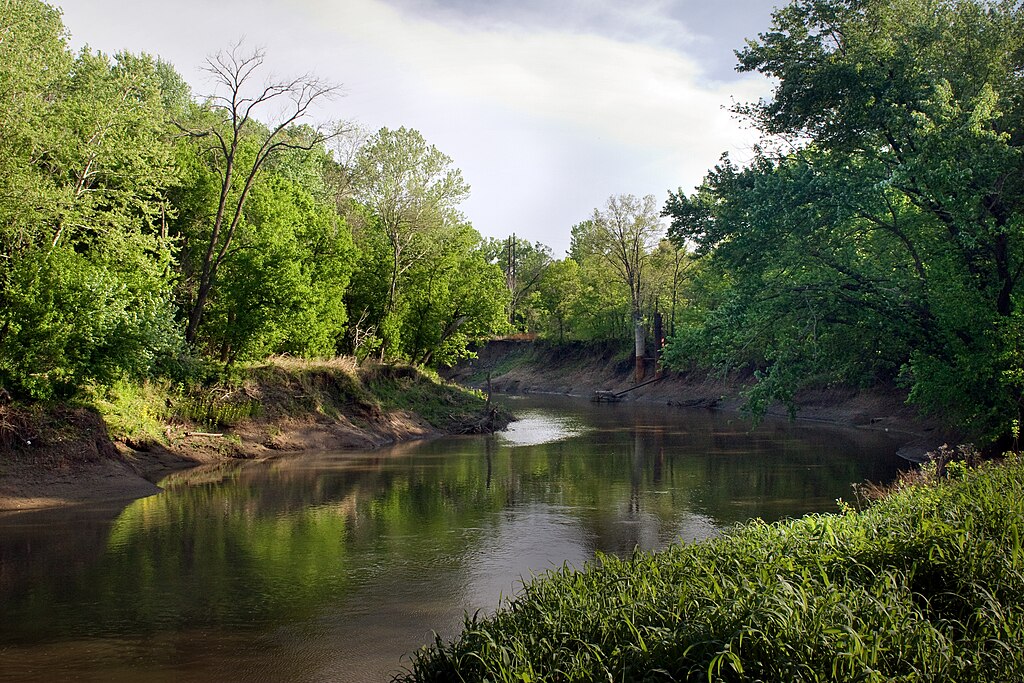
Caney River
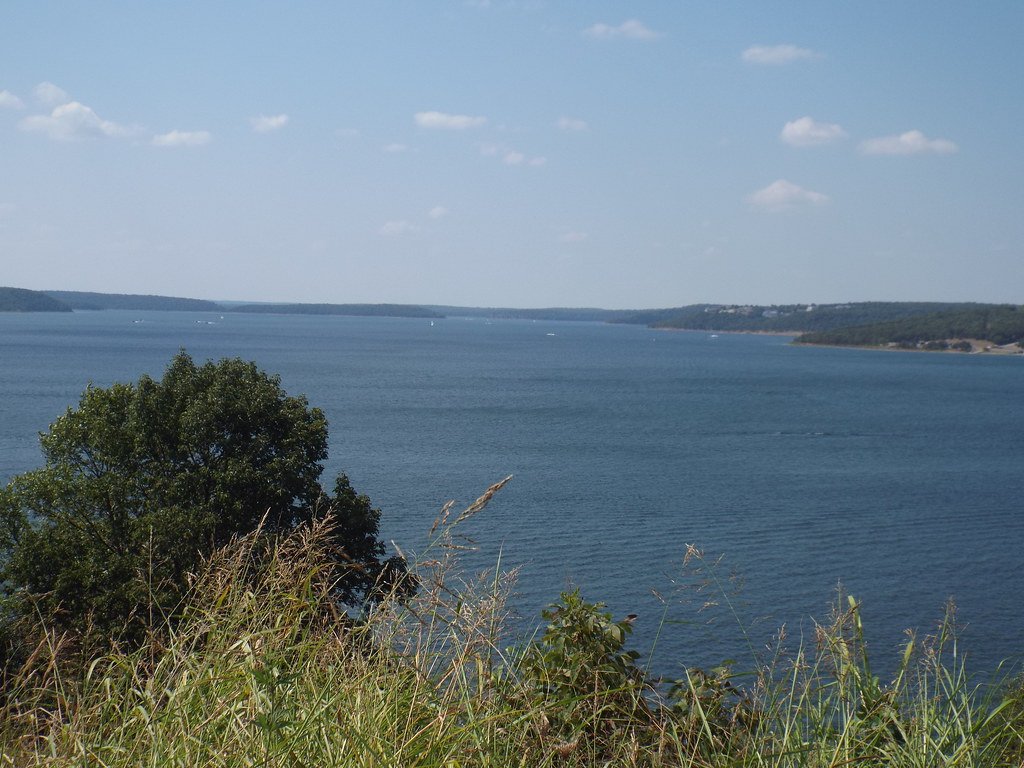
Skiatook Lake
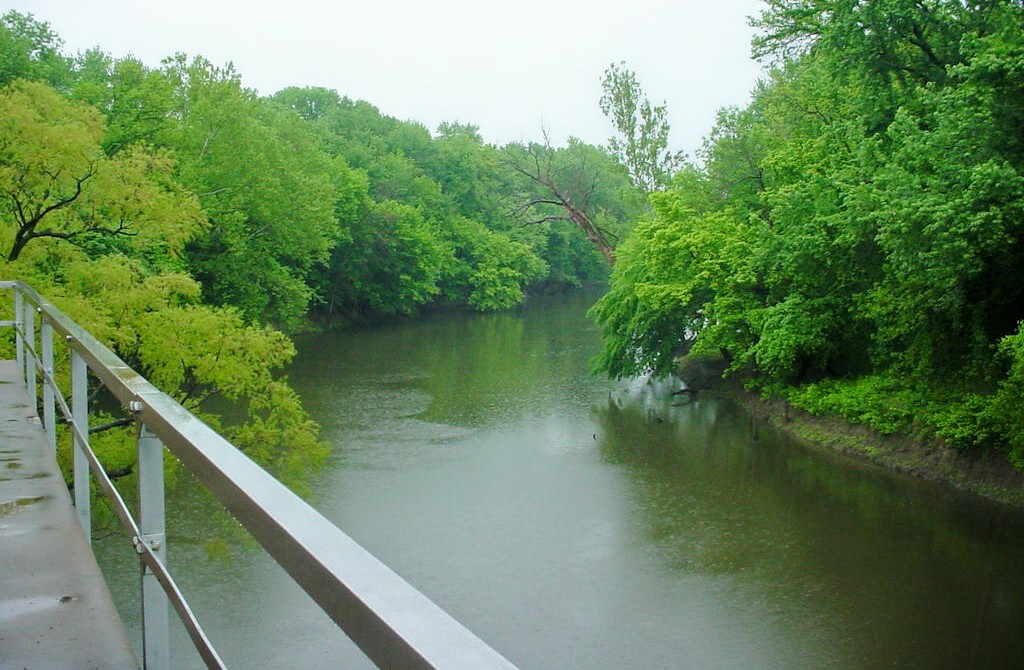
Verdigris River
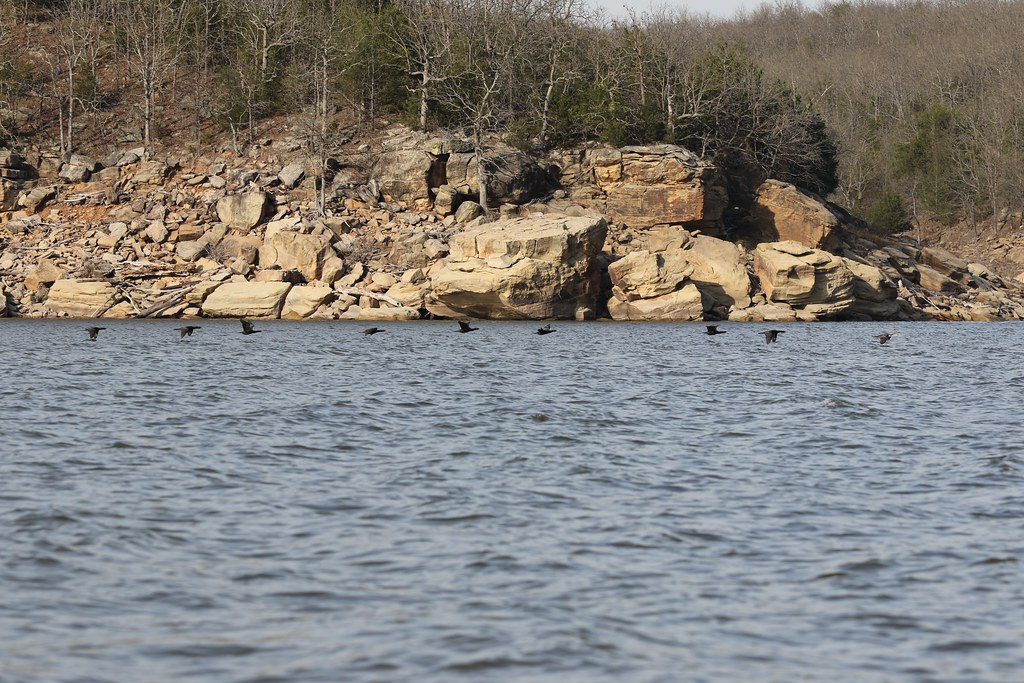
Keystone Lake
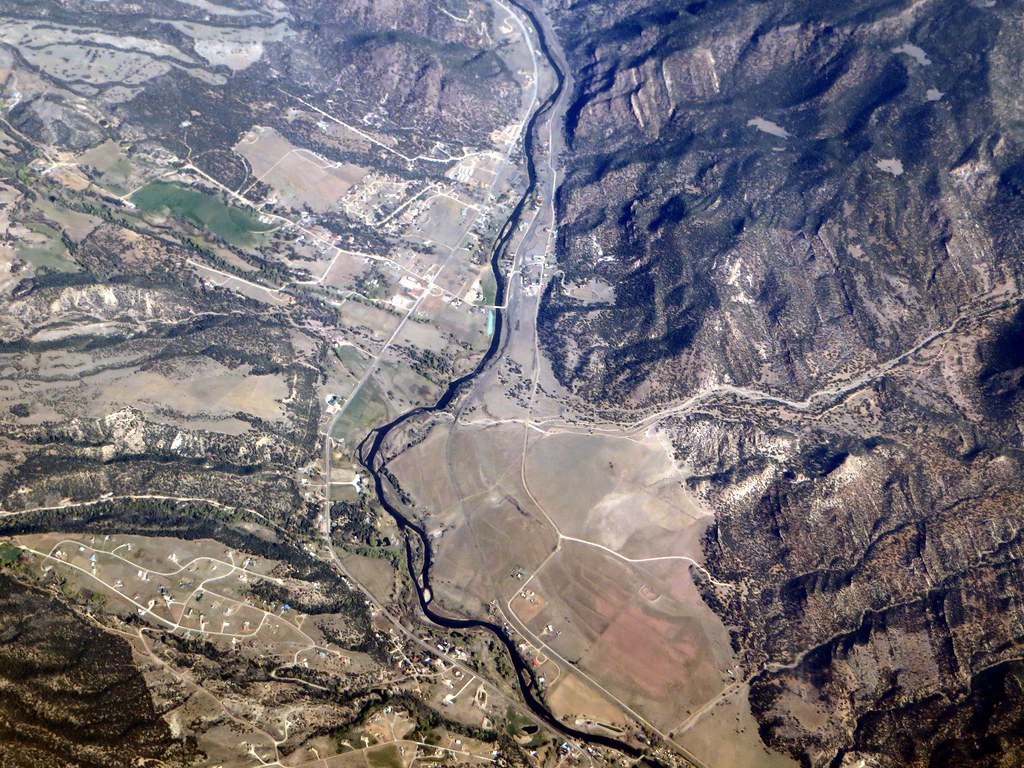
Arkansas River
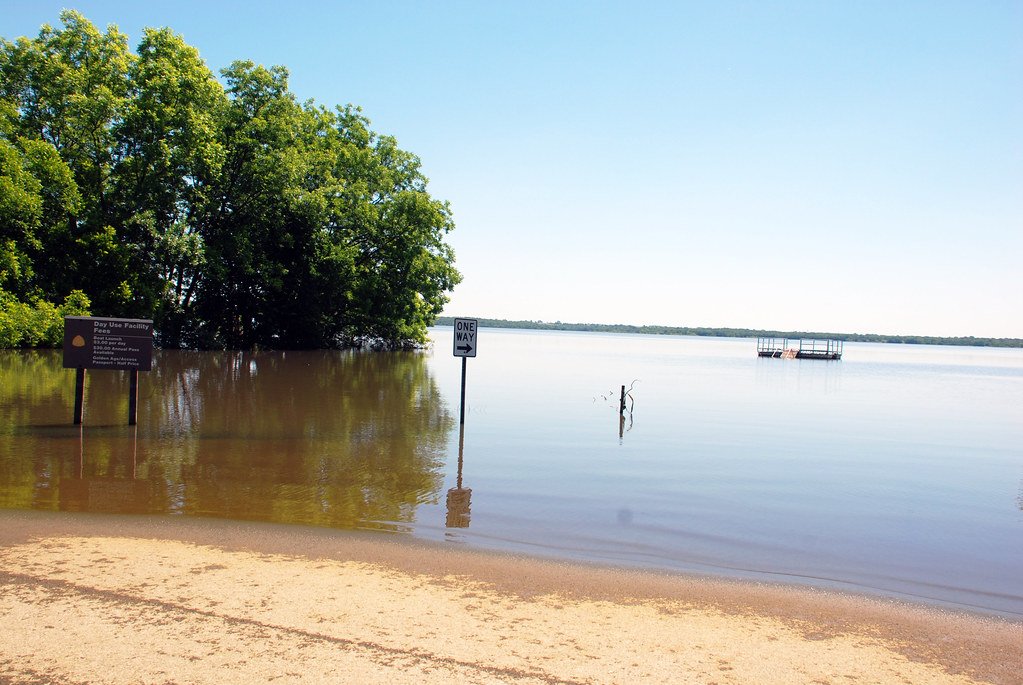
Kaw Lake
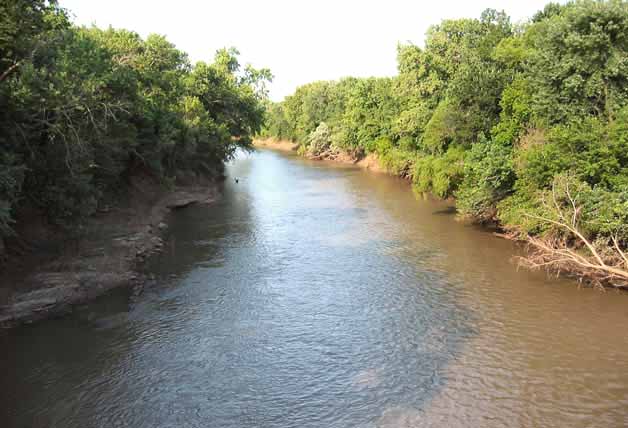
Neosho River
Copan Lake
Lake Hudson
Explore Kansas waters
Top paddling waters
Popular Cities
Loading popular cities...
Explore near Elk River
Access points
Nearby waters
More in Kansas
Smarter Paddling Starts in the App.
Paddleways gives you everything you need to plan smarter, paddle better, and own every trip from first launch to takeout.