Paddling in Missouri
- Lakes
- 1,953
- Rivers
- 5,499
- Access
- 1,039
- Boat Ramps
- 635
- Shops
- 5
Missouri is a float-trip state at heart — a long tradition of drifting spring-fed Ozark rivers in open canoes, camping on gravel bars, and watching limestone bluffs slide by — with a small, tenacious whitewater scene tucked into the granite hills of the southeast and a big-water endurance culture built around the Missouri River.
The Ozark float is the through-line.
The Current and Jacks Fork, protected together as the Ozark National Scenic Riverways, are the centerpiece — fed by Big Spring and a handful of other first-magnitude springs that hold the water at 58–60°F all year and keep both rivers floatable in any season.
Most riffles are Class I with a few Class II spots, the kind of water you can read with a paddle in one hand and a sandwich in the other. Around them sits a dense network of similar streams — the Meramec closest to St.
Louis, the Niangua, the Huzzah and Courtois, the Wild & Scenic Eleven Point — supported by a livery and shuttle culture that's been running, in one form or another, since the 1930s.
Summer Saturdays get loud; weekdays and the shoulder seasons, when the redbuds or the hardwoods are doing their thing, are when the rivers feel like themselves. The whitewater story is narrower and more obsessive.
With no dam releases and no snowmelt, almost everything depends on rain, and almost everything happens on the St. Francis as it cuts through the St. Francois Mountains.
The Silver Mines and Millstream Gardens stretches give up Class II–III at moderate flows and stiffen into Class IV–V when it comes up — Rickety-Rack, Cat's Paw, Big Drop, Crack in the Rock — but only when the Roselle gauge clears about 3 feet, which mostly means winter and spring.
The Castor River Shut-Ins add a short, technical Class III run through volcanic rock when the water cooperates. The Missouri Whitewater Association is the connective tissue here: pool sessions in St.
Louis and Cape Girardeau, spring clinics on the river, and the Missouri Whitewater Championships at Millstream Gardens every March, now in their sixth decade. Bring a drysuit; the water in March doesn't care about the calendar.
The third thread is the Missouri River itself, 340 miles of working big water from Kaw Point to St. Charles — sandbars, barge traffic, fog, dam releases coming down from the Dakotas.
The MR340 race anchors the culture, but the corridor is paddleable year-round off Conservation Area ramps if you respect what it is. One thing worth knowing before you put in: Missouri's stream access law is its own animal.
You can wade and float a public stream within the streambed, but access points have to be public or permitted, and the trespass rules have teeth.
Ask, or use a livery, or stick to the conservation ramps — the network is good enough that there's rarely a reason not to.
Top waters to paddle near Missouri
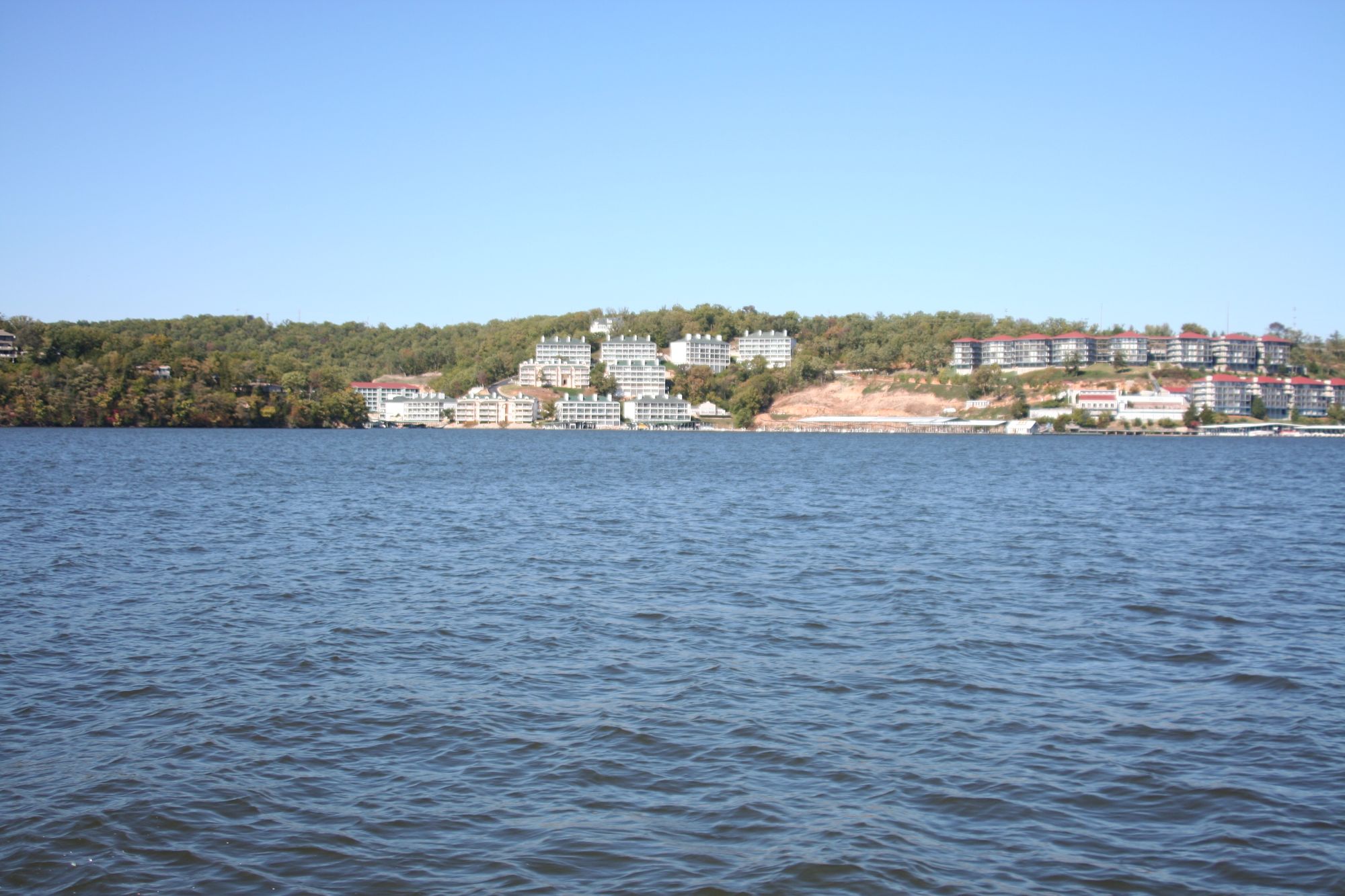
Lake of the Ozarks
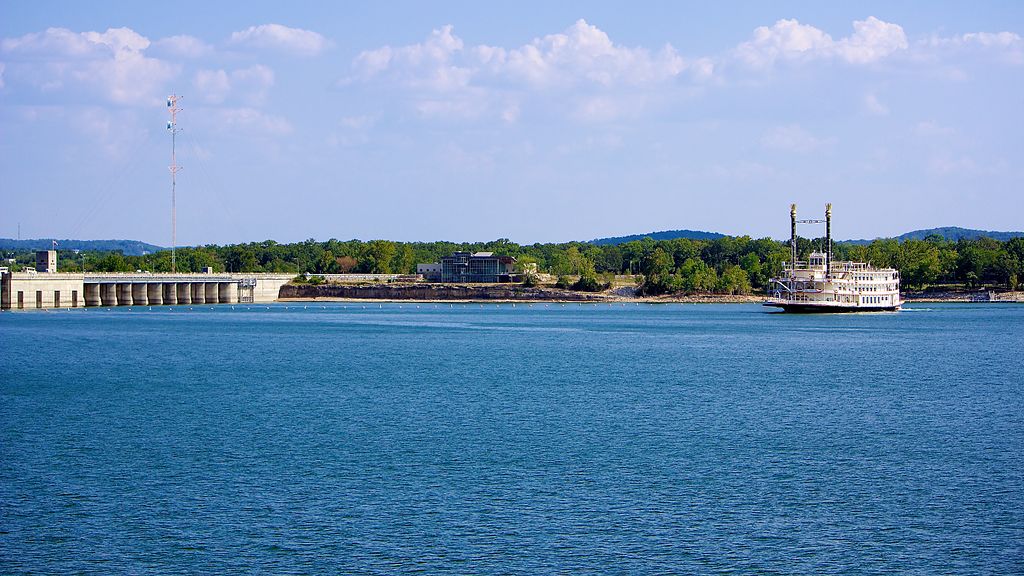
Table Rock Lake
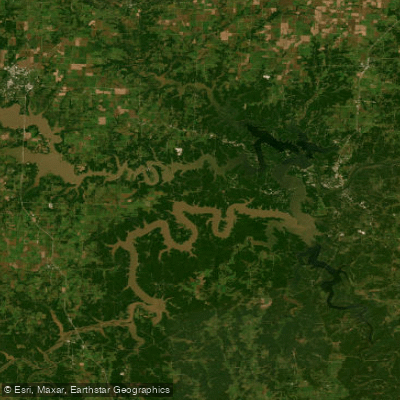
Harry S Truman Reservoir
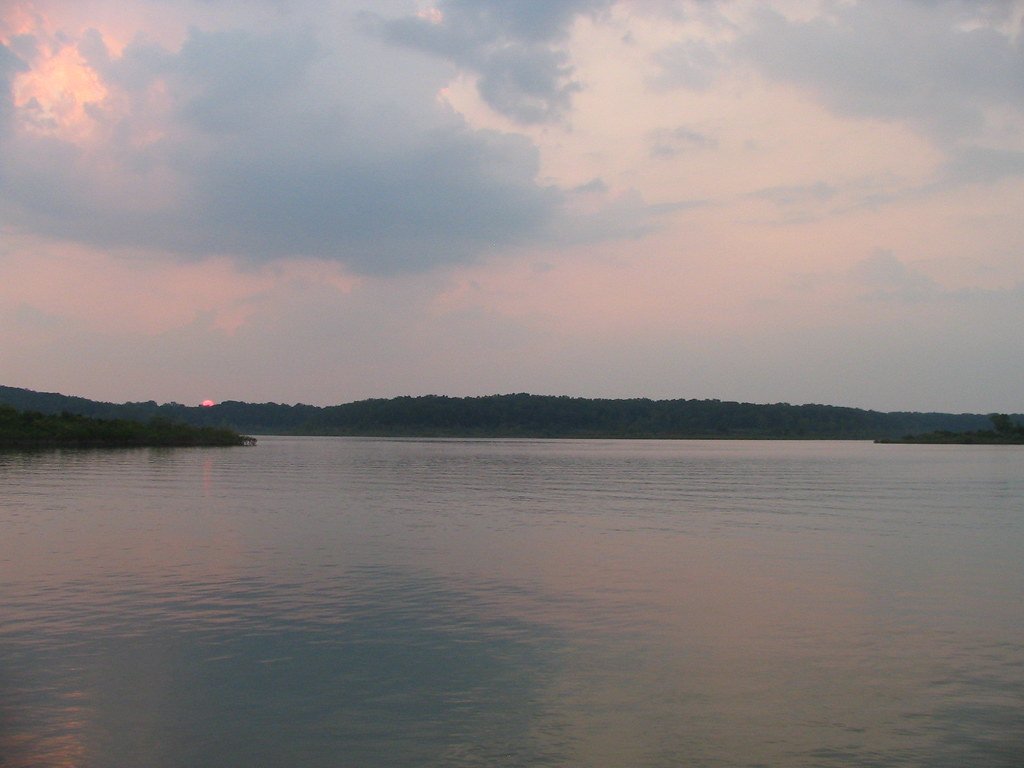
Bull Shoals Lake
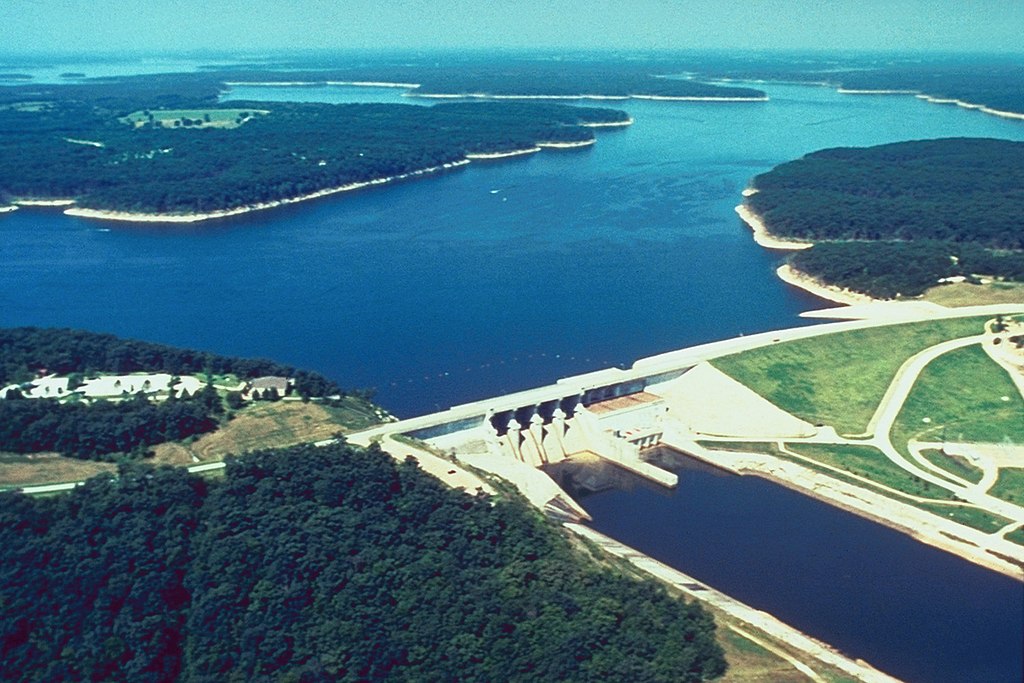
Mark Twain Lake
Stockton Lake
Smithville Lake
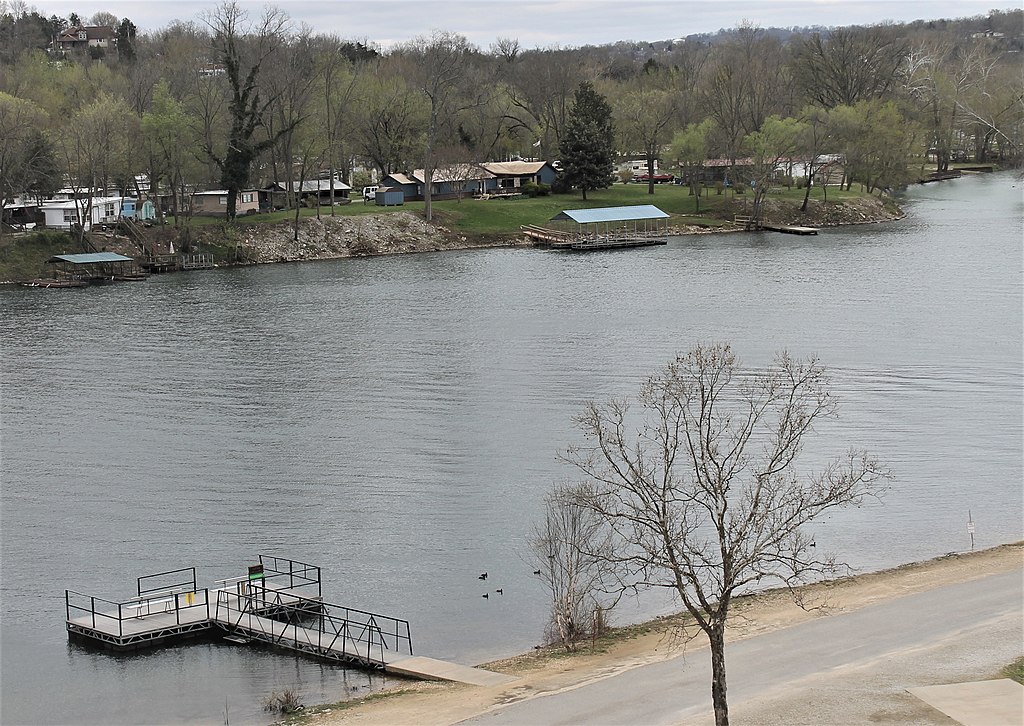
Lake Taneycomo
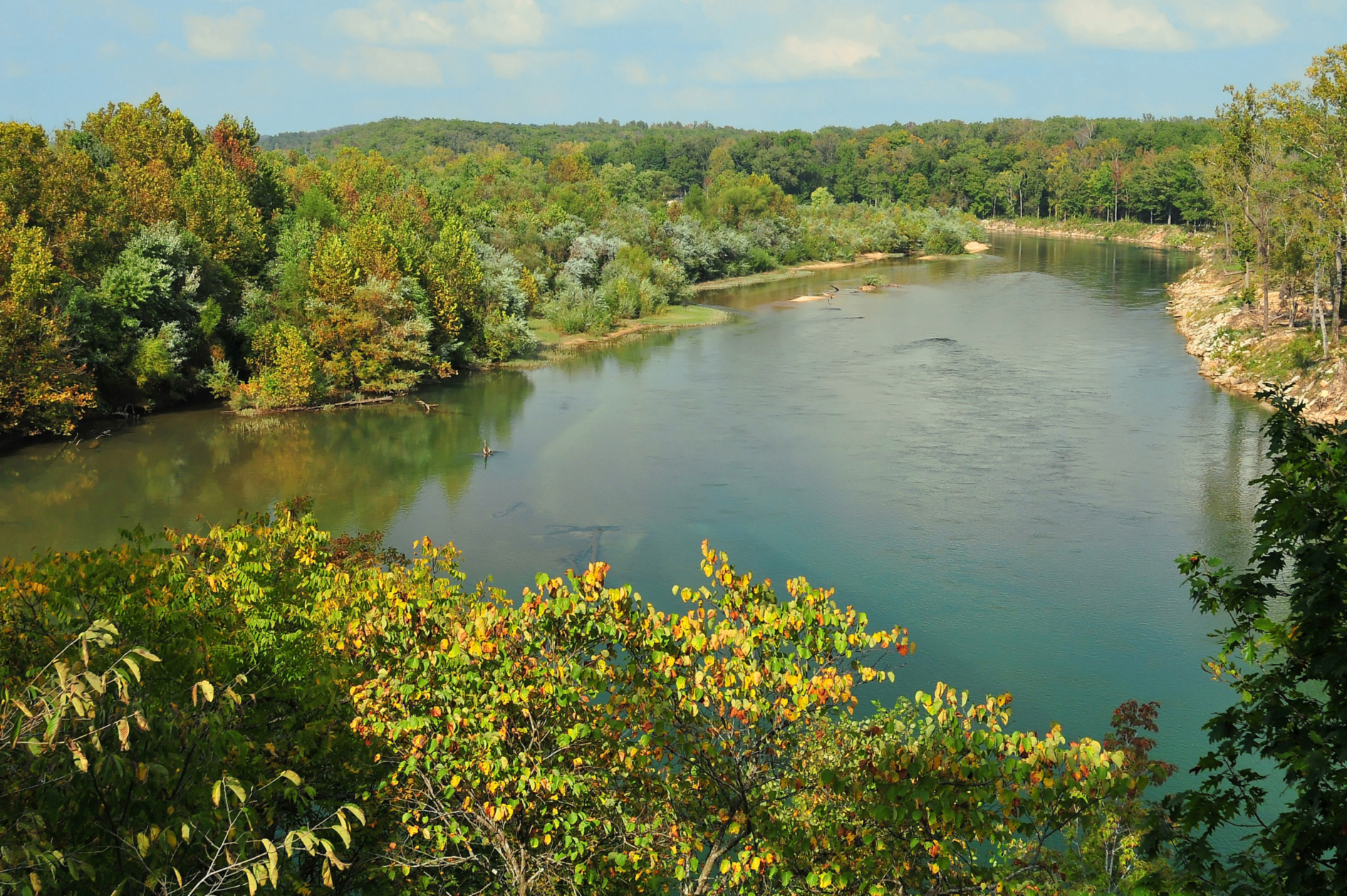
Current River
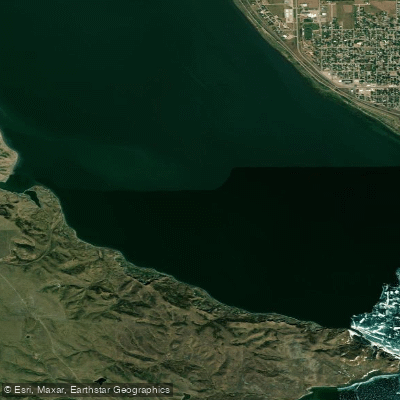
Missouri River
Paddle smarter with real-time insights
Whether you're en route and conditions shift or you're looking for the best spot based on current flows, we enable you to make informed decisions on the fly.







Missouri licenses and regulations
National parks in Missouri
Explore Missouri waters
Top paddling waters
Popular Cities
Loading popular cities...
Smarter Paddling Starts in the App.
Paddleways gives you everything you need to plan smarter, paddle better, and own every trip from first launch to takeout.