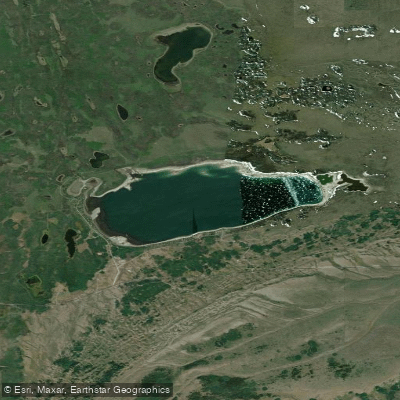
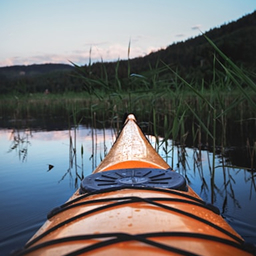
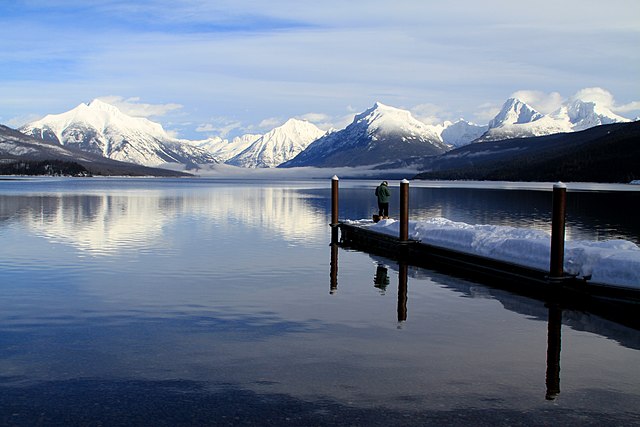
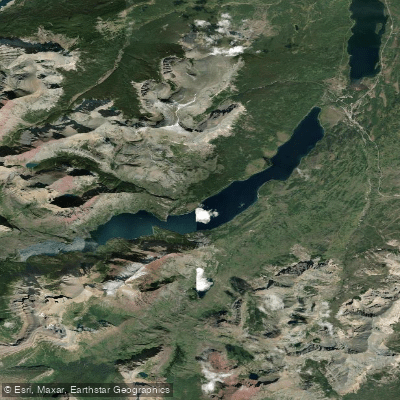
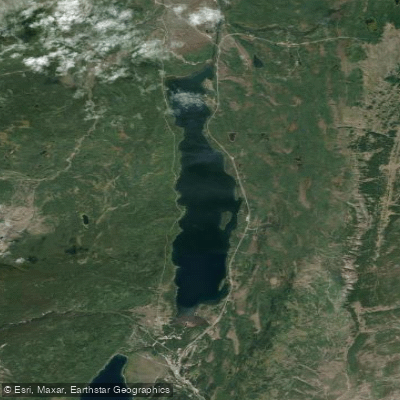
Duck Lake in Glacier County, Montana, is located in the Blackfeet Indian Reservation approximately 8 miles north of St. Mary and 32 miles north of Browning. This remote lake sits on the eastern edge of Glacier National Park country, offering paddlers a distinctive prairie-meets-mountain experience with stunning views of the Rocky Mountain Front. The lake provides a peaceful paddling environment characterized by open water surrounded by rolling grasslands with dramatic mountain backdrops to the west.
Wind can be a significant factor on Duck Lake, as the exposed prairie location offers little shelter from prevailing westerly breezes that sweep across the plains. Paddlers should plan for early morning or evening sessions when winds typically subside.
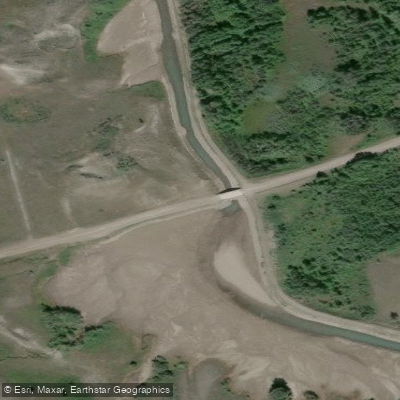
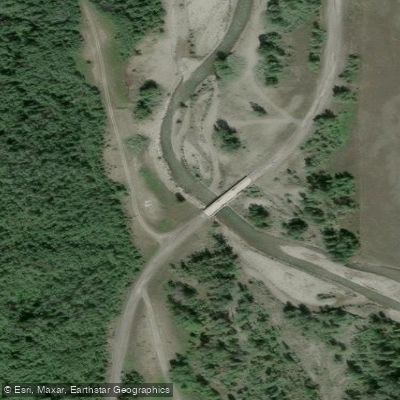
Access to Duck Lake requires navigating through the Blackfeet Reservation, and paddlers should be aware that a tribal recreation permit is required for non-tribal members.
The area around Duck Lake includes several other small water bodies and wetlands that support diverse waterfowl populations, making it particularly appealing for wildlife observation. Expect to see various duck species (as the name suggests), geese, grebes, and occasionally larger birds like pelicans or herons.
The lake experiences seasonal water level fluctuations typical of prairie pothole region lakes, with highest levels generally occurring in spring and early summer following snowmelt. By late summer and fall, water levels may drop considerably, potentially affecting access and navigation.
Duck Lake Lodge, located nearby, serves as a landmark and potential resource for visitors to the area. The remote setting offers solitude and a genuine wilderness feel, though paddlers should come fully self-sufficient with water, supplies, and emergency equipment. The exposed location means weather can change rapidly, and the nearest services are in St. Mary or Browning, making preparation essential for a safe and enjoyable paddling experience.