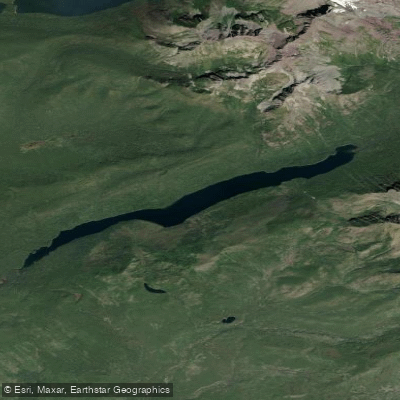
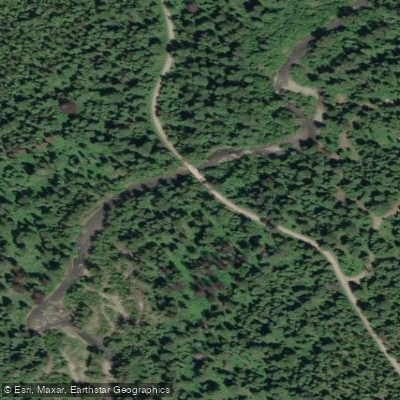
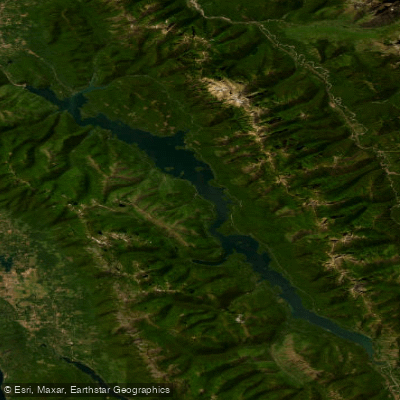
Logging Lake is a remote, backcountry lake located in the northwest section of Glacier National Park in Montana. The lake is accessible via an 8.8-mile out-and-back trail that follows Logging Creek for much of its length. The hike to reach the lake involves a moderate elevation gain of 670 feet, making it one of the easier backpacking destinations in the park.
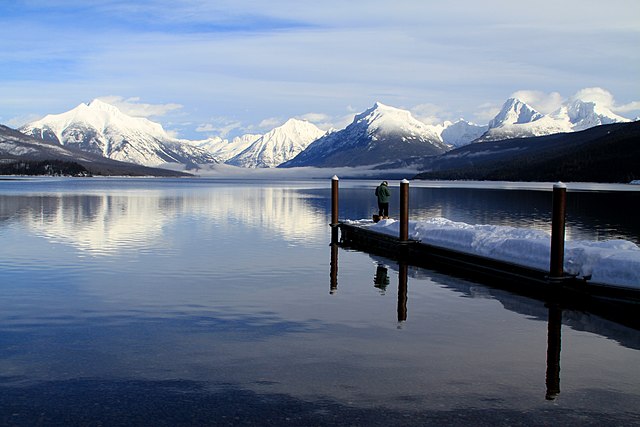
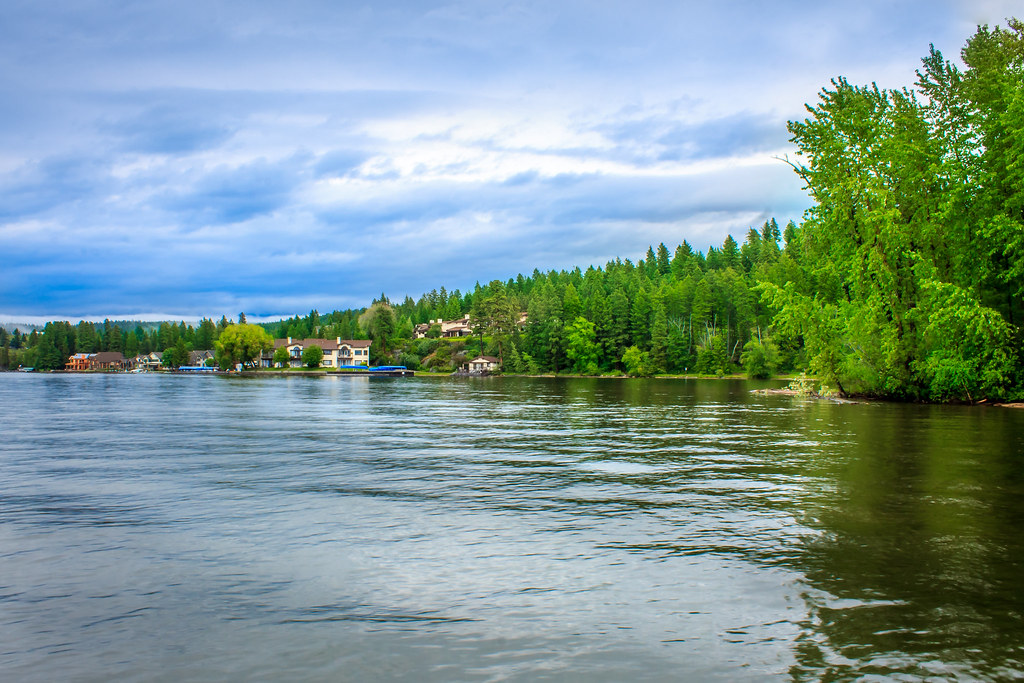
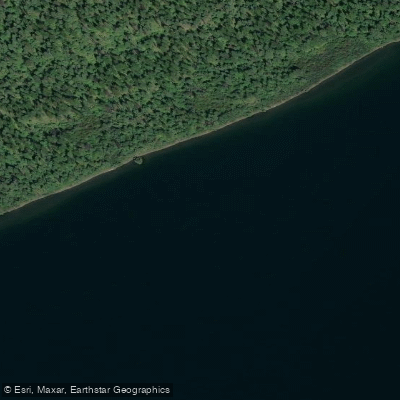
The trail to Logging Lake traverses through varied terrain, including old-growth conifer forests, meadows with wildflowers, and areas affected by past forest fires. Hikers may encounter muddy and overgrown trail conditions, particularly in early season or after rainfall. The lake itself is surrounded by dense forest and offers views of remote peaks in the Livingston Range, including Mount Geduhn and Anaconda Peak.
Due to its remote location, Logging Lake receives far fewer visitors compared to other areas of Glacier National Park. This isolation increases the chances of wildlife sightings, including the possibility of encountering bears. Visitors should carry bear spray and be well-versed in bear safety protocols. The area around the lake provides habitat for bald eagles, which can sometimes be seen fishing for cutthroat trout.
Camping is available at designated backcountry sites near the lake, but permits are required and must be obtained in advance from the Apgar Visitor Center. There are three campsites at the Logging Lake campground, located about 5 miles from the trailhead. No fires are allowed in the backcountry. The Logging Lake Patrol Cabin, built in 1930, is situated near the shore and is used by backcountry rangers.
Fishing is permitted in Logging Lake, but a Montana state fishing license is required. The lake is known to contain cutthroat trout. For those wishing to extend their trip, Grace Lake is located about 1 mile beyond the head of Logging Lake and offers additional fishing opportunities for both cutthroat trout and whitefish.
The best time to visit Logging Lake is typically from late June through October. Early season visitors (late April to early June) should be prepared for muddy trails and abundant mosquitoes. The lake's lower elevation compared to other areas of the park means it's accessible for a greater part of the year.
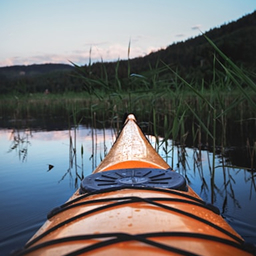
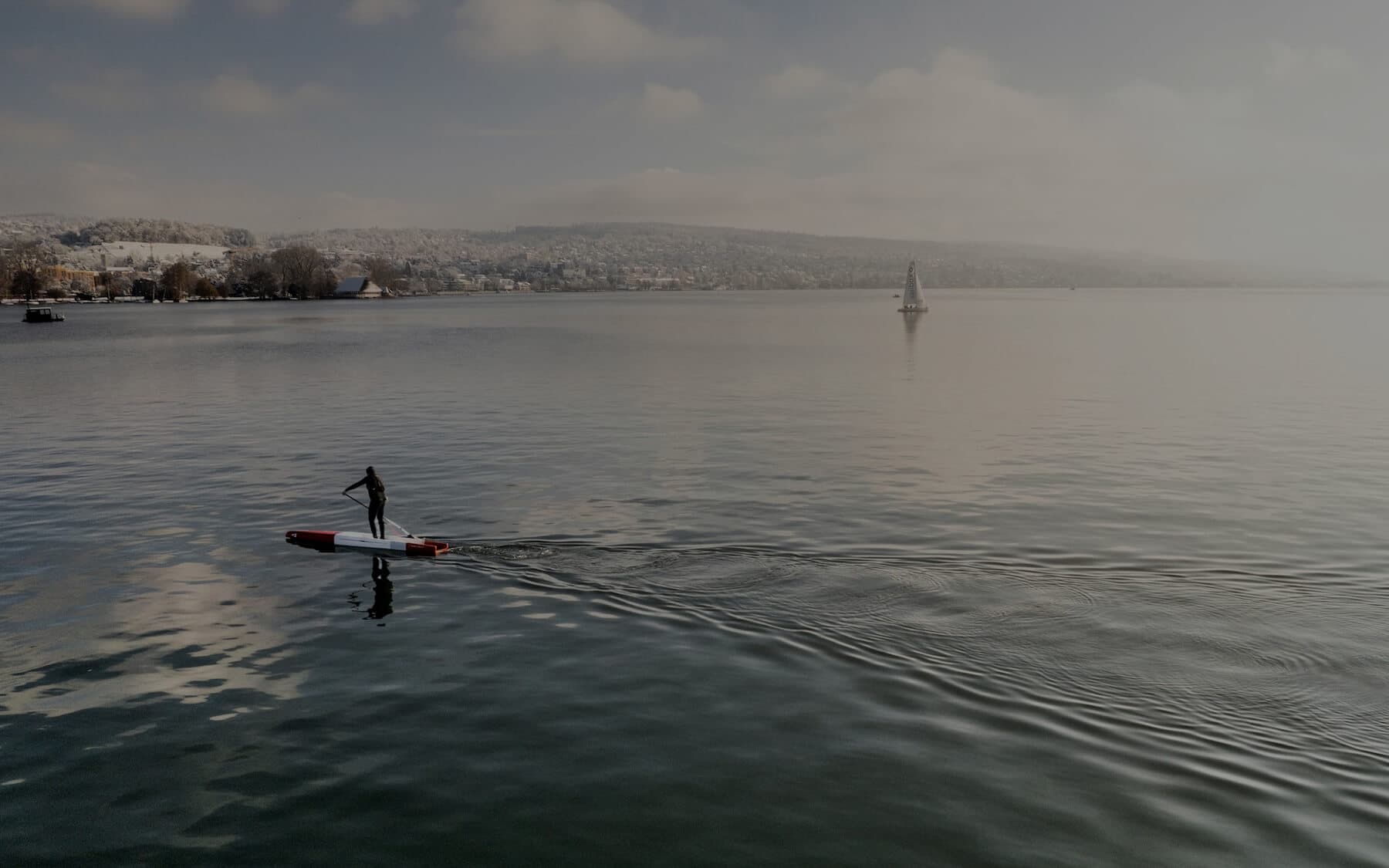
While paddling on Logging Lake isn't explicitly mentioned, the presence of fishing suggests that the lake may be suitable for non-motorized watercraft. However, visitors should check with park authorities regarding any specific regulations or restrictions on boating activities.
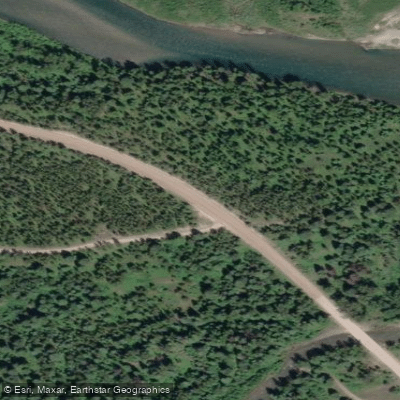
Access to the Logging Lake trailhead requires driving on the Inside North Fork Road (also known as Glacier Route 7), a remote gravel road. Visitors should check road conditions and closures before attempting to reach the trailhead, as the road can be rough and may be closed due to weather or maintenance.
The Logging Lake area offers a true wilderness experience within Glacier National Park, providing opportunities for solitude, wildlife viewing, and immersion in pristine natural surroundings.