Paddling in North Carolina
- Lakes
- 1,522
- Rivers
- 9,368
- Access
- 359
- Boat Ramps
- 577
- Shops
- 27
North Carolina is two paddling states stacked on top of each other — a steep, dam-fed whitewater country in the Blue Ridge, and a sprawling shallow-water coast 300 miles east where the Outer Banks shelter five sounds.
A paddler who only knows one half has missed the other country entirely. The western mountains run on a release calendar.
So much of the rainfall the Blue Ridge wrings out gets throttled by hydropower that the serious creek and play culture is inseparable from the dates American Whitewater negotiates with Duke Energy each year.
The Cheoah — dry for 77 years before AW's mid-2000s relicensing settlement brought it back — runs at 1,000 cfs from 8 to 4 on a handful of scheduled days, and world-class boaters appear on every one of them.
The Upper Nantahala and Cascades open the tainter gates maybe eight days a year, a late-April weekend, four summer weekends, a late-September weekend, and that's it; the rest of the year those reaches sit dry.
Below all that, the Lower Nantahala is the constant — Class II–III, a steady 50°F out of the dam, March through October — and the Nantahala Outdoor Center campus at the take-out has been the gravitational center of Southeastern paddling for nearly 50 years.
Bring a USFS Nantahala River Permit if you're boating private; a lot of visitors don't know about it until they're standing at the put-in. The Green Narrows is its own story. A 2.
9-mile slot south of Asheville dropping at 178 feet per mile, it's been the Southeast's proving ground for elite creekers for decades — Gorilla, Go Left and Die, Sunshine — and the first-Saturday-in-November Green Race is the regional prestige event.
Hurricane Helene tore up the Tuxedo powerhouse in September 2024, and the run is rain-dependent for the foreseeable future. The 2025 race went off on a modified course. Access roads in and out of the gorge are still a question.
Away from the releases, the piedmont and coastal plain do the unhurried work — the New River through pastoral Ashe County with canoe-camping access in the state park, the Roanoke Paddle Trail with its eleven platforms and the bald cypress of Three Sisters Swamp (one tree dated past 364 AD), and the four designated state water trails on the Dan, French Broad, Lumber, and Yadkin.
August and September get bony on rain-fed runs; the dam-controlled Neuse and Cape Fear hold canoeable minimums when everything else quits. Then the coast.
Pamlico Sound averages three to five feet deep and runs eighty miles behind the barrier islands, with Cape Hatteras and Cape Lookout National Seashores both tourable campsite to campsite by sea kayak.
Pea Island and Alligator River bring black bears, red wolves, alligators. Keep an eye on the wind — sound paddling wants ten knots or less, and afternoon gusts can stand the chop straight up.
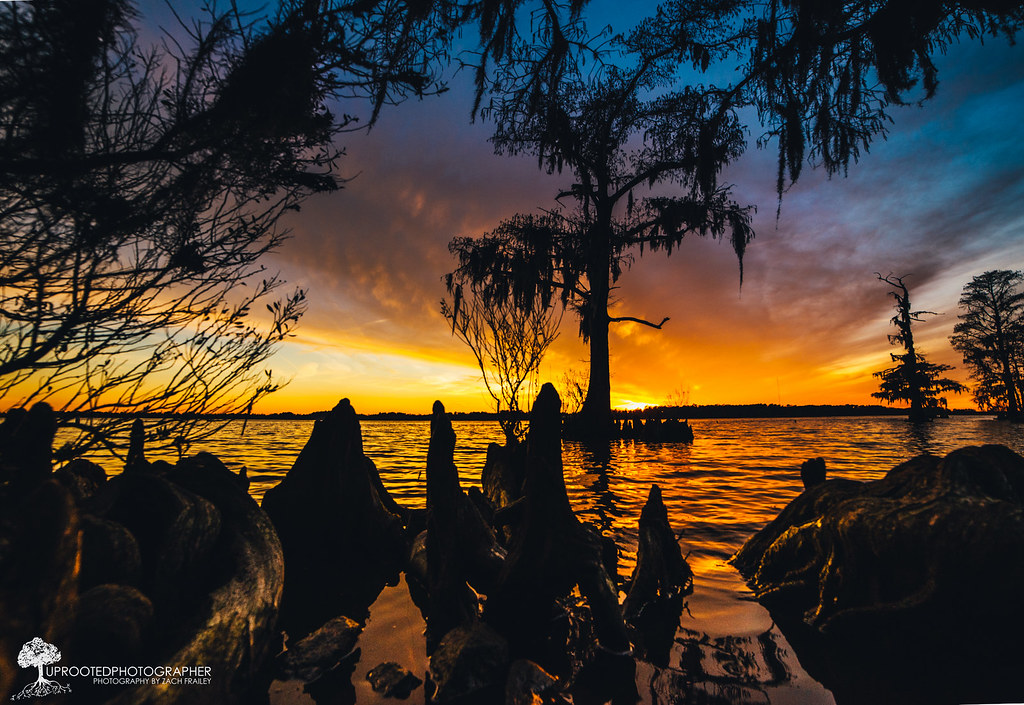
The Atlantic side is a different boat and a different skill set entirely. Merchants Millpond, 760 acres of cypress and tupelo gum, is worth the drive on its own.
Top waters to paddle near North Carolina
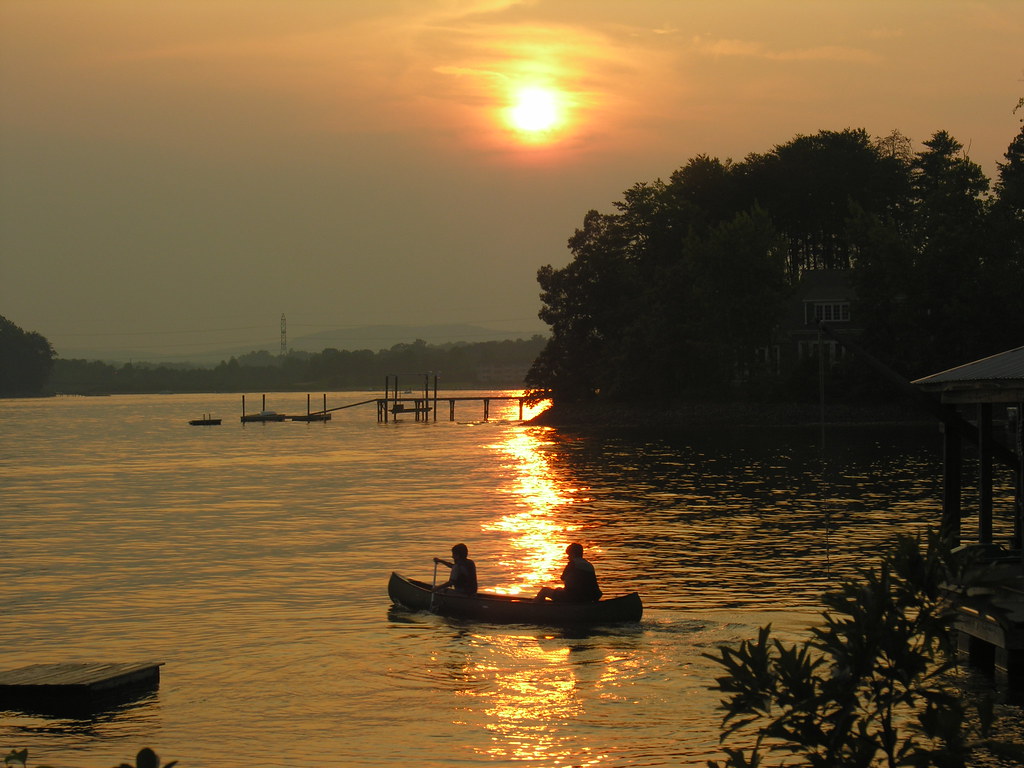
Lake Norman
High Rock Lake
B Everett Jordan Lake
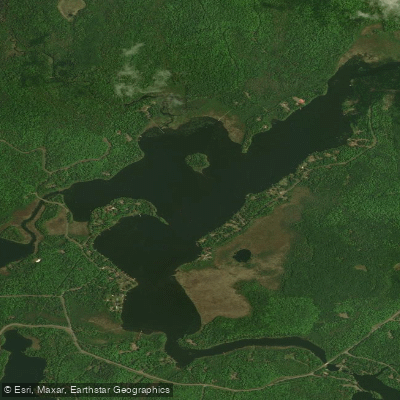
Lake of the Falls
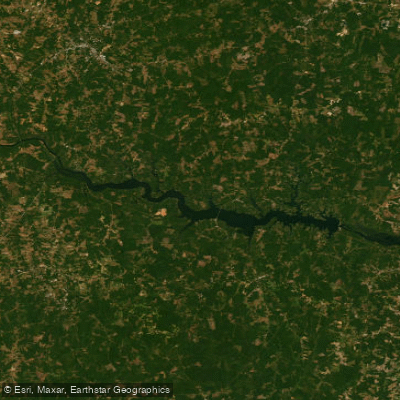
Lake Gaston
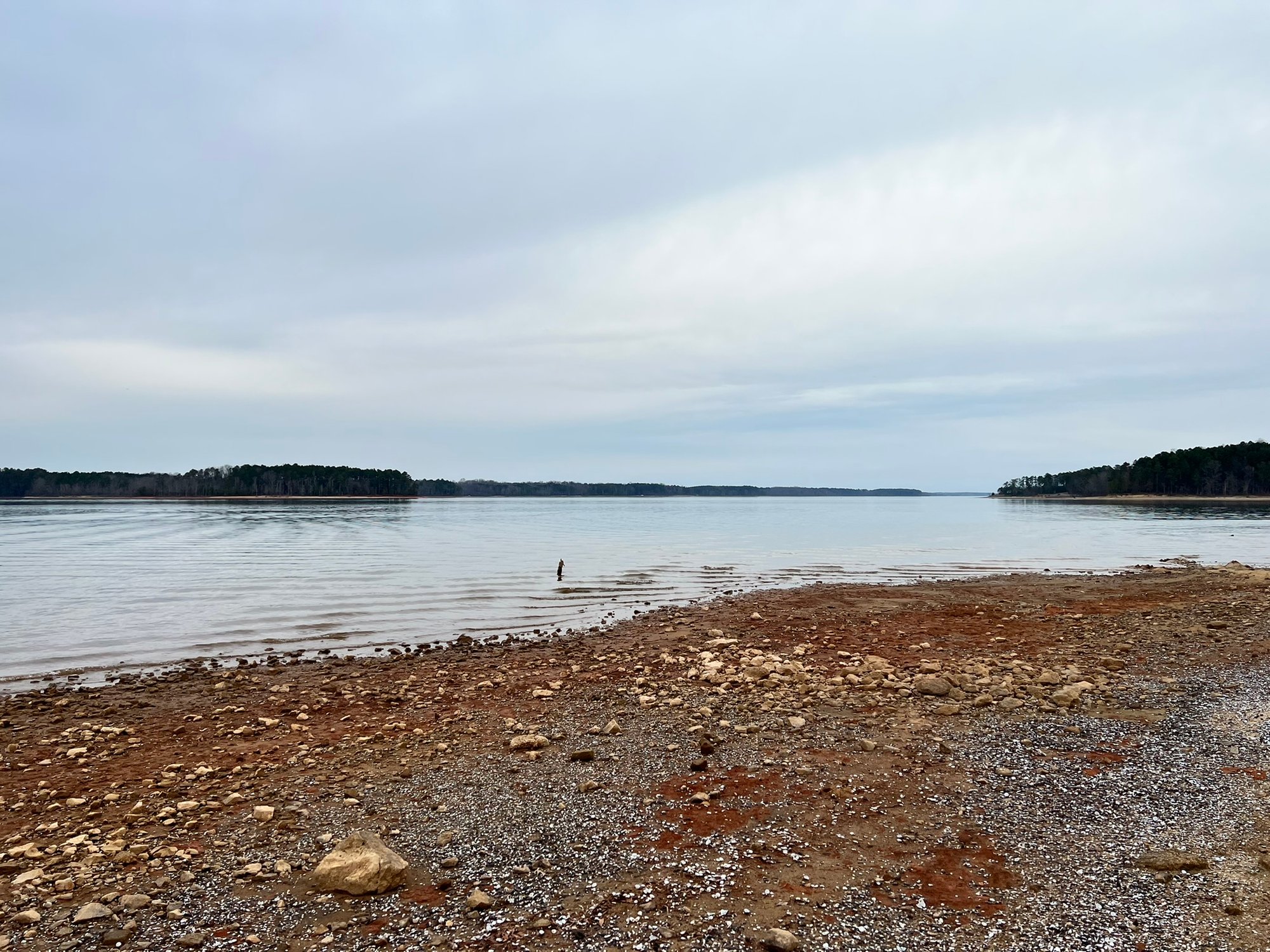
John H. Kerr Reservoir
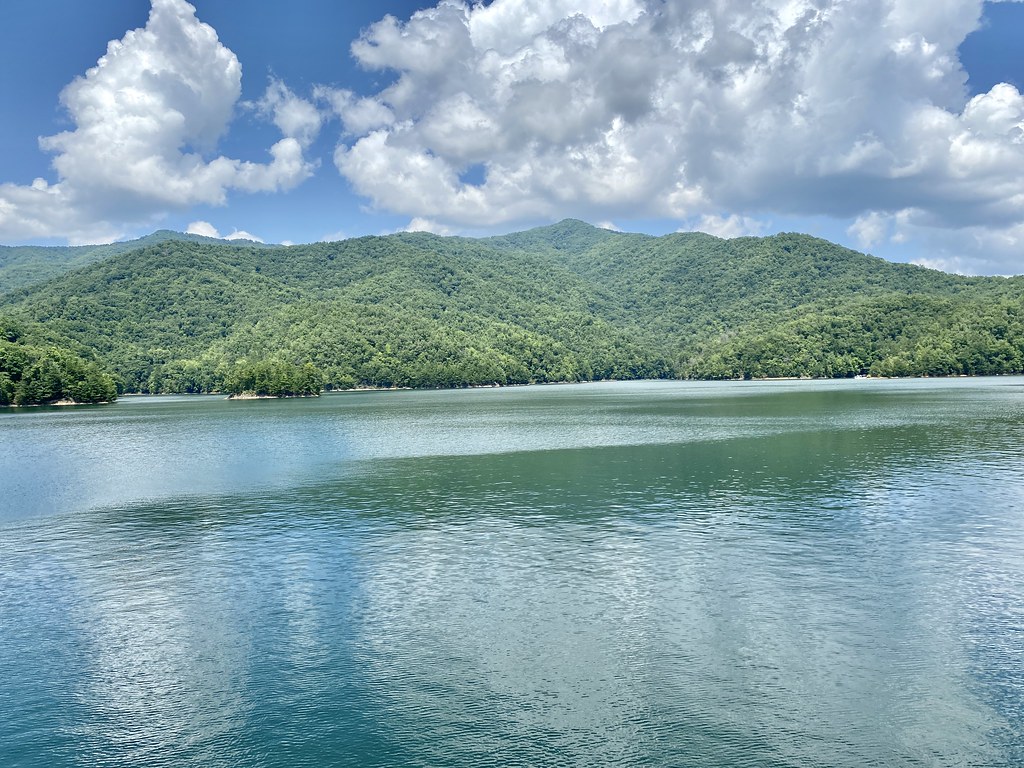
Fontana Lake
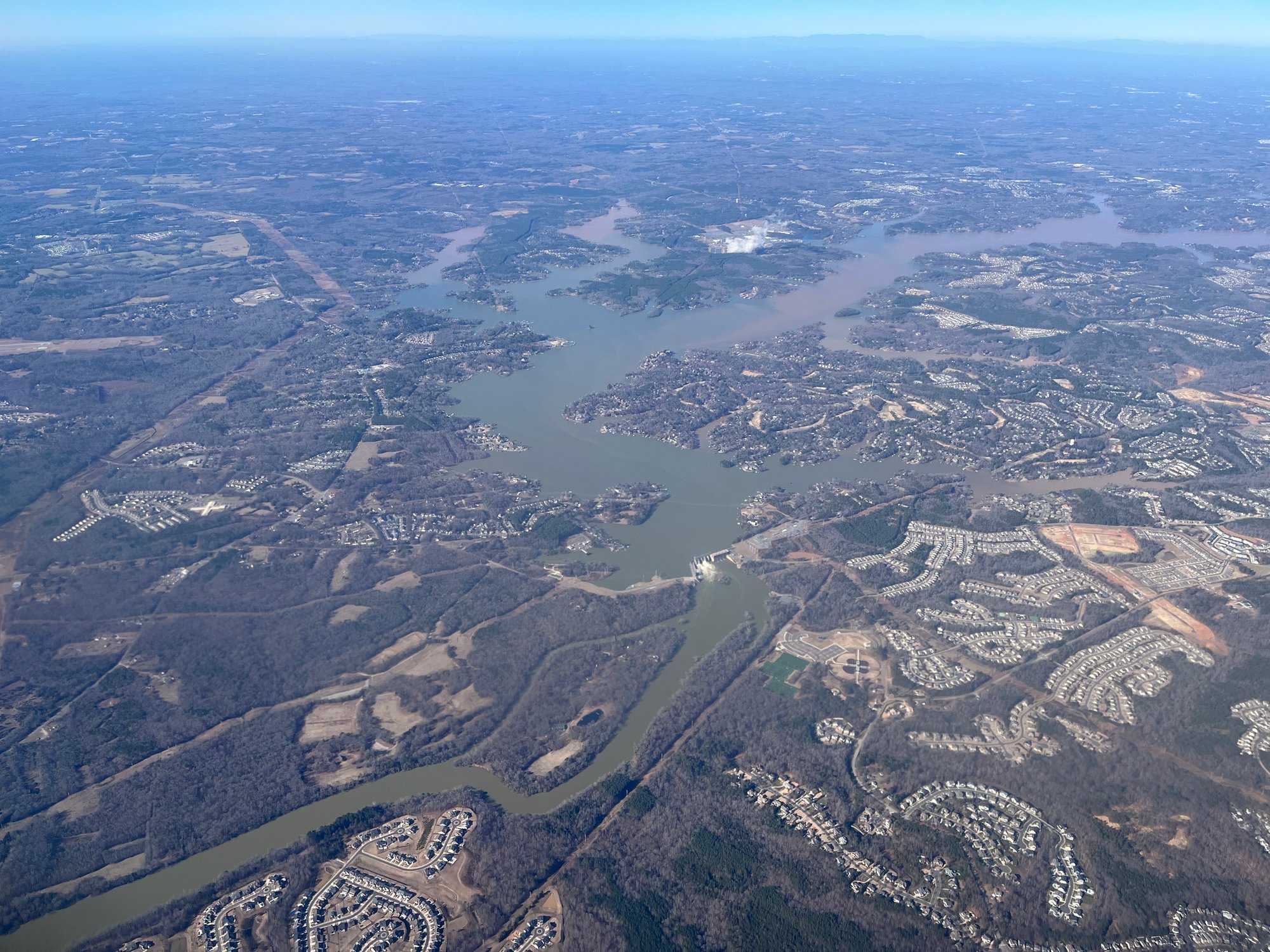
Lake Wylie
Lake Hiwassee
Chatuge Lake
Paddle smarter with real-time insights
Whether you're en route and conditions shift or you're looking for the best spot based on current flows, we enable you to make informed decisions on the fly.







North Carolina licenses and regulations
National parks in North Carolina
Explore North Carolina waters
Top paddling waters
Popular Cities
Loading popular cities...

Smarter Paddling Starts in the App.
Paddleways gives you everything you need to plan smarter, paddle better, and own every trip from first launch to takeout.