Paddling in Great Smoky Mountains National Park
- National Park
- Open 24 hours
- Lakes
- 2
- Rivers
- 788
- Access
- 42
- Boat Ramps
- 1
- Shops
- 0
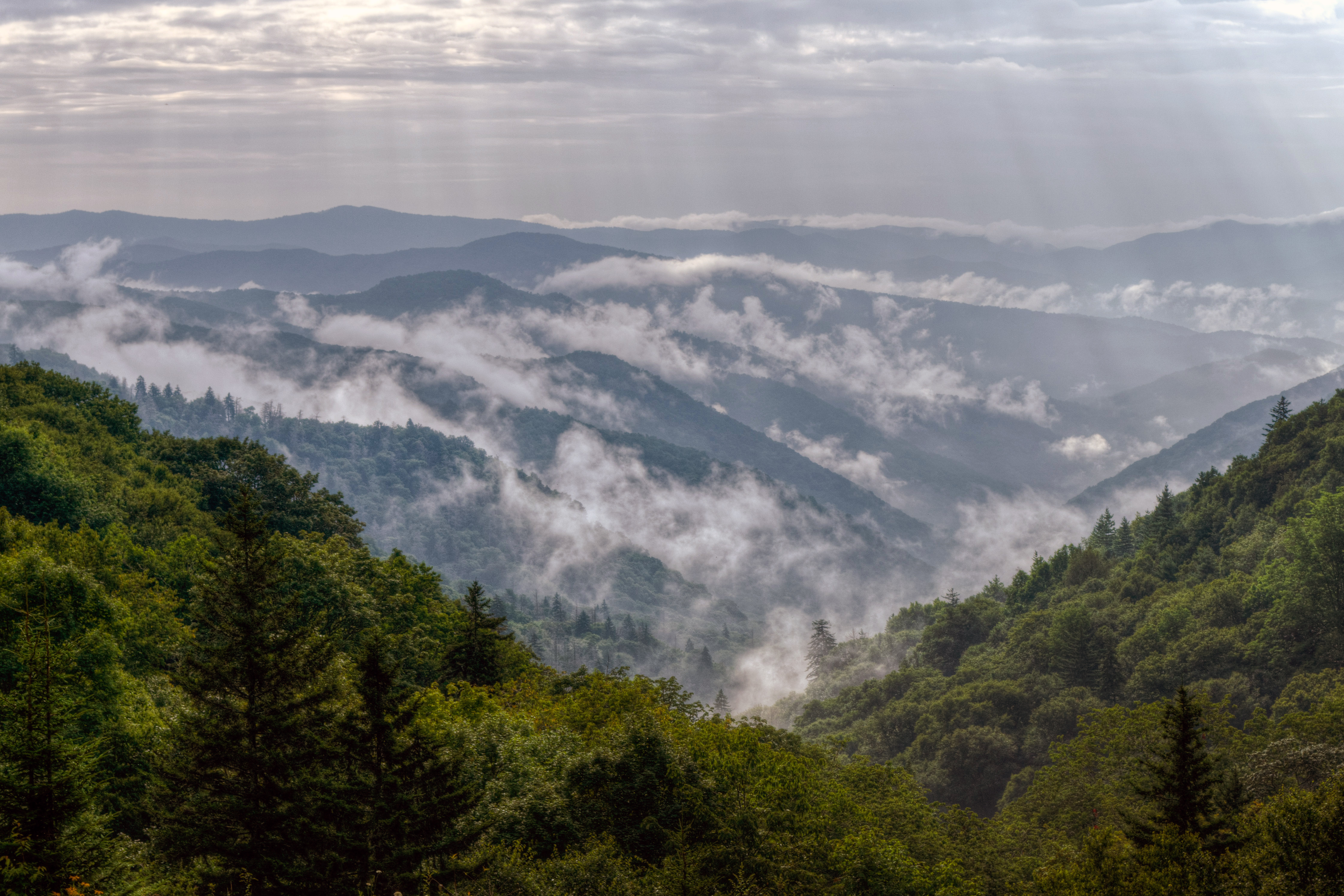
The rivers of Great Smoky Mountains National Park run cold, clear, and fast — mountain streams draining the southern Appalachians across both the Tennessee and North Carolina sides of the park.
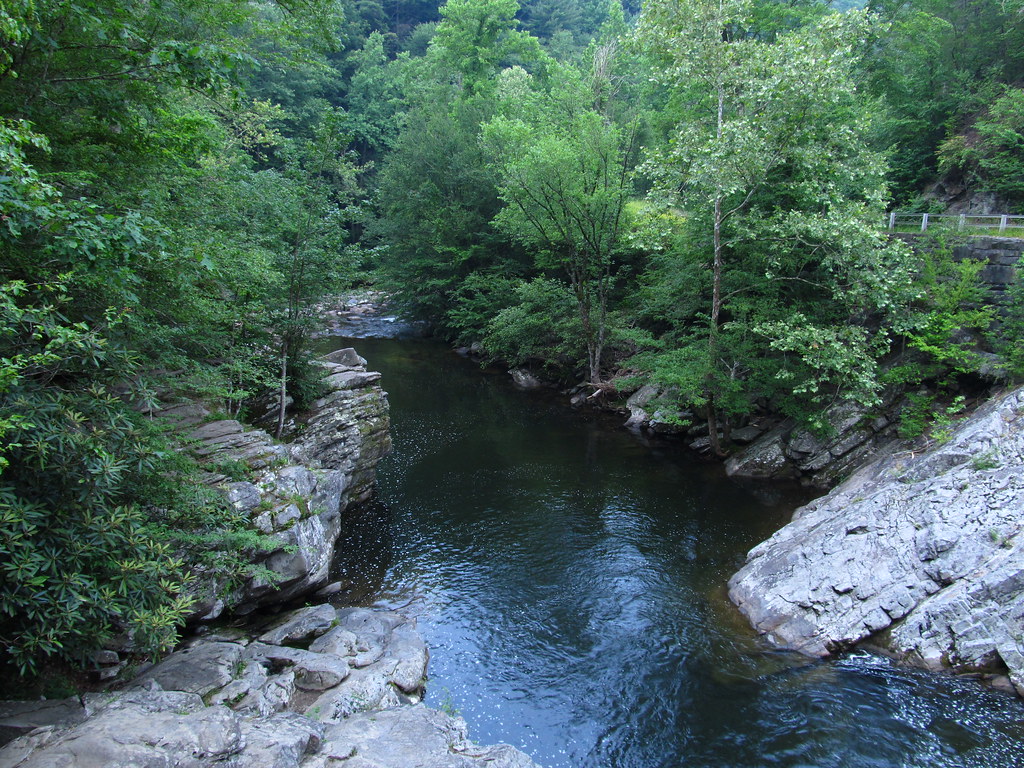
The water here is moving water: cascading tributaries, boulder-choked creek corridors, and the headwaters of rivers that grow into serious whitewater once they leave park boundaries. This is not flatwater country.
The Oconaluftee River is one of the park's central waterways, running along Newfound Gap Road on the North Carolina side. The Little Pigeon River drains the Tennessee side, threading through the Sugarlands area near Gatlinburg.
Both are freestone streams — rain- and snowmelt-dependent, running highest in late winter and spring, dropping to technical or unrunnable levels by midsummer in dry years.
The Pigeon River picks up outside the park's eastern boundary and is where most guided whitewater trips in the region operate, with the upper section running Class III and IV and the lower section offering Class I and II.
One thing to understand before planning a trip: no rafting is offered within the park boundaries themselves. The streams inside are largely too steep, too narrow, or too protected for commercial or recreational float trips.
What the park holds is the headwater character — the gradient, the clarity, the cold — that makes the rivers downstream worth paddling. Backcountry overnight trips anywhere in the park require a permit, issued through the park's reservation system.
Check with the park directly for current rules before any trip that involves camping near water. The Smokies' streams are worth knowing even if you never put a boat on them.
They set the tone for everything downstream — and understanding where the water comes from makes you a better paddler when you finally get on it.
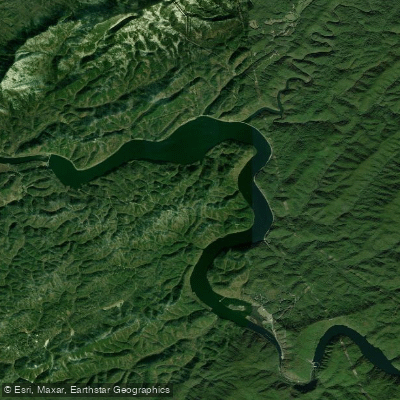
Top waters to paddle near Great Smoky Mountains National Park
Water and weather conditions (10 day forecast)
See the best times to paddle Great Smoky Mountains National Park and check the forecast before you go.
No forecast data available.
Park alerts & road status
Closures and conditions Great Smoky Mountains National Park has posted, from the National Park Service.
Checking the park's alerts…
Hours & fees
When Great Smoky Mountains National Park is open and what it costs to get in, from the National Park Service.
Hours
Open 24 hoursPrimary roads are open 24 hours a day, seven days a week, year-round, weather permitting. This includes Newfound Gap Road (US-441), Little River Road, and Laurel Creek Road. Secondary roads are closed seasonally.
Entrance fees
No entrance fee is listed for this park.
Parking & getting around
Where to leave the car in Great Smoky Mountains National Park. Lots fill early on busy days, so plan where you will park before you head for the water.
Alum Cave Trailhead Parking Area
Parking for Alum Cave Trailhead.
Chimney Tops Trailhead
Parking for Chimney Tops Trailhead.
Laurel Falls Trailhead Parking Area
ClosedLaurel Falls Trailhead parking area also serves Sugarland Mountain Trailhead.
Rainbow Falls Trailhead Parking Lot
Parking for Rainbow Falls and Bullhead trailheads.
Getting around
Great Smoky Mountains National Park straddles the borders of the states of Tennessee and North Carolina. The three main entrances to the park are in Gatlinburg, TN; Townsend, TN; and Cherokee, NC.
Directions on nps.govPaddle smarter with real-time insights
Whether you're en route and conditions shift or you're looking for the best spot based on current flows, we enable you to make informed decisions on the fly.







Paddling near Great Smoky Mountains National Park
Loading...
Other parks in North Carolina
Gateway towns
Where to base yourself for paddling in Great Smoky Mountains National Park.
Main Tennessee entrance town with the most lodging, restaurants, outfitters, and direct park access via Newfound Gap Road.
- CherokeeNC
Anchors the North Carolina side at the Oconaluftee entrance, with lodging, dining, and the Oconaluftee Visitor Center nearby.
North Carolina hub for outdoor outfitters, paddling, and access to the Deep Creek area on the park's quieter southern edge.
- TownsendTN
Quiet western Tennessee gateway near the Cades Cove entrance, with lodging, dining, and outdoor outfitters.
Closest town to the Cataloochee Valley entrance, the best spot in the park to see elk.
Great Smoky Mountains National Park paddling rules
The park's own rules, on top of North Carolina licenses and regulations. Limits, fees and closures change, so check the park's page before you go.

Fishing Requires a State License
You need a valid Tennessee or North Carolina fishing license to fish in the park. Check the Superintendent's Compendium for any additional park-specific fishing rules that apply.
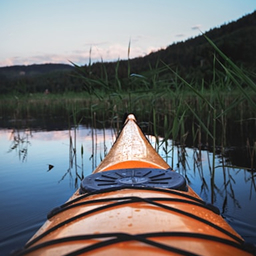
Backcountry Overnight Permits Required
Any overnight trip into the backcountry requires a permit reserved in advance. Book through the official reservation system before your trip.
Explore Great Smoky Mountains National Park
Top paddling waters
Popular Cities
Loading popular cities...

Smarter Paddling Starts in the App.
Paddleways gives you everything you need to plan smarter, paddle better, and own every trip from first launch to takeout.