Paddling in Denali National Park
- National Park
- Open 24 hours
- Lakes
- 1
- Rivers
- 35
- Access
- 0
- Boat Ramps
- 0
- Shops
- 0
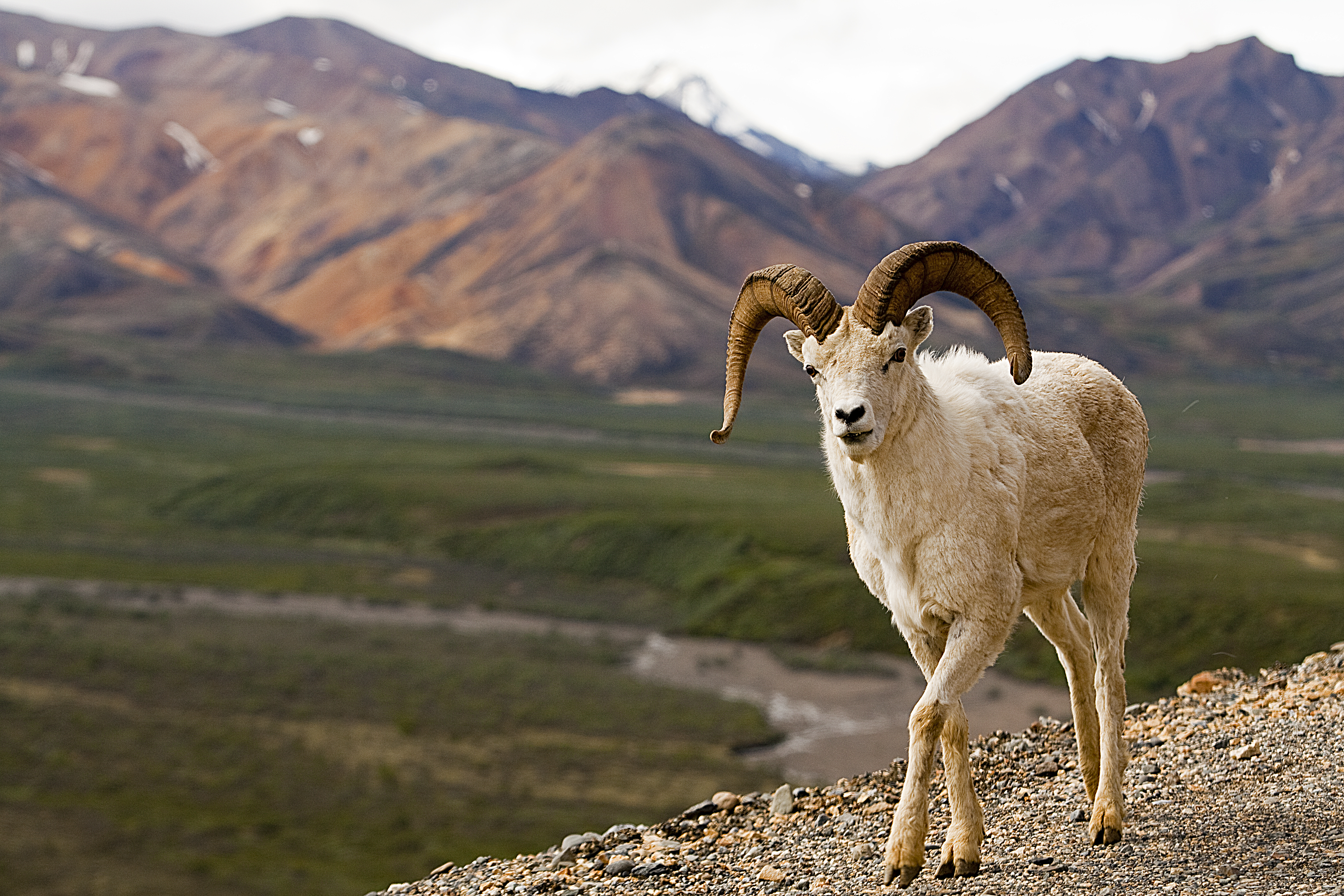
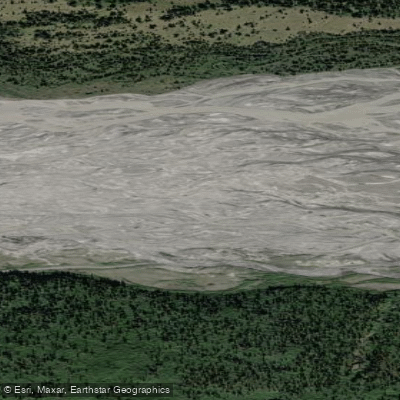
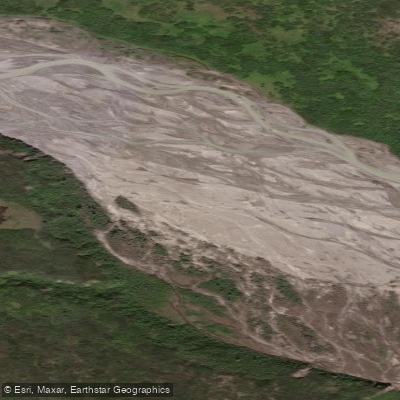
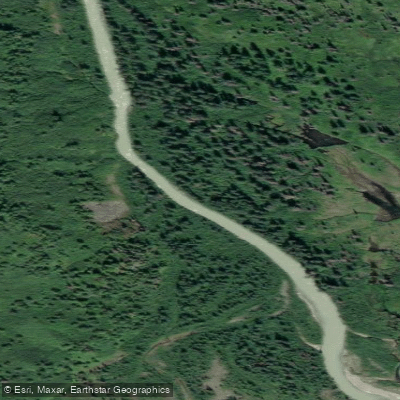
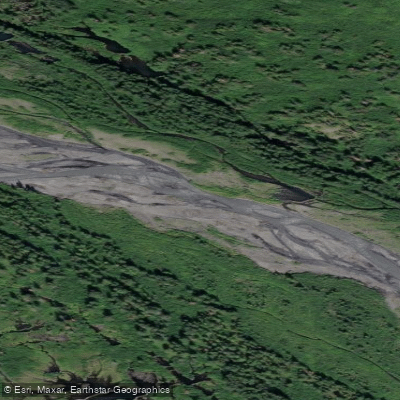
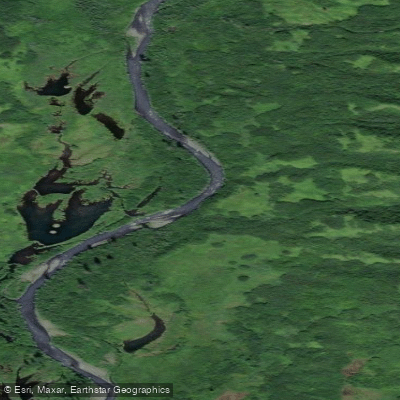
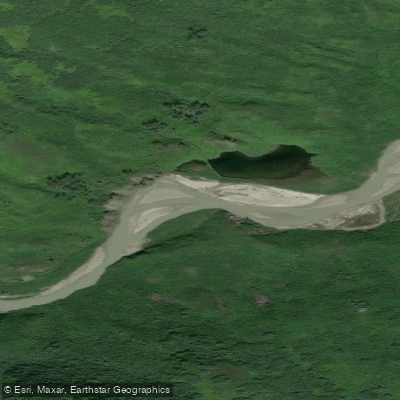
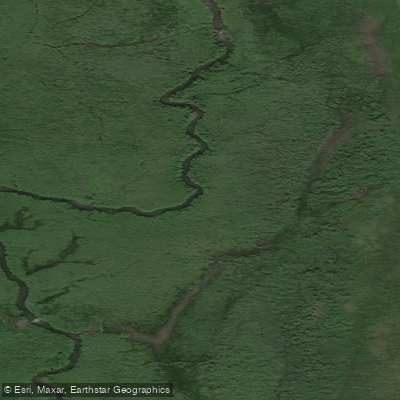
Denali National Park sits in the Alaska Range, a landscape shaped by glaciers, braided rivers, and tundra drainages. The water here runs cold and silty — glacially fed, fast to rise, and unforgiving to anyone who underestimates it.
Most of the paddling action associated with the Denali area happens at or beyond the park's edges, but the rivers that define this country are very much part of the backcountry experience for anyone moving through it on foot or by packraft.
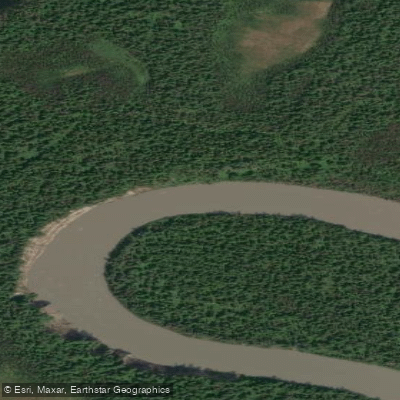
The Nenana River runs along the park's eastern boundary and is the primary whitewater corridor in the region. It's a classic glacial river — brown with suspended silt, fed by snowmelt and ice, and capable of significant volume swings.
The canyon section below the park entrance carries Class III–IV rapids, with named drops that demand respect at any level. The upper stretches run Class I–II and are more accessible for scenic floating.
Commercial operators run the Nenana just outside park boundaries; anyone paddling it independently should understand that glacial rivers read differently than clear-water rivers — depth is hard to judge, and water temperature stays near freezing well into summer.
Inside the park's backcountry, river crossings are a routine part of travel, and packrafts have become a legitimate tool for navigating the braided drainages that cut across the roadless interior. There are no bridges in the backcountry.
Glacial rivers run lower in the early morning hours as overnight temperatures slow melt at elevation — a practical detail worth building into any crossing plan. Water temperature runs around 36°F, and cold immersion is a genuine hypothermia risk.
The park requires a free backcountry permit for overnight travel, obtained in person at the Backcountry Information Center. Commercial operators working inside the park must hold a Commercial Use Authorization from the National Park Service.
Beyond the permit desk, the park road closes to private vehicles past Mile 15, which shapes how paddlers stage any river access deeper in. This is not a park you come to for put-in convenience.
The rivers here are part of a larger wilderness equation — the kind of place where reading water and reading weather are the same skill.
Water and weather conditions (10 day forecast)
See the best times to paddle Denali National Park and check the forecast before you go.
No forecast data available.
Park alerts & road status
Closures and conditions Denali National Park has posted, from the National Park Service.
Checking the park's alerts…
Hours & fees
When Denali National Park is open and what it costs to get in, from the National Park Service.
Hours
Open 24 hoursDenali is open 24-hours a day, although services are limited after-hours (generally after 4 pm in winter or 6 pm in summer). There is no gate at the park entrance. Please note that camping is only possible either in designated campgrounds (with a valid reservation) or in the rest of the park with a free backpacking permit.
Entrance fees
- Entrance - Per Person$15
- Denali charges an entrance fee year-round. Youth age 15 or younger are free. For people age 16 or older, the $15 entrance fee provides a 7-day entrance permit. Be prepared to show your receipt or pass (digital or physical) if requested by park staff.
Parking & getting around
Where to leave the car in Denali National Park. Lots fill early on busy days, so plan where you will park before you head for the water.
Denali Bus Depot Parking
ClosedThis parking lot is at the building where most bus trips into Denali begin. Two-thirds of the lot are sized for small cars, and one-third is sized for RVs or other large vehicles. Many area hotels have shuttles that bring their guests to the Denali Bus Depot, so inquire at your lodging if you want to avoid bringing a car to the park.
Accessibility: Accessible parking is located closest to the Denali Bus Depot.
Getting around
You can drive to Denali from Anchorage or Fairbanks, along Highway 3, which is known as the "George Parks Highway." Fairbanks is about 2 hours north, while Anchorage is 5 hours south of the Denali entrance. You can also reach Denali from either city via the Alaska Railroad, which is operated by the State of Alaska.
Directions on nps.govPaddle smarter with real-time insights
Whether you're en route and conditions shift or you're looking for the best spot based on current flows, we enable you to make informed decisions on the fly.







Paddling near Denali National Park
Loading...
Gateway towns
Where to base yourself for paddling in Denali National Park.
- HealyAK
The nearest community to the park entrance, with hotels, B&Bs, and easy access to the park road and visitor center.
Base for Denali mountaineering expeditions, flightseeing, and guided backcountry trips into the park.
- CantwellAK
Small community south of the park entrance with lodging options and outfitters running guided trips near the park.
Explore Denali National Park
Top paddling waters
Popular Cities
Loading popular cities...
Smarter Paddling Starts in the App.
Paddleways gives you everything you need to plan smarter, paddle better, and own every trip from first launch to takeout.