Paddling in Glacier Bay National Park
- National Park
- Open 24 hours
- Lakes
- 0
- Rivers
- 0
- Access
- 0
- Boat Ramps
- 0
- Shops
- 0
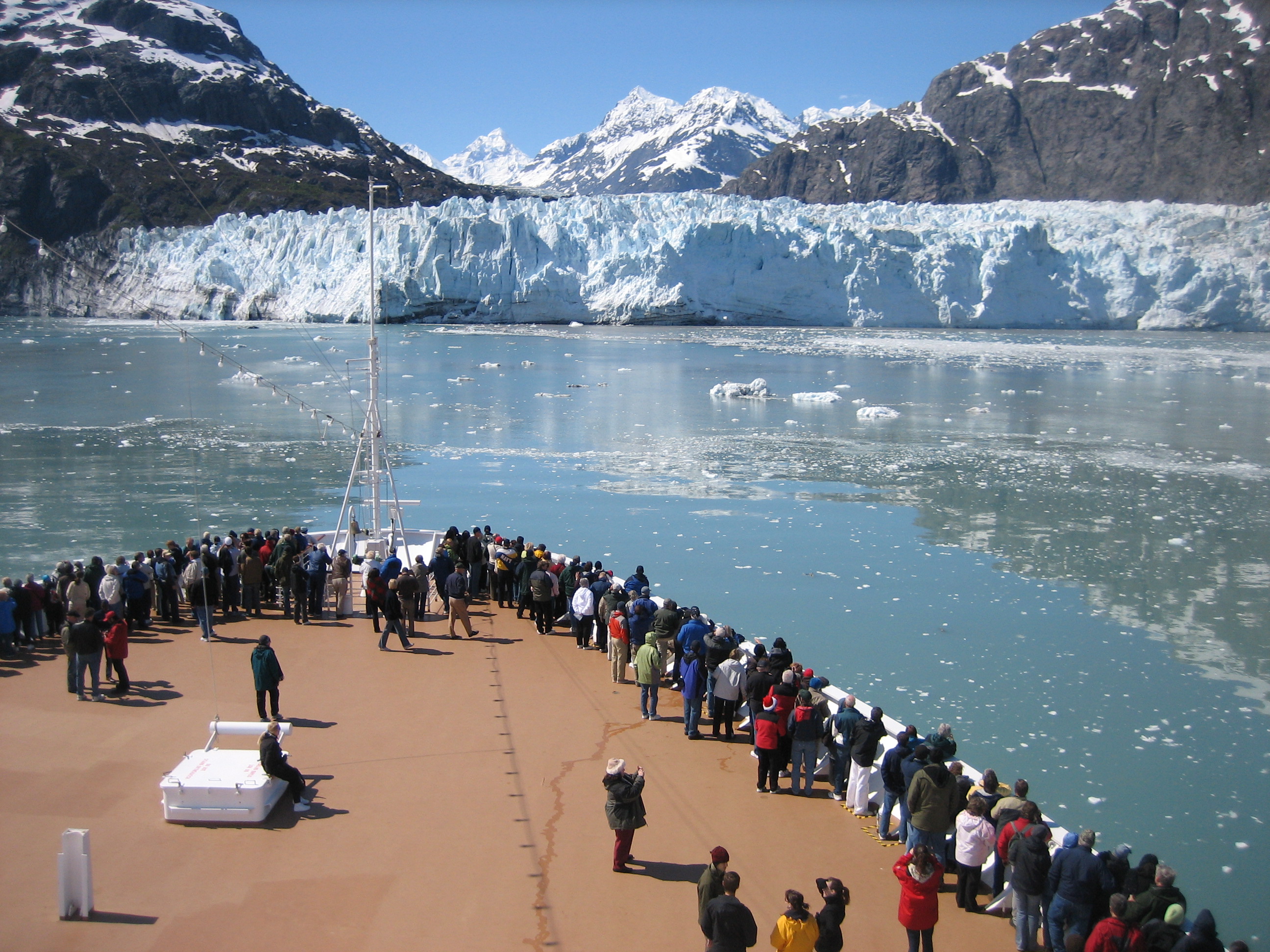
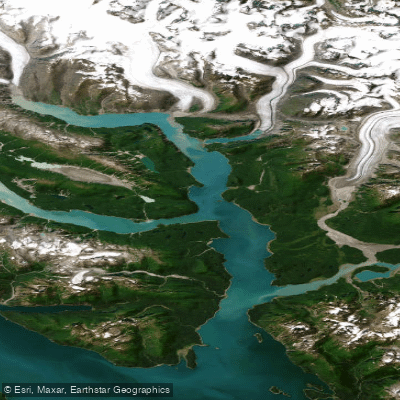
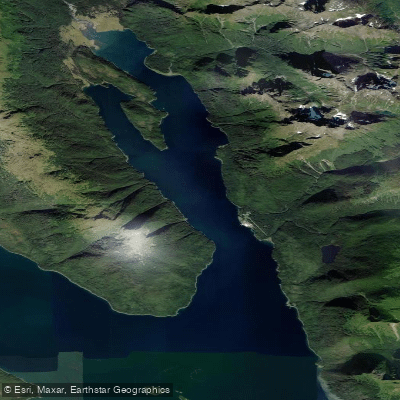
Glacier Bay holds one of the most consequential stretches of open water in the Alaska panhandle — a deep, glacially carved fjord system pushing roughly 65 miles into the Saint Elias Range, with tidewater glacier faces, exposed crossings, and tidal currents that demand genuine sea kayaking competence.
This is saltwater wilderness paddling, not flatwater touring, and the scale of the bay shapes every decision from launch to camp.
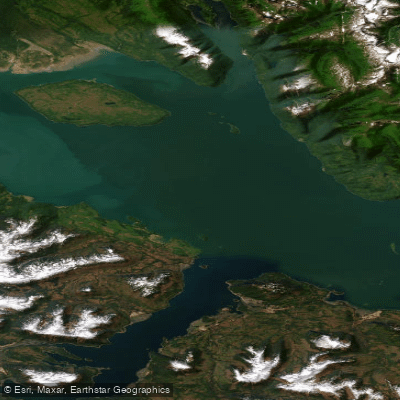
The hub is Bartlett Cove, near the park entrance at Gustavus, where day trips run through protected rainforest waterways along Lester Island and toward Point Gustavus.
These lower-bay paddles are sheltered enough for beginners and offer close wildlife encounters — seals, sea otters, porpoises, bald eagles, and occasional whales — without committing to the full backcountry.
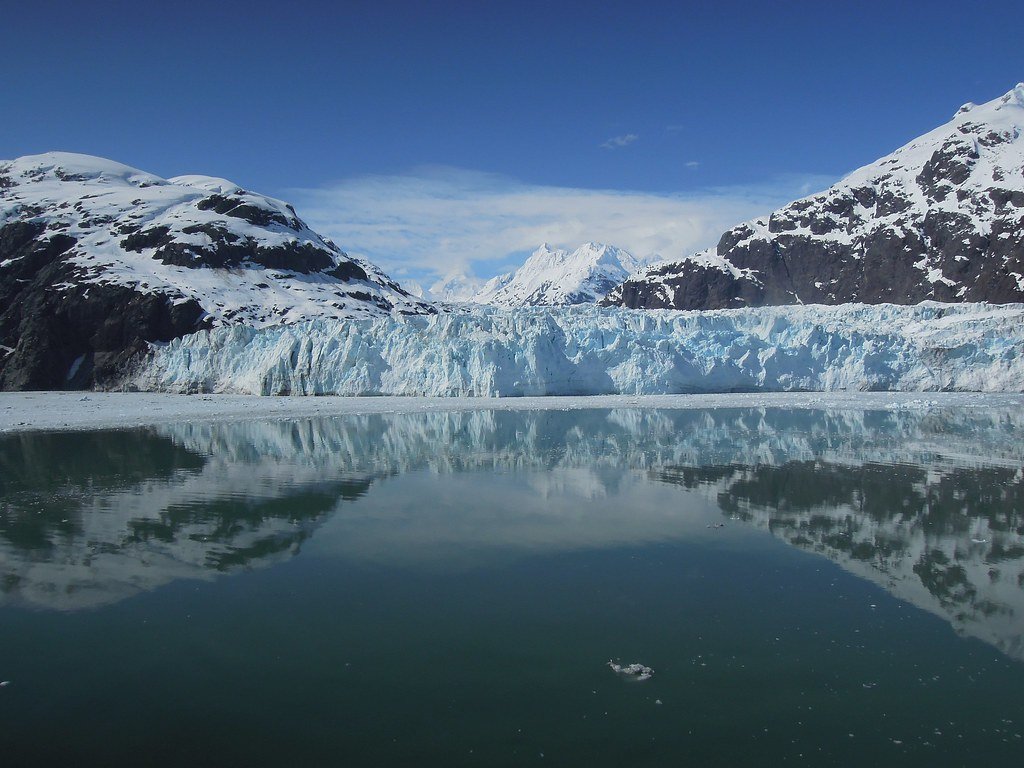
For paddlers with more time, the upper bay is where the park's character fully asserts itself: active tidewater glaciers, calving ice, and the kind of solitude that comes from being genuinely far from anything.
The daily tour boat out of Glacier Bay Lodge runs designated camper drop-off points upbay, letting kayakers skip the lower miles and start closer to the glaciers — a practical option worth booking well ahead, since kayak capacity on the boat is limited.
Multi-day trips of 5 to 10 days are the most common backcountry commitment.
From May 1 through September 30, all overnight users — kayakers included — must register, complete a mandatory orientation, and hold a free backcountry permit, issued at the Bartlett Cove Visitor Information Station.
Private boaters entering bay waters north of Point Gustavus and Point Carolus between June 1 and August 31 need a separate vessel permit and must contact the park by VHF on KWM20 Bartlett Cove before entering or exiting.
All food and scented items require an approved bear-resistant canister, which the park provides at no charge.
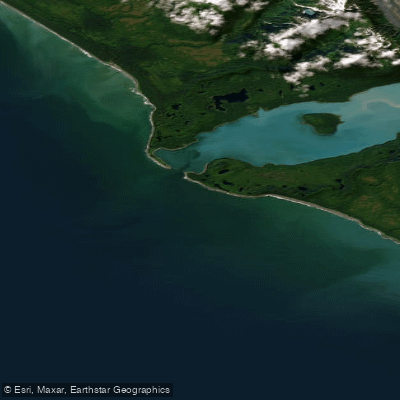
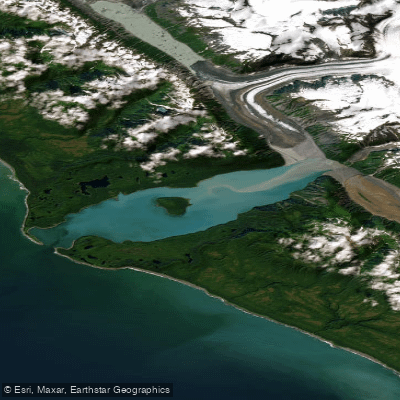
The Tatshenshini and Alsek Rivers represent a completely different kind of paddling — large-volume, swift glacial rivers that breach the coast range and finish at Dry Bay, Alaska.
The Tatshenshini put-in at Shawshe (Dalton Post) in Yukon Territory is 153 river miles from the take-out, passing through Canadian provincial parks before entering Glacier Bay National Park.
The canyon just below Shawshe runs continuous Class III, Class IV at high water; the remainder is generally Class II. Turnback Canyon on the upper Alsek requires a portage.
Private trip permits for the Alsek are limited and managed by waitlist through the park. Glacier Bay does not forgive underestimation.
The weather, the open crossings, the cold water, and the distance from help are the real variables here — and they're the reason the permit orientation exists.
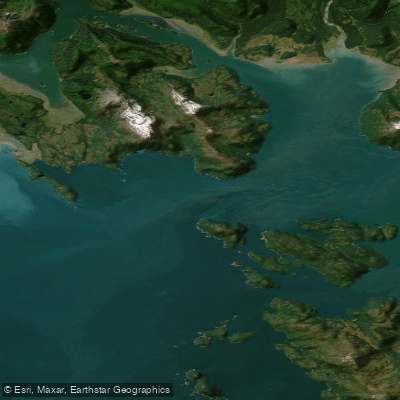
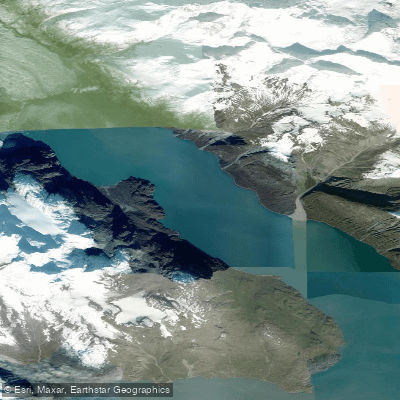
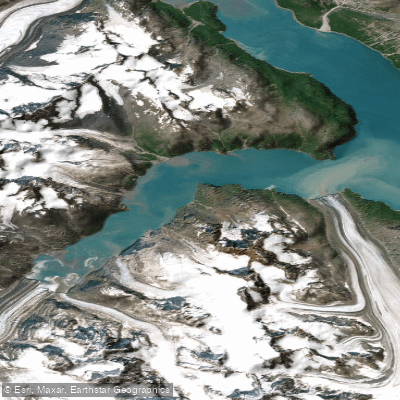
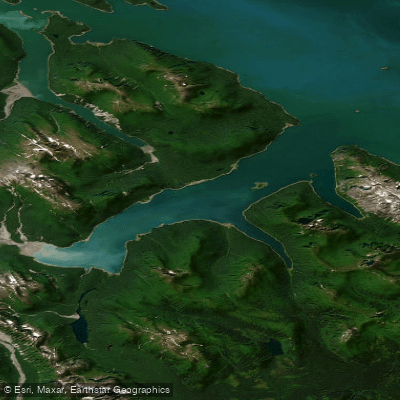
Top waters to paddle near Glacier Bay National Park
Water and weather conditions (10 day forecast)
See the best times to paddle Glacier Bay National Park and check the forecast before you go.
No forecast data available.
Park alerts & road status
Closures and conditions Glacier Bay National Park has posted, from the National Park Service.
Checking the park's alerts…
Hours & fees
When Glacier Bay National Park is open and what it costs to get in, from the National Park Service.
Hours
Open 24 hoursThere are no entrance gates at Glacier Bay National Park, so we are technically open 24-hours a day; however, services may be extremely limited depending on the time of your visit. The main visitor season is from late-May through early-September with the peak being the month of July. Check the VISITOR CENTERS tab below to see hours for specific facilities, and read the exceptions that detail seasonal changes in hours.
Entrance fees
No entrance fee is listed for this park.
Paddle smarter with real-time insights
Whether you're en route and conditions shift or you're looking for the best spot based on current flows, we enable you to make informed decisions on the fly.







Paddling near Glacier Bay National Park
Loading...
Gateway towns
Where to base yourself for paddling in Glacier Bay National Park.
- GustavusAK
The only gateway town to Glacier Bay, with the airfield, ferry dock, inns, and outfitters serving independent visitors to Bartlett Cove.
- JuneauAK
The main hub for flights and the state ferry to Gustavus, and the departure point for many cruise ships and charter boats entering the park.
- YakutatAK
Provides air taxi access to the Dry Bay unit of Glacier Bay National Preserve at the park's remote northwest boundary.
Glacier Bay National Park paddling rules
The park's own rules, on top of Alaska licenses and regulations. Limits, fees and closures change, so check the park's page before you go.
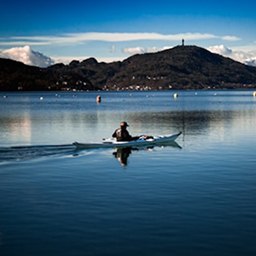
Boating Permit Required in Summer
All private vessels entering Glacier Bay waters north of Point Gustavus and Point Carolus must have a permit from June 1 through August 31. Apply through the park's online permit system before your trip.
Mandatory Boater Orientation
All private boaters must complete a required orientation annually before entering the bay. Orientations are held at the Visitor Information Station in Bartlett Cove.
Radio Contact Required
From May 1 through September 30, all vessels must contact the park via VHF radio at KWM20 Bartlett Cove or by phone before entering and exiting Glacier Bay waters.
Overnight Paddlers Need a Permit
From May 1 through September 30, all overnight backcountry users including kayakers must complete an annual orientation and obtain a free backcountry permit at the Visitor Information Station.
Bear Canister Mandatory
All backcountry users must store food and scented items in an approved bear-resistant canister. The park provides canisters at no charge.
Explore Glacier Bay National Park
Top paddling waters
Popular Cities
Loading popular cities...
Smarter Paddling Starts in the App.
Paddleways gives you everything you need to plan smarter, paddle better, and own every trip from first launch to takeout.