Paddling in Lake Clark National Park
- National Park
- Open 24 hours
- Lakes
- 7
- Rivers
- 38
- Access
- 0
- Boat Ramps
- 0
- Shops
- 0
Lake Clark sits on the western side of Cook Inlet, roadless and reachable only by small plane or boat.
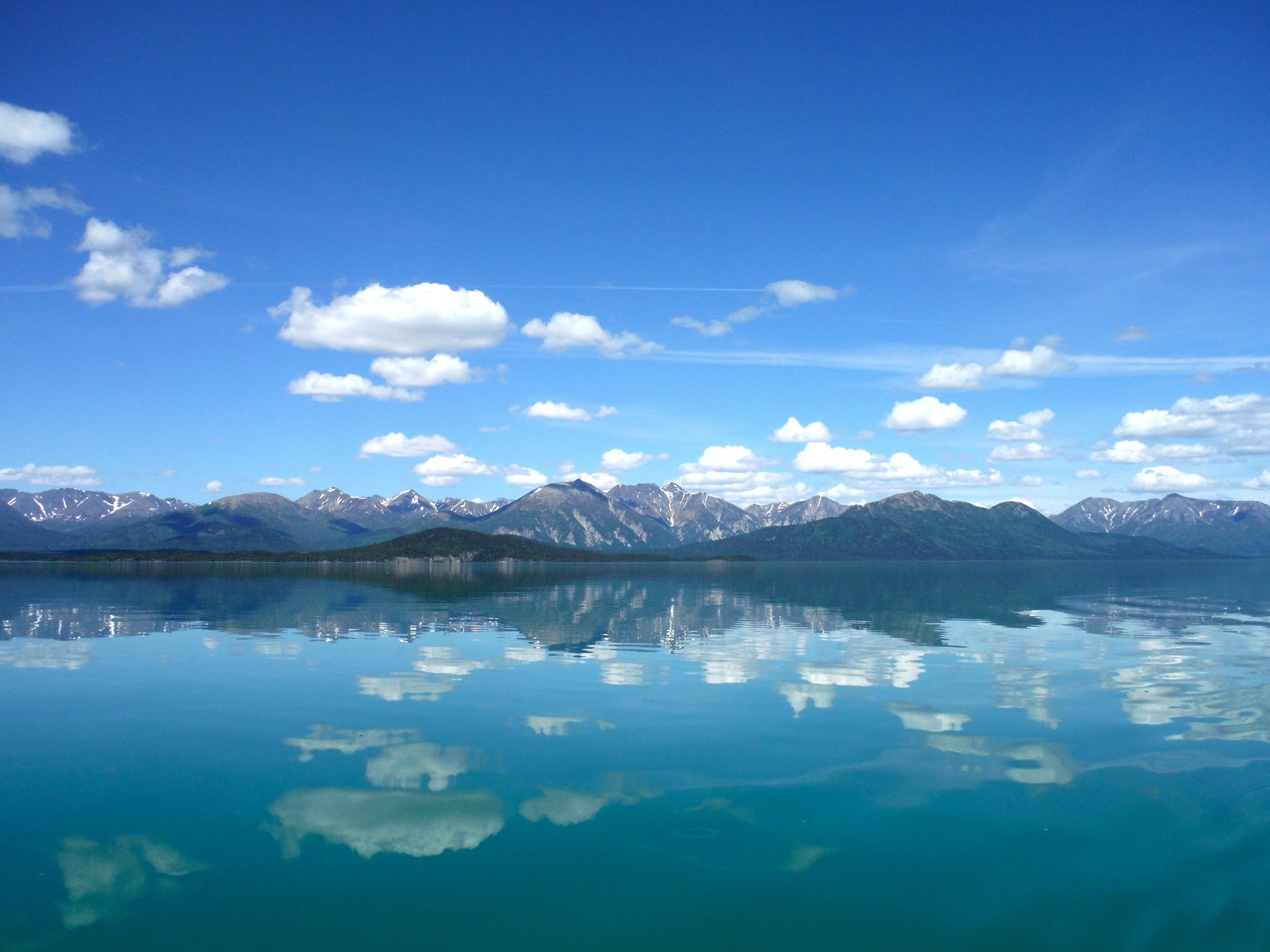
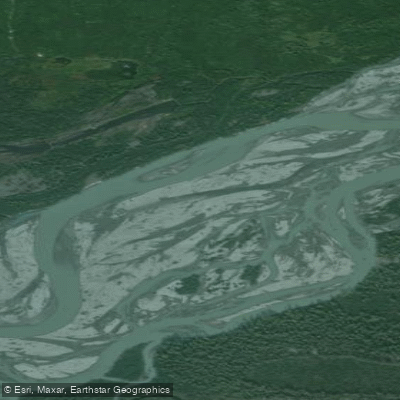
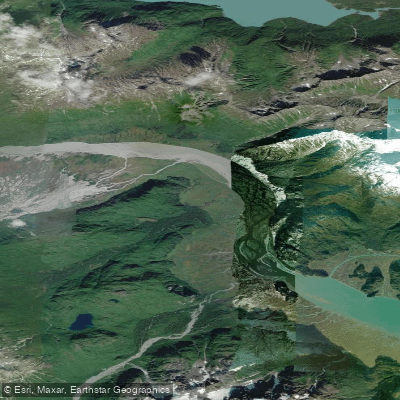
The water here is varied and serious: glacial rivers braiding through fault valleys, remote alpine lakes reflecting 8,000-foot peaks, and a 40-mile lake that can go from glassy to whitecapped in under two hours.
This is not a place to ease into paddling — the water is cold year-round, the weather moves fast, and the logistics of getting yourself and a boat into the park demand planning before you ever touch water.
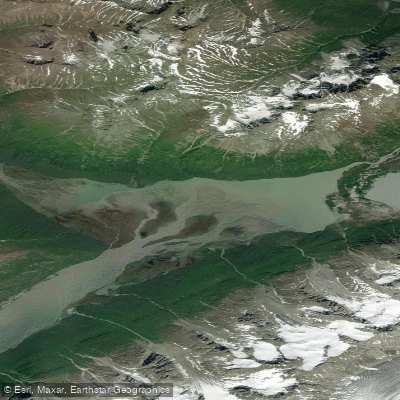
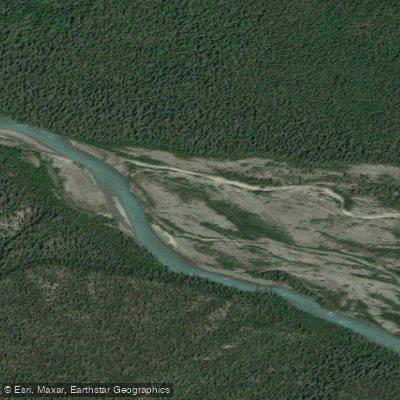
The park's three designated National Wild Rivers — the Tlikakila, the Mulchatna, and the Chilikadrotna — anchor most multi-day river trips.
The Tlikakila originates near Summit Lake in the Chigmit Mountains and runs roughly 50 miles southwest into Lake Clark; accessing it requires a two-mile portage from the floatplane landing on Summit Lake, and pickup at the lake end comes by plane or boat.
The rivers here are not continuous whitewater — they run swiftly with occasional whitewater segments, demanding solid oarsmanship throughout. The Tanalian River, just outside Port Alsworth, is a popular technical single-day run.
Other runnable rivers include the Chokotonk, Kijik, and Drift. Any river trip in the park calls for wilderness travel and survival skills beyond the paddling itself. Lake Clark is the flatwater hub.
Port Alsworth, on the lake's south shore, is the practical base: kayak rentals, water taxi service, and outfitters are available there.
Popular day paddles include Trefon Cove and routes along the lake's shoreline toward destinations like Kijik and White Sands Beach. The Priest Rock and Joe Thompson public use cabins on the lake can be reached by water taxi with kayaks transported aboard.
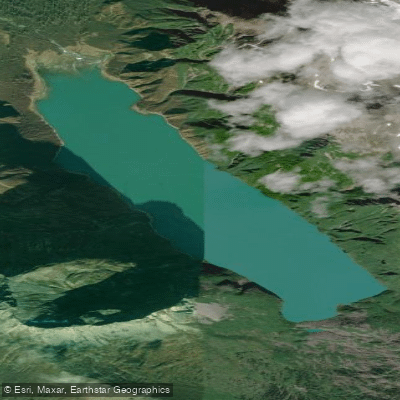
Twin Lakes and Turquoise Lake, deeper in the park and accessible only by floatplane, reward the logistical effort with glacial alpine water and near-total solitude — inflatable kayaks, which pack into their own bags at around 45 pounds, are the practical choice for those drops.
Getting a full-size hardshell into the park is genuinely difficult. Air taxis vary in what they'll accommodate, and it's worth asking directly before booking. Inflatables and folding kayaks are the standard workaround.
Local outfitters in Port Alsworth rent sea kayaks and inflatable kayaks sized for the park's conditions, which sidesteps the baggage problem entirely. Alaska's recreational boating fatality rate is the highest in the nation.
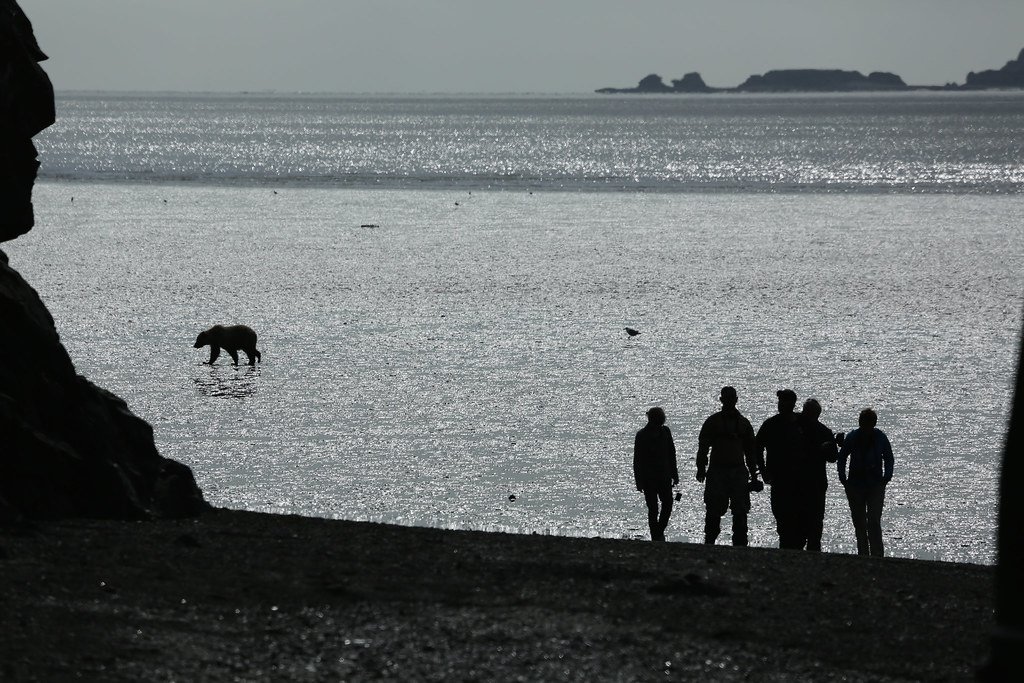
Wear a PFD on every trip, every time — the water is frigid even in summer, and a calm morning on Lake Clark does not predict the afternoon. Bear awareness is not optional in this park; it's part of trip planning the same way reading a river is.
The park requires Commercial Use Authorizations for guide and outfitter services operating inside its boundaries. Check with the park directly for current permit requirements before booking any guided trip or planning an overnight river run.
Top waters to paddle near Lake Clark National Park

Water and weather conditions (10 day forecast)
See the best times to paddle Lake Clark National Park and check the forecast before you go.
No forecast data available.
Park alerts & road status
Closures and conditions Lake Clark National Park has posted, from the National Park Service.
Checking the park's alerts…
Hours & fees
When Lake Clark National Park is open and what it costs to get in, from the National Park Service.
Hours
Open 24 hoursThe park and preserve are open 24 hours per day, seven days per week year round. However, visitor services are limited Labor Day through Memorial Day. Seasonal and temporary closures are listed by location on the Operating Hours & Seasons page.
Entrance fees
No entrance fee is listed for this park.
Paddle smarter with real-time insights
Whether you're en route and conditions shift or you're looking for the best spot based on current flows, we enable you to make informed decisions on the fly.







Paddling near Lake Clark National Park
Loading...
Gateway towns
Where to base yourself for paddling in Lake Clark National Park.
The main base inside the park, with the NPS visitor center, lodges, campgrounds, and air access via Lake Clark Air.
Primary departure hub for air taxis and charter flights into the park, with outfitters like Rust's Flying Service operating from here.
- HomerAK
Coastal departure point for day-trip bear-viewing flights into the park's Silver Salmon Creek and Chinitna Bay areas.
Lake Clark National Park paddling rules
The park's own rules, on top of Alaska licenses and regulations. Limits, fees and closures change, so check the park's page before you go.
Always Wear Your PFD
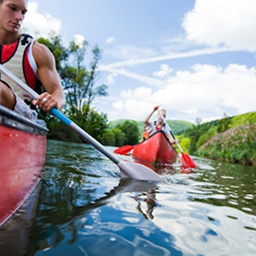
Alaska has the highest rate of recreational boating deaths in the nation. Always wear a Personal Flotation Device, even when the air temperature is warm. Cold water and unpredictable weather leave no room for shortcuts.
Weather Can Turn Fast
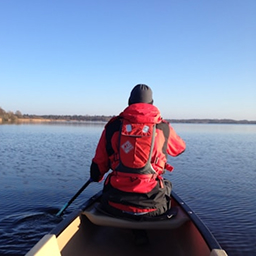
A calm lake can become rough with large waves and whitecaps in an hour or two. Keep a constant eye on conditions and never underestimate the frigid water.

Plan Your Gear for Small Planes
Most access is by small aircraft, and a full-size boat with people and gear won't fit. Inflatable or foldable kayaks and canoes are your best bet. Confirm with your air taxi before you pack.
Use Authorized Commercial Operators
Guides and outfitters operating inside the park must hold a Commercial Use Authorization. Check the park's authorized provider list before booking any boating trip, charter, or rental.
Explore Lake Clark National Park
Top paddling waters
Popular Cities
Loading popular cities...

Smarter Paddling Starts in the App.
Paddleways gives you everything you need to plan smarter, paddle better, and own every trip from first launch to takeout.