Paddling in Everglades National Park
- National Park
- Open 24 hours
- Lakes
- 32
- Rivers
- 59
- Access
- 0
- Boat Ramps
- 10
- Shops
- 0
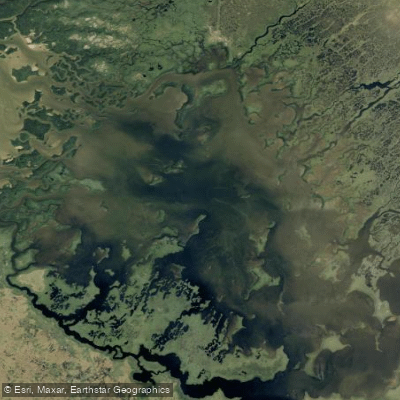
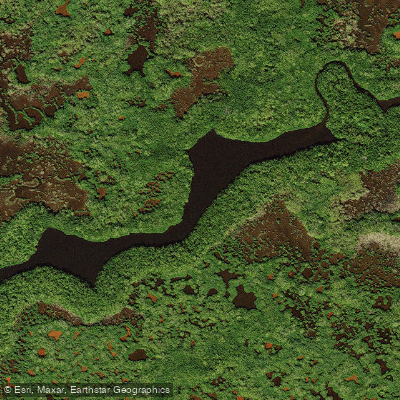
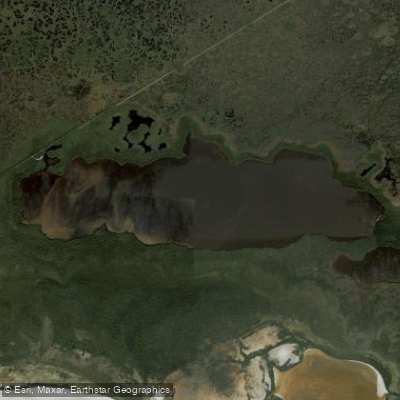
The Everglades is not a river park in any conventional sense. It is a slow-moving sheet of freshwater draining south across a flat limestone shelf into a tangle of mangrove coast, tidal estuary, and open bay — and almost all of it is navigable by paddle.
The park covers the southern tip of Florida, with two main paddling hubs separated by miles of backcountry: Flamingo on the south coast and Everglades City on the northwest edge near the Ten Thousand Islands.
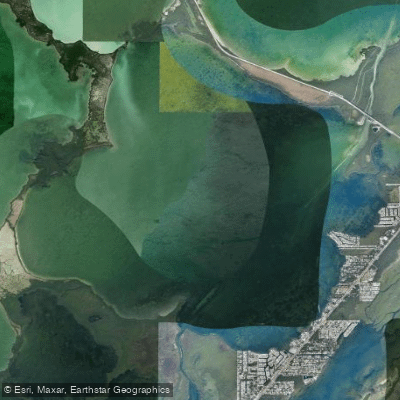
The Gulf Coast side, accessed from Everglades City and Chokoloskee, puts you into tidal estuaries and mangrove mazes at the edge of one of the largest mangrove forests in North America.
The Sandfly Island Loop runs about 5 miles through estuarine water with historical sites along the way — wind and tides can stretch or compress the day considerably. The Turner River Paddling Trail launches from US 41 and runs 8.
5 miles one way to Chokoloskee, threading narrow mangrove passages; water levels can make it impassable in either direction, so check conditions at the Nathaniel P. Reed Visitor Center before committing. Alligators are present throughout.
From Flamingo, the water opens into Florida Bay and the backcountry. Rentals from Flamingo Adventures give access to two main corridors: out into Florida Bay, or north up the Buttonwood Canal into Coot Bay.
Whitewater Bay — the name is a local one, not a whitewater designation — is a broad interior bay reachable from Flamingo and suited to multi-day loops.
Nine Mile Pond, about 25 miles from the Homestead entrance on the Main Park Road, is a freshwater marsh route through sawgrass and mangrove where water levels shift with the season and alter the paddle route accordingly.
The backcountry is the reason serious paddlers come here. Overnight trips require a Wilderness Permit, booked through Recreation. gov, which covers camping at chickee platforms, ground sites, and beach sites within the Marjory Stoneman Douglas Wilderness Area.
Permits are not picked up in person — carry a physical copy or screenshot of your confirmed itinerary.
Anyone operating a vessel inside the park also needs an Everglades Boater Education Certificate, a free course, and a valid park pass; rangers and FWC officers check both.
The dry season — roughly November through April — brings lower water, cooler temperatures, and far fewer insects. Summer paddling is possible but demands preparation for heat, afternoon thunderstorms, and mosquitoes that can end a trip early.
Tides govern the Gulf Coast routes; plan around them. The Ten Thousand Islands are a genuine navigation challenge — NOAA charts are not optional here, and shallow water appears without warning. This is flatwater, but it is not forgiving flatwater.
Water and weather conditions (10 day forecast)
See the best times to paddle Everglades National Park and check the forecast before you go.
No forecast data available.
Park alerts & road status
Closures and conditions Everglades National Park has posted, from the National Park Service.
Checking the park's alerts…
Hours & fees
When Everglades National Park is open and what it costs to get in, from the National Park Service.
Hours
Open 24 hoursEverglades National Park is open 7 days a week, 24 hours a day. Park entrance is always open but staffed from 8:00 a.m. to 4:30 p.m.
Entrance fees
- Entrance - Private Vehicle$35
- Admits the passholder and passengers of a single vehicle or vessel. Good for 7 consecutive days at all park entrances.
- Entrance - Motorcycle$30
- Valid for 7 days. Admits up to 2 private, non-commercial motorcycles with up to 4 total passengers.
- Entrance - Per Person$20
- Good for 7 consecutive days at all park entrances. Admits one individual hiker, bicyclist, pedestrian, or human-powered paddlecraft, when not arriving in a vehicle or vessel. Individuals 15 years old and younger, are admitted free of charge.
- Entrance - Education/Academic GroupsFree
- All accredited educational and scientific institutions are eligible to receive free entrance to the park. Bringing your classroom to the park can present many unique learning opportunities and novel ways for your students to advance their studies. The Federal Lands Recreation Enhancement Act (FLREA), Public Law 108-447, provides the National Park Service statutory authority to allow “outings conducted for non-commercial educational purposes by schools or bona fide academic institutions.”
- Commercial Entrance - Motor Coach$300
- A commercial tour is defined as persons traveling on an itinerary that has been packaged, priced or sold for leisure recreational purposes by an organization that realizes financial gain through the provisions of the service. Entrance fees are charges based on the seating capacity of the vehicle. Commercial entry good for 7 days as long as its the same passenger group.
Parking & getting around
Where to leave the car in Everglades National Park. Lots fill early on busy days, so plan where you will park before you head for the water.
Shark Valley Parking Lot
Getting around
Directions to Ernest Coe Visitor Center 40001 State Road 9336, Homestead, FL 33034 Visitors coming from the Miami area and points north should take the Florida Turnpike (Route 821) south until it ends merging with U.S. 1 at Florida City. Turn right at the first traffic light onto Palm Drive (State Road 9336/SW 344th St.) and follow the signs to the park. Visitors driving north from the Florida Keys should turn left on Palm Drive in Florida City and follow the signs to the park.
Directions on nps.govPaddle smarter with real-time insights
Whether you're en route and conditions shift or you're looking for the best spot based on current flows, we enable you to make informed decisions on the fly.







Paddling near Everglades National Park
Loading...
Gateway towns
Where to base yourself for paddling in Everglades National Park.
Closest town to the main Ernest F. Coe entrance, with hotels, outfitters, and supplies for the park's most-visited side.
Sits just outside the main park entrance with a solid spread of lodging and services for visitors heading to Ernest F. Coe.
Gateway to the Gulf Coast entrance, with airboat tours, fishing guides, and lodging for the Ten Thousand Islands area.
Everglades National Park paddling rules
The park's own rules, on top of Florida licenses and regulations. Limits, fees and closures change, so check the park's page before you go.
Boater Education Certificate Required
Every powerboat operator on park marine waters must complete the free Everglades National Park Boater Education Program and carry the certificate while on the water. Complete the course and print your certificate before you launch.
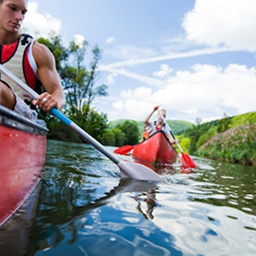
Overnight Wilderness Permit Required
Any overnight stay in the backcountry wilderness requires a permit, booked through recreation.gov. Carry a physical copy or screenshot of your confirmed itinerary on the water.
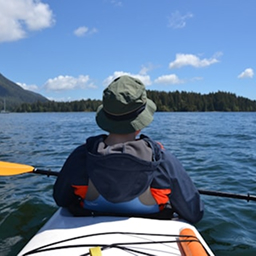
Park Entrance Pass for Boaters
A park entrance pass is required to enter park waters, not just the road entrances. Pick one up at a park entrance station or buy it online through recreation.gov before you head out.
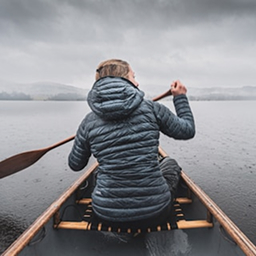
Prohibited Craft on Park Waters
Personal watercraft, water skis and tow equipment, submersibles, and unmanned aircraft are all banned in the park. Stick to canoes, kayaks, and conventional motorized vessels in permitted zones.
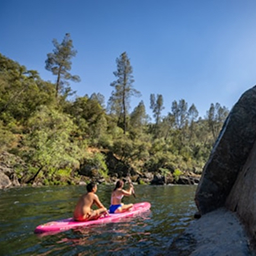
Motor Limit at West Lake
The West Lake boat ramp is restricted to motors no greater than 6 horsepower. Plan your vessel accordingly if you intend to launch from that location.
No Collecting Plants or Animals
Taking any plant or animal from park waters is prohibited. This covers orchids, air plants, coral, sponges, lobster, tropical fish, marine snails, and driftwood.
Explore Everglades National Park
Top paddling waters
Popular Cities
Loading popular cities...
Smarter Paddling Starts in the App.
Paddleways gives you everything you need to plan smarter, paddle better, and own every trip from first launch to takeout.