Paddling in Olympic National Park
- National Park
- Open 24 hours
- Lakes
- 82
- Rivers
- 276
- Access
- 17
- Boat Ramps
- 10
- Shops
- 0
Olympic National Park holds three distinct paddling environments within a single protected landscape: cold glacial lakes in the interior, a major river system cutting through the mountains, and saltwater access along the northern edge.
The park occupies the core of the Olympic Peninsula in northwestern Washington, and the water here is serious — temperatures stay below 50°F year-round, and conditions change fast. Wetsuits or drysuits are not optional suggestions.
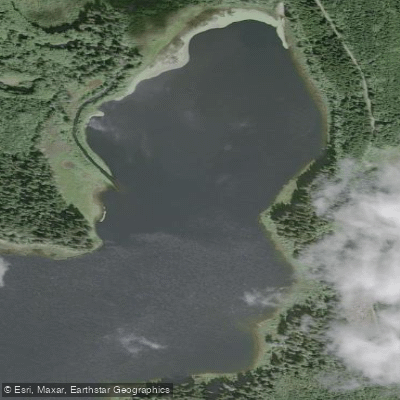
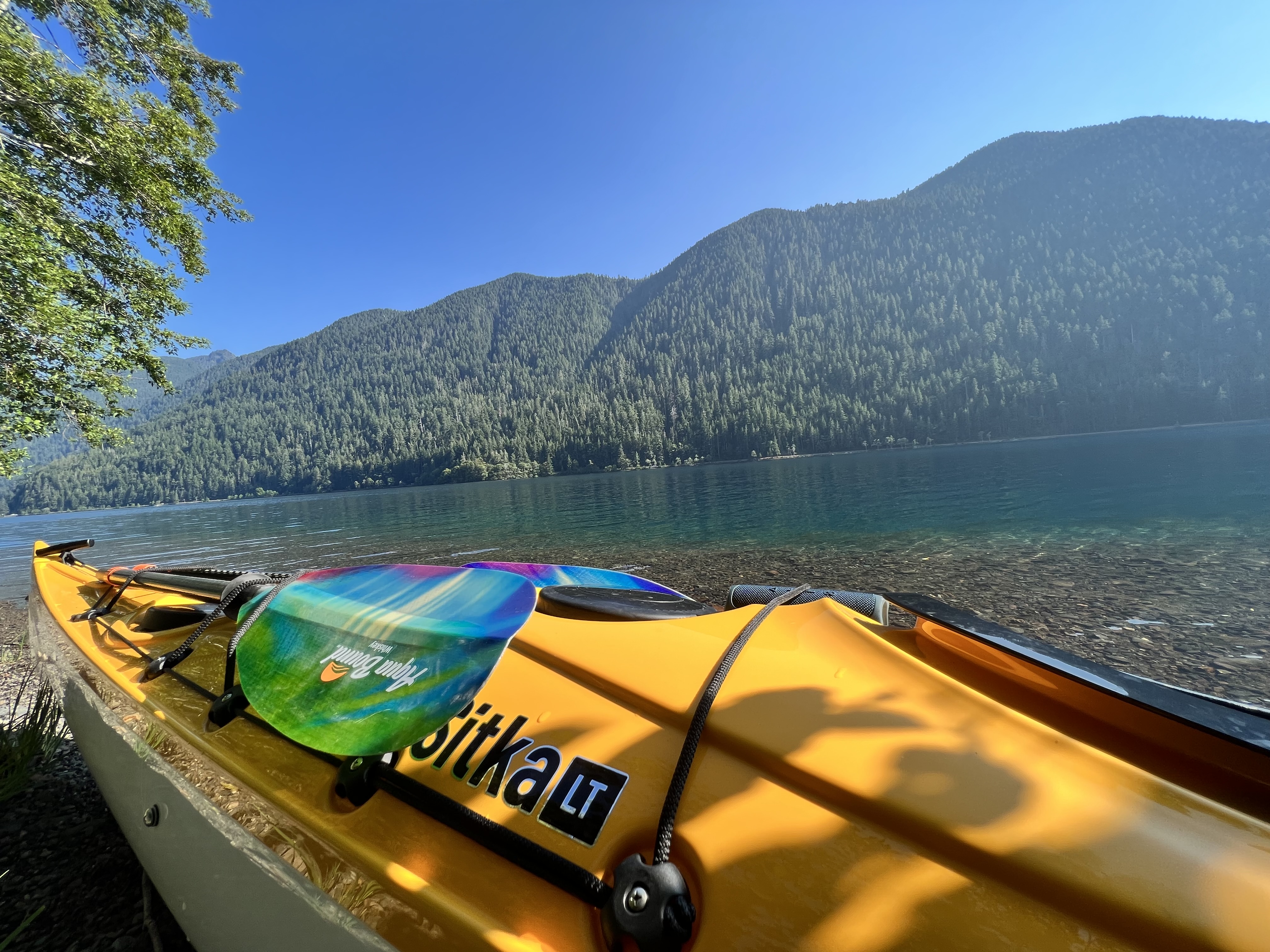
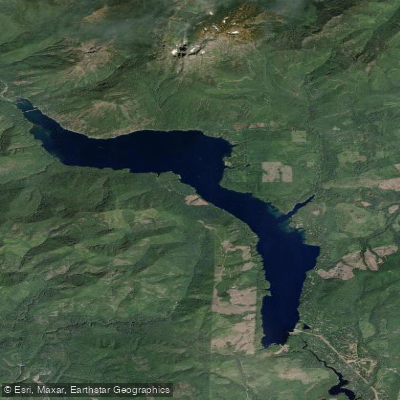
Lake Crescent, on the park's north side roughly 18 miles west of Port Angeles, is the flatwater anchor. The lake runs about 8. 5 miles long, glacially clear, and best paddled May through early October when winds are manageable.
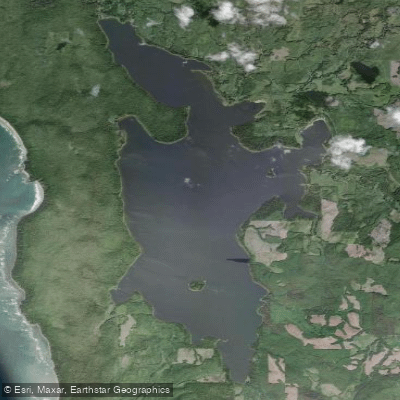
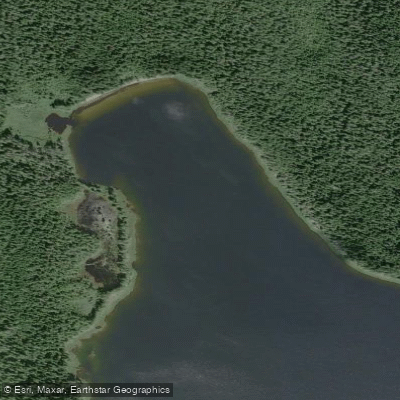
Rentals are available at Lake Crescent Lodge. Lake Ozette, near the Pacific coast, is the third-largest lake in Washington at about 8 miles long. It's quieter than Crescent but earns its reputation — waves build quickly and the water is cold.
Boat-in wilderness campsites sit along its shores, which makes it the natural destination for an overnight paddle. Lake Quinault, on the park's southwest side, offers rentals through Lake Quinault Lodge and a forested setting under the peaks.
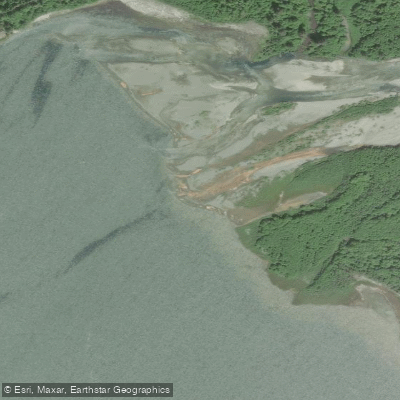
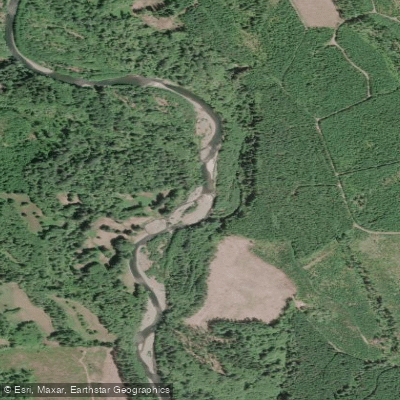
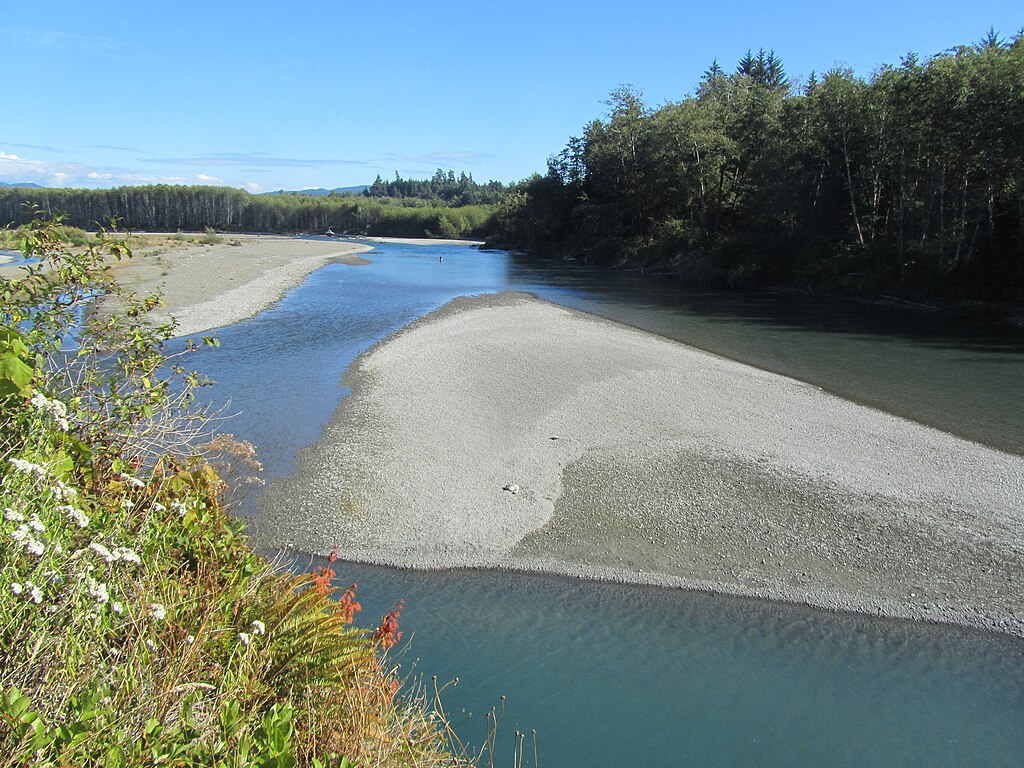
The Elwha River is the park's whitewater run, rated Class II–IV depending on section. The most common put-ins are in the lower portions of Glines Canyon (Class III–IV) and at Altair Campground (Class II–III).
The river runs most of the year, with spring and early summer carrying the best flows.
A permanent closure exists from the Smokey Hill Trail downstream to the former Altair Campground due to ongoing river restoration work — check current conditions before you plan a route. The park adds its own layer to trip planning.
Any overnight paddle into the backcountry requires a wilderness use permit, obtained through Recreation. gov, by phone, or at a Wilderness Information Center — self-registration at trailheads is not available.
Only non-motorized boats are allowed in wilderness areas, and boats must be carried on trails rather than floated to put-ins. Commercial guided flatwater operations on Lake Ozette and Lake Crescent require a Commercial Use Authorization from the park.
The Olympic Peninsula's rivers run cold and fast, the lakes are deep and exposed to wind, and the park's permit system exists for real reasons. Plan the logistics before you load the boat.
Water and weather conditions (10 day forecast)
See the best times to paddle Olympic National Park and check the forecast before you go.
No forecast data available.
Park alerts & road status
Closures and conditions Olympic National Park has posted, from the National Park Service.
Checking the park's alerts…
Hours & fees
When Olympic National Park is open and what it costs to get in, from the National Park Service.
Hours
Open 24 hoursOlympic National Park is open 24 hours a day year-round, although some roads, campgrounds and facilities are open seasonally.
Entrance fees
- Entrance - Private Vehicle$30
- Valid for seven consecutive days. Applies to private, non-commercial vehicles (15 passenger capacity or less). The pass covers all vehicle occupants.
- Entrance - Motorcycle$25
- Valid for 7 days. Admits up to 2 private, non-commercial motorcycles with up to 4 total passengers.
- Entrance - Per Person$15
- Valid for seven consecutive days. This fee admits one person without a vehicle, including hikers, bicyclists, and pedestrians. Individuals fifteen years or younger are admitted free of charge.
- Commercial Entrance - Van$75
- A commercial tour is defined as persons traveling on an itinerary that has been packaged, priced or sold for leisure recreational purposes by an organization that realizes financial gain through the provisions of the service.
- Commercial Entrance - Mini-bus$100
- A commercial tour is defined as persons traveling on an itinerary that has been packaged, priced or sold for leisure recreational purposes by an organization that realizes financial gain through the provisions of the service.
Parking & getting around
Where to leave the car in Olympic National Park. Lots fill early on busy days, so plan where you will park before you head for the water.
Olympic National Park Visitor Center
This is the parking lot for the main park visitor center, located in Port Angeles, WA. Visitors stop here for general park information/orientation, exhibits, park film, children's Discovery Room, sales area, back-country planning and permits at the Wilderness Information Center, nature trails, and restrooms. Special parking lane for RVs.
Getting around
You can reach Olympic National Park via the I-5 corridor or by any one of the quieter state roadways. Once you arrive on the Olympic Peninsula connect to Hwy 101 to reach any destinations in and around Olympic National Park. From Olympia: take I-5 to Hwy 101 From Tacoma: take State Route 16 to Bremerton; take State Route 3 north from Bremerton to State Route 104. From Washington/Oregon Coast connect to Hwy 101 in Aberdeen.
Directions on nps.govPaddle smarter with real-time insights
Whether you're en route and conditions shift or you're looking for the best spot based on current flows, we enable you to make informed decisions on the fly.







Paddling near Olympic National Park
Loading...
Gateway towns
Where to base yourself for paddling in Olympic National Park.
Main north-entrance hub with the park visitor center, closest access to Hurricane Ridge, and guided hiking outfitters based here.
- ForksWA
Best base for the Hoh Rain Forest and the park's wild Pacific coast beaches on the west side.
- SequimWA
Quieter alternative base on the north side with hotels and services for visitors exploring the same northern entrances as Port Angeles.
- AberdeenWA
Southern gateway town on Hwy 101 where visitors entering the park from the south begin the loop around the Olympic Peninsula.
Olympic National Park paddling rules
The park's own rules, on top of Washington licenses and regulations. Limits, fees and closures change, so check the park's page before you go.
Wilderness Permit for Paddling Campers
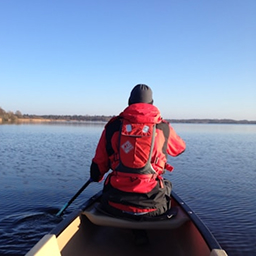
If you're paddling in the backcountry and plan to camp overnight, you must have a wilderness use permit before you go. Get yours through Recreation.gov, by phone, or at a Wilderness Information Center.
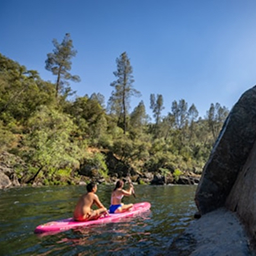
No Motors in Wilderness Areas
Only non-motorized boats are allowed in wilderness areas of the park. Boats must be carried on trails by foot or stock in stock-use areas.

PFDs Required on the Water
A personal flotation device is required by law for every person on board. Always wear your life jacket, especially on Lake Ozette where cold water and sudden high winds make conditions dangerous.
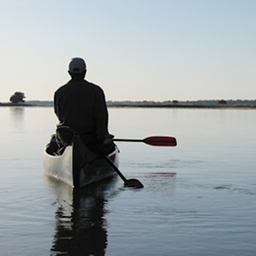
Washington Boating Education Card
Washington state requires motorized boat operators to complete a boating education course and carry a boating education card. Make sure you have yours before launching.
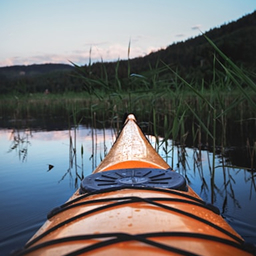
Elwha River Closure Zone
Part of the Elwha River is permanently closed to boating due to river restoration and erosion. Check current conditions before planning your route on this river.
Explore Olympic National Park
Top paddling waters
Popular Cities
Loading popular cities...
Smarter Paddling Starts in the App.
Paddleways gives you everything you need to plan smarter, paddle better, and own every trip from first launch to takeout.