Paddling in Ross Lake National Recreation Area
- National Recreation Area
- Lakes
- 10
- Rivers
- 43
- Access
- 0
- Boat Ramps
- 6
- Shops
- 0
Ross Lake National Recreation Area occupies a long, narrow corridor through the North Cascades, threading between the north and south units of North Cascades National Park.
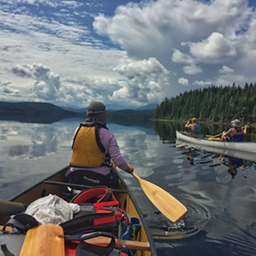
The paddling here is almost entirely flatwater — a 23-mile reservoir flanked by steep, glacier-carved peaks — with a stretch of moving water on the Skagit River below the dam. These are two very different experiences, and the park holds both.
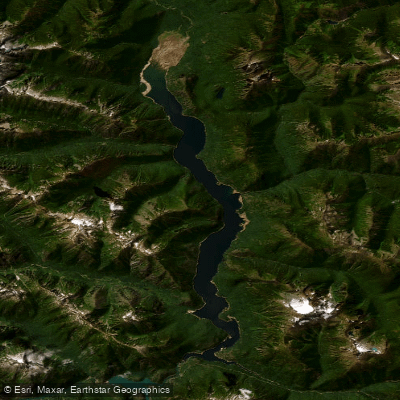
Ross Lake itself was formed by Ross Dam on the Skagit River and runs north from the dam to the Canadian border, where it meets British Columbia's Skagit Valley Provincial Park.
It is deep, cold, and mountain-flanked — genuine backcountry water that is accessible almost entirely by boat. Nineteen boat-in campsites are scattered along both shores, each with a fire ring, picnic table, vault toilet, and bear-resistant food storage.
A backcountry permit is required for any overnight stay at these sites. The lake sits at full pool from roughly July through September; outside that window, water levels drop significantly and docks and ramps may not be usable.
Two boat ramps at Hozomeen, accessed via a gravel road from Hope, British Columbia, are the northern entry point and are normally usable from mid-June through September. Getting onto the lake from the south requires some logistics.
Ross Lake Resort sits below the highway and is reached by a water taxi from a dock below the dam, or by a roughly one-mile portage from Diablo Lake — about 800 vertical feet of uphill gravel road.
The resort rents canoes, kayaks, and paddleboards, and operates a water taxi for those who need shuttling to trailheads or camps along the lake. All motorboats operating within the NRA are required to use four-stroke or direct-injection two-stroke engines.
Wind is the dominant hazard on the lake. Afternoon winds can build quickly in the valley, and the water is cold enough that a capsize carries real hypothermia risk. Paddling early in the day is standard practice here.
The southern end of the lake sees some motorboat traffic; farther north, the valley narrows and the lake quiets considerably. Cat Island is one named camp that paddlers have used as a destination or waypoint.
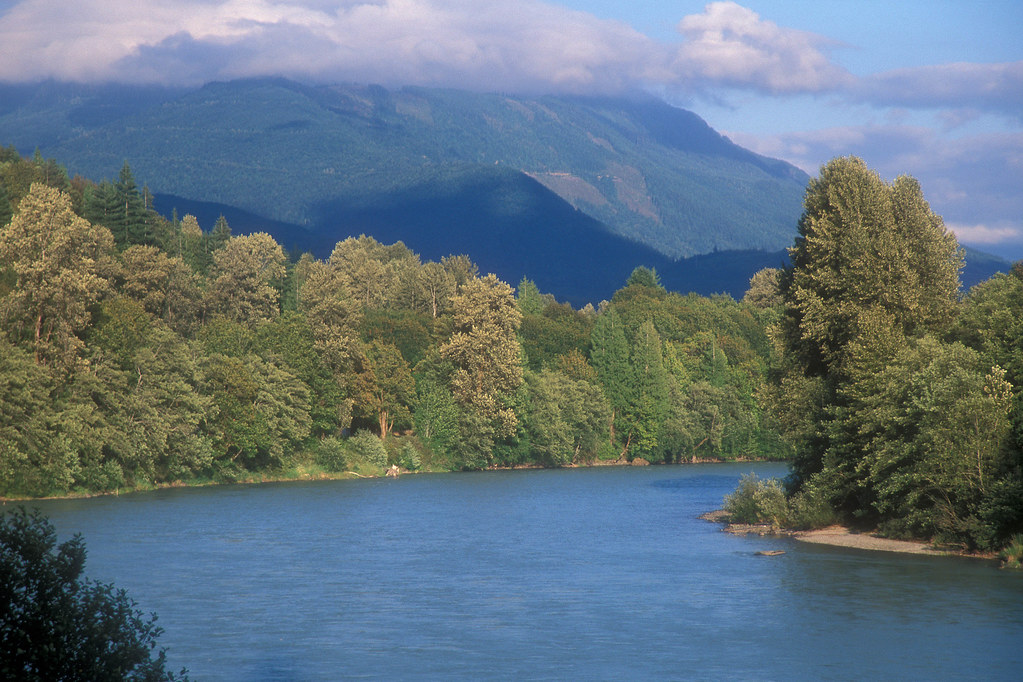
The Upper Skagit River, running through the NRA near Newhalem, is a different kind of water — Class 2–3 moving water over a 10-mile stretch, with a season that runs from late June through Labor Day.
The Skagit is a whitewater run, not a touring route, and it carries its own hazards including wood and a wave that has flipped rafts at flows between 2,600 and 3,200 cfs. Ross Lake rewards the paddler who does the planning.
The access is unusual, the permit system is real, and the water demands respect — but the 19 shoreline camps, the solitude north of the resort, and the scale of the peaks above the eastern shore make it one of the more serious paddle-camping destinations in the Pacific Northwest.
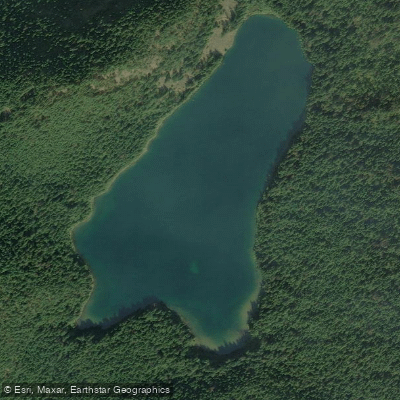
Top waters to paddle near Ross Lake National Recreation Area

Water and weather conditions (10 day forecast)
See the best times to paddle Ross Lake National Recreation Area and check the forecast before you go.
No forecast data available.
Paddle smarter with real-time insights
Whether you're en route and conditions shift or you're looking for the best spot based on current flows, we enable you to make informed decisions on the fly.



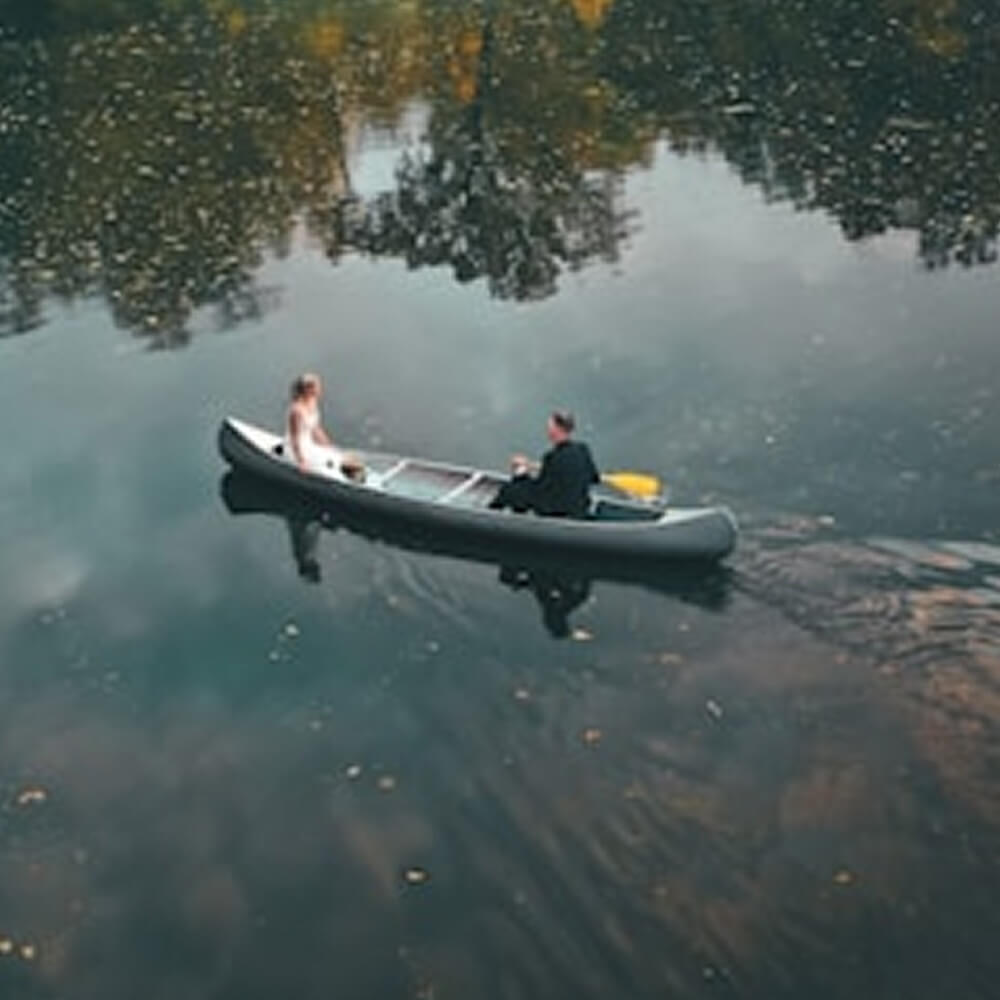
Paddling near Ross Lake National Recreation Area
Loading...
Gateway towns
Where to base yourself for paddling in Ross Lake National Recreation Area.
- NewhalemWA
The NPS gateway community on SR-20 inside the park complex, with the visitor center and main highway access to Gorge, Diablo, and Ross Lakes.
- RockportWA
Small Skagit Valley town along SR-20 serving as a base for visitors heading into the recreation area.
- Manning ParkBC
Canadian base at the north end of the park accessible via Highway 3, with resort lodging for visitors entering from the north.
Ross Lake National Recreation Area paddling rules
The park's own rules, on top of Washington licenses and regulations. Limits, fees and closures change, so check the park's page before you go.
Clean Engine Technology Required
All motorboats on Ross Lake must use four-stroke engines, direct-injection two-stroke engines, or equivalent technology. All engines must meet EPA clean engine requirements.
No Personal Watercraft
Jet skis and other personal watercraft are prohibited throughout the entire North Cascades National Park Service Complex, including Ross Lake.
No Tow Sports
Waterskiing, tubing, and any other water sport that involves towing behind a boat are prohibited on Ross Lake and throughout the park complex.

Overnight Camping Requires a Permit
A backcountry permit is required for all overnight stays at Ross Lake's boat-in campsites. Get your permit from the Wilderness Information Center before heading out.
No South-End Boat Launch
There is no boat launch on the south end of Ross Lake. Boats coming from Diablo Lake must be portaged 1.2 miles over a gravel road with significant elevation change.
Explore Ross Lake National Recreation Area
Top paddling waters
Popular Cities
Loading popular cities...

Smarter Paddling Starts in the App.
Paddleways gives you everything you need to plan smarter, paddle better, and own every trip from first launch to takeout.