Pole Pass
- Saltwater
- Pass
- Coast
- Saltwater
- Pass
- Coast
- Boat Ramps
- 0
- Access Points
- 0
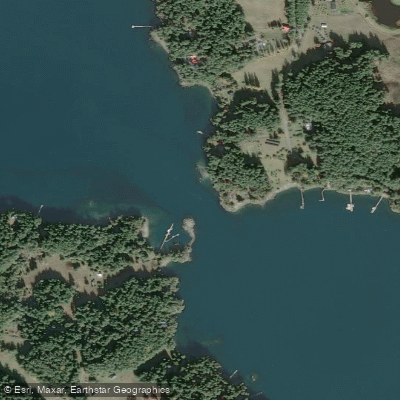
Pole Pass is a narrow tidal channel located in the San Juan Islands of Washington State, USA, connecting West Sound and Deer Harbor on Orcas Island with the waters around the Wasp Islands. The pass is approximately 75 yards wide, creating a tight bottleneck. It is a popular shortcut for boat traffic, which can become heavy in the summer, requiring paddlers to proceed single file and be vigilant for wakes from larger vessels. The primary paddling hazard is the strong tidal current, which can reach speeds up to two knots during spring tides, creating occasional standing waves. Paddlers must plan their transit carefully, often aiming for slack tide or a favorable current. The pass is frequently used as part of multi-day touring routes, such as trips between Jones Island and Obstruction Pass, or as a leg on day trips originating from Deer Harbor or West Sound to destinations like Yellow Island.
Key access points for paddlers include the Deer Harbor Waterfront Preserve on Orcas Island, which offers limited free parking but no restrooms, and launch areas near the Orcas Island Yacht Club in West Sound. These are common starting points for trips that transit Pole Pass. The surrounding area features several notable destinations accessible via the pass, including Jones Island State Park, Yellow Island Preserve (owned by The Nature Conservancy), and the Wasp Islands. Yellow Island is known for its unique bio-region and short hikes, though no food is allowed on the island. Wildlife sightings can include seals and various sea birds.
The overall character of paddling here is defined by careful navigation in a busy marine corridor with significant tidal influence. The aesthetic is that of a classic San Juan Islands seascape, with forested islands and rocky shores. Paddlers must be prepared for potential wind waves in the adjacent channels and always be aware of Washington State Ferries operating in nearby Wasp Passage, which is sometimes used as an alternative route when currents in Pole Pass are too strong. The best seasons for paddling are typically outside the peak summer tourist season to avoid the highest boat traffic, though conditions are favorable in the fall. Water temperatures in the region are cool year-round, with averages around 55°F in the fall, necessitating appropriate immersion protection such as a drysuit.
Hazards
Hazards on Pole Pass
No hazards are marked on Pole Pass yet. That is not the same as none being there: if you find one, report it for the next paddler.
From the community
Pole Pass trip reports
Nobody has shared a trip on Pole Pass yet. Paddle it, then tell the next paddler how it went.
Tides, wind & water conditions (10 day forecast)
On open water, wind and tide matter as much as the weather. See the best times to paddle Pole Pass and check the marine forecast before you launch.
Loading tide predictions…
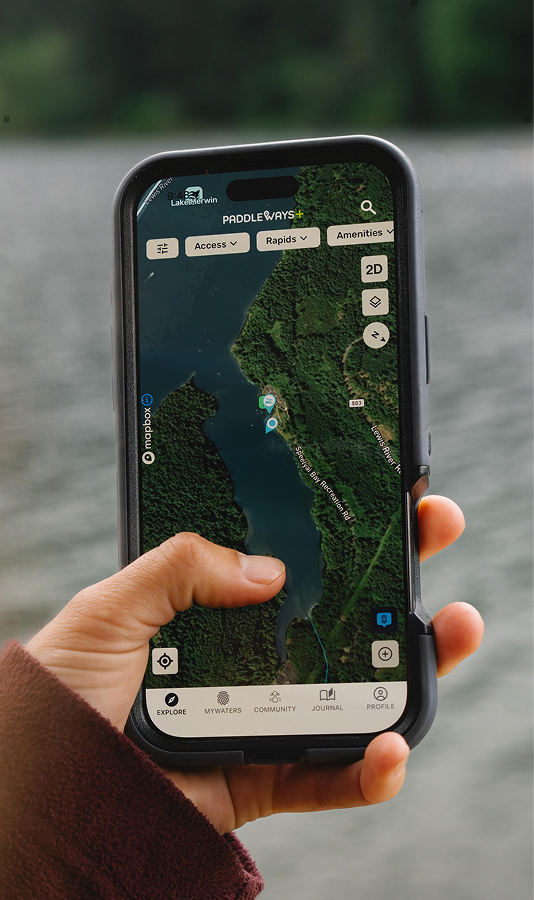
Paddle smarter with real-time insights
Live flows, marked hazards and fresh trip reports from paddlers who were just on the water, all in one place.

Find Places to Paddle
Over 400,000 Places to Paddle
Every user gets free access to launch points, boat ramps, and public property parcels.
Paddling near Pole Pass
Nooksack River
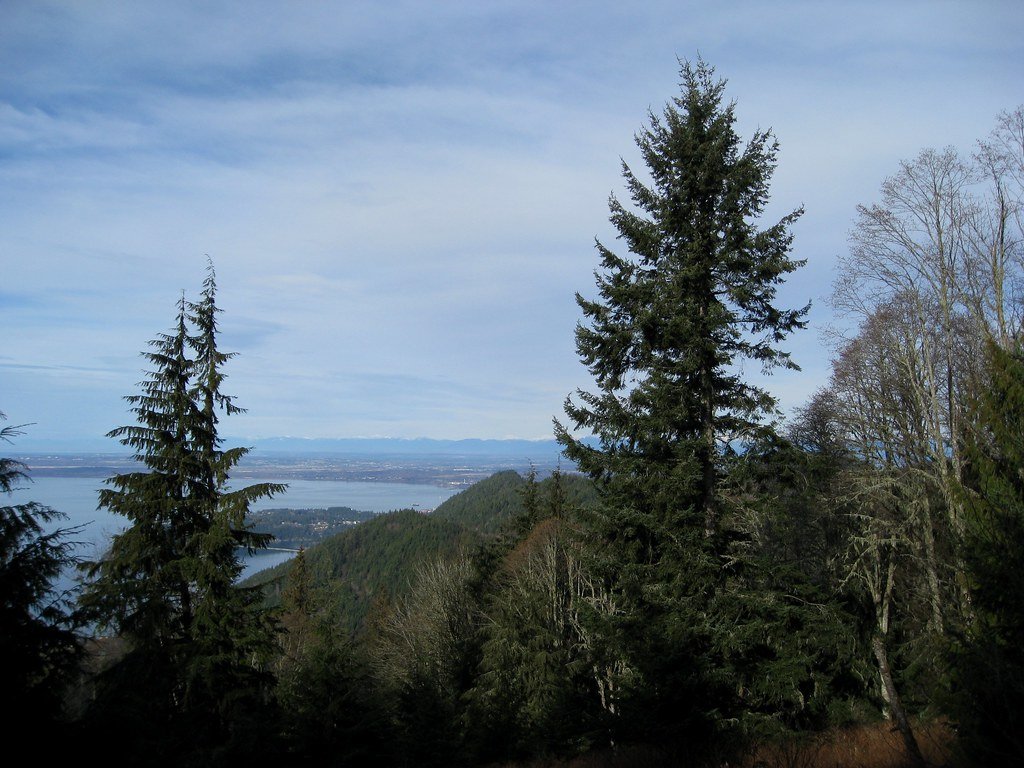
Bellingham Bay
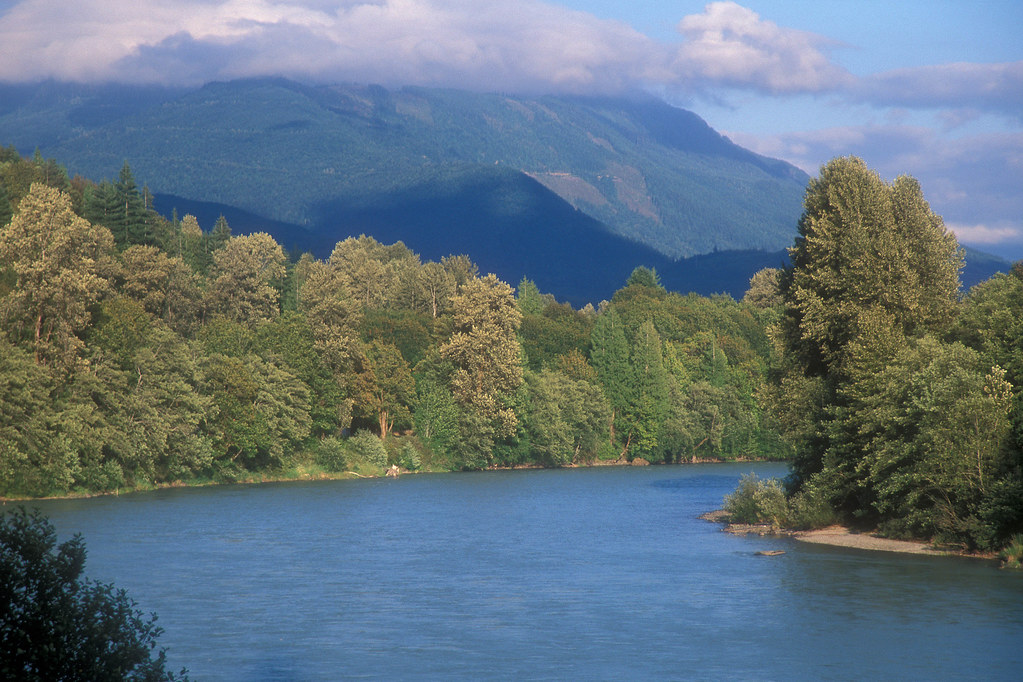
Skagit River
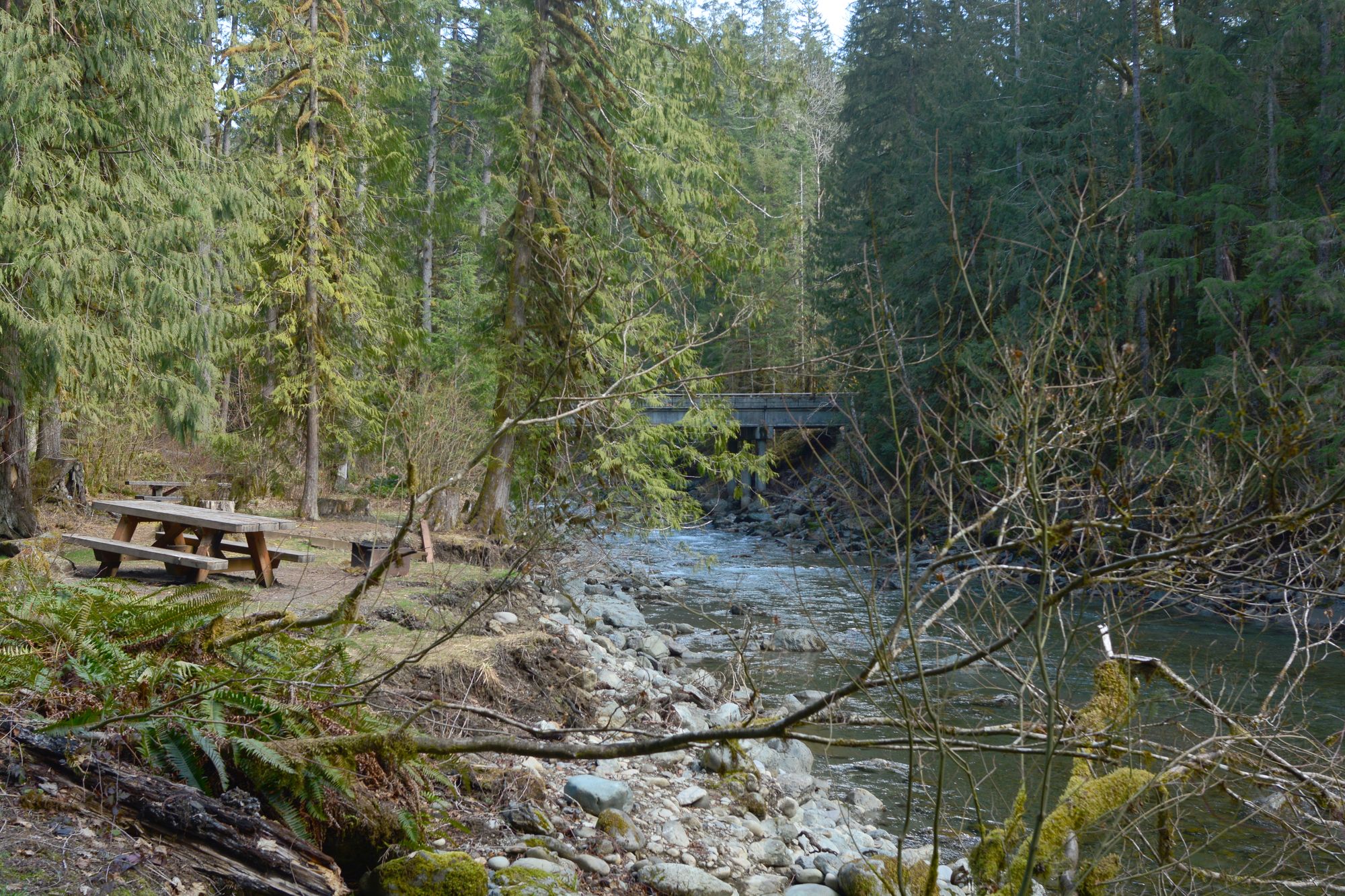
North Fork Nooksack River
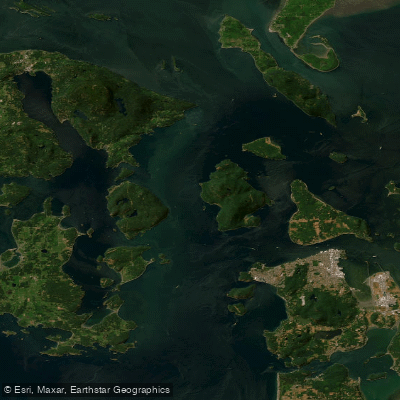
Rosario Strait
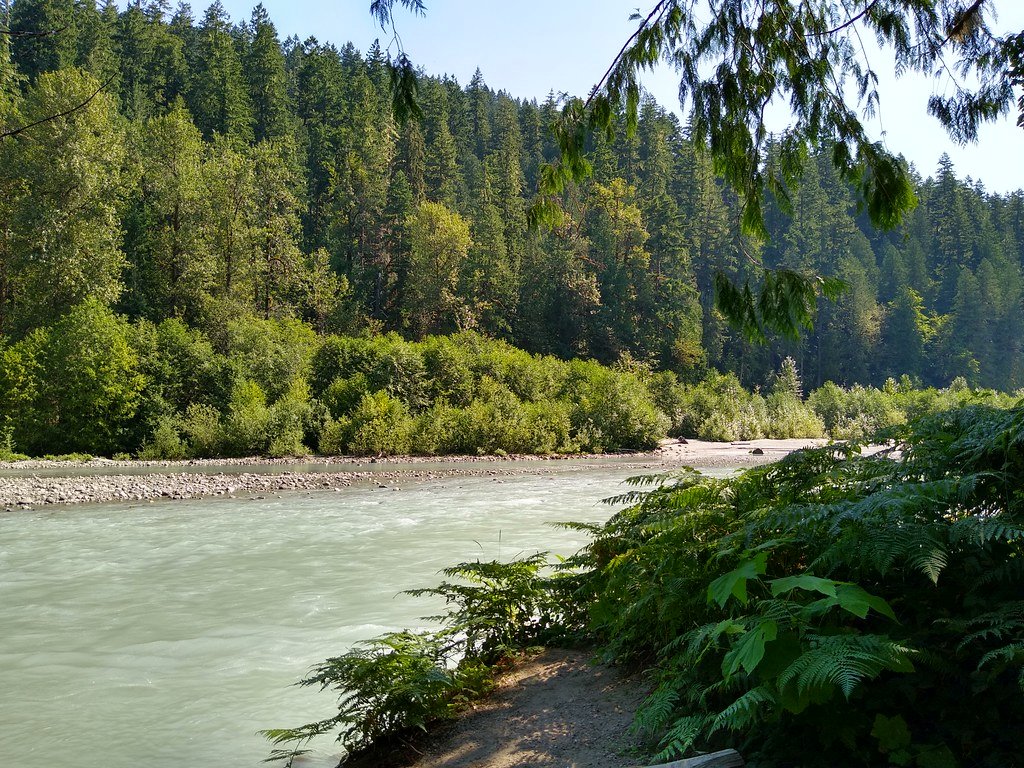
Sauk River
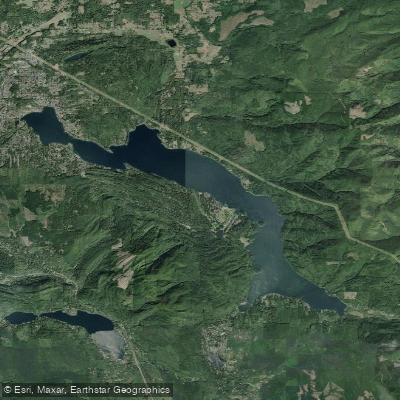
Lake Whatcom
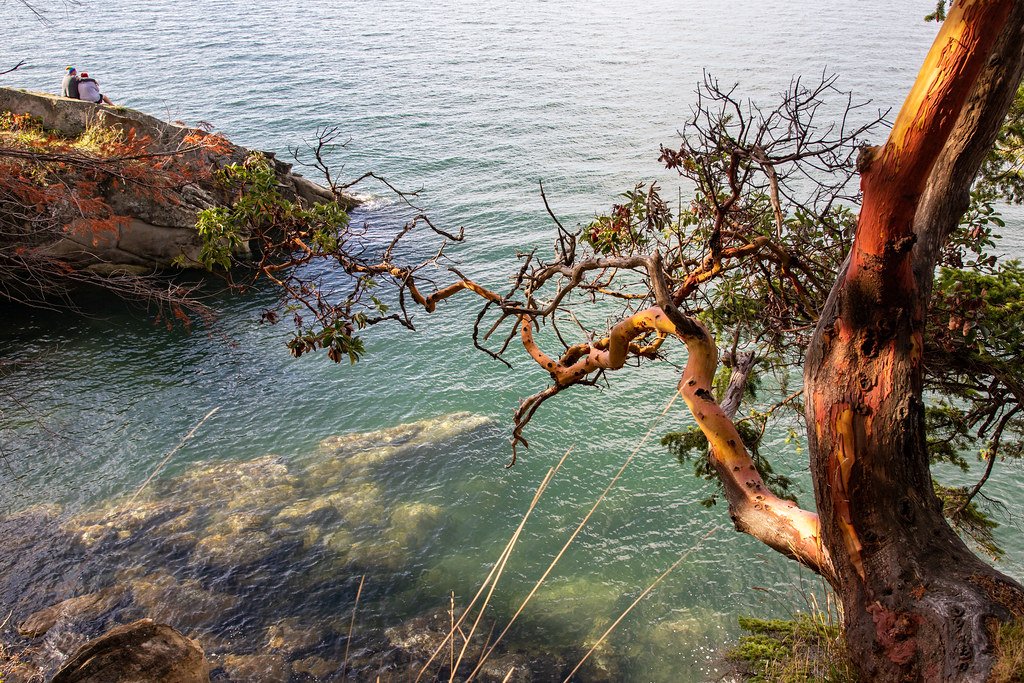
Samish Bay
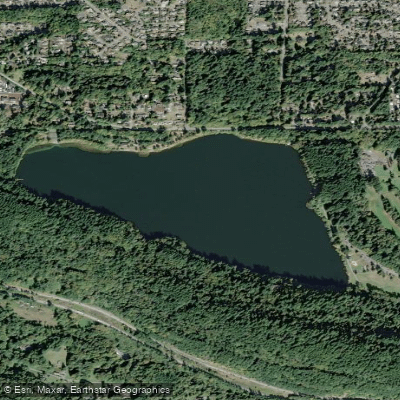
Lake Padden
Explore Washington waters
Explore near Pole Pass
Access points
Nearby waters
More in Washington
Smarter Paddling Starts in the App.
PaddleWays gives you everything you need to plan smarter, paddle better, and own every trip from first launch to takeout.