Paddling in Buenos Aires
- Lakes
- 499
- Rivers
- 365
- Access
- 0
- Boat Ramps
- 70
- Shops
- 0
Buenos Aires province is flatwater country.
The terrain is vast and low — the pampas rolling out in every direction — and the paddling reflects that: wide, slow rivers, shallow lagoons, and one of the most extraordinary delta systems in the southern hemisphere.
There are no mountains here, no whitewater to speak of. What the province does have is scale, wildlife, and the kind of quiet that only comes from moving through water at your own pace.
The Río Paraná defines the northern edge of the province and feeds the Tigre Delta, a still-growing maze of rivers, streams, and canals covering around 14,000 square kilometres. This is the gravitational centre of paddling in Buenos Aires.
The town of Tigre sits about an hour from the capital and serves as the launch point for most delta trips.
The islands here are separated by waterways that function like streets — you need a small boat to get into the interior, and a kayak is the right tool for the job.
The delta rewards slow travel: the channels shift, the birdlife is dense, and the communities living on the islands are part of what makes the place feel genuinely unlike anywhere else in Argentina.
Beyond the delta, the province opens into a different kind of paddling. The Río Luján threads through the pampas and connects to the delta system. The Río Salado drains a huge swath of the interior.
Laguna Chascomús, south of the capital, is a broad, shallow lake popular with local paddlers. These are calm, accessible waters — good for touring and exploring, not for testing skills against current.
The Río de la Plata forms the eastern boundary, one of the widest river mouths on earth, and while it looks like open water, it behaves like a river and deserves respect.
Wind and fetch can build conditions quickly on the Plata, and paddlers venturing out there should know what they're getting into. Summer in the southern hemisphere — December through February — brings heat and the most activity on the water.
Spring and autumn are often the better seasons for longer trips: more manageable temperatures, good light, and the delta at its most alive. Winter is mild by most standards but can bring persistent wind.
The delta is under ongoing pressure from development and water quality issues, and the Río de la Reconquista, which drains into the delta system near Tigre, carries a heavy pollution load from the urban fringe.
Paddlers who care about these waterways will find conservation organisations working on both fronts. The delta's ecological value is hard to overstate — and equally easy to take for granted. This is not a province you come to for adrenaline.
You come because the delta is genuinely strange and alive, because the pampas rivers move at a pace that forces you to pay attention, and because Buenos Aires city is right there when you want it.
Top waters to paddle near Buenos Aires
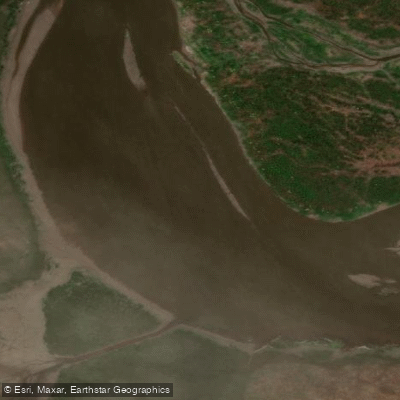
Río Salado
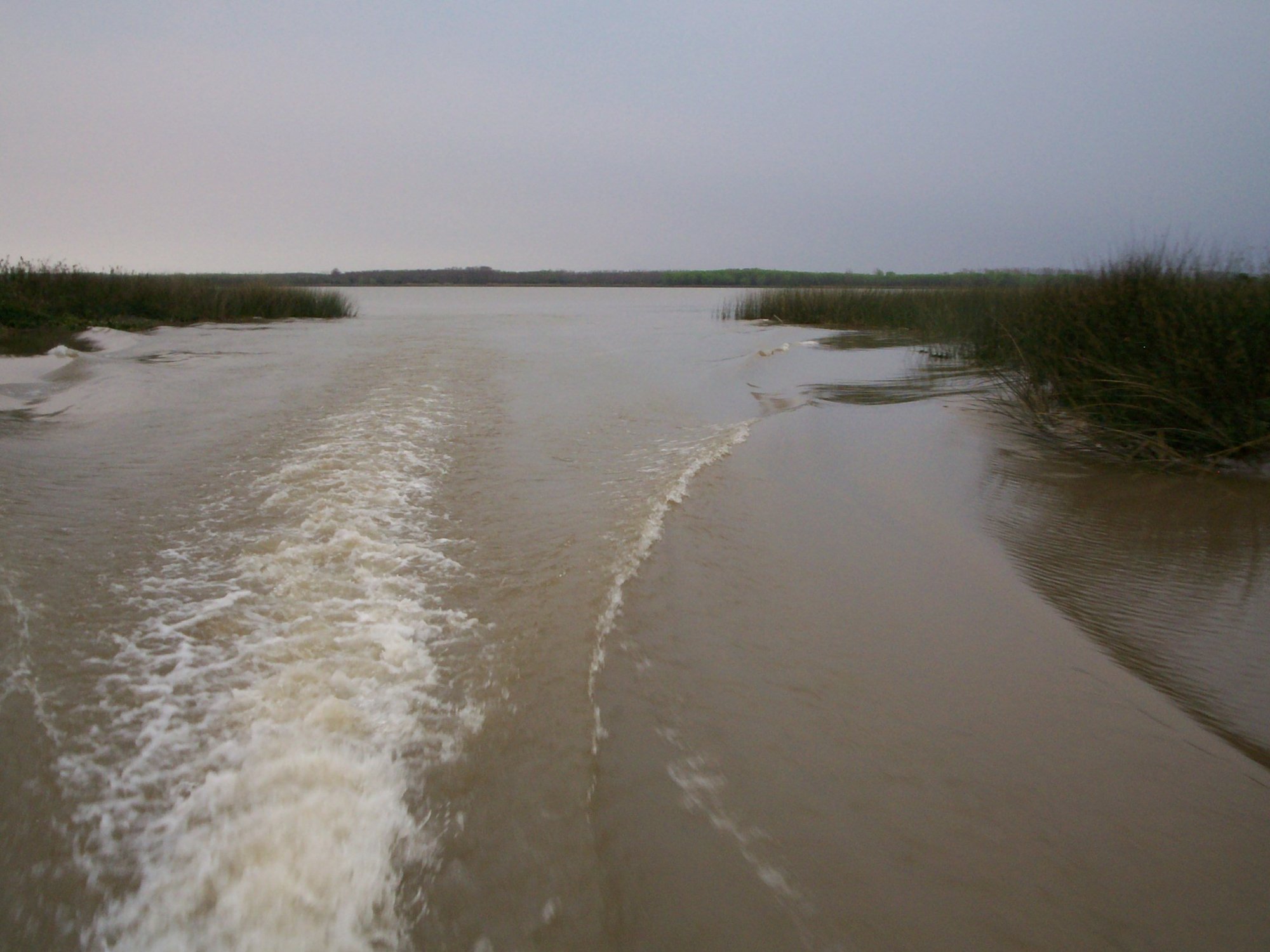
Río Paraná
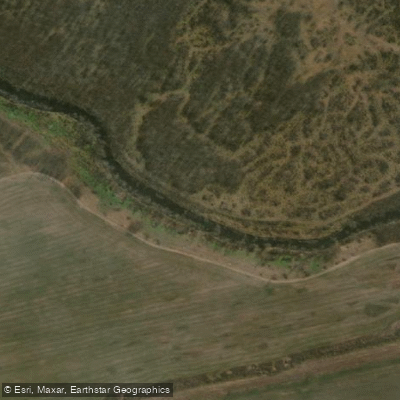
Río Luján
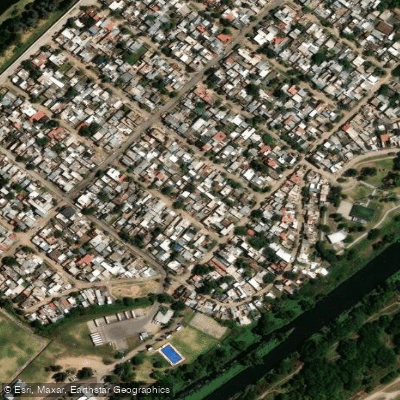
Río de la Reconquista
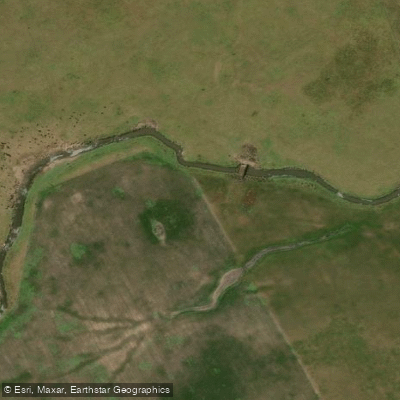
Arroyo Vivoratá
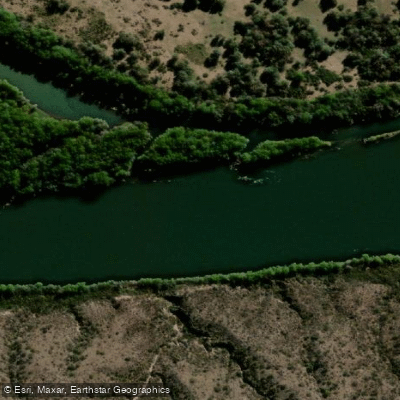
Río Negro
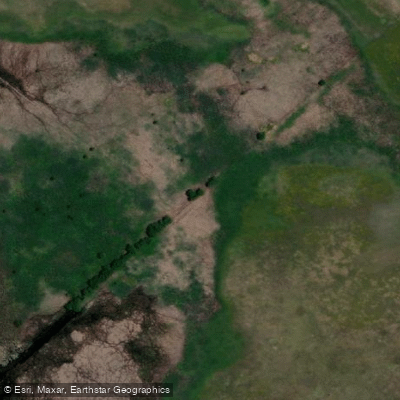
Arroyo Buñirigo
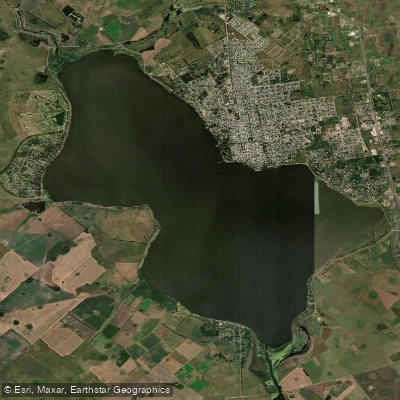
Laguna Chascomús
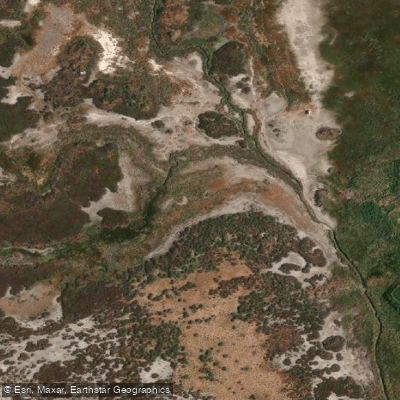
Arroyo Saladillo o Dulce
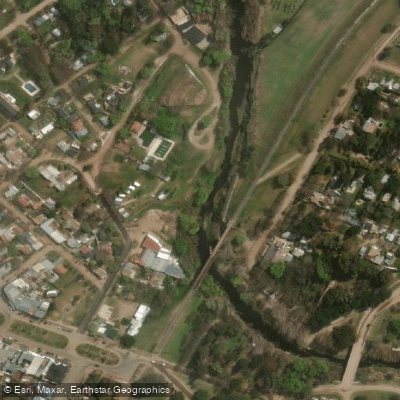
Arroyo Sauce Grande
Paddle smarter with real-time insights
Whether you're en route and conditions shift or you're looking for the best spot based on current flows, we enable you to make informed decisions on the fly.







Buenos Aires licenses and regulations
Explore Buenos Aires waters
Top paddling waters
Popular Cities
Loading popular cities...
Smarter Paddling Starts in the App.
Paddleways gives you everything you need to plan smarter, paddle better, and own every trip from first launch to takeout.