Paddling in Río Negro
- Lakes
- 289
- Rivers
- 122
- Access
- 0
- Boat Ramps
- 16
- Shops
- 0
The paddling in Río Negro is anchored in two very different worlds: the Andean lake district around Bariloche in the west, and the long desert river corridor that gives the province its name.
Together they make this one of the more varied paddling provinces in Argentine Patagonia, stretching from glacially carved lakes beneath snowcapped peaks to wide, braided channels cutting through steppe.
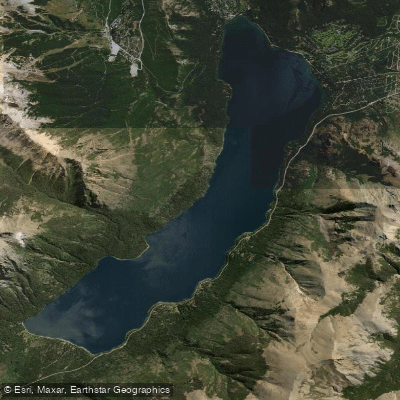
The lakes around Bariloche are where most paddlers start. Lago Nahuel Huapi is the centerpiece — at 220 square kilometers, it's big enough to demand respect and generate real weather, but its bays and islands reward those willing to read conditions carefully.
The route from Bahía López through the Brazo Tristeza, past Isla Centinela and around toward the Llao Llao peninsula, gives a full day of coastal touring with steep shorelines, hidden beaches, and the kind of mountain backdrop that makes you stop paddling just to look.
Lago Gutiérrez sees the highest volume of crossings in the area, and Lago Mascardi and the smaller Lago Moreno round out a cluster of options within reach of town.
West of Bariloche, the Río Manso and Río Azul drain toward the Chilean border through progressively wilder terrain. The Río Ñirihuau is another name that comes up among locals looking for moving water closer to the city.
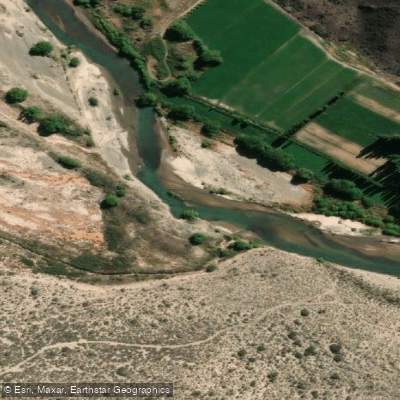
The Río Limay flows east out of Nahuel Huapi and eventually joins the Río Neuquén to form the Río Negro itself — the namesake river that runs nearly the full width of the province before reaching the Atlantic.
The Regata Internacional del Río Negro, a canoe marathon held in January, follows this corridor and draws international competitors; it's one of the longer-running flatwater racing events in South America.
Summer (December through February) is the main window for lake touring — days are long, temperatures are manageable, and the Andean snowmelt keeps rivers running.
But Patagonian weather is genuinely unpredictable at any elevation, and Nahuel Huapi in particular can go from glassy to whitecapped in under an hour.
Anyone crossing open water here should be comfortable in rough conditions and dressed for immersion, not just for the air temperature. The lake district sits inside and adjacent to protected areas, so access norms matter.
Check current requirements with local operators before paddling — the rules around camping and landing zones can vary by sector and change between seasons. The rivers are the kind of resource that rewards paddlers who treat them accordingly.
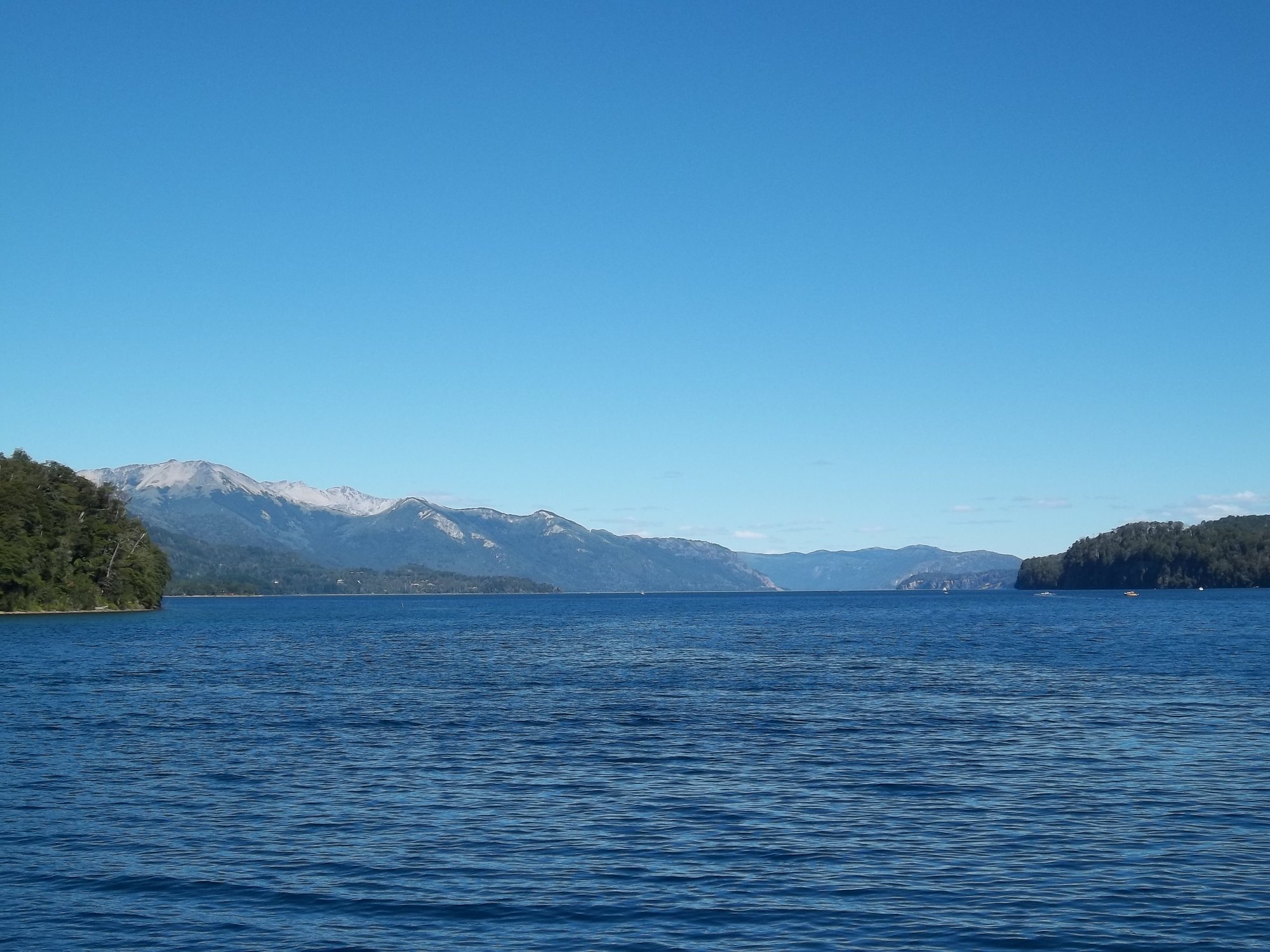
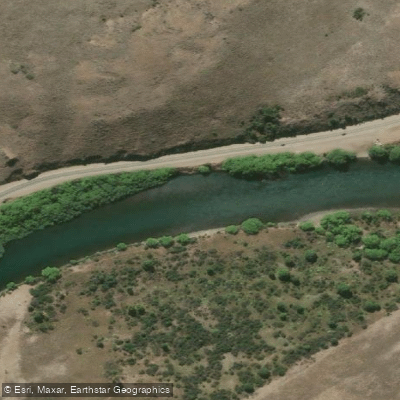
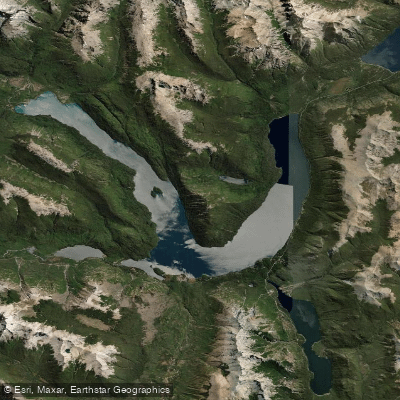
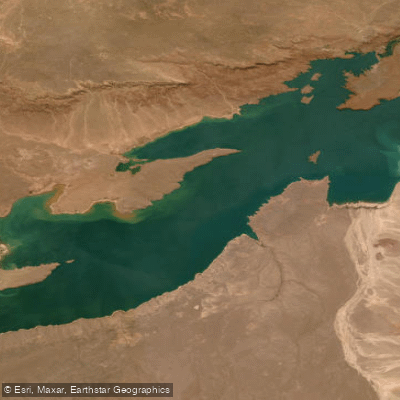
Top waters to paddle near Rio Negro
Paddle smarter with real-time insights
Whether you're en route and conditions shift or you're looking for the best spot based on current flows, we enable you to make informed decisions on the fly.



Río Negro licenses and regulations
Explore Río Negro waters
Top paddling waters
Popular Cities
Loading popular cities...
Smarter Paddling Starts in the App.
Paddleways gives you everything you need to plan smarter, paddle better, and own every trip from first launch to takeout.