Paddling in Pará
- Lakes
- 253
- Rivers
- 2,824
- Access
- 8
- Boat Ramps
- 2
- Shops
- 0
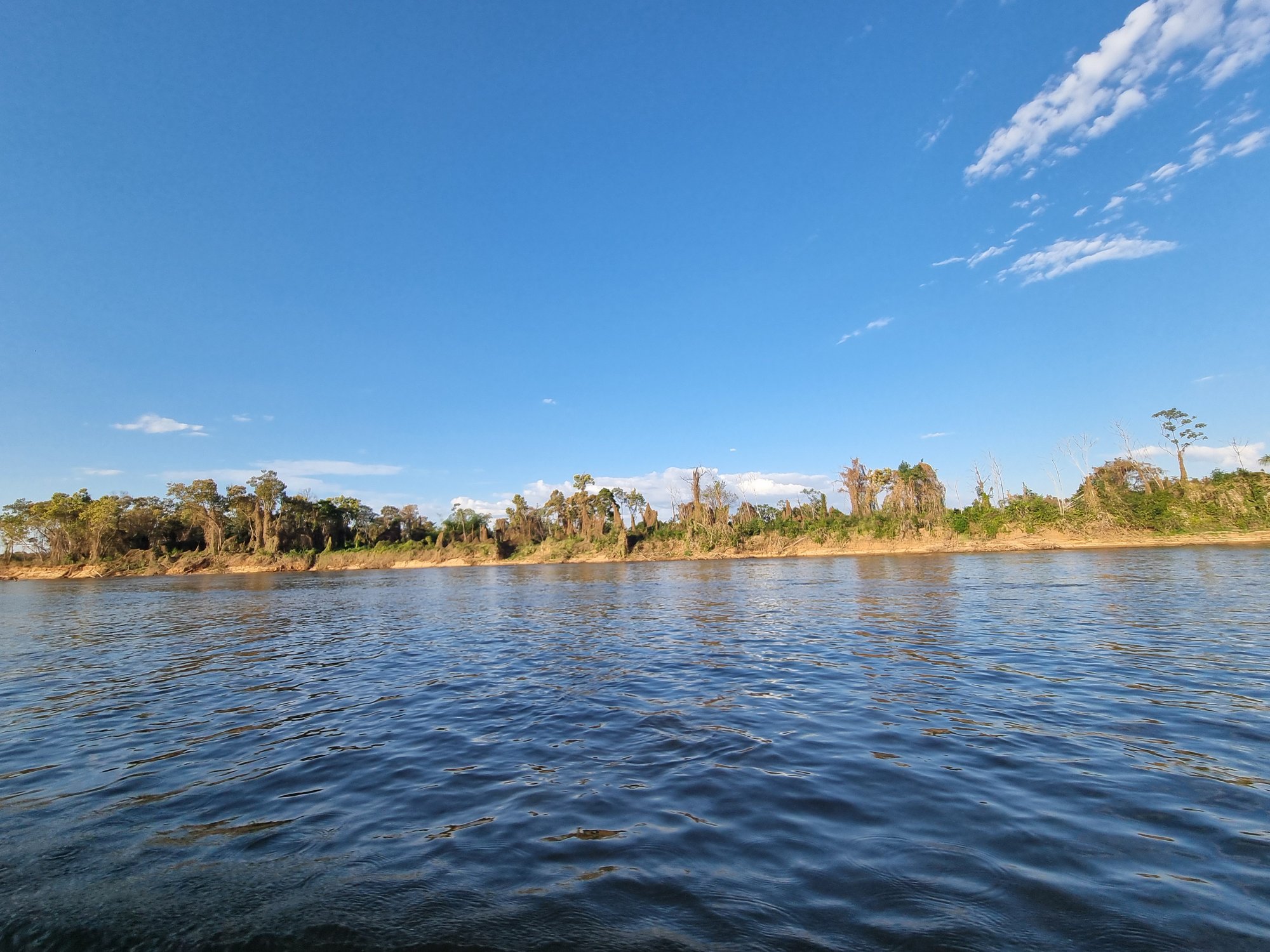
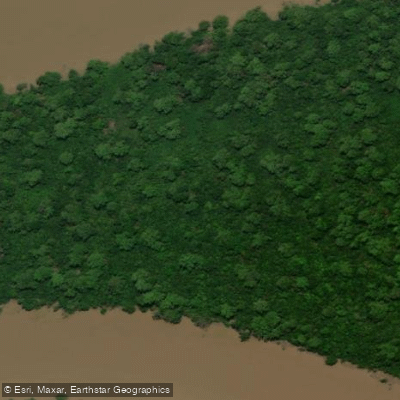
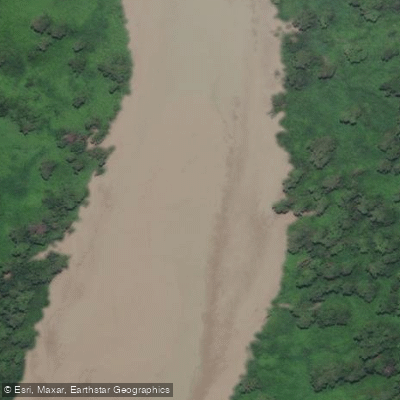
Pará is Amazon country — big, slow, and brown. The state covers a vast sweep of northern Brazil, where the river system isn't just a feature of the landscape but the landscape itself.
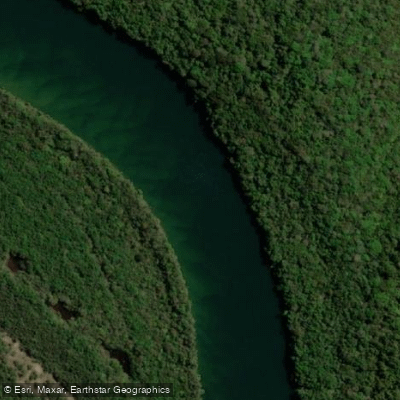
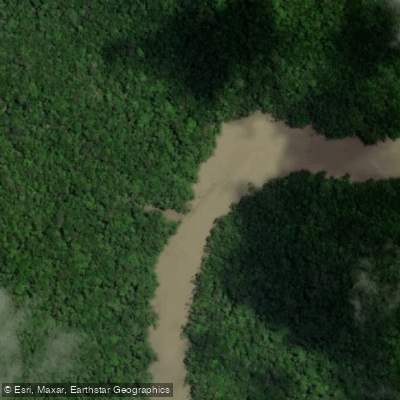
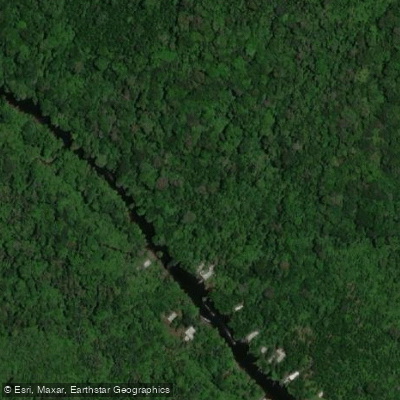
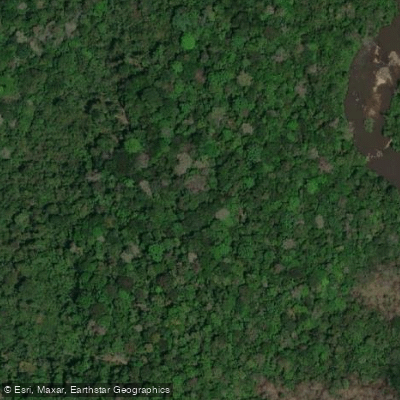
Tributaries fan out across an area larger than most countries, and the paddling here is almost entirely flatwater: long, wide channels moving through dense forest, with the occasional blackwater creek cutting off into the shade.
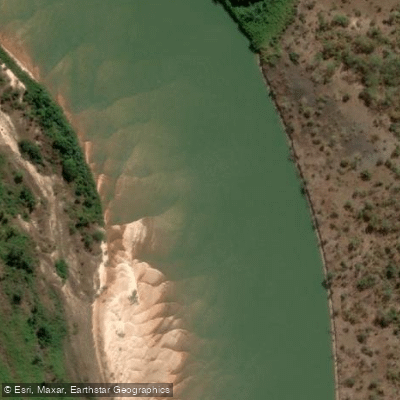
This is expedition territory, not a day-trip scene. The Rio Xingu is the river that anchors Pará's paddling identity. It runs south to north through the state, carrying clear greenish water before it meets the Amazon near Altamira.
The middle Xingu has significant rapids — this is one of the few places in the Brazilian Amazon where moving water actually matters to paddlers — but access and logistics are serious considerations, and the river's history of conflict over the Belo Monte dam complex means the human geography here is as complicated as the hydrology.
Further west, the Rio Arapiuns and Rio Maicuru drain into the lower Amazon and offer quieter travel through forest that remains largely intact.
The Rio Trombetas, flowing south out of the Guiana Shield, passes through protected areas and is one of the cleaner, less-trafficked rivers in the region — the kind of water where you're more likely to encounter river dolphins than other paddlers.
The Amazon itself, and the broad channels near its mouth, are not beginner water. The main stem runs several kilometres wide in places, and afternoon winds can push up waves that swamp open boats without warning.
Paddlers who know the coast work the smaller tidal rivers — the Rio Maracanã, Rio Marapanim, and Rio Mocajuba among them — where the Atlantic influence mixes with freshwater and the mangrove edges offer some shelter.
The wet season runs roughly December through May, when water levels rise dramatically and flooded forest opens up routes that don't exist in the dry months. The tradeoff is current, debris, and the logistical difficulty of finding dry ground to camp.
The dry season — June through November — drops the rivers back into their channels, exposes beaches, and makes navigation more predictable, though some smaller tributaries become too shallow to run. Getting on the water here takes planning.
There's no developed paddling infrastructure in the way you'd find elsewhere in Brazil. Boats, local knowledge, and Portuguese all help.
The rivers are the roads, and the communities along them treat them accordingly — with the kind of respect that comes from depending on something completely.
Paddle smarter with real-time insights
Whether you're en route and conditions shift or you're looking for the best spot based on current flows, we enable you to make informed decisions on the fly.







Pará licenses and regulations
Explore Pará waters
Top paddling waters
Popular Cities
Loading popular cities...
Smarter Paddling Starts in the App.
Paddleways gives you everything you need to plan smarter, paddle better, and own every trip from first launch to takeout.